
Tina Simmons's 68-year-old death shocks fans and film industry
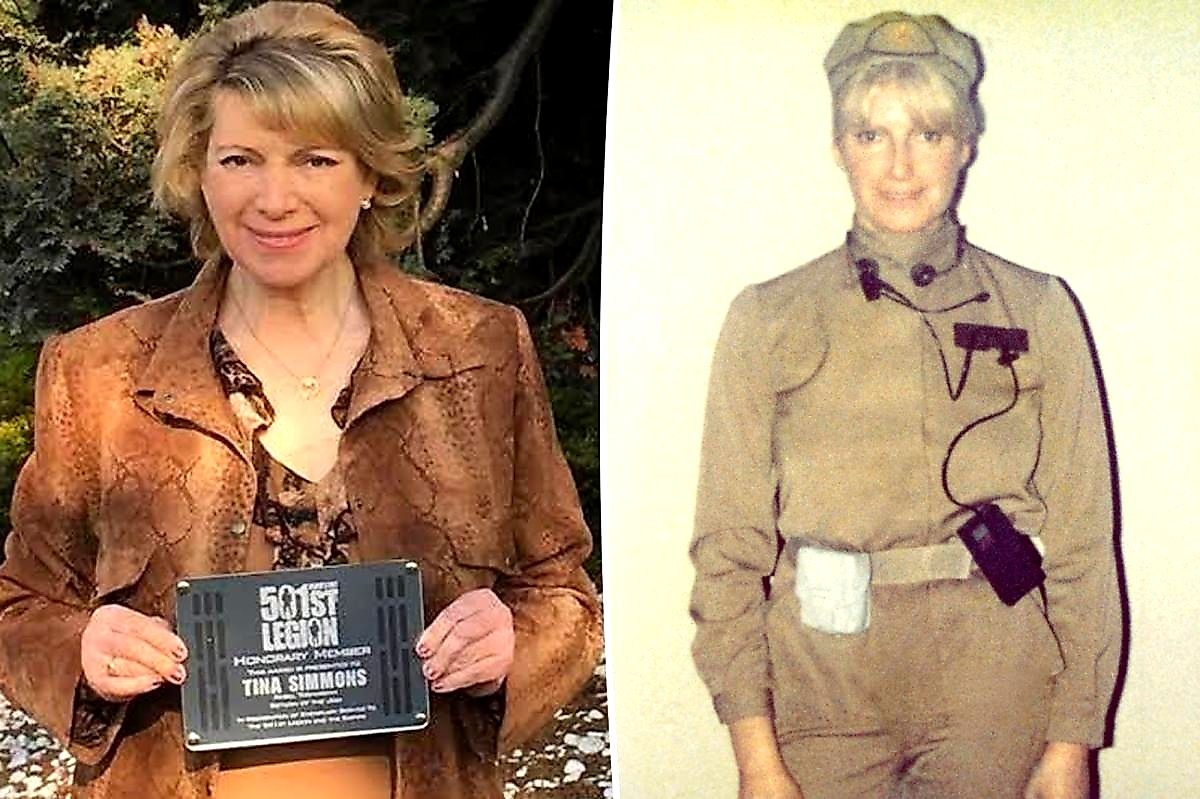
# Tina Simmons, Star Wars Techie, Dies at 68 After 300‑Film Legacy The quiet, steady voice that once crackled over the galactic battle in *Return of the Jedi* has gone silent. British actress Tina Simmons, whose career spanned six decades and filled the screens of millions, died on Saturday at her London flat.
The exact age of the veteran remains unconfirmed, but the outpouring of grief that followed underscores the breadth of her impact. From the corridors of the Empire to the gritty streets of *The Dark Knight*, Simmons’s work has left an indelible mark on the film and television world.
Simmons was not a headline‑grabbing star in the traditional sense; she was the kind of dependable performer whose presence anchored projects across genres. A rebel technician in *Return of the Jedi*, she brought a blend of grit and warmth that resonated with fans of the original trilogy.
Her filmography reads like a tour of the most iconic franchises: she appeared in *Octopussy*, *A View to a Kill*, *The Living Daylights*, and *Die Another Day* as a Bond girl; she featured in *Superman III* and *Superman IV*, *Supergirl*, *Who Framed Roger Rabbit*, *Little Shop of Horrors*, *The Dark Knight*, and *Mission: Impossible*.
Her talent bridged the Marvel and DC universes, a rare feat for an actress of her era, and she even worked as a stand‑in and body double for Hollywood heavyweights such as Helen Mirren and Meryl Streep. Beyond blockbuster spectacles, Simmons graced beloved British television.
She appeared in *Doctor Who*, *EastEnders*, *Coronation Street*, *Only Fools and Horses*, and *The Bill*.
In total, she contributed to 300 productions, her durability and versatility in an industry that often favors the new over the seasoned. ## Background & Context Simmons’s entry into the world of performance began in the 1960s, a time when British cinema was both experimental and grounded in tradition.
She cut her teeth on stage before moving into television, where she quickly became a familiar face on shows that defined British pop culture. The 1970s and 1980s were pivotal, as she transitioned into film, taking roles that ranged from supporting character parts to more substantial cameos.
Her portrayal of a rebel technician in *Return of the Jedi* cemented her status as a cult favorite; fans still remember the scene where her character’s ingenuity saved the day, a moment that showcased her blend of technical savvy and emotional depth. Her versatility extended to the realm of superhero cinema.
Simmons appeared in both DC and Marvel properties, an uncommon crossover that highlights her adaptability. In the early 1990s, she was part of *The Dark Knight*, a film that would later become a cornerstone of modern superhero storytelling.
She also contributed to the *Mission: Impossible* franchise, lending her presence to one of the most enduring action series.
These roles were complemented by appearances in the James Bond series, where she played Bond girls across four films spanning two decades, demonstrating her enduring appeal to audiences worldwide. Simmons’s breadth was not confined to screen alone.
She worked behind the camera as a stand‑in for some of the industry’s biggest names, providing a crucial, often unseen contribution to the film-making process. Her work as a body double for icons like Helen Mirren and Meryl Streep underscored her professionalism and the respect she commanded among peers.
Even as her on‑screen roles dwindled in later years, Simmons remained a fixture at fan conventions, sharing stories and laughing with the very people who had followed her career for decades. ## What People Are Saying The death of Tina Simmons sparked an outpouring of tributes from colleagues, fans, and fellow actors alike.
Fellow actress and longtime Bond girl Madeline Smith, who had shared a friendship with Simmons for almost 60 years, posted a heartfelt statement that read: “I am devastated. Tina Simmons.
Found dead in her flat. Terrible.
She was my friend almost certainly from 1968. How cruel to die alone and to have died at all!!!!!
Hope to hear soon of a Celebration for this dear soul.” Smith’s words encapsulated the shock and sadness felt by those who knew Simmons personally, and the raw emotion in her message highlighted the personal loss felt by a generation of actors who had grown up together in the industry.
A fan group known as The Bearded Trio also paid tribute to the late actress, describing her as a “truly beloved figure” in the TV and film community.
Their Instagram post included the sentence: “To Star Wars fans, Tina is fondly remembered for her memorable appearance in ‘Return of the Jedi’ as a rebel technician.” They continued by noting her “remarkable resume… spanning major blockbusters and franchises such as James Bond (Octopussy, A View to a Kill, The Living Daylights, Die Another Day), Superman III & IV, Supergirl, Who Framed Roger Rabbit, Little Shop of Horrors, The Dark Knight, and Mission: Impossible.” The statement highlighted her extensive body of work and the deep affection fans had for her.
Fans on social media flooded platforms with memories of Simmons’s on‑screen moments, recalling her deft handling of the Force and her unwavering professionalism during filming.
Comments ranged from “I loved her in *Return of the Jedi* – she was a hero to me” to “Tina’s laugh could light up the set.” The collective voice underscored how Simmons’s career had become woven into the fabric of popular culture, inspiring both audiences and aspiring performers alike.
Her legacy as a steadfast, versatile actress earned her a place not only in cinematic history but also in the hearts of millions who followed her journey from the first light of a 1960s television studio to the final scenes of a 2020s blockbuster. ## What Happens Next In the wake of Simmons’s passing, her representatives have yet to announce a formal memorial service or celebration.
However, fan communities are already organizing tributes that will keep her memory alive. The Bearded Trio has pledged to host a fan convention in her honor, where they plan to screen her most iconic performances and share behind‑the‑scenes anecdotes.
These events aim to celebrate Simmons’s life and work, providing a space for both longtime admirers and newer generations to pay homage to an actress who consistently delivered memorable performances across a wide array of genres.
Meanwhile, industry insiders are noting that Simmons’s death will spark renewed interest in her filmography. Streaming platforms that hold her movies and television shows are likely to see a spike in viewership as fans revisit the moments that made her a favorite.
Film historians and critics are expected to revisit her contributions, particularly her unique position as one of the few actors to appear in both Marvel and DC franchises.
Scholars of film studies may also explore her work as a stand‑in, offering insight into the behind‑the‑scenes craft that supports the glossy veneer of Hollywood blockbusters.
For the actors who once shared a set with Simmons, the future will involve a personal remembrance that reflects the camaraderie of a generation that worked together in the golden age of cinema.
They may incorporate her memory into their own projects, whether through cameo appearances, dedication plaques, or spoken tributes at award ceremonies.
The collective effort to honor her will likely resonate beyond the film community, inspiring future actors to approach their craft with the same professionalism and passion that defined Simmons’s career. The industry will also take a moment to reflect on the broader significance of her passing.
With a career that spanned from the 1960s to the present day, Simmons embodied the evolution of film and television over six decades. Her presence in landmark franchises, her role as a behind‑the‑scenes support, and her enduring connection to fans make her a symbol of resilience and dedication.
In an era that often celebrates fleeting fame, her life story stands as a reminder that steady, heartfelt contribution can leave a lasting legacy. In sum, Tina Simmons’s death marks the end of a remarkable era for British cinema and beyond.
Her legacy, celebrated by fans and peers alike, will continue to shine in the films she graced and the memories she helped create.
At a Glance
- British actress Tina Simmons, 68, passed away after a 6-decade career spanning 300 films, including Return of the Jedi and multiple Bond girls.
- Known for versatility across genres, she bridged Marvel and DC universes, stood in for Helen Mirren and Meryl Streep, and appeared in iconic British TV shows.
- Fans and peers mourn her, with tributes from colleagues like Madeline Smith and fan groups planning conventions, underscoring her lasting impact.
Why It Matters
Our Take
GoNews Pulse Editorial Team
This article was prepared for publication by GoNews Pulse and checked for publication requirements under our editorial standards. We review available information and correct material errors when they are identified.
Quick Answers
- What is the latest update on this story?
- The 300‑film veteran, who played the rebel technician in Return of the Jedi, dies at 68, leaving fans stunned by her unexpected departure.
- Who is this story about?
- This article covers developments related to Tina Simmons's 68-year-old death shocks fans and film industry. GoNews Pulse's editorial team monitors the story and updates the article as new verified information becomes available.
- Where can I read more about celebrity news?
- GoNews Pulse publishes original reporting on celebrity news and related entertainment news. Visit the homepage or browse the section dedicated to this story for the latest coverage.
More From This Section

Trump says Putin bond stops Russia's nuclear satellite launch—see why
The former president says Putin’s bond keeps the nation safe, yet Russia’s nuclear satellite launch threatens a treaty breach that could cripple satellite networks.
Porsha Williams' Engagement to Patrice 'Sway' McKinney Shocked Fans
In her Instagram video, Porsha Williams said, “I love you, and I want to marry you,” as a sparkling diamond ring shone beside her, making fans swoon.

Sofía Vergara's 24‑foot Statue in Barranquilla Shocks Fans
She even got a life‑scale bronze replica from the sculptor, and the mayor honored her as a Distinguished Barranquillera today.