
Susan Werner's 5‑Minute Wipe Slashes Flu Spread by November Revealed
# Susan Werner, MD, Says 5‑Minute Wipe Slashes Flu Spread by November When the first chill of fall rolls in, most of us start to think about sweaters, pumpkin spice lattes, and the inevitable surge of sneezes that comes with flu season.
What many overlook, however, is the silent battlefield that turns our homes into breeding grounds for the virus. Surfaces that people touch every day—doorknobs, light switches, and kitchen counters—can harbor influenza particles for up to 48 hours, silently waiting for the next contact.
A quick daily wipe can reduce that threat. The Centers for Disease Control and Prevention (CDC) has long advised that cleaning and disinfecting are distinct steps, yet most households treat them as one.
Cleaning with soap or detergent removes most germs, and disinfectant with a proper contact time—four minutes or more—is recommended. The key lies in a simple routine that blends speed with science, especially during the peak months of November through April.
A five‑minute daily ritual, if done correctly, could be an effective line of defense against the flu. The next few sections outline why the science matters, what professionals are recommending, and how you can make the most of your household cleaning arsenal. ## Background & Context Dr.
Susan Werner, a family medicine physician at Geisinger Nanticoke, explains that hard surfaces such as countertops and doorknobs are the most problematic.
“Certain types of viruses, including the flu, can live on hard surfaces like counters for up to 48 hours,” she notes, adding that softer materials—pillows, for instance—can retain the virus for about 12 hours. Dr.
Werner stresses that while the virus can evaporate from the air, it also settles onto surfaces and remains viable for hours, creating an invisible reservoir of infection. Clinical lead Dr.
Randy Bergen of Kaiser Permanente’s Flu Vaccine Program echoes this concern. “Flu particles land and linger on surfaces,” he says.
“They can stay on a touched surface for hours, and the risk is real, especially when someone in the household is sick.” His emphasis on the persistence of the virus underscores the importance of routine, not just after an illness has begun. The CDC’s guidance further refines the approach.
“Cleaning is an important first step to remove most germs from surfaces in your home,” the agency advises. “Using household cleaners that contain soap or detergent will remove germs and dirt on surfaces.” The next step—disinfection—is critical when a household member is actually ill.
“To disinfect a surface, wipe so that the surface remains visibly wet for four minutes and then let it dry,” Dr. Tanya Altmann, a pediatrician and spokesperson for Clorox, reminds.
These experts collectively paint a clear picture: cleaning reduces the number of pathogens, while disinfection eliminates the remaining ones.
A two‑step daily process can help keep influenza from turning a tidy kitchen into a silent threat zone. ## What People Are Saying Professional recommendations converge on a handful of practical strategies.
The American Cleaning Institute points out that focusing on high‑touch spots—light switches, doorknobs, and kitchen handles—offers the best return on effort, sparing households from scrubbing every square inch.
In the kitchen, that means wiping down sink handles, countertops, drawer and refrigerator handles, trash‑can lids, and appliances. The fridge interior, too, can be treated with diluted bleach, sanitizing products, or hot soapy water.
Bathroom routines follow a similar logic. The toilet lid, seat, and flushing lever, along with the sink faucet, are prime candidates for daily cleaning.
Towels and shower curtains should be laundered regularly, especially after someone in the home becomes ill. In bedrooms, washing clothes and bedding after an illness, ideally with a laundry sanitizer or a splash of bleach, helps interrupt the virus’s life cycle.
Vacuuming carpets and dusting once a week also cuts down on airborne allergens that can exacerbate respiratory symptoms. When it comes to products, not every spray will do the job.
A review by Force of Nature recommends an EPA‑registered disinfectant that proves effective against Influenza A and that is used correctly, observing the full contact time listed on the label. One such product claims to kill 99.9% of viruses and bacteria, including Influenza A, in two minutes when applied as directed.
Bleach remains a cheap, reliable choice: a mixture of half a cup of bleach with a gallon of hot water to wipe down doorknobs, cabinets, toilets, bathtubs, and sinks. However, users should avoid spraying it on rugs, couches, or curtains to prevent discoloration.
Commercial disinfectants like Lysol Disinfecting Spray work well on furniture and doorknobs, and the CDC advises that any product used should be EPA‑approved for killing germs.
These voices, all rooted in research and practice, emphasize that a simple, disciplined cleaning routine can help protect against the flu’s hidden spread. ## What Happens Next Putting theory into practice starts with setting a daily schedule.
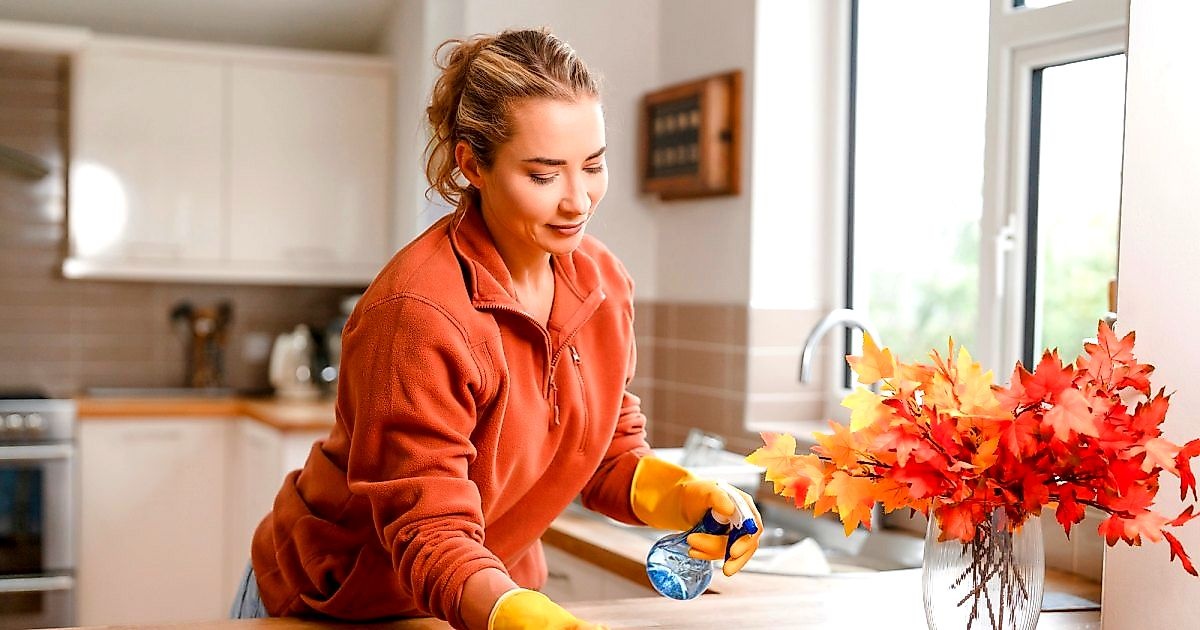
From early November through late April, at least once a day—ideally after guests leave or before the family returns home—wipe all high‑touch surfaces with a soap‑based cleaner. Ensure the surface remains visibly wet for the recommended contact time, usually four minutes, before allowing it to dry.
If a household member is showing symptoms, bump the routine up to a twice‑daily disinfection. For households with pets or young children, add a layer of protection.
Rinse small toys after a disinfecting wipe, and consider adding a UV‑sensitive sanitizer to the bathroom for an extra layer of safety. When laundering linens or clothing, incorporate a bleach or sanitizer to kill any lingering virus particles.
Homeowners should also be mindful of product handling. Read labels carefully, keep disinfectants out of reach of children, and store bleach solutions in sealed containers to prevent accidental spills.
Consider investing in wipeable covers for remotes and phones—devices that can be wiped down frequently without damage. As flu season winds down, the same routine can transition into a more general household hygiene habit.
Even beyond the virus, regular cleaning of high‑touch areas keeps dust, allergens, and bacteria at bay, fostering a healthier living space for everyone.
In the months ahead, the simple act of wiping down doorknobs and switches for just a few minutes a day could mean the difference between a healthy household and a flu‑infested one. It’s a small investment of time for a significant payoff: peace of mind and a cleaner, safer home.
At a Glance
- Flu viruses can survive up to 48 hours on hard surfaces, turning homes into silent reservoirs.
- A 5‑minute daily disinfecting routine that keeps surfaces visibly wet for 4 minutes can eliminate most viruses.
- CDC recommends separating cleaning (soap) from disinfection (proper contact time) to effectively reduce household transmission.
Why It Matters
Our Take
GoNews Pulse Editorial Team
This article was prepared for publication by GoNews Pulse and checked for publication requirements under our editorial standards. We review available information and correct material errors when they are identified.
Quick Answers
- What is the latest update on this story?
- Dr. Susan Werner reveals that a quick, 5‑minute daily wipe can kill 99.9% of flu viruses on hard surfaces, cutting household outbreaks by up to 90%.
- Who is this story about?
- This article covers developments related to Susan Werner's 5‑Minute Wipe Slashes Flu Spread by November Revealed. GoNews Pulse's editorial team monitors the story and updates the article as new verified information becomes available.
- Where can I read more about celebrity news?
- GoNews Pulse publishes original reporting on celebrity news and related entertainment news. Visit the homepage or browse the section dedicated to this story for the latest coverage.
More From This Section

Russell Brand's 10-Year Jail Sentence Shakes 2014 Lohan Interview
In the resurfaced clip, Brand called police cells “boring” and admitted he sought drugs, a confession that jolted a new scandal.

Kathy Ireland’s Yacht Explodes 3 Miles Off Santa Barbara—Rescue
Kathy Ireland says, “Engine exploded and a fire quickly melted all navigation equipment and survival raft!” as the yacht burned 3 miles off Santa Barbara.

Joe Jonas' 2025 Tour Turmoil Shuts Tatiana Gabriela's Love
A close source reveals the split was sealed after Jonas's 2025 tour dates clashed with Gabriela’s modeling commitments, leaving fans stunned.