
Russell Brand's 10-Year Jail Sentence Shakes 2014 Lohan Interview
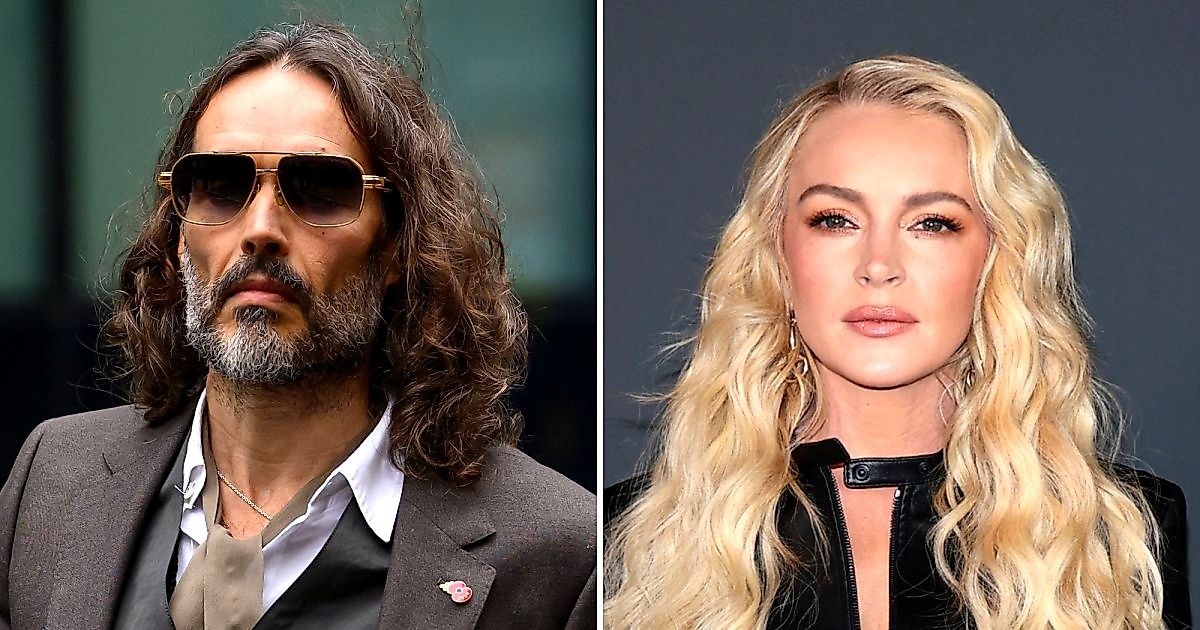
# 51‑Year‑Old Russell Brand’s 10‑Year Jail Sentence Shakes 2014 Lohan Interview For a comedian who once drew crowds with his flamboyant humor, the spotlight has turned to a darker narrative.
Russell Brand, now 51, made headlines when a 2014 interview he shared with actress Lindsay Lohan on *The Jonathan Ross Show* resurfaced after he was handed a 10‑year, six‑month prison term.
In that clip, Brand mused about his brief stint in police custody during a 2012 arrest in New Orleans, describing the experience as “tiresome” and “lonely.” The comments, long buried in the archives of a late‑night talk show, have gained fresh attention as the world follows his legal fallout.
The interview offers a glimpse into a man who has transitioned from stand‑up stage to political commentary.
Brand, known for his raucous wit and later for his vocal support of right‑wing causes, openly critiqued American policing: he complained that in the United States officers cuff hands “behind the back” and that his cell was “boring,” prompting him to seek drugs for solace.
He also reflected on the difference between U.K. and U.S. arrest procedures, noting that in Britain, police “cuff the hands in front” and that the vehicles are “all crunched up.” The 2012 incident involved a misdemeanor charge of simple criminal damage after an alleged altercation with a photographer; Brand posted bail and reportedly settled the matter.
The resurfacing of this interview comes at a pivotal moment. In 2023, a jury convicted Brand of one count of rape and three counts of sexual assault, following allegations by four women that he abused them between 2004 and 2009.
Although he was found not guilty on three of seven total counts, the court’s decision left the public stunned.
His conviction and sentencing have thrust his past remarks into the glare of contemporary scrutiny, raising questions about accountability, victim‑advocacy, and the shifting narrative around celebrity misconduct. ## Background & Context Russell Brand’s career began in the mid‑1990s as a stand‑up comedian, where his energetic stage presence and sharp political commentary quickly made him a household name.
Over the years, Brand moved beyond comedy, publishing memoirs and hosting a political podcast that championed a right‑leaning worldview.
The 2014 interview with Lindsay Lohan provided a rare moment of candidness; the two discussed their brief relationship, Brand’s penchant for controversy, and the frustrations he experienced when “they would leave me in police cells.” In that episode, Brand compared the U.K. and U.S. policing systems, remarking that American officers cuff hands “behind the back” and that his cell environment was “boring,” which led him to seek drugs for escape.
He highlighted how, in Britain, police procedures were friendlier, noting that cars were “all crunched up” and that he had his drugs taken away. These remarks, once dismissed as colorful banter, now serve as a contextual backdrop to his later legal battles.
By the time of his 2023 conviction, Brand’s public persona had shifted dramatically. The jury’s verdict, based on testimonies from four women who alleged sexual abuse between 2004 and 2009, saw Brand sentenced to 10 years and six months in prison.
The case centered on a single count of rape and three counts of sexual assault, with Brand acquitted on three of seven counts.
The courtroom’s outcome has cast a long shadow over his earlier statements and the broader discourse on celebrity accountability. ## What People Are Saying The fallout from Brand’s conviction has triggered a cascade of statements from former partners and additional accusers.
In the immediate aftermath, singer Katy Perry, who married Brand in 2010, addressed her own experiences in a 2013 interview with a fashion publication. She described the relationship as “controlling,” noting that Brand’s dominance during tours caused her distress.
Perry also reflected on her early career, expressing frustration that the ideal partner she envisioned—one who would fully accept her ambitions—was not what she encountered. Shortly after the sentencing, former girlfriend Jemima Goldsmith publicly supported Brand’s victims.
In a message posted to a social‑media platform, Goldsmith affirmed her alignment with the women who testified at trial and recounted her own experience of Brand’s “violence incident” in 2014, during which she had to call the police to remove him from her home.
She emphasized that she had chosen not to press charges then to protect her children and that the ordeal left a lasting impact. Beyond these high‑profile voices, additional accusations emerged from a group of women who had attended Brand’s shows in the past.
A source reports that, feeling hesitant to involve law enforcement previously, these women decided to come forward after the sentencing, motivated by solidarity with the initial four accusers.
Their stories, while not yet publicly detailed, suggest a broader pattern of misconduct that extends beyond the courtroom’s scope. The Metropolitan Police remain involved.
A spokesperson confirmed that investigations into allegations of rape made by two women are ongoing. The police have interviewed Brand under caution in connection with these allegations, and no conclusion has been reached.
These statements illustrate a legal landscape that is still evolving, with multiple avenues of scrutiny active as the case progresses. ## What Happens Next Brand’s 10‑year sentence means he will likely be incarcerated for the foreseeable future, with his release projected around 2033, assuming no appeals succeed.
During his imprisonment, Brand’s public presence is expected to diminish sharply, though he may continue to engage in commentary through authorized channels or recorded statements, contingent on prison regulations.
The case will serve as a precedent in the ongoing debate over celebrity privilege and accountability, potentially influencing how future allegations are handled within the entertainment industry. Meanwhile, the additional accusers who emerged post‑sentencing are poised to seek legal recourse.
Should any of them file formal complaints, the Metropolitan Police investigations could widen, possibly uncovering further evidence of misconduct.
The outcome of these investigations may either reinforce the existing verdict or open new pathways for legal action, depending on the strength and nature of the claims presented. The broader public reaction remains mixed.
Some supporters of Brand argue that he was denied due process, Others emphasize the need for victims’ voices to be amplified and for systemic changes within the justice system to better protect them.
Social media platforms continue to host heated discussions, with users dissecting every detail of Brand’s past statements, including those from the 2014 interview. In the end, Brand’s journey—from comedic royalty to convicted criminal—illustrates the complex interplay between fame, accountability, and the law.
Whether he will return to the public eye after serving his sentence remains uncertain, but the legal and cultural implications of his case are likely to reverberate far beyond the prison walls.
The unfolding narrative will continue to be watched closely by both industry insiders and the general public, as society grapples with how to address and prevent sexual misconduct in high‑profile circles.
At a Glance
- Russell Brand's 10‑year, six‑month sentence follows 2023 rape and assault convictions.
- A 2014 Lohan interview resurfaced, where Brand mocked US police custody and admitted drug use.
- New accusations and ongoing Metropolitan Police investigations suggest a wider pattern of misconduct.
Why It Matters
Our Take
GoNews Pulse Editorial Team
This article was prepared for publication by GoNews Pulse and checked for publication requirements under our editorial standards. We review available information and correct material errors when they are identified.
Quick Answers
- What is the latest update on this story?
- In the resurfaced clip, Brand called police cells “boring” and admitted he sought drugs, a confession that jolted a new scandal.
- Who is this story about?
- This article covers developments related to Russell Brand's 10-Year Jail Sentence Shakes 2014 Lohan Interview. GoNews Pulse's editorial team monitors the story and updates the article as new verified information becomes available.
- Where can I read more about celebrity news?
- GoNews Pulse publishes original reporting on celebrity news and related entertainment news. Visit the homepage or browse the section dedicated to this story for the latest coverage.
More From This Section

Kathy Ireland’s Yacht Explodes 3 Miles Off Santa Barbara—Rescue
Kathy Ireland says, “Engine exploded and a fire quickly melted all navigation equipment and survival raft!” as the yacht burned 3 miles off Santa Barbara.
Joe Jonas' 2025 Tour Turmoil Shuts Tatiana Gabriela's Love
A close source reveals the split was sealed after Jonas's 2025 tour dates clashed with Gabriela’s modeling commitments, leaving fans stunned.
Carrie Coon's Holocaust‑tied cult escape drama 'The Liberation' Jan 8
Guy Nattiv’s thriller has Carrie Coon confront her grandmother’s Holocaust past while escaping a charismatic cult, a chilling truth revealed early.