
Sofia Wylie's Halloween Death Scene Shocked Netflix Fans—Unresolved
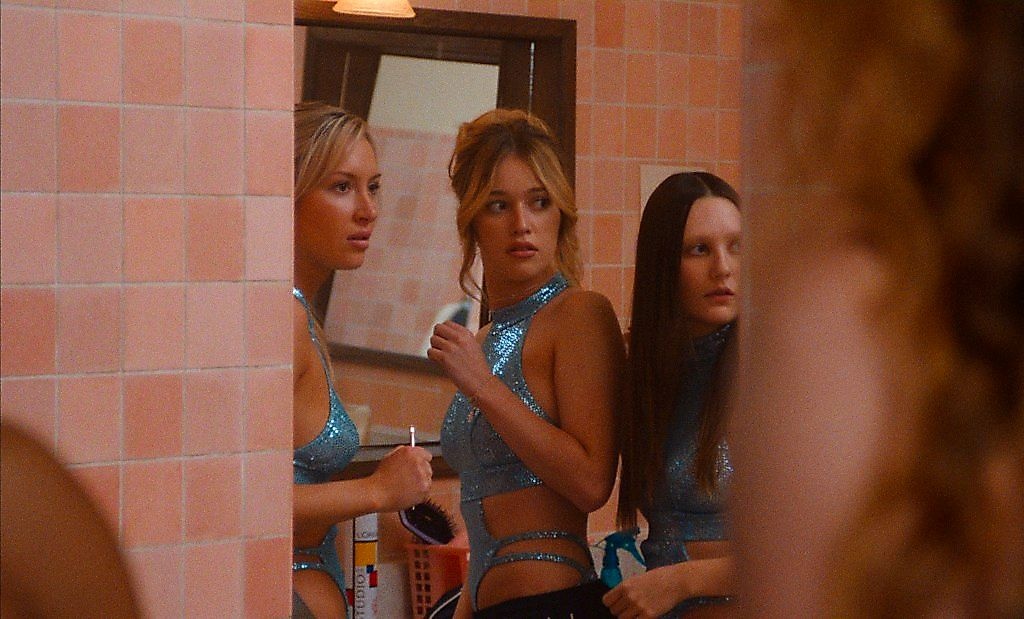
# Sofia Wylie’s 12‑Night Halloween Tragedy Shakes Netflix Fans In the opening scene of Netflix’s sophomore season, the St. Bart’s Lions dance squad gathers for a Halloween soiree that spirals into a night of drugs, prayer, and a sudden, unexplainable death.
The show’s creators, Quinn Shephard and Gina Gammell, are already laying out the framework for what they promise will be a deeper dive into the mythic underbelly that pulled viewers into a frenzy after last year’s first‑season finale.
The episode, filmed in 2004 and set in the fictional high‑school world of The Body, thrusts newcomer Grace Franklin—played by Sofia Wylie—into the spotlight when she is chosen to replace the injured Maddie Delaney.
The girls, led by the charismatic Anya Butler and the quiet Lisbeth Anderson, initiate a ritual that mixes an ecstasy pill with a prayer to Satan, hoping to secure a win at the regional dance competition.
The night turns deadly when Grace loses consciousness, collapses, and ultimately receives a fatal diagnosis after a seizure. Yet the show leaves her fate open to interpretation, prompting fans to speculate whether Grace was truly dead, possessed, or merely trapped in a supernatural limbo.
As the series wrapped its first season, the creators made it clear that there is no singular, “correct” reading of what transpired.
“The story was always meant to be a puzzle,” Shephard told a podcast in June, “and the way it ends was always built into that mystery.” Gammell added that whether the audience views the narrative through a lens of mass hysteria or paranormal phenomena, the emotional core remains the same: a group of girls wrestling with their own fears and each other’s expectations. ## Background & Context The Body, a Netflix original that premiered in May, blends elements of psychological horror with the raw drama of adolescence.
The eight‑episode arc follows the St. Bart’s Lions, a high‑school dance team that prides itself on unity and excellence.
The show’s writers, Shephard and Gammell, drew inspiration from the social dynamics of teen cliques and the way rumors can amplify fear. By weaving in a supernatural angle—a ritual calling on Satan to grant the team success—the series taps into a long‑standing horror trope, but never settles into a tidy explanation.
The central incident, the Halloween party, takes place on the eve of the 2004 regional dance competition. Grace, who had earned her spot by outperforming Maddie, is welcomed into the team with an elaborate initiation.
The ritual involves a group of girls taking a single ecstasy pill, an act that the creators describe as “a symbolic surrender” to the darker forces they believe power their performance. The night is meant to reinforce camaraderie, but it spirals into chaos when Grace’s body rejects the drug.
In the chaos that follows, Anya and Lisbeth rush her to the hospital, only to find her unresponsive. The scene is a heart‑stopping moment that became a fan favorite—and a focal point for debate.
The writers have been explicit that the story is built to be open‑ended. While some fans lean toward a supernatural explanation—possession, demonic influence, or an echo of a “sacrificial lamb”—others argue that the show is simply a commentary on how adolescent groups can create hysteria in the absence of clear facts.
This duality is at the core of the creators’ intent: to force the audience to confront their own interpretations, whether they lean toward the rational or the mystical. ## What People Are Saying Since the finale aired, the show’s community has exploded with theories that range from the mundane to the metaphysical.
Some argue that the team’s decision to ingest a drug is a catalyst for mass panic, a modern take on the “troubled teen” narrative that has long haunted teen dramas.
Others point to the eerie, almost filmic portrayal of Grace’s comatose state as proof that she was not truly dead, but rather caught in a supernatural limbo. The debate is fueled by an almost scientific curiosity: can a drug-induced coma mimic a near‑death experience?
The creators have played a role in amplifying these discussions. Shephard has acknowledged that “there’s no right way to watch the show,” while Gammell has teased that the upcoming season will further explore the lines between reality and illusion.
Their interviews on streaming platforms, where they answered fan questions about the show’s themes, have been pivotal in shaping the conversation.
When fans speculate that Tyler, the charismatic yet enigmatic drug‑seller, could be responsible for Grace’s demise, Shephard has clarified that Tyler’s role is to embody a voice of reason—albeit one that sometimes slips into chaos.
Anya’s confession to Father Franklin about the ritual has become a linchpin in many theories. Gammell describes it as “a fire take,” suggesting that the confession may be the catalyst that could bring Grace back to consciousness.
Whether this confession is a plot device or a genuine reflection of the team’s spiritual struggles is a question the creators have deliberately left unanswered.
In a conversation with a fan group, Gammell hinted that season two may examine “the prophecy of Maddie” and the true nature of the team’s belief system, giving audiences a chance to choose which thread to follow. The conversation surrounding Lisbeth is equally intense.
Gammell defended Lisbeth as a “survivalist” rather than a manipulative villain, but fan theories have still labeled her as a possible mastermind behind the party’s disastrous outcome.
Critics of Lisbeth’s character point to her early relationship with Leo, who is tormented by a compulsion for morality and a complex relationship with his priest.
Shephard praised the actor’s portrayal of Leo as “intense,” noting that the character’s journey adds an extra layer of complexity to the narrative. ## What Happens Next Looking ahead, the creators have teased that the next season will be built around the questions that have divided the fandom.
The narrative is expected to delve deeper into the rituals that the team has performed, and whether the supernatural elements are real or a manifestation of collective trauma.
The possibility of a pregnancy storyline involving Tyler and Lisbeth—an angle hinted at in a flashback to a moment when Lisbeth was asked if she had protection—suggests that season two could intertwine teenage romance with the supernatural mystery, creating a rich narrative tapestry.
The show’s writers also plan to explore the tension between the girls’ need for acceptance and the reality of their actions. The presence of adult characters such as Father Franklin, Coach Shauna Miller, and Grace’s father Michael, who provide grounded perspectives, will likely become more prominent.
Their roles will help balance the psychological horror with the moral questions the team faces, allowing the story to grow without losing its core. Gammell has emphasized that the series will never be “hyper‑critical” of religion, instead offering a nuanced view of faith and its impact on the team’s dynamics.
Father Franklin, who offers an earnest perspective on the girls’ misdeeds, will serve as a counterpoint to the darker themes, underscoring the conflict between belief and behavior. The creators aim to keep the show’s suspense alive while offering new layers for viewers to interrogate.
In addition, the creators are expected to revisit the concept of mass hysteria versus genuine supernatural phenomena. By providing evidence from both angles, they intend to keep audiences engaged and encourage them to revisit the first season’s pivotal moments with fresh eyes.
The conversation sparked by the finale is the show’s power to challenge viewers’ assumptions about friendship, faith, and fear. As season two approaches, the creators are poised to deliver a narrative that balances the thrill of the unknown with the human desire for understanding.
The next chapter of The Body promises to be a thrilling continuation, inviting fans to decide for themselves what the darkness truly holds.
At a Glance
- The opening episode features a Halloween ritual mixing ecstasy and a Satanic prayer that ends with Sofia Wylie’s character’s fatal seizure.
- Creators Quinn Shephard and Gina Gammell keep the outcome ambiguous, sparking fan theories ranging from possession to mass hysteria.
- Season two is set to explore the supernatural stakes and deeper team dynamics while addressing faith and teenage angst.
Why It Matters
Our Take
GoNews Pulse Editorial Team
This article was prepared for publication by GoNews Pulse and checked for publication requirements under our editorial standards. We review available information and correct material errors when they are identified.
Quick Answers
- What is the latest update on this story?
- Behind the shock, Sofia Wylie reveals the haunting details of a ritual that may have turned a dance debut into a supernatural cliffhanger.
- Who is this story about?
- This article covers developments related to Sofia Wylie's Halloween Death Scene Shocked Netflix Fans—Unresolved. GoNews Pulse's editorial team monitors the story and updates the article as new verified information becomes available.
- Where can I read more about celebrity news?
- GoNews Pulse publishes original reporting on celebrity news and related entertainment news. Visit the homepage or browse the section dedicated to this story for the latest coverage.
More From This Section
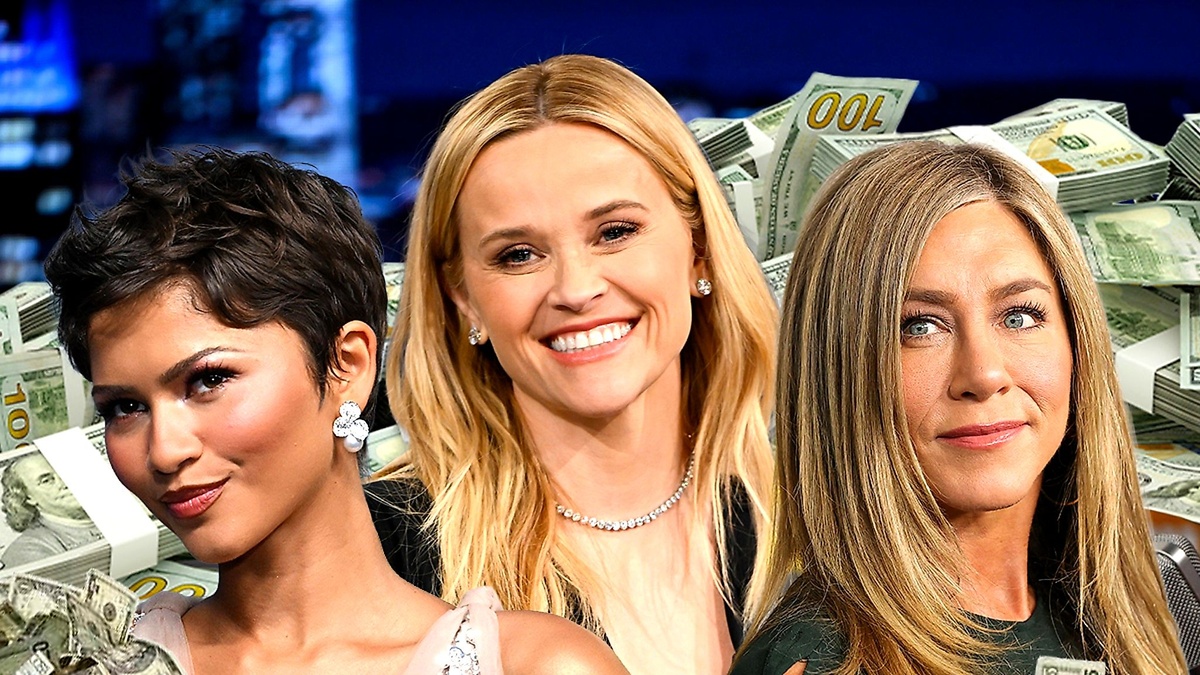
Reese Witherspoon's $2M per episode deal blows Hollywood's pay norms
The revelation that Zendaya also earns $1M alongside Witherspoon's $2M, sent shockwaves through Hollywood's contract standards and hinted at a new era of star power.
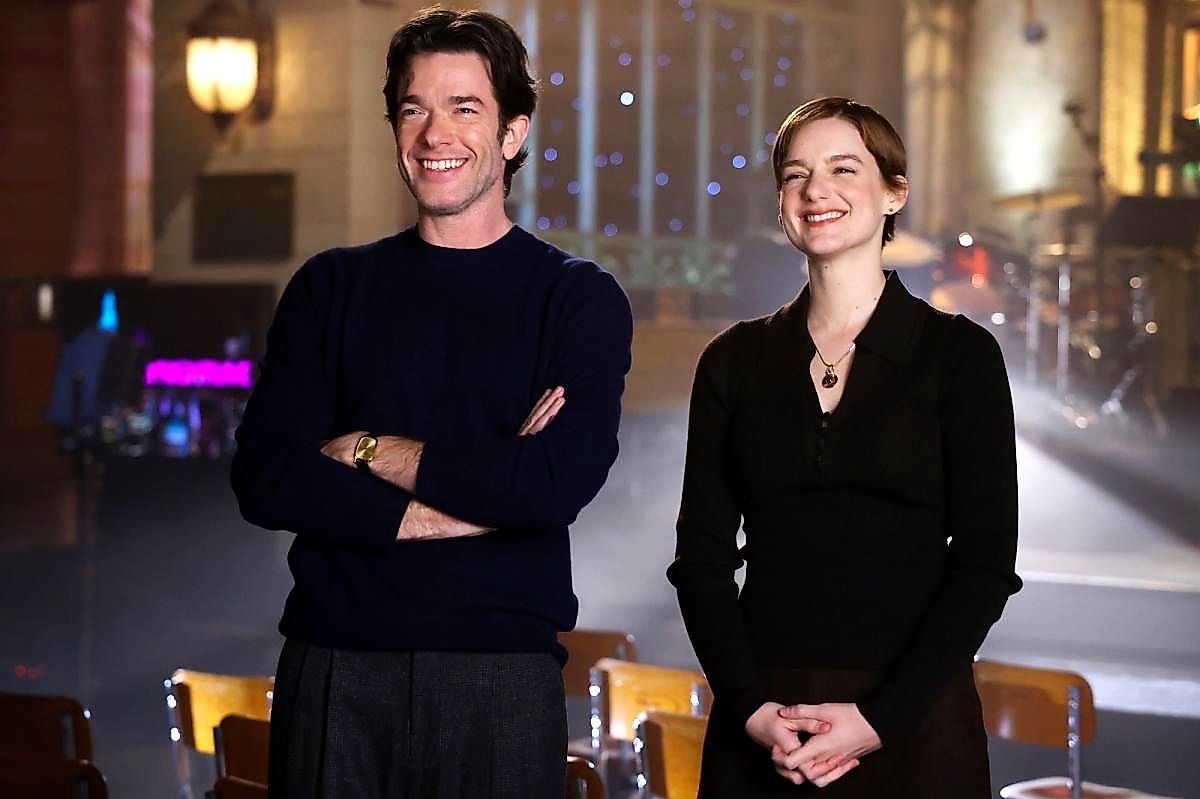
John Mulaney's 7th SNL Host Gig Drops New York Musical, Fans Are Shocked
Mulaney jokes that the New York Musical will feature a lobster-themed chorus, a detail that has fans buzzing.
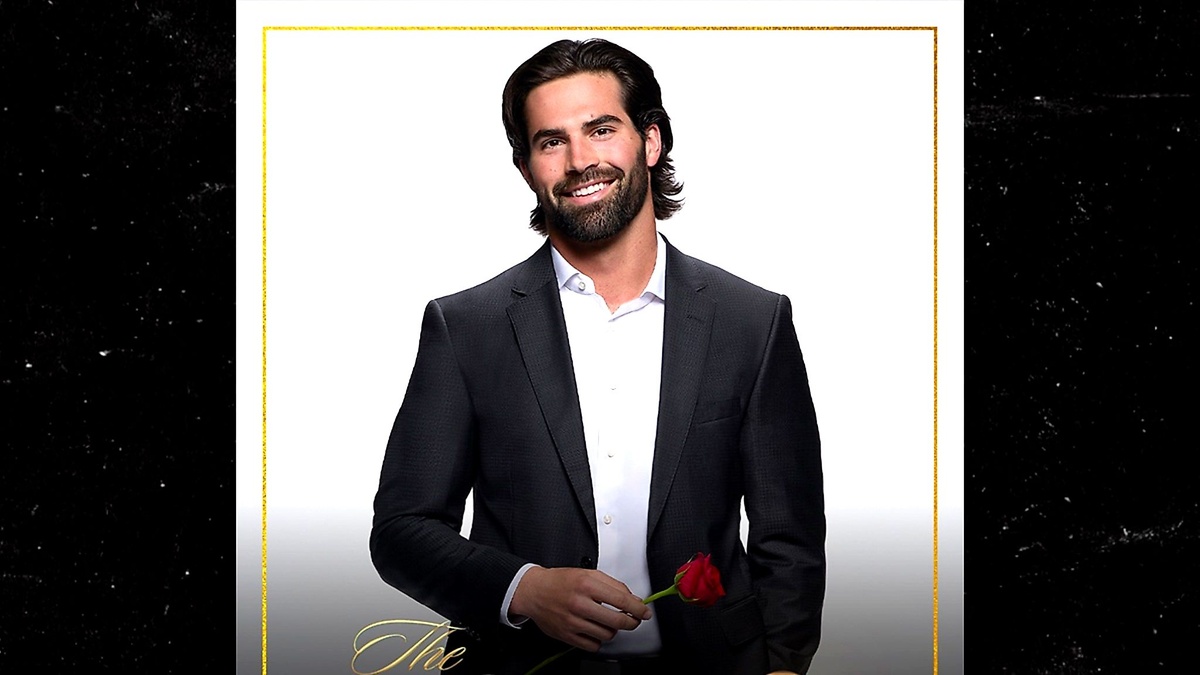
Sam Hartman's 27‑Year‑Old QB Switches to The Bachelor, Fans Shocked
Hartman admitted he first turned down the role, but a pitch from former star Jesse Palmer won him over—and now he'll have contestants battle in football challenges.