
Reese Witherspoon's $2M per episode deal blows Hollywood's pay norms
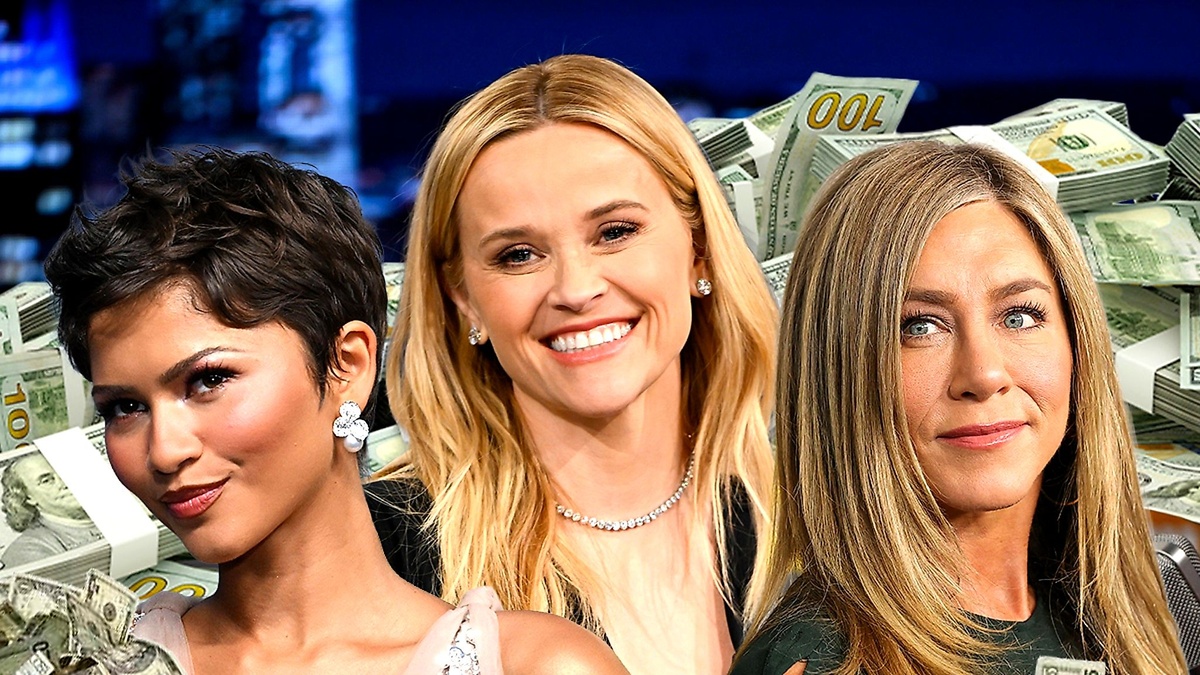
# Reese Witherspoon, Jennifer Aniston and Zendaya $2‑Million , and the latest revelations show that star power can translate into staggering per‑episode earnings.
Reese Witherspoon and Jennifer Aniston are reportedly earning **$2 million while Zendaya is making **$1 million These figures are part of a broader trend in which actors negotiate seven‑figure deals for each episode of their shows, reflecting the premium placed on talent that can anchor a series and keep viewers engaged. ## Background & Context Television’s evolution from a medium dominated by network formulas to a battleground for creative innovation has created a new ecosystem where star power and creative control intertwine.
The late‑2000s and early‑2010s were marked by the rise of streaming platforms, each vying for exclusive content that could differentiate them in a crowded marketplace. Early adopters like Netflix and Hulu began investing in original series, offering writers, directors, and actors unprecedented creative freedom.
When actors like Kevin Costner and Kate Winslet transitioned from film to television, they negotiated contracts that included per‑episode fees comparable to those in cinema.
By the early 2020s, the industry had embraced a tiered approach: actors with a proven track record of drawing audiences could command seven‑figure salaries, while emerging talents typically negotiated lower rates but with the opportunity for profit‑sharing and creative control.
The specific deals that have come to light—Witherspoon and Aniston’s $2 million , Jason Segel, and Chris Pratt, who have secured comparable rates for their respective projects.
A talent agent told that the need for stars who can anchor television shows is bigger than it’s ever been, noting that it was “unheard of that someone would get $2 million an episode.” ## What People Are Saying The revelations have sparked a flurry of conversation across fan communities.
Many viewers express surprise at the sheer scale of the figures, while others question how such resources are allocated. From a broader cultural perspective, the payments to Witherspoon, Aniston, and Zendaya have reignited debates about gender pay equity in entertainment.
While these actors—who have long been recognized for their versatility and box‑office draw—received substantial compensation, there remain other prominent actresses whose earnings lag behind their male counterparts or peers.
Fans of *The Morning Show* and *Euphoria* have taken to fan forums and subreddits to discuss how the high salaries might influence future seasons.
Some speculate that the financial success of these series could pave the way for more ambitious projects, while others caution that escalating costs may limit opportunities for emerging writers and directors.
The dialogue reflects a broader industry trend: as budgets grow, the gatekeeping power of networks and streaming platforms increases, potentially narrowing the diversity of stories that reach mainstream audiences. ## What Happens Next The high‑pay deals signal a significant moment in the television economy, and they may influence how future contracts are structured.
Networks and streaming services are likely to continue negotiating per‑episode fees that reflect the drawing power of established talent.
The financial model, where actors receive a base per‑episode fee alongside potential profit‑sharing, could become more common, giving performers a vested interest in a show’s performance and aligning creative output with business objectives. For actors, the new paradigm offers greater leverage.
With lucrative contracts, talent can negotiate for creative control, profit‑sharing, and ancillary revenue streams, including merchandise, spin‑offs, and international distribution rights.
These negotiations may result in more collaborative environments where actors play a role in shaping narrative direction and casting decisions, demanding a broader skill set from performers who traditionally focused solely on their on‑screen work.
As the industry continues to evolve, unions and guilds will likely remain engaged in discussions around fair compensation and transparency. Audience expectations may also shift, with viewers becoming more discerning and holding shows to higher artistic standards.
The television landscape stands on the cusp of a new era where star power and creative ambition converge, and the ripple effects will shape everything from contract negotiations to the stories we watch at night.
At a Glance
- Record $2M per episode for Witherspoon and $1M for Zendaya signals shift to high‑pay, short‑season models.
- Industry trend: star‑driven contracts now include performance‑based bonuses and creative control, reshaping network economics.
- Fans react with mix of awe and concern over budget implications, sparking debate on equity and future of diverse storytelling.
Why It Matters
Our Take
GoNews Pulse Editorial Team
This article was prepared for publication by GoNews Pulse and checked for publication requirements under our editorial standards. We review available information and correct material errors when they are identified.
Quick Answers
- What is the latest update on this story?
- The revelation that Zendaya also earns $1M alongside Witherspoon's $2M, sent shockwaves through Hollywood's contract standards and hinted at a new era of star power.
- Who is this story about?
- This article covers developments related to Reese Witherspoon's $2M per episode deal blows Hollywood's pay norms. GoNews Pulse's editorial team monitors the story and updates the article as new verified information becomes available.
- Where can I read more about celebrity news?
- GoNews Pulse publishes original reporting on celebrity news and related entertainment news. Visit the homepage or browse the section dedicated to this story for the latest coverage.
More From This Section
John Mulaney's 7th SNL Host Gig Drops New York Musical, Fans Are Shocked
Mulaney jokes that the New York Musical will feature a lobster-themed chorus, a detail that has fans buzzing.
Sam Hartman's 27‑Year‑Old QB Switches to The Bachelor, Fans Shocked
Hartman admitted he first turned down the role, but a pitch from former star Jesse Palmer won him over—and now he'll have contestants battle in football challenges.
Brooks Nader's 29-Year-Old Jet Grounded by FAA Chaos, Fans Stuck
Nader's peace-sign selfie at LaGuardia promised a quick Baton Rouge arrival, but a nationwide FAA ground stop turned her trip into a tense standoff.