
Shannen Doherty’s 1994 Exit from 90210 Shakes Show, Openness Key
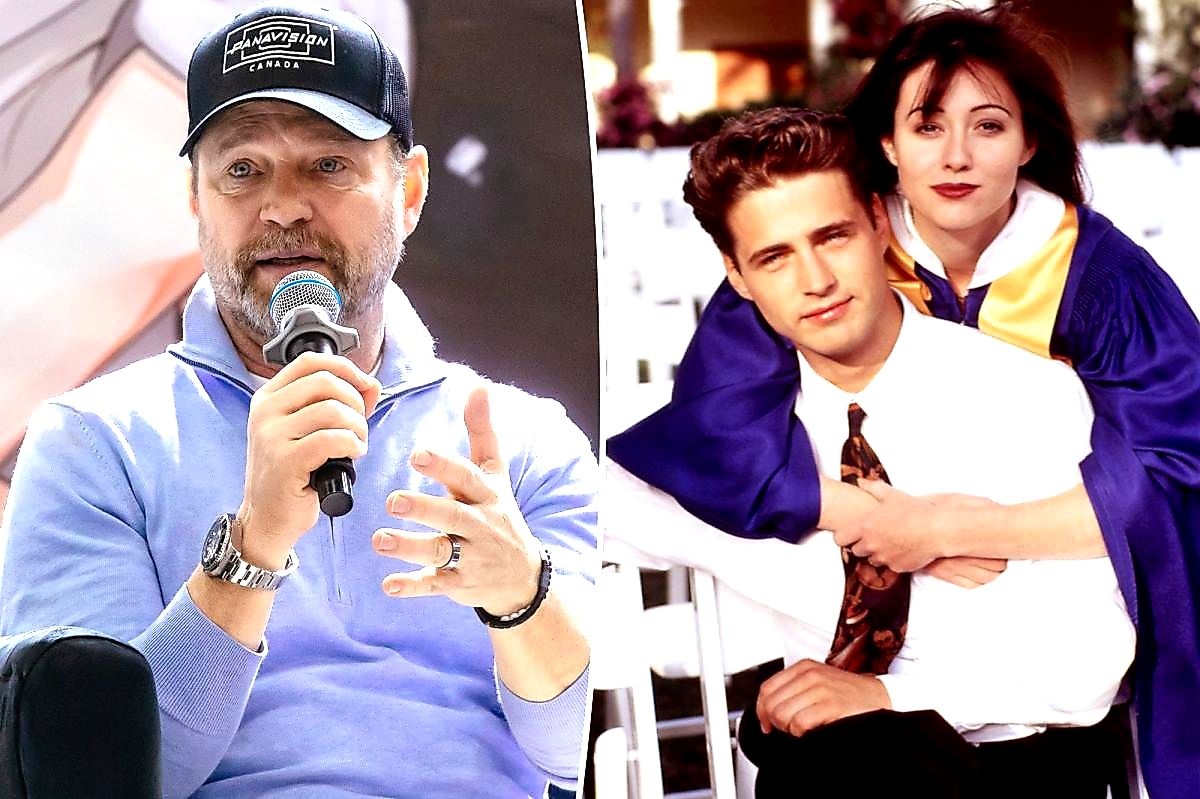
# Shannen Doherty’s Exit: Jason Priestley Says Openness Might Have Saved Her Career Shannen Doherty, the fiery twin sister of Jason Priestley’s Brandon on the hit teen drama *Beverly Hills, 90210*, left the series after its fourth season, a decision that rippled through the show’s ten‑season run.
In a rare moment of reflection, Priestley shared that if Doherty had been more candid about the turmoil in her personal life—especially her marriage to actor Ashley Hamilton and the illness of her father—production might have found a different path to keep her on set.
For fans who grew up watching the glossy façade of Southern California’s most beloved family, Doherty’s abrupt departure still feels abrupt and heartbreaking. The show continued its run for six more seasons, though opinions varied about the impact of her departure.
Priestley’s new perspective offers a fresh lens on a drama that has long been dissected for its behind‑the‑scenes clashes.
The story matters because it rewrites a chapter of early 1990s television history, illustrating how personal struggles can collide with corporate expectations, and how a lack of transparency can leave even the most cherished talent on the wrong side of a pivotal decision.
In a landscape that now prizes authenticity, Priestley’s hindsight invites a conversation about mental health, support systems, and the human cost of celebrity culture. ## Background & Context *Beverly Hills, 90210* debuted in 1990, quickly cementing itself as a cultural touchstone.
Brandon and Brenda Walsh, the central sibling duo, drove the narrative for the first several seasons. Doherty’s portrayal of Brenda was noted for its intensity, and the chemistry between her and Priestley was praised by audiences and critics alike.
Despite the on‑screen bond, behind the scenes tensions simmered. Doherty’s personal life, particularly her marriage to then‑husband Ashley Hamilton, became increasingly strained.
In an episode of her own podcast *Let’s Be Clear with Shannen Doherty*, Doherty explained that “toward my last season, I was in a really horrible marriage, and there were things that were transpiring in that marriage that made it really hard for me to consistently be on time for work.” She also revealed her father’s severe illness, adding layers of stress that made daily responsibilities overwhelming.
The combination of late arrivals, perceived unprofessionalism, and escalating personal chaos culminated in a decision that Priestley later described as “scary.” He recalled that “we were going to lose that.
As much as we knew it was going to impact her life and her career, we knew it was going to impact our show as well.” The producers, led by Aaron Spelling, concluded that letting Doherty go was the only viable option, a choice Priestley described as “not one that was taken lightly.” ## What People Are Saying During a recent interview on Pete Ferriero’s *The Slice of Life Show*, Priestley offered a new take: “There was never an issue between her and I specifically,” he said, adding that he “loved Shannen.
I loved working with her. She was a great actress.
She was a great scene partner.” He emphasized that his fond memories of Doherty were not marred by any personal conflict. Priestley also reflected on the broader implications of the decision.
“I feel like, given the information that we had, we made the only choice that we could,” he said.
“Had Shannen been more forthcoming about what was happening with her in her life at that point in time, I think we could have made a different choice.” He underscored that the lack of openness, rather than the behavior itself, was the critical missing element. Doherty’s own recounting adds a layer of poignancy.
On her podcast, she admitted she wished someone had sat her down and urged her to “get your s–t together” before the final blow. Yet she also acknowledged she could have been more transparent.
“I didn’t even want to leave the house because I was scared that [Hamilton] would go and get drugs,” she explained. The conversation hints at the deep personal toll that likely fueled her on‑set challenges.
After Doherty’s passing in July 2024, Priestley honored her on Instagram, writing, “Shocked and saddened to hear about the passing of my friend Shannen. She was a force of nature and I will miss her.
Sending love and light to her family in this dark time.” The tribute, and the subsequent discussion about the show’s later seasons, shows how Doherty’s legacy remains integral to the series’ history. ## What Happens Next The conversation sparked by Priestley’s admission raises questions about how production teams today handle the personal crises of their talent.
Many contemporary shows now employ mental‑health professionals, establish more robust support systems, and encourage open dialogue. Whether *Beverly Hills, 90210* could have benefited from such measures remains speculative, but the narrative encourages a reevaluation of past industry practices.
Priestley’s recent appearance on Jennie Garth’s *9021OMG* added another dimension to the story. He recalled once pleading with executive producer Aaron Spelling to end the series while it still topped the charts.
Spelling allegedly responded, “They’re going to pull me off this set in a body bag,” insisting the show never end. Priestley left the series at the beginning of season nine, a decision that, like Doherty’s exit, marked the end of an era for the show.
For fans and scholars of television history, these revelations prompt a deeper look at the interplay between personal adversity and professional ambition. The narrative also invites a broader dialogue about accountability, compassion, and the ethics of storytelling—both on and off the screen.
As the entertainment industry continues to grapple with these themes, the story of Shannen Doherty and Jason Priestley serves as a poignant reminder that behind the glitter of fame lie human stories that demand empathy and understanding.
The legacy of *Beverly Hills, 90210* lives on, not only in reruns and fan conventions but also in the conversations it sparks about the cost of success and the importance of being seen.
At a Glance
- Shannen Doherty left the hit series *Beverly Hills, 90210* in 1994 after a turbulent personal life involving her marriage to Ashley Hamilton and her father’s illness.
- Jason Priestley argues that if Doherty had been more transparent about her struggles, the show could have found a way to keep her on set.
- The story highlights how modern productions now employ mental‑health professionals and robust support systems to address on‑set challenges.
Why It Matters
Our Take
GoNews Pulse Editorial Team
This article was prepared for publication by GoNews Pulse and checked for publication requirements under our editorial standards. We review available information and correct material errors when they are identified.
Quick Answers
- What is the latest update on this story?
- Priestley revealed that Shannen’s departure was due to her husband “getting drugs” and that openness might have saved her career.
- Who is this story about?
- This article covers developments related to Shannen Doherty’s 1994 Exit from 90210 Shakes Show, Openness Key. GoNews Pulse's editorial team monitors the story and updates the article as new verified information becomes available.
- Where can I read more about celebrity news?
- GoNews Pulse publishes original reporting on celebrity news and related entertainment news. Visit the homepage or browse the section dedicated to this story for the latest coverage.
More From This Section
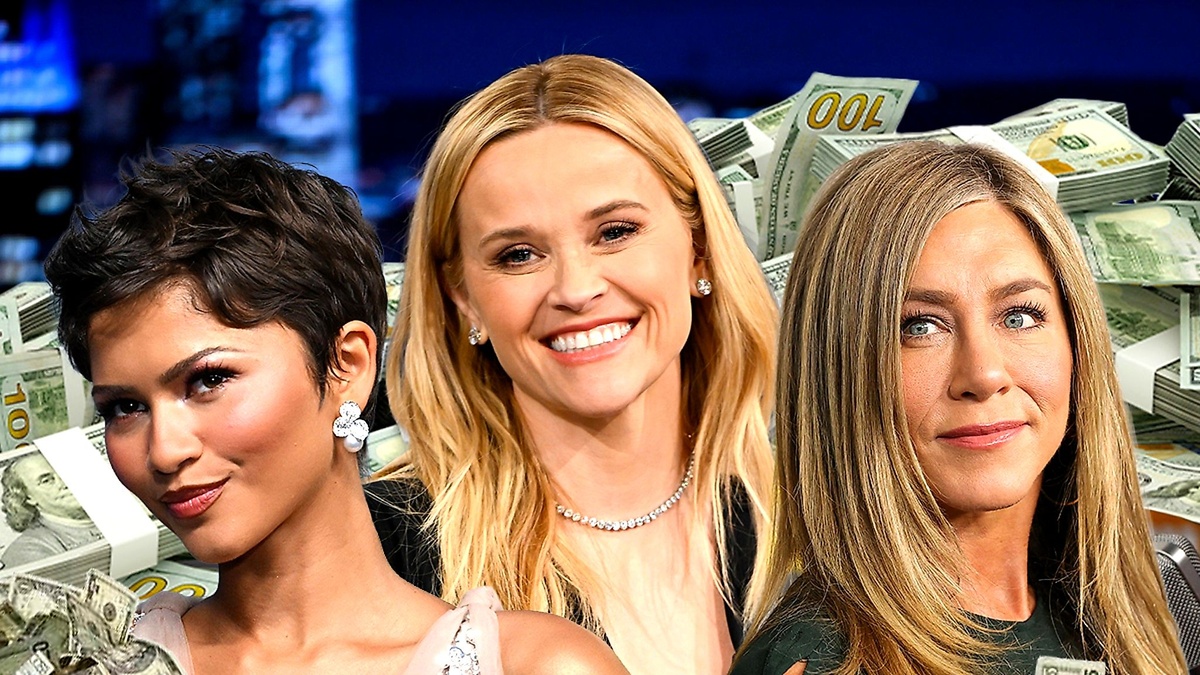
Reese Witherspoon's $2M per episode deal blows Hollywood's pay norms
The revelation that Zendaya also earns $1M alongside Witherspoon's $2M, sent shockwaves through Hollywood's contract standards and hinted at a new era of star power.
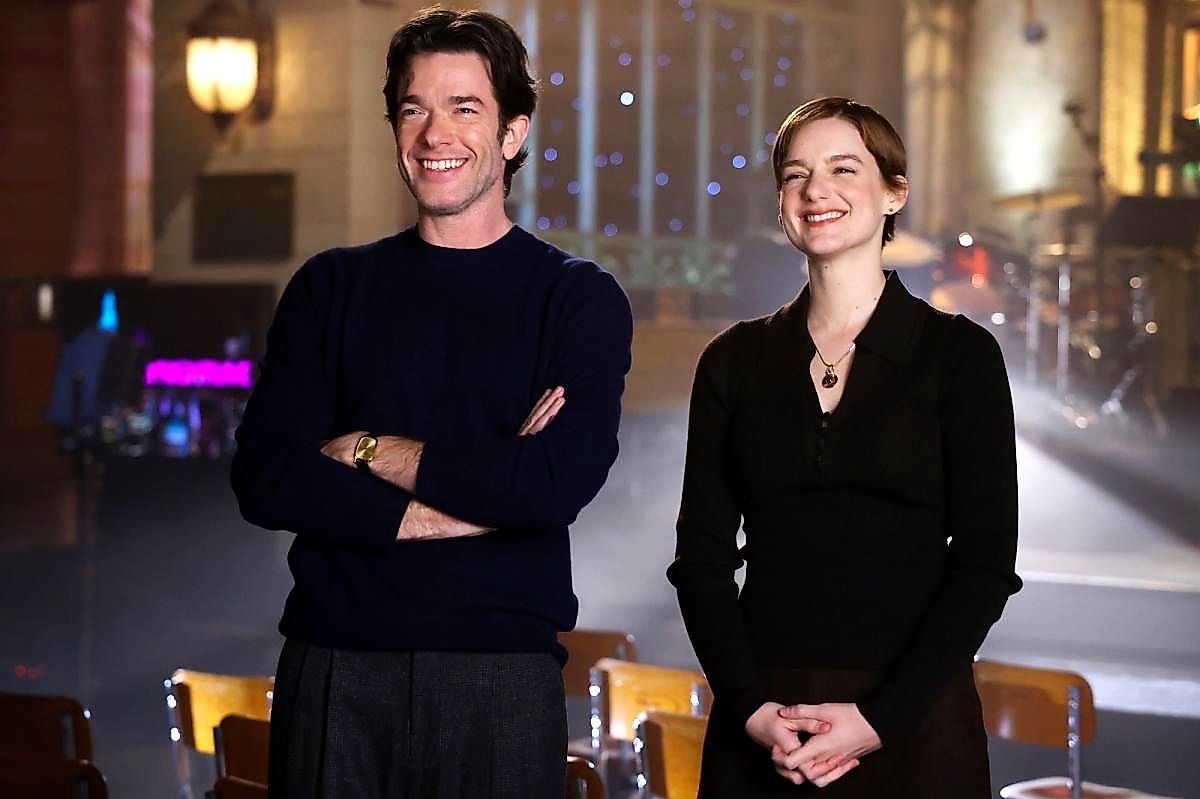
John Mulaney's 7th SNL Host Gig Drops New York Musical, Fans Are Shocked
Mulaney jokes that the New York Musical will feature a lobster-themed chorus, a detail that has fans buzzing.
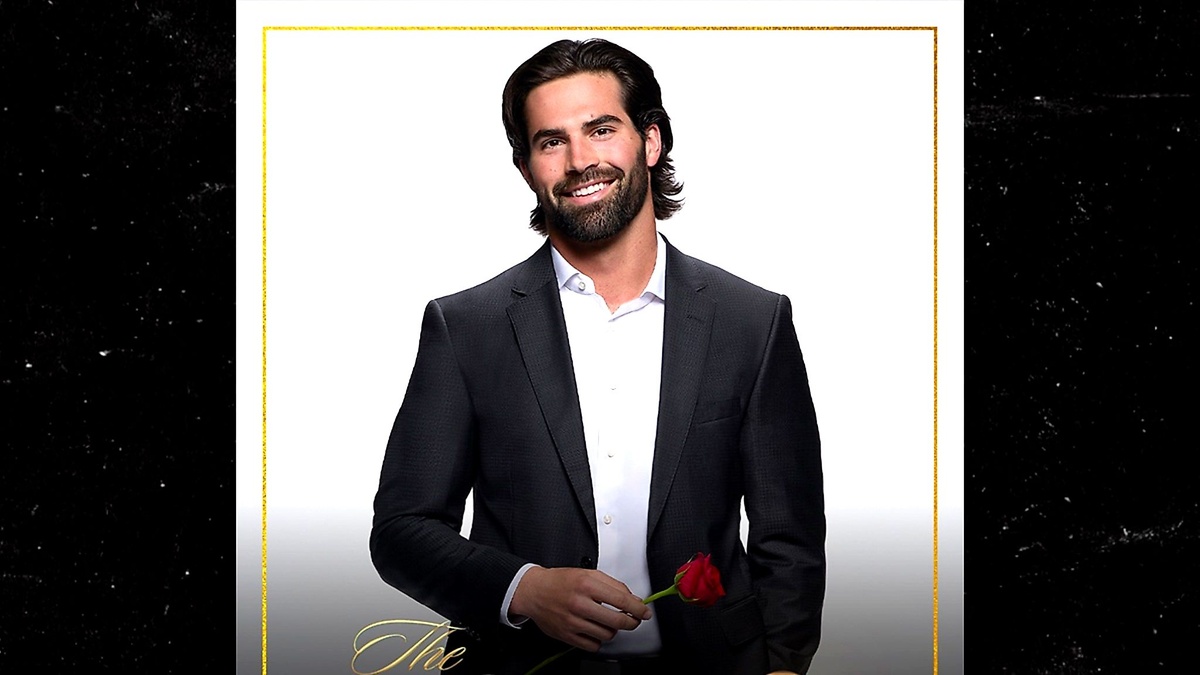
Sam Hartman's 27‑Year‑Old QB Switches to The Bachelor, Fans Shocked
Hartman admitted he first turned down the role, but a pitch from former star Jesse Palmer won him over—and now he'll have contestants battle in football challenges.