
Shane Gillis's 38-Year-Old SNL Monologue on Short Neon Shorts Shocks
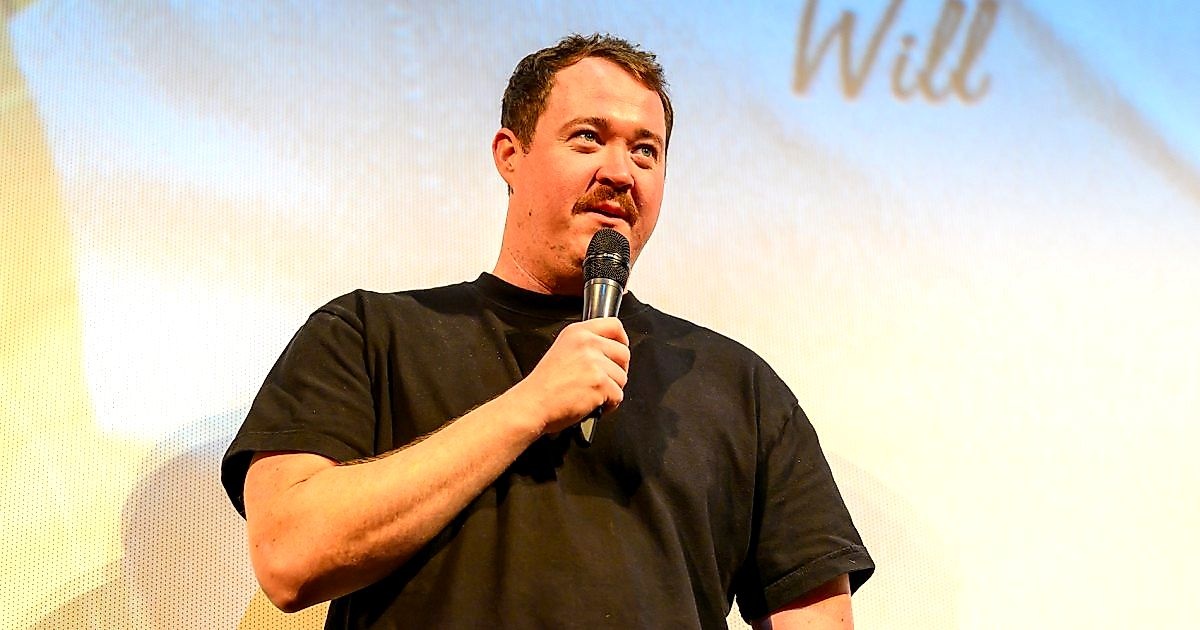
# **Shane Gillis Blames SNL After Gym‑Wear Monologue Sparks Outrage** The former SNL cast member stunned audiences last October when he called women who work out in short neon shorts “whores.” The comments landed on live television, igniting a flurry of criticism that swept social media, the internet, and the comedy world.
Now, 38‑year‑old Shane Gillis is saying the show never vetted his words and that the backlash is a reflection of a changing cultural climate.
In a candid appearance on the Friday, November 13 episode of “The Joe Rogan Experience,” Gillis explained that the writers and producers at Saturday Night Live did not give his monologue a green light.
“They don’t approve it,” he told Rogan, adding that the crew could have shut the segment down if they had known what he was about to say.
His remarks were intended as a joke—“a solid C minus of a monologue, but I promise there’s no controversy.” The disconnect between his intention and the audience’s reaction became a defining moment for the comedian and the network.
Gillis’ remarks sparked instant backlash online, with many Hollywood stars speaking out in opposition of the comedian’s remarks in the wake of the Jane Doe Cornell gang‑rape allegations.
Amid the storm, Gillis’s history with SNL—including a 2019 firing after a separate podcast controversy—loomed large, adding a layer of scrutiny to his defense. ## Background & Context Shane Gillis first burst onto the comedy scene as a stand‑up performer with a sharp, unapologetic style that resonated with a niche audience.
He was hired by SNL in 2018, a move that raised eyebrows given his past on a controversial podcast.
His tenure at the sketch show was brief; after four days on air, he was dismissed following a resurgence of his earlier remarks, which the network had claimed were “unacceptable.” That episode set a precedent: the show is known for rigorous script approval and a culture that discourages content deemed offensive or harmful.
The October 10 monologue, in which Gillis critiqued women’s workout attire, was produced in a high‑stakes environment where every line is reviewed by writers, producers, and network executives. Yet Gillis maintained that SNL personnel never saw the script he delivered.
“They didn’t approve it,” he insisted. This claim has fueled speculation about internal communication breakdowns and the degree of creative freedom granted to cast members.
Some industry insiders suggest that even seasoned comedians may misread audience expectations, especially when humor crosses into sensitive territory. The comments themselves were graphic and demeaning.
Gillis described women in neon shorts as “whores,” criticized their appearance, and made explicit references to the fit and visibility of their clothing. He framed the observation as a matter of personal judgment, yet the language employed was widely seen as dehumanizing.
By labeling the attire as a sign of sexual availability, he inadvertently aligned himself with a narrative that has long been scrutinized for perpetuating harmful stereotypes about women’s bodies and choices. ## What People Are Saying The reaction from the public and industry peers was swift and polarized.
Dan Levy, known for his role on “Schitt’s Creek,” took to Instagram to denounce Gillis’s remarks. “Women wearing short shorts to the gym does not make them whores,” Levy said, adding that the problem lies with men who call them whores, not the women themselves.
He emphasized that the responsibility for objectification falls on the audience’s perspective rather than the performers’ wardrobe choices. Levy went on to criticize the broader cultural environment that allows such comments to slip through live television.
“This is not a women’s issue. This is an everybody issue,” he continued, pointing out that objectification in media perpetuates a climate where women are treated as objects and, by extension, as targets for sexual assault.
He called for men to stand up against misogynistic narratives, framing the debate as a call for collective responsibility. In contrast, several seasoned comedians offered support for Gillis, arguing that the joke was taken out of context.
Dana Carvey, a veteran of the same sketch show, appeared on the “Fly the Wall” podcast with David Spade to defend Gillis. Carvey suggested that the comedian’s remarks were a typical joke and that the backlash was disproportionate.
“When you say jokes, you’re not literally saying women are whores,” he said, underscoring a belief that comedic hyperbole should be understood as satire rather than literal condemnation. David Spade echoed a similar sentiment, hinting that the audience’s reaction might have been a product of the current social climate.
“The times,” Spade said, “and . What was once seen as edgy humor can now be deemed offensive.” He implied that Gillis’s attempt to push boundaries had been misaligned with contemporary expectations, a point that many in the comedy community share.
Gillis’ own words on the Joe Rogan Experience reflected his frustration and a recognition that the joke fell flat. “[It] obviously had a lot to do with the climate,” he said.
He recounted that after his first firing in 2019, he retained social media accounts, whereas this time he deleted them immediately.
The comments suggest a growing awareness among comedians of the shifting boundaries in comedy, as well as a personal calculation that the cost of staying online outweighed the benefits. ## What Happens Next The immediate aftermath has already reshaped the conversation around live comedy and the responsibilities of networks.
The network’s decision to let a stand‑up comedian deliver unscripted material on live television has come under new scrutiny, and it may lead to stricter oversight or a shift toward more pre‑approved content. For Gillis, the path forward is uncertain.
His reputation among peers has been both bolstered and tarnished. While some veterans defend his comedic style, others question whether his brand of humor is viable in an era that increasingly penalizes perceived misogyny.
Whether he will re‑enter the comedy circuit, appear on television, or pivot to other media remains to be seen. He has previously stated that he will not apologize for his remarks, a stance that could further alienate potential collaborators.
The broader industry will likely use this incident as a learning moment. Show producers, writers, and talent managers are reassessing the boundaries of comedic content, especially in live formats that reach millions instantly.
Discussions about gender sensitivity, consent, and the role of comedy in reflecting societal values are gaining traction. While audiences still celebrate edgy humor, there is a growing expectation that comedians engage responsibly, acknowledging the impact of their words on marginalized communities.
In the weeks ahead, fans and critics will watch closely as Gillis navigates the fallout.
Social media platforms will continue to serve as the barometer for public sentiment, and the conversation may extend beyond comedy to touch on larger themes of accountability, free expression, and the evolving landscape of entertainment.
For now, the moment remains a stark reminder of how quickly a joke can spiral into controversy when it treads on sensitive ground.
At a Glance
- Gillis’s unscripted monologue about women in neon shorts sparked outrage and he insists SNL never approved it.
- The backlash swept social media, industry figures, and calls for tighter oversight and gender‑sensitive content on live TV.
- The incident reignites debate over comedic boundaries, free expression, and evolving standards of network programming.
Why It Matters
Our Take
GoNews Pulse Editorial Team
This article was prepared for publication by GoNews Pulse and checked for publication requirements under our editorial standards. We review available information and correct material errors when they are identified.
Quick Answers
- What is the latest update on this story?
- Gillis says SNL never green‑lit his gym‑wear joke, insisting the crew could have stopped him – a claim that fuels a fight over comedy’s limits.
- Who is this story about?
- This article covers developments related to Shane Gillis's 38-Year-Old SNL Monologue on Short Neon Shorts Shocks. GoNews Pulse's editorial team monitors the story and updates the article as new verified information becomes available.
- Where can I read more about celebrity news?
- GoNews Pulse publishes original reporting on celebrity news and related entertainment news. Visit the homepage or browse the section dedicated to this story for the latest coverage.
More From This Section
Russell Brand's 10-Year Jail Sentence Shakes 2014 Lohan Interview
In the resurfaced clip, Brand called police cells “boring” and admitted he sought drugs, a confession that jolted a new scandal.

Kathy Ireland’s Yacht Explodes 3 Miles Off Santa Barbara—Rescue
Kathy Ireland says, “Engine exploded and a fire quickly melted all navigation equipment and survival raft!” as the yacht burned 3 miles off Santa Barbara.
Joe Jonas' 2025 Tour Turmoil Shuts Tatiana Gabriela's Love
A close source reveals the split was sealed after Jonas's 2025 tour dates clashed with Gabriela’s modeling commitments, leaving fans stunned.