
Shane Gillis' 38-Year-Old Monologue Shocks SNL Fans and the Internet
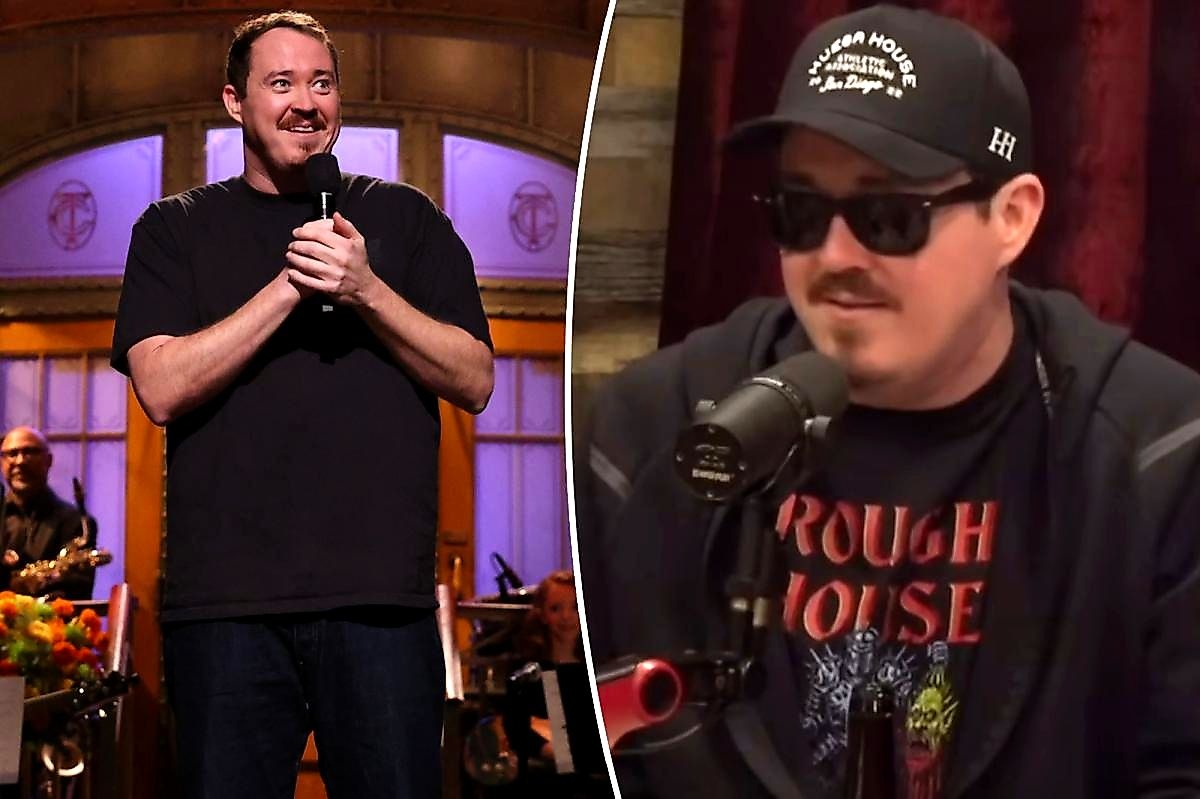
# Shane Gillis Promises No Fuss, Yet His 38-Year-Old Monologue Fires Up The 38‑year‑old comedian who once walked out of *Saturday Night Live*’s doorstep has found himself back on the same stage, only to ignite a storm that left the audience, his peers, and the internet scrambling for answers.
After promising the NBC executives a clean bill of humor, Gillis delivered a monologue on October 10 that included a joke about women’s gym attire—an observation that many deemed offensive, sparking a swift backlash across social media and within the comedy community.
Gillis made the claim on the *Joe Rogan Experience* podcast, explaining that the *SNL* producers had not vetted his material beforehand.
“They didn’t approve it,” he said, “and I could have been shut down.” He added that before stepping on the stage he had told the show’s team that the monologue would “not cause problems,” even though he acknowledged it wasn’t his finest work.
“I’m giving you a solid C‑minus of a monologue, but I promise there’s no controversy,” he recalled, a statement that has become a centerpiece of the debate that follows.
The joke that set the fire in the internet’s furnace came when Gillis remarked, “I haven’t been to the gym in so long, I didn’t know women just dress like whores now?” The comment was met with immediate condemnation.
Dan Levy of *Schitt’s Creek* filmed a video labeling the remark a misogynist jab, while former *SNL* cast member Ego Nwodim posted a gym selfie with the caption “whore reporting for duty,” a pointed satire on the situation.
Dana Carvey, a former alum of the show, defended the joke as “just a joke,” but the wave of criticism was swift and sweeping. ## Background & Context Shane Gillis first made headlines in 2019 when he was fired from *SNL* mere days after being announced as a new cast member.
Footage of past recordings surfaced, revealing a pattern of racist and homophobic slurs that the network deemed unacceptable. The decision sent shockwaves through the comedy world, prompting conversations about past behavior and its impact on future opportunities.
In February 2024, the same network offered Gillis a one‑night hosting role, a gesture that some saw as a chance for redemption, while others viewed it as a risky gamble. The monologue tradition on *SNL* is steeped in meticulous preparation.
Hosts typically submit scripts weeks in advance, allowing the writers’ room to refine jokes, vet content, and coordinate with the production team. Any deviation from that process is unusual, and for Gillis to present an unapproved set—especially one that touches on sensitive topics—was an abrupt break from protocol.
The show’s producers, used to a collaborative environment, were reportedly surprised that a joke about women in gym wear could be seen as a potential flashpoint. Their surprise was amplified by Gillis had previously warned them of any controversy, a promise that now appears incongruent with the outcome.
The stakes were higher than a routine host monologue. The *SNL* audience is no strangers to political satire and boundary‑pushing humor, yet there remains a line between edgy and offensive.
Gillis’s attempt to walk that line, or perhaps cross it, highlights a broader industry tension: how do comedians balance boldness with respect, and what happens when the balance tips?
The incident forces the show, the audience, and the comedian himself to confront how far the genre can travel without alienating key demographics or provoking public outrage. ## What People Are Saying Within hours of the episode’s airing, comments on social media exploded.
Dan Levy’s Instagram video—where he called the joke a “misogynist insult”—captured thousands of views, sparking a flood of retweets and replies from viewers who felt the remark perpetuated a harmful stereotype.
Ego Nwodim’s light‑hearted response, juxtaposing her gym selfie with the phrase “whore reporting for duty,” showed how the humor community was split: some saw the joke as an absurd, harmless over‑the‑top remark, while others recognized it as a dangerous trope that reduces women’s bodies to an object of contempt.
Dana Carvey, known for his deadpan one‑liners, stood by Gillis, arguing that the humor was intended to be “just a joke.” His stance underscored a divide within the industry: a small but vocal group that prioritizes artistic freedom, versus a larger group that stresses the responsibility of public figures to avoid perpetuating harmful language.
The divide was not just among fellow comedians; it also spread to broader audiences. Some viewers posted supportive comments for Gillis, claiming that the joke was a satire of fitness culture’s sometimes superficial standards.
Others condemned the comedian for perpetuating a misogynistic narrative that could alienate a substantial portion of *SNL*’s demographic. In a move that surprised many, Gillis deleted his social media posts immediately after the backlash, a stark contrast to his handling of the 2019 controversy.
“The first time I got fired, I kept social media,” he told Rogan.
“This time, I just deleted everything immediately.” The action signaled an attempt to control the narrative by limiting his public presence, yet it also raised questions about whether a more proactive approach—such as a pre‑emptive apology—might have mitigated the damage.
The reaction from the broader comedy world has been mixed. Some industry insiders expressed sympathy for Gillis, noting that his career had already endured a significant setback.
Others emphasized that the current cultural climate demands a higher standard of accountability, especially when a public figure addresses sensitive topics.
The incident has reignited old debates about whether the entertainment industry should prioritize personal growth and second chances, or whether certain behaviors render a comedian irredeemable in the public eye. ## What Happens Next The immediate fallout is still unfolding, but several paths are likely to emerge.
From the network’s perspective, the producers may conduct an internal review of the approval process to prevent future incidents of this nature. The *SNL* writers’ room might also reassess their guidelines for host material, balancing the creative freedom of the host with the show's reputation for inclusive satire.
For Gillis himself, the road ahead is uncertain. The deletion of his social media accounts suggests a strategy of withdrawal, but a permanent break could signal the end of his on‑screen career.
Alternatively, he may choose to rebuild his public image through a candid acknowledgment of the mistake, a potential public apology, or a concerted effort to engage in conversations about misogyny and comedy.
He may also leverage the platform of *SNL* to address the broader issue of how comedians handle sensitive subjects, positioning himself as an advocate for thoughtful humor. The audience, meanwhile, will likely watch the next season with caution.
Their reactions will determine whether the show can recover its footing and retain its relevance. The episode has already become a case study in how an off‑script joke can derail an entire night of entertainment, reinforcing the need for rigorous oversight.
The fallout also serves as a reminder that even seasoned comedians must adapt to evolving cultural norms, or risk facing backlash that can eclipse their craft.
Ultimately, the episode’s legacy will hinge on the conversations it sparks—within the comedy community, across social media, and among viewers who grapple with the fine line between edgy humor and offensive rhetoric.
The industry will be watching closely, ready to learn whether a single monologue can alter the trajectory of a career, reshape a show's culture, or redefine how comedy is written and received.
The night the lights fell on *Saturday Night Live* and the controversy rose like a wildfire, many realized that comedy, while always a space for pushing boundaries, now operates under an ever‑tighter spotlight.
Shane Gillis’s story, whether a cautionary tale or a catalyst for change, will be one of the defining narratives of the season.
At a Glance
- Shane Gillis returns as SNL host, delivering an unapproved monologue that bypasses the usual vetting process.
- A joke about women’s gym attire triggers swift backlash from fellow comedians, fans, and social media users.
- The incident rekindles debate over comedic boundaries, accountability, and the possibility of redemption for former SNL cast members.
Why It Matters
Our Take
GoNews Pulse Editorial Team
This article was prepared for publication by GoNews Pulse and checked for publication requirements under our editorial standards. We review available information and correct material errors when they are identified.
Quick Answers
- What is the latest update on this story?
- Gillis claimed he’d promised no controversy, yet his joke about women’s gym attire sparked an immediate backlash that left SNL scrambling.
- Who is this story about?
- This article covers developments related to Shane Gillis' 38-Year-Old Monologue Shocks SNL Fans and the Internet. GoNews Pulse's editorial team monitors the story and updates the article as new verified information becomes available.
- Where can I read more about celebrity news?
- GoNews Pulse publishes original reporting on celebrity news and related entertainment news. Visit the homepage or browse the section dedicated to this story for the latest coverage.
More From This Section
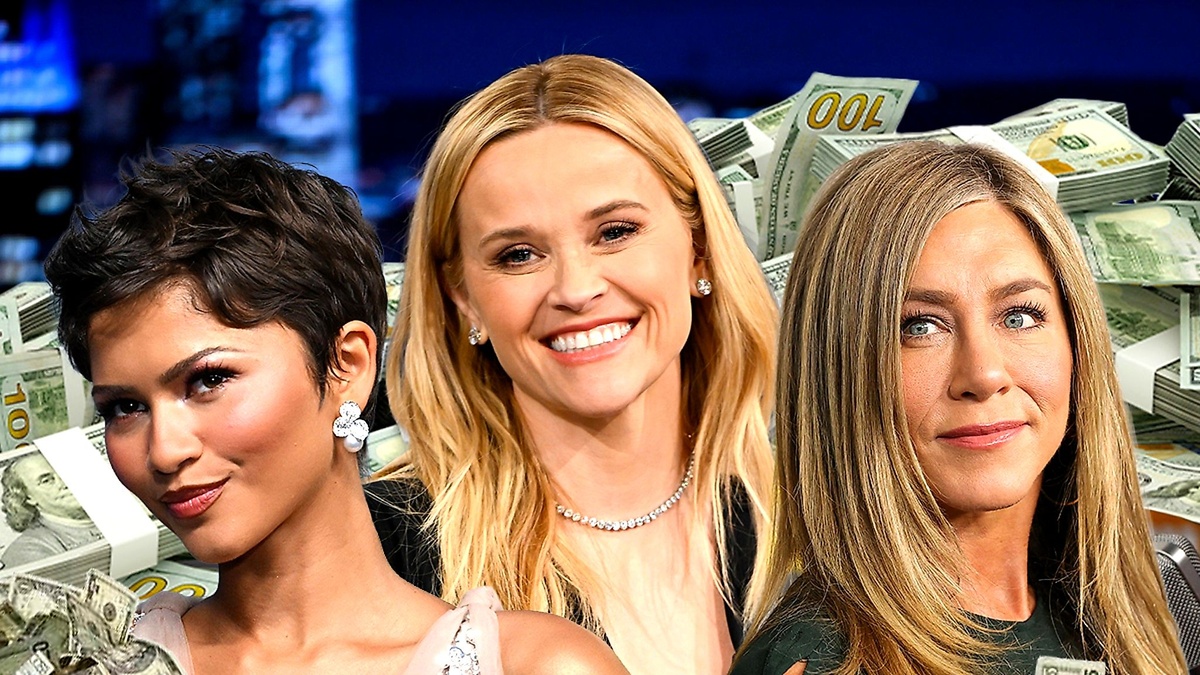
Reese Witherspoon's $2M per episode deal blows Hollywood's pay norms
The revelation that Zendaya also earns $1M alongside Witherspoon's $2M, sent shockwaves through Hollywood's contract standards and hinted at a new era of star power.
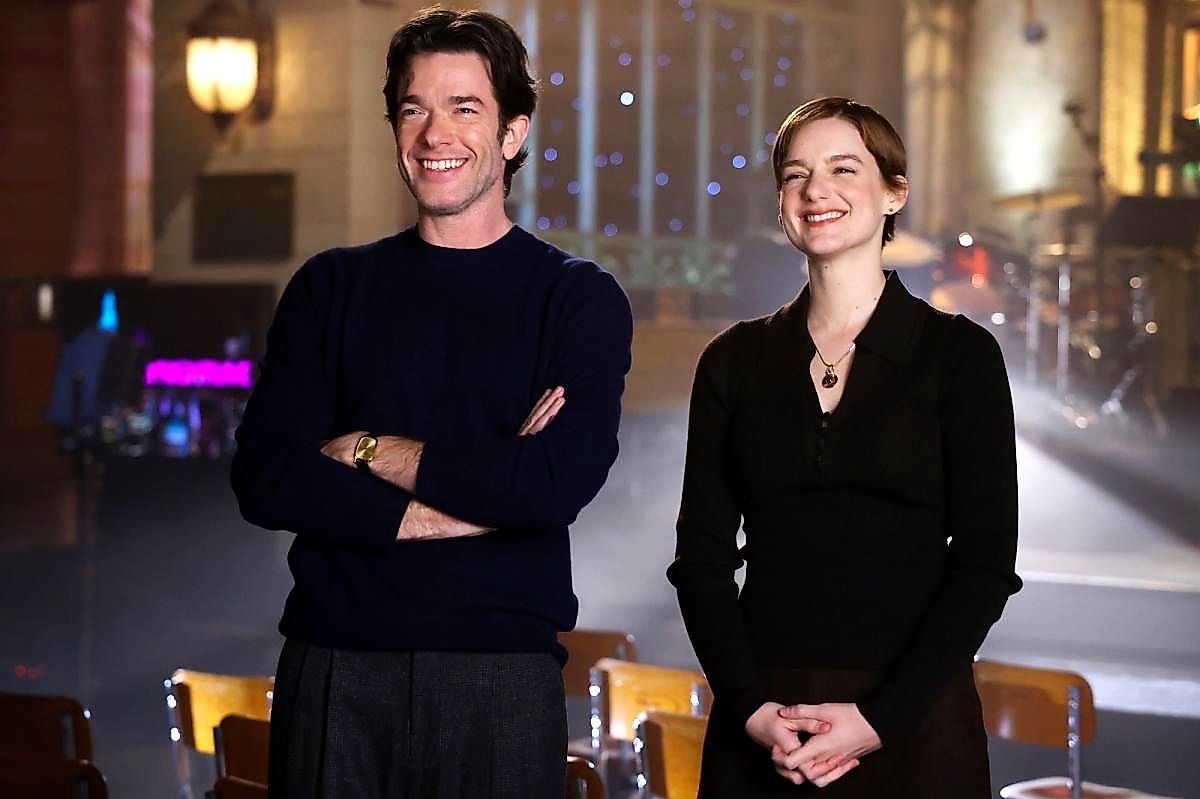
John Mulaney's 7th SNL Host Gig Drops New York Musical, Fans Are Shocked
Mulaney jokes that the New York Musical will feature a lobster-themed chorus, a detail that has fans buzzing.
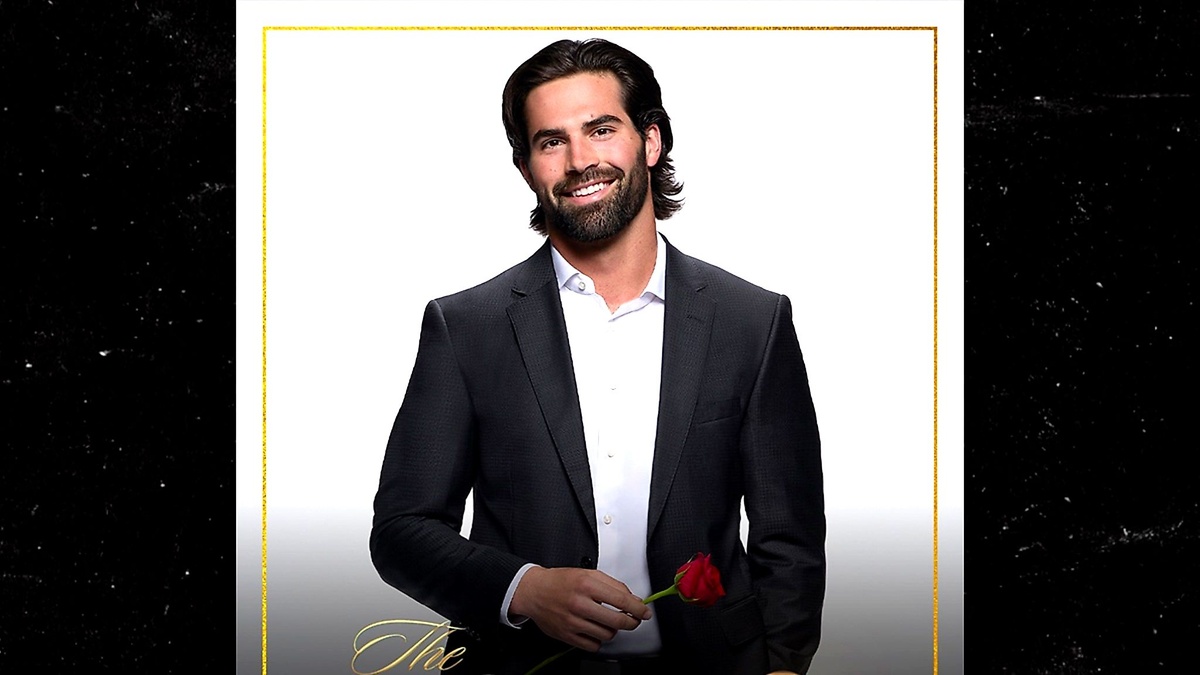
Sam Hartman's 27‑Year‑Old QB Switches to The Bachelor, Fans Shocked
Hartman admitted he first turned down the role, but a pitch from former star Jesse Palmer won him over—and now he'll have contestants battle in football challenges.