
Sass Jordan's 63-Year-Old Voice Vanishes, Fans Shattered

**Sass Jordan, Iconic Canadian Rock Voice, Passes Away at 63** In the early hours of Sunday, October 2, 2026, a quiet, gentle loss rippled through the streets of Montreal and beyond.
The late‑night call‑out from Jordan’s family—a single, heartfelt caption on her Instagram account—brought the news to a fan base that had followed her for nearly four decades.
“On Oct. 2 2026, surrounded by her loving family, Sass Jordan peacefully crossed over to the other side,” the post read, accompanied by a black‑and‑white portrait of the singer, eyes closed in a tender expression of serenity.
The brevity of the message belied the storm of grief that would unfold on social media platforms, in radio stations, and on the front rows of packed clubs across North America. Jordan’s death, announced only by the hand of her loved ones, was not accompanied by an official cause.
No press release or medical statement has yet been issued, a silence that has, paradoxically, amplified the reverence people feel for the late artist. Her catalog—though modest in volume—continues to reverberate in the playlists of classic‑rock enthusiasts.
“High Road Easy” and “Make You a Believer” have long been part of her musical legacy.
Even her debut album, “Tell Somebody,” still carries the earnest spirit that defined late‑’80s pop‑rock, showcasing her raw vocal power and songwriting acumen. **From Birmingham to Montreal: A Transatlantic Journey** Born in Birmingham, England, Sass Jordan spent her earliest years in a working‑class family that prized music as both a refuge and a rebellion.
The family’s move to Montreal when she was 12 exposed her to a bilingual culture that blended French‑Canadian indie sensibilities with the burgeoning North‑American rock scene.
As a teenager, she would spend nights listening to the likes of Bruce Springsteen, The Clash, and the nascent sound of the Pixies, all while performing in small venues around the city, her voice cutting through the smoky walls like a lighthouse.
Her first recording studio experience came when she was 17, a demo tape that would eventually land her a contract with a Montreal‑based indie label. “I remember the day I signed that contract—my hands shaking, my heart pounding.
I didn’t know what was coming, but I knew I had to keep going,” she later reflected in an interview with a local radio station in the early 1990s.
The resulting album, *Tell Somebody* (1989), was a raw, unfiltered snapshot of a young woman who was not afraid to challenge the male‑dominated rock landscape. **Breaking Ground: Awards and Recognition** Jordan’s talent was immediately recognized.
In 1989, the Canadian music awards body presented her with the Juno Award for Most Promising Female Vocalist of the Year, a nod that put her on the radar of industry insiders and listeners alike.
Three years later, after the release of *Racine*—an album that fused punk energy with poignant lyricism—she was honored as Female Rock Artist of the Year by a prominent music publication. **Cross‑Genre Collaborations** During a tour, Jordan shared the stage with the then‑upcoming drummer Taylor Hawkins, who would later become the frontman of the Foo Fighters.
Their collaboration was an early indicator of Jordan’s willingness to cross genre boundaries, a trait that would define her career. **A Cultural Touchstone in a Changing Landscape** Jordan’s impact cannot be measured solely by awards or sales.
In a time when the rock scene was dominated by grunge, alternative, and emerging hip‑hop, she carved a space that was unapologetically gritty. She balanced her family life with relentless touring, earning admiration from fans who saw in her a relatable figure navigating both stages and domesticity.
Her career also reflects a broader shift in the music industry, from the vinyl‑centric era of the late 1980s to the digital age of streaming. Jordan’s catalog has seen a steady resurgence, with her tracks frequently featured in contemporary media, from indie films to television soundtracks.
In a 2025 interview, emerging artist Lila Grey, known for her synth‑driven pop, cited Jordan as a formative influence: “She taught me that you could be fierce and still maintain a poetic touch.
She was a mentor, even if it was through her music.” **Reactions from Fans, Peers, and the Press** The first wave of tributes came almost instantly.
Across Instagram, Twitter, and Facebook, fans shared stories of the first time they heard “High Road Easy” on the radio during a summer drive, of how the song’s soaring chorus became the backdrop to their college parties, and of how Jordan’s authenticity resonated with their own journeys.
One user, a fan from Halifax, wrote, “I still hear her voice in my dreams. She was the soundtrack to my graduation day.” Within the music community, the loss was met with a chorus of condolences.
Several notable musicians posted on their own pages, offering personal memories: former *Rush* drummer Neil Peart, who had once opened for Jordan in Toronto, reflected on her “raw power that could light up a stadium.” Former *The Tragically Hip* bassist Gord Downie—who had passed away in 2017—had earlier cited Jordan as one of the few artists who could “capture the Canadian spirit in a single riff.” **Industry Impact and the Road Ahead** Jordan’s death raises questions about the future of Canadian rock and the preservation of its legacy.
With her estate still in early discussions about post‑humous releases, fans speculate that unreleased tracks, demos, and live recordings may surface in the coming months.
A posthumous compilation could offer new insights into her creative process, from the raw early recordings of *Tell Somebody* to the more polished tracks of *Racine*.
Industry insiders suggest that a curated collection of “lost songs” could be accompanied by liner notes from producers and collaborators, providing context and preserving Jordan’s artistic vision for future generations.
Additionally, a growing movement to honor Jordan’s memory has taken shape in the form of a scholarship fund aimed at supporting emerging female musicians in Canada.
The scholarship, proposed by the Canadian Music Rights Association, would offer financial assistance and mentorship to female artists in their early careers—a direct reflection of Jordan’s own journey from an undiscovered talent to a respected artist.
“Her story is what perseverance and authenticity can achieve,” said the association’s director in an interview. **Memorials and a Lasting Legacy** Local Montreal venues are already planning memorial concerts featuring artists who either shared the stage with Jordan or were influenced by her work.
A series of “Sass Sessions” will be hosted over the next few weeks, featuring acoustic performances of her hits, interspersed with spoken word tributes from friends and fellow musicians.
The first event, slated for November 12 at the iconic Palais des Festivals, will include a retrospective of her career, showcasing rare footage and behind‑the‑scenes photos from her touring days.
In the days following her death, the community has begun to celebrate Jordan’s life not only through music but also through art.
A mural of her front‑facing profile has appeared on the side of a building in Montreal’s Plateau district, painted by a local street artist who described the piece as “a tribute to the power of a voice that could cut through silence.” In Toronto, a small garden in the Queen Elizabeth Park has been dedicated to her memory, with a plaque noting her birth and death dates, and an engraved quotation from “High Road Easy” that reads, “The road ahead is bright.” **Conclusion** Sass Jordan’s passing marks the end of an era defined by a rare blend of grit, grace, and unyielding authenticity.
She was a voice that cut through the noise of a changing music industry, a woman who showed that female rock singers could command stage and studio with equal force.
Her legacy will continue to echo through the chords of her songs, the memories of fans who lived in her soundscape, and the new generation of artists she inspires.
As Canada and the world reflect on her career, the quiet strength of her voice remains the power of staying true to oneself, even when the world expects otherwise. In the quiet of the night when she crossed over, the music still plays—softly, unmistakably, and endlessly.
At a Glance
- Late‑night Instagram post by family reveals Sass Jordan’s peaceful passing at 63.
- Her 1989 debut 'Tell Somebody' and 1992 hit 'High Road Easy' remain staples in classic‑rock playlists.
- Post‑humous releases, a scholarship fund, and memorial concerts aim to preserve her legacy and inspire emerging female musicians.
Why It Matters
Our Take
GoNews Pulse Editorial Team
This article was prepared for publication by GoNews Pulse and checked for publication requirements under our editorial standards. We review available information and correct material errors when they are identified.
Quick Answers
- What is the latest update on this story?
- A single, heartfelt Instagram caption from Sass Jordan’s family announced her passing, leaving fans stunned by her quiet farewell at 63.
- Who is this story about?
- This article covers developments related to Sass Jordan's 63-Year-Old Voice Vanishes, Fans Shattered. GoNews Pulse's editorial team monitors the story and updates the article as new verified information becomes available.
- Where can I read more about celebrity news?
- GoNews Pulse publishes original reporting on celebrity news and related entertainment news. Visit the homepage or browse the section dedicated to this story for the latest coverage.
More From This Section

Jeff Goldblum's lizard‑music voice role stuns fans with quirky adventure
The film’s 10 CGI lizards play a 3‑minute symphony that Jeff Goldblum calls 'surreal', sparking buzz before the trailer drops.

Tom Cruise's $245M 'Digger' flop shatters studio record
With just $8 million opening domestically and a 60% drop in its second week, 'Digger' hauls in a record $245 million loss that Hollywood hasn't seen.
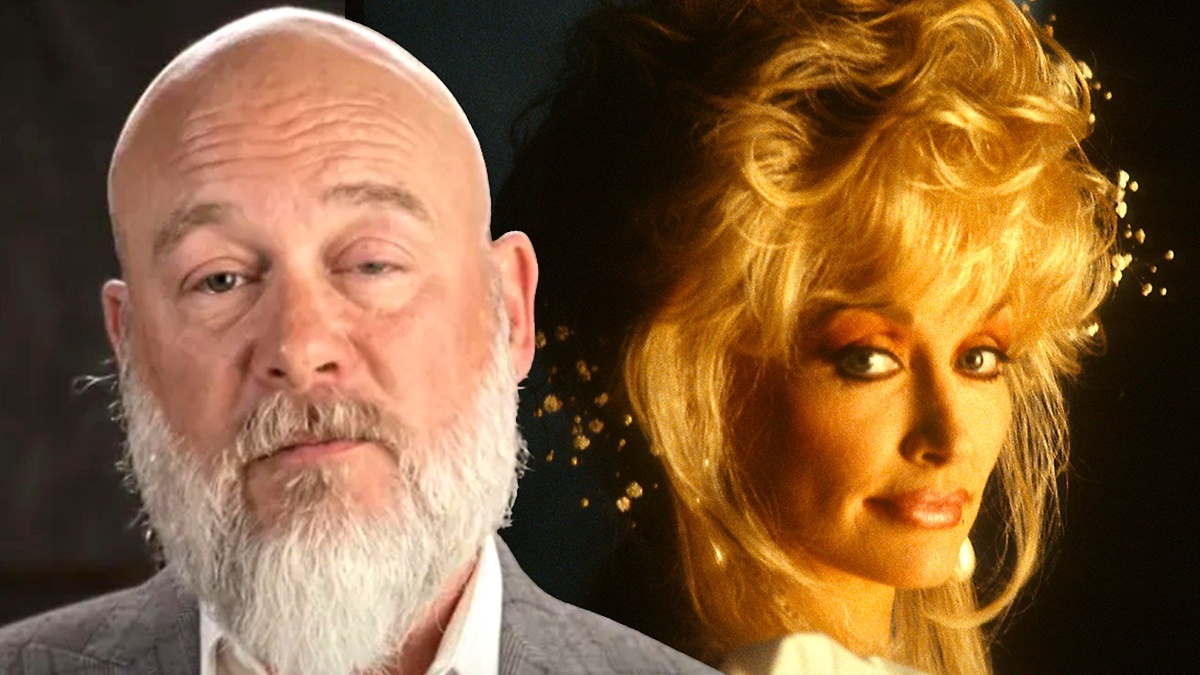
Bryan Seaver’s $251,000 debt claim threatens Dollywood order
Seaver claims the $251,000 owed for Dollywood security services has cleared, but the park argues payments were incomplete, sparking a restraining order fight.