
Bryan Seaver’s $251,000 debt claim threatens Dollywood order
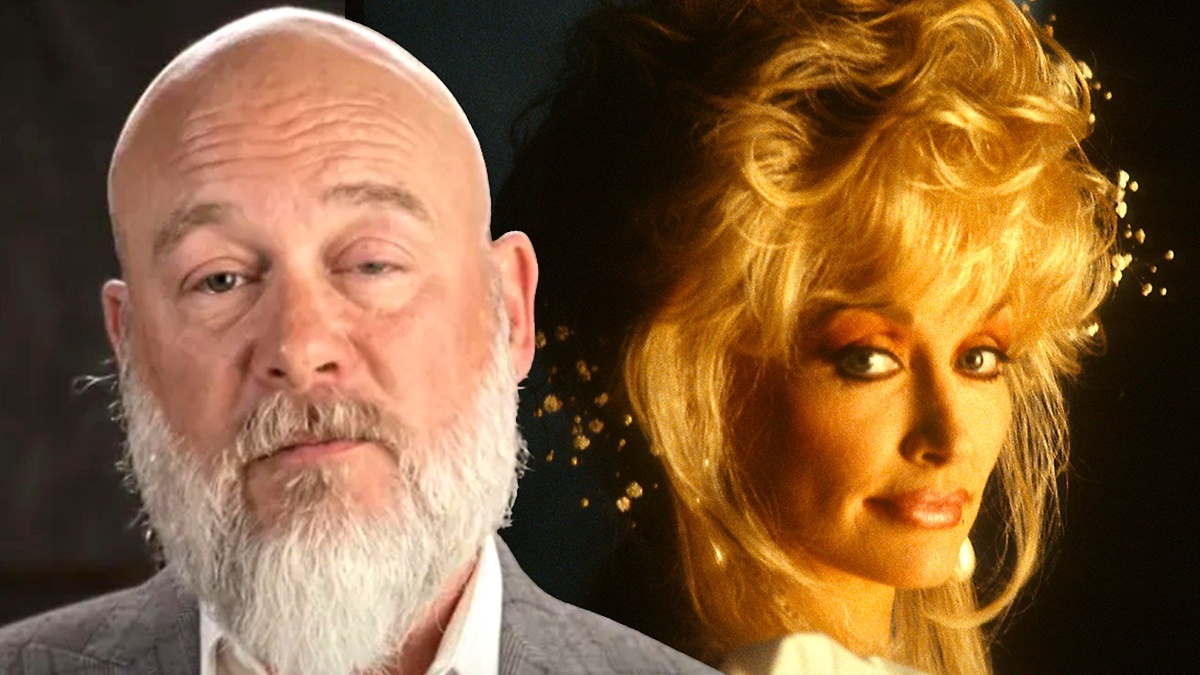
# **Bryan Seaver Says Texts on Dollywood Were Misunderstood, Not Threats** When a former employee of a country‑music powerhouse finds himself thrust into the center of a legal storm, the lines between business disputes and personal safety can blur in unexpected ways.
In a series of court documents, Bryan Seaver—a man closely tied to the legendary Dolly Parton—has taken aim at claims that he threatened violence against people connected to Dollywood and its partners.
Seaver insists the fiery exchanges were private venting sessions with Dolly’s long‑time manager, Danny Nozell, and not harassing threats. The case now hangs in the balance as a judge weighs a proposed extension of a restraining order that Seaver argues would cripple his ability to work in Nashville.
Seaver’s story unfolds against the backdrop of Dolly Parton’s passing last year. He says the heat in his texts stemmed from business frustrations that erupted after the country icon’s death, not from a desire to physically harm anyone.
While the texts contain blunt language—he threatened to “destroy the Dollywood brand” and “go after its business partners”—he insists the references were figurative, aimed at damaging reputations rather than inflicting physical harm.
Seaver’s claims carry weight because the texts were sent to Danny Nozell, a former manager who served as a close confidant to the Parton family. He says they were “private conversations with a friend” about the fallout of the late star’s legacy.
Beyond the language, Seaver’s allegations touch on a financial dispute that could have major ramifications for his security firm. Court filings show that he and his company were owed roughly $251,000 for services rendered at Dollywood properties.
He claims that once the money was paid, the threat‑laden messages were no longer relevant, and that the payments have since cleared the account.
Yet Dolly’s business interests argue that Seaver’s tone and threats posed a danger to staff and operations, prompting the request for a restraining order that would bar him from entering Dollywood premises.
Seaver, however, denies ever intimidating workers and points out he had not visited the park in more than a decade. ## Background & Context Dolly Parton’s death in 2024 sent ripples through the entertainment industry, but its most profound impact was felt at Dollywood, the amusement park and entertainment hub in Pigeon Forge, Tennessee.
The park, co‑owned by Parton and her business partners, has long been a symbol of the singer’s entrepreneurial spirit. Bryan Seaver, a former security supervisor and business consultant, was deeply embedded in the park’s operations.
When the Parton family decided to restructure management after Dolly’s passing, Seaver’s role became contentious. He alleges that the transition forced him into a precarious position where his contributions were undervalued and his contractual obligations left unpaid.
The dispute, however, escalated when Seaver began sending terse, accusatory messages to Danny Nozell, Dolly’s former manager and a trusted ally of the Parton family. The texts were recorded in court filings and contain a mixture of profanity, threats of brand damage, and demands for payment.
Seaver’s defense hinges on the notion that these were “venting” exchanges rather than legitimate threats. He maintains that he viewed Nozell as a confidante and that the conversation was personal, not a public attack on Dollywood’s operations.
Seaver’s claims are further complicated by he has not worked on Dollywood’s premises for over ten years, a detail he uses to argue that the alleged intimidation would have been impossible.
Industry observers note that business disputes in the entertainment world often become public spectacles when high‑profile figures are involved. The case raises questions about how corporate entities protect themselves from internal conflict, especially when legal action is threatened.
Seaver’s argument that the text exchanges were taken out of context touches on a broader conversation about the role of communication in corporate disputes.
The legal team for Dolly’s business, meanwhile, maintains that the texts’ aggressive tone posed a real threat to the safety of employees and the public. ## What People Are Saying Seaver’s family has been visibly rattled by the proceedings.
In court documents, he recounts how reporters repeatedly appeared at his residence, creating a tense environment for his 17‑year‑old son.
The teenager reportedly suggested the family install barbed wire along the front steps as a precaution, a measure that underscores the stress the case has imposed on Seaver’s household.
Seaver says he feels the legal battle is “undermining his reputation” and “distorting the legacy of Dolly Parton.” He insists that his actions were never intended to harm anyone or tarnish the beloved country legend’s name. “I have always wanted to preserve her legacy, not destroy it,” he wrote.
In contrast, Dolly’s business representatives have pushed back, arguing that Seaver’s messages were not just harsh words but direct threats that could incite violence. They claim that the language used—particularly the mention of destroying the brand and targeting business partners—constitutes intimidation.
The company is requesting a restraining order that would prohibit Seaver from entering Dollywood’s properties and from interacting with employees in any capacity. They argue that allowing him access could create an unsafe environment for staff and visitors.
Seaver counters that the order would unfairly limit his ability to work in Nashville, a city where his business expertise is in demand. He states that the restraining order’s emergency restrictions are “nearly impossible” to comply with and would effectively shut down his career in the region.
Legal experts suggest that the case hinges on how courts interpret the context and intent behind text messages. While the language may appear threatening, the exchanges were private and involved a close business associate could mitigate the perceived danger.
The outcome will likely influence how entertainment companies manage internal disputes and how they respond to communications that could be misconstrued as hostile.
For Seaver, the stakes are personal: a decision could determine whether he can continue working in the very industry he helped shape. ## What Happens Next The next step in the legal saga involves the judge’s ruling on the proposed extension of the restraining order.
Seaver has filed a motion asking the court to dismiss the request, . He argues that the order would effectively “shut the door” on his ability to engage with the Nashville business community.
The court must weigh Seaver’s claim that his texts were misunderstood against the protective measures the Dollywood business is seeking to safeguard employees and operations.
If the judge denies the extension, Seaver will retain his right to work in the region, but the underlying dispute over unpaid invoices remains unresolved. He claims that the $251,000 owed for security services has been paid, though the business side insists that the payments were incomplete.
The resolution of that financial disagreement could hinge on further evidence, such as billing records and payment receipts, that will be scrutinized in upcoming hearings. Meanwhile, Seaver has hinted at possible future media exposure.
He has considered launching a podcast or participating in a major interview to present his side of the story. While he insists this would not be an intimidation tactic, the move could bring renewed public attention to the dispute and potentially sway public opinion.
In the entertainment world, narrative control is a powerful tool, and Seaver’s willingness to share his perspective may alter the public’s perception of the case. The case also underscores the importance of clear contractual agreements and timely settlements.
Dolly’s business, for its part, will likely use this outcome to reinforce internal protocols for handling disputes and to justify stricter oversight of employee communications.
The entire episode will be followed closely by industry insiders, who will watch for any ripple effects on how entertainment enterprises handle conflicts of interest and legal challenges.
In the end, this legal battle remains a reminder that in the glittering world of celebrity and entertainment, even seemingly personal disputes can turn into high‑stakes courtroom dramas.
The outcome will not only determine the fate of one man’s career but may also influence the way business partnerships are structured and defended in the future.
The courtroom will decide whether the words of a former employee are a misunderstood vent or a legitimate threat, and the decision could reverberate across the Nashville entertainment scene for years to come.
At a Glance
- Seaver, former Dollywood security supervisor, says the $251k debt was paid and his threatening texts were mere venting.
- Dolly Parton's business argues the texts pose real danger, seeking a restraining order to keep him off Dollywood premises.
- The case highlights how corporate disputes can spill into public courtroom drama, affecting careers and industry practices.
Why It Matters
Our Take
GoNews Pulse Editorial Team
This article was prepared for publication by GoNews Pulse and checked for publication requirements under our editorial standards. We review available information and correct material errors when they are identified.
Quick Answers
- What is the latest update on this story?
- Seaver claims the $251,000 owed for Dollywood security services has cleared, but the park argues payments were incomplete, sparking a restraining order fight.
- Who is this story about?
- This article covers developments related to Bryan Seaver’s $251,000 debt claim threatens Dollywood order. GoNews Pulse's editorial team monitors the story and updates the article as new verified information becomes available.
- Where can I read more about celebrity news?
- GoNews Pulse publishes original reporting on celebrity news and related entertainment news. Visit the homepage or browse the section dedicated to this story for the latest coverage.
More From This Section

Jeff Goldblum's lizard‑music voice role stuns fans with quirky adventure
The film’s 10 CGI lizards play a 3‑minute symphony that Jeff Goldblum calls 'surreal', sparking buzz before the trailer drops.

Tom Cruise's $245M 'Digger' flop shatters studio record
With just $8 million opening domestically and a 60% drop in its second week, 'Digger' hauls in a record $245 million loss that Hollywood hasn't seen.
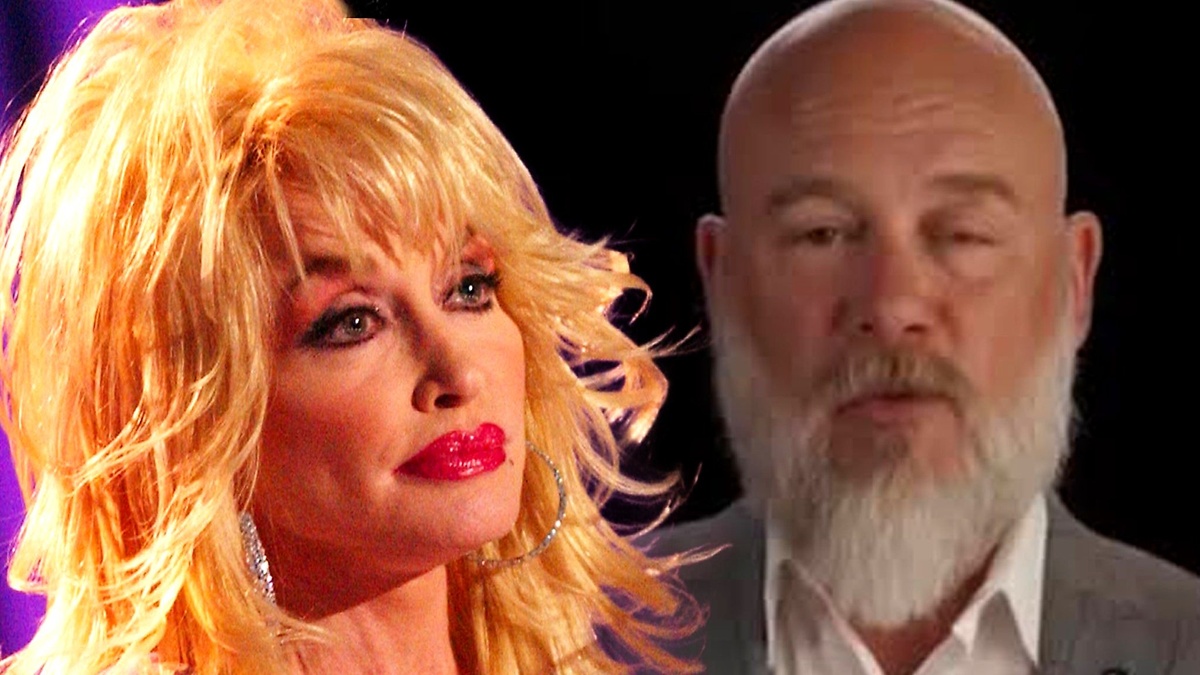
Parton Manager Seeks Restraining Order Against Nephew Over Threats
Nozell alleges Seaver threatened to 'ratf**k every entity', sparking a court battle that could reshape how Dolly Parton's legacy is protected.