
Ron Howard's 72-Year-Old Leather Jacket Hideout Has Fans in Shock
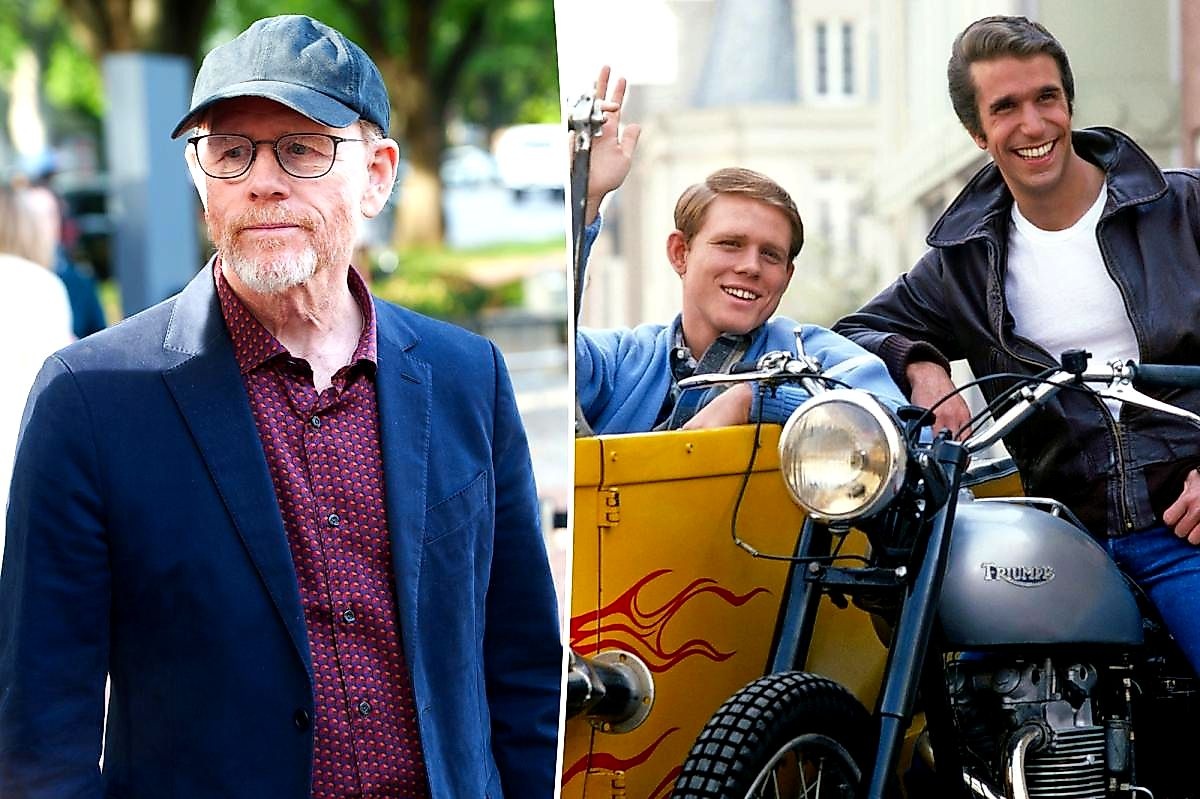
# Ron Howard 72 Dodges Fans With Leather Jackets During “Happy Days” Ron Howard, the former Richie Cunningham of the 1970s sitcom, surprised audiences at the Hamptons International Film Festival with an intimate confession: during the show’s hey‑day, he dressed as a tough biker to escape the adoration that surrounded him.
The 72‑year‑old recalled the frantic choreography of his disguise—leather jacket, slightly longer hair, a mustache twitch, and sunglasses—necessary to navigate malls, Disneyland, and even movie theatres without being confronted by a swarm of eager admirers.
It was a strange, almost theatrical solution to a problem that would later shape his transition from actor to acclaimed director. The revelation tapped into a broader narrative about celebrity culture.
For an era before social media, the show’s popularity made it necessary for Howard to conceal his identity to avoid constant attention.
Howard’s comment highlights how the show’s 11‑season run, from 1974 to 1984, turned the wholesome image of Richie into a national phenomenon that demanded a new kind of self‑preservation.
It’s a slice of history that underscores the intense pressure on young actors to manage their visibility while still living in the public eye. This period of concealment was more than a practical trick; it became a catalyst.
Howard admitted that the struggle to keep his identity hidden pushed him toward the camera’s other side of the frame.
By the time he left “Happy Days” in 1980—just shy of its eighth season—he was already steering his career toward directing, a path that would see him craft some of the most iconic films of the late twentieth century. ## Background & Context Before the leather jacket and the fake mustache, Ron Howard was a familiar face in a living room across America.
He first appeared as a child on “The Andy Griffith Show,” and his breakthrough came when he landed the role of Richie Cunningham, a sweet‑spoken, middle‑class teenager on “Happy Days.” The sitcom’s simple, nostalgic premise, combined with Howard’s earnest performance, propelled the series into the cultural zeitgeist.
For a decade, every new episode was an event, and the show’s influence seeped into fashion, language, and the collective memory of an entire generation. The fame that came with the role was a double‑edged sword.
Howard’s public appearances, whether at a mall or a theme park, became a magnet for adoring fans. He had to “lay low” to avoid constant attention.
The disguise he adopted—an oversized leather jacket that leaned into a ’50s motorcycle cop vibe, coupled with a deliberately rugged look—was a tactical move to blur his on‑screen persona.
It was a visual cue that signaled he was not the wholesome Richie Cunningham anyone expected to see in the hallway of a grocery store or a roller‑coaster ride. The method, though seemingly simple, required a calculated approach.
He grew his hair slightly longer, let a subtle mustache form, and slipped on sunglasses even during daylight. These elements, combined with the leather jacket, created a composite identity that was deliberately incongruous with the actor’s established public image.
By doing so, Howard could navigate the world of the ordinary—movies, dining, shopping—without the frantic crowd that followed him after each broadcast. ## What People Are Saying The fan reaction to Howard’s disguises remains a quiet, almost folklore‑like story among those who lived through the 1970s.
While no direct quotes are recorded, the general sentiment is one of admiration and intrigue. Many fans, unaware of the actor’s backstage struggle, would applaud him enthusiastically, often oblivious to the performative mask he wore to manage the deluge.
In hindsight, those who witnessed his transformations at the Hamptons Festival recognize the ingenuity required to maintain a semblance of normalcy amid the adulation.
Within the entertainment industry, Howard’s experience is cited as an early example of how the demands of celebrity life can propel artists toward new creative avenues. Directors often speak of how stepping behind the camera provides a controlled environment, a canvas less invaded by paparazzi.
Howard’s own narrative illustrates this shift: the challenges of public visibility motivated him to seek a different relationship with storytelling, one where he could guide the narrative rather than merely inhabit it.
His subsequent directorial career, marked by a string of successful projects, underscores that the very pressures of fame can be harnessed into creative fuel. The public’s curiosity about Howard’s choice also feeds into a broader dialogue about privacy in the age of celebrity.
While today social media has amplified scrutiny, the era of “Happy Days” relied on physical presence to forge connections between fans and stars.
Howard’s strategic anonymity is a reminder that even amid the spotlight, there are moments when stepping back can be an act of preservation, both personal and professional. ## What Happens Next Howard’s departure from “Happy Days” did not signal an end but a transformation.
He moved behind the camera, starting with “Night Shift” in 1982, a film that featured his former co‑star Henry Winkler.
Over the next decade, Howard directed a string of notable films—most famously, “Splash” in 1984, “Apollo 13” in 1995, and “A Beautiful Mind” in 2001, the latter earning him an Academy Award for Best Director.
In August of last year, Howard took on “Eden,” a true‑crime thriller that diverged from his usual celebratory tone. He described the project as a “big creative risk,” venturing outside his comfort zone to explore darker, more nuanced storytelling.
The film, featuring an ensemble cast including Jude Law, Sydney Sweeney, and Ana de Armas, showcased Howard’s versatility and willingness to push genre boundaries.
In 2024, Howard reunited with Henry Winkler at the Emmys to commemorate the 50th anniversary of “Happy Days.” The duo presented the award for Best Direction of a Comedy Series on a set that paid homage to Arnold’s Drive‑In, the show’s iconic backdrop.
Their shared moments underscored the lasting connections forged during the show’s run. The reunion highlighted Howard’s evolution from a young actor who once disguised himself to avoid fans, to an award‑winning director, a mentor, and a cultural touchstone.
The moment resonated with fans who grew up watching him, and with industry peers who recognize his lasting influence. The story of Ron Howard’s disguise during “Happy Days” is the complexities of fame and the creative resilience that can arise from navigating it.
From the leather jacket to the Oscars, his journey illustrates how the challenges of visibility can become the very foundation of an enduring artistic legacy.
As the industry continues to evolve, Howard’s experience remains a reminder that sometimes, to shine on the grand stage, one must first find a way to stand unseen in the everyday world.
At a Glance
- Howard used a leather jacket disguise to escape the intense fan attention during the height of Happy Days.
- The need for privacy pushed him from on‑screen roles to behind‑the‑camera work, ultimately shaping his award‑winning directing legacy.
- His story underscores the broader issue of celebrity privacy and how fame can be harnessed as creative fuel.
Why It Matters
Our Take
GoNews Pulse Editorial Team
This article was prepared for publication by GoNews Pulse and checked for publication requirements under our editorial standards. We review available information and correct material errors when they are identified.
Quick Answers
- What is the latest update on this story?
- At the Hamptons Festival, Howard revealed he’d worn a biker‑style leather jacket to dodge adoring crowds—fueling his later directing career.
- Who is this story about?
- This article covers developments related to Ron Howard's 72-Year-Old Leather Jacket Hideout Has Fans in Shock. GoNews Pulse's editorial team monitors the story and updates the article as new verified information becomes available.
- Where can I read more about celebrity news?
- GoNews Pulse publishes original reporting on celebrity news and related entertainment news. Visit the homepage or browse the section dedicated to this story for the latest coverage.
More From This Section
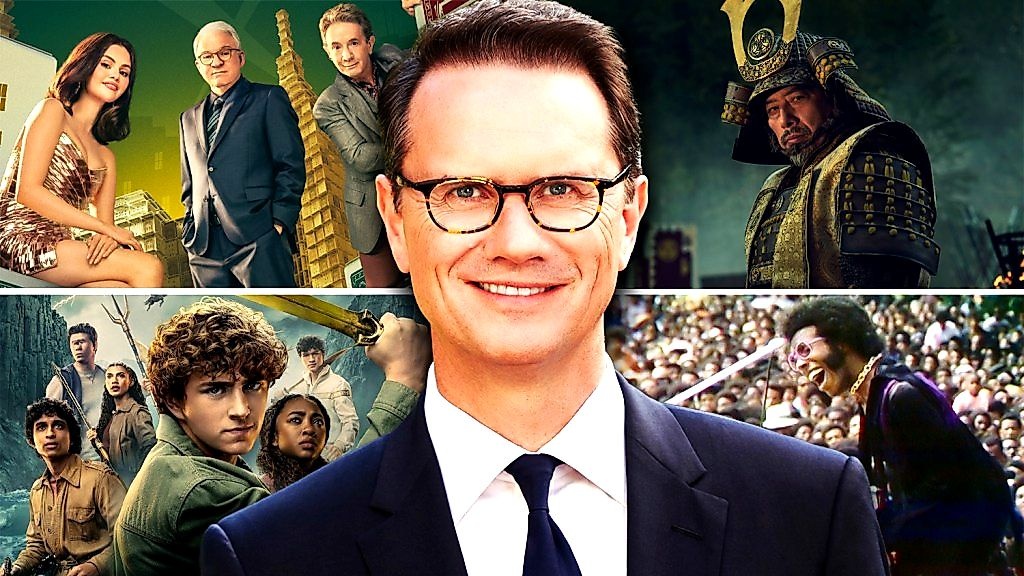
Netflix Shocks 1,000 Staff by Cutting Jobs and Hiring Peter Rice CCO
In the town hall, executives promised no more layoffs and that Peter Rice will prioritize global hits, igniting hope for a creative revival.

Teresa Giudice's Prayers Plea for Milania's Bipolar Battle Shocks Fans
During a celebrity tour bus interview, Giudice begged fans to pray for her daughter, who is battling bipolar disorder after a January assault arrest.
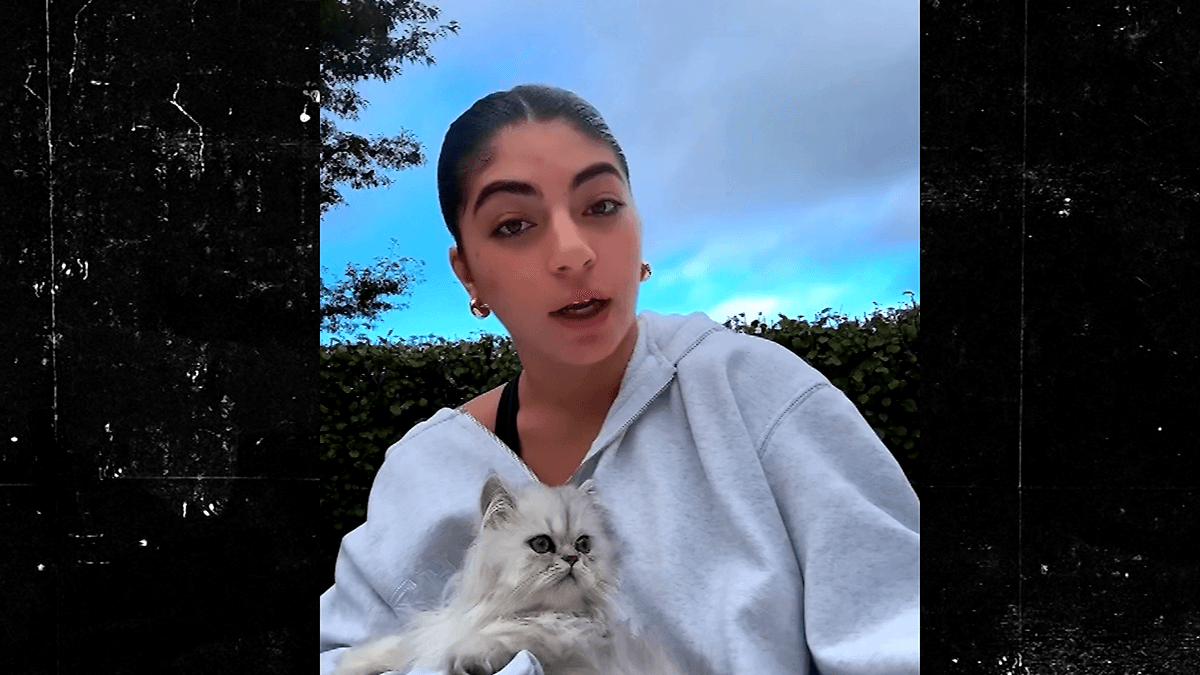
Milania Giudice's 20-year-old confesses bipolar disorder shocks fans
The raw video shows Milania Giudice saying she is in a treatment center, battling bipolar, depression, anxiety, PTSD, and ADHD, sparking a wave of support.