
Milania Giudice's 20-year-old confesses bipolar disorder shocks fans
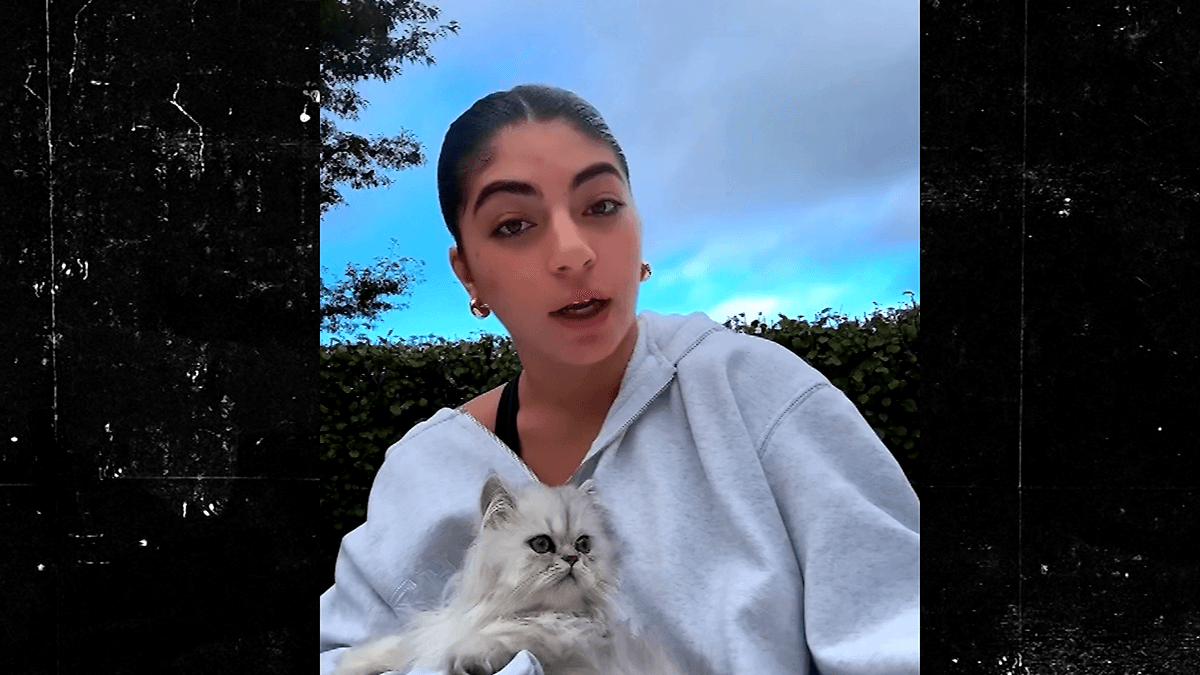
# Milania Giudice Opens Up About Bipolar Disorder After Turbulent Summer Milania Giudice, the 20‑year‑old daughter of former reality‑TV star Teresa Giudice, stunned her followers last Monday with a raw, personal video that left no stone unturned.
In a clip that quickly went viral, she admitted to battling bipolar disorder, depression, anxiety, PTSD, and ADHD, and revealed she is currently receiving treatment at a medical facility.
The confession comes after a summer that felt “like a bus hit” her, during which a highly publicized airport confrontation and the tragic loss of her childhood best friend added new layers of pain and scrutiny.
Her Instagram post, titled “BE TRUE, BE HONEST, BE YOU 🤍,” was more than an apology; it was a pledge to herself and her audience to share the unfiltered reality of mental illness.
By refusing to hide her vulnerabilities, Giudice challenges the stigma that still surrounds conditions like bipolar disorder and offers a rare glimpse into how public figures cope when their lives are constantly on display.
In an era where social media can both heal and harm, her decision to speak out has sparked conversations that reach far beyond her fan base, touching anyone who has struggled in silence. The revelation is especially poignant given Milania’s public history.
The Giudice family’s name became synonymous with drama after their long‑running reality‑TV series, which showcased both domestic disputes and triumphant recoveries. Milania, who had been a recurring figure on the show, had largely stayed in the background until her recent Instagram confessions.
The sudden shift from behind‑the‑scenes to candid disclosure underscores how quickly public perception can pivot when personal turmoil becomes a headline. ## Background & Context Milania Giudice grew up under a microscope.
From an early age, she watched her mother, Teresa, and her aunt, Gia, navigate fame and family conflict on prime‑time television. The exposure shaped her upbringing, offering a front‑row seat to the highs and lows of celebrity life.
After graduating high school, she kept a relatively low profile, attending college and occasionally sharing glimpses of her life on social media. The sudden surge in attention began in early July, when a heated exchange between her mother and her sister at Tampa International Airport captured headlines.
The incident was widely discussed across fan forums and media, and it placed Milania in the middle of a renewed spotlight. Less than a month later, her childhood best friend, Victoria Zardoya, passed away unexpectedly.
The loss added a layer of grief that compounded the stresses of her recent public life. Milania’s reaction to Victoria’s death was not just personal grief; it also served as a catalyst for her to confront her own mental health challenges head‑on.
While she had always been open about her family’s drama, this moment prompted her to recognize the need for professional care. She entered a treatment center that specializes in mood disorders, marking a significant step toward healing.
The decision to share her diagnosis on a public platform is a bold departure from the traditional approach of keeping such matters private. In the world of reality television, vulnerability is often packaged and monetized; however, Milania chose authenticity over narrative control.
By revealing her mental health status, she reframes the conversation around mental illness as a shared human experience rather than a sensational plot twist. ## What People Are Saying The response to Milania’s video was swift and multifaceted.
Fans flooded her comments section with messages of support, gratitude, and curiosity. Many expressed relief that a public figure could confront these issues without judgment, noting that her openness could reduce stigma for others in similar situations.
The comments were peppered with personal anecdotes of people who had endured comparable struggles, creating a sense of community around the discussion. Social media also amplified the conversation beyond her immediate followers.
Mental‑health advocates and wellness influencers echoed her message, highlighting the importance of early intervention and the need for accessible treatment options.
The post sparked a ripple effect, with several mental‑health charities posting updates on their own platforms, encouraging users to seek help and share their stories. Some commentators praised the transparency and called it a pivotal moment for normalizing mental‑health discussions in the entertainment industry.
A minority of viewers, however, remained skeptical or critical. A handful of comments questioned the sincerity of her statement, pointing to past on‑screen drama and hinting at potential PR motivations.
While these voices existed, they were largely outweighed by the wave of empathy and support.
In many ways, the outpouring of positive feedback highlighted the evolving public attitude toward mental health: a shift from voyeuristic curiosity to compassionate engagement. ## What Happens Next Milania’s future steps appear to be a blend of personal recovery and public advocacy.
She has confirmed that she will continue her treatment at a specialized center, with the support of her mother and close friends. The environment offers structured therapy and medication management, tools that will help her navigate the challenges of bipolar disorder and co‑existing conditions.
By staying in this setting, she demonstrates a commitment to long‑term wellness, which may inspire her followers to pursue similar care. Beyond her own healing, Giudice has indicated that she intends to use her platform to educate and empower others.
Her recent post ends with a gentle reminder: “BE TRUE, BE HONEST, BE YOU.” This message signals a deliberate shift toward authenticity, encouraging people to embrace their true selves even when the world demands a curated image.
The video also alluded to future content that would delve deeper into mental‑health topics, suggesting she may partner with professionals to produce educational material or host live Q&A sessions. Her mother’s visit to the treatment center was a subtle yet powerful gesture of solidarity.
It underlined the role of family support in mental‑health recovery and underscored that Milania is not alone in her journey. Fans have reacted with warmth, praising the family’s unity and the courage to share such a personal struggle publicly.
If this episode proves to be a turning point, it could pave the way for more open discussions among other public figures who face similar challenges.
In the weeks ahead, Milania is expected to release a series of updates, possibly including a brief interview with a mental‑health professional or a follow‑up video that charts her progress.
She may also participate in community outreach or fundraising events to support those with mood disorders, thereby turning personal pain into a catalyst for broader change. Her story is a stark reminder that fame does not shield one from the fragility of mental health.
It also proves that vulnerability, when shared responsibly, can be a powerful tool for healing and advocacy. As Milania Giudice moves forward, her journey will undoubtedly continue to resonate with millions who seek understanding and hope.
At a Glance
- Milania Giudice, 20, publicly confesses bipolar, depression, anxiety, PTSD, ADHD and is in treatment.
- The confession follows a turbulent summer—airport drama, friend’s death—sparking fan support and mental‑health advocacy.
- Giudice vows to use her platform for education, planning future content and encouraging others to seek help.
Why It Matters
Our Take
GoNews Pulse Editorial Team
This article was prepared for publication by GoNews Pulse and checked for publication requirements under our editorial standards. We review available information and correct material errors when they are identified.
Quick Answers
- What is the latest update on this story?
- The raw video shows Milania Giudice saying she is in a treatment center, battling bipolar, depression, anxiety, PTSD, and ADHD, sparking a wave of support.
- Who is this story about?
- This article covers developments related to Milania Giudice's 20-year-old confesses bipolar disorder shocks fans. GoNews Pulse's editorial team monitors the story and updates the article as new verified information becomes available.
- Where can I read more about celebrity news?
- GoNews Pulse publishes original reporting on celebrity news and related entertainment news. Visit the homepage or browse the section dedicated to this story for the latest coverage.
More From This Section

Netflix Shocks 1,000 Staff by Cutting Jobs and Hiring Peter Rice CCO
In the town hall, executives promised no more layoffs and that Peter Rice will prioritize global hits, igniting hope for a creative revival.
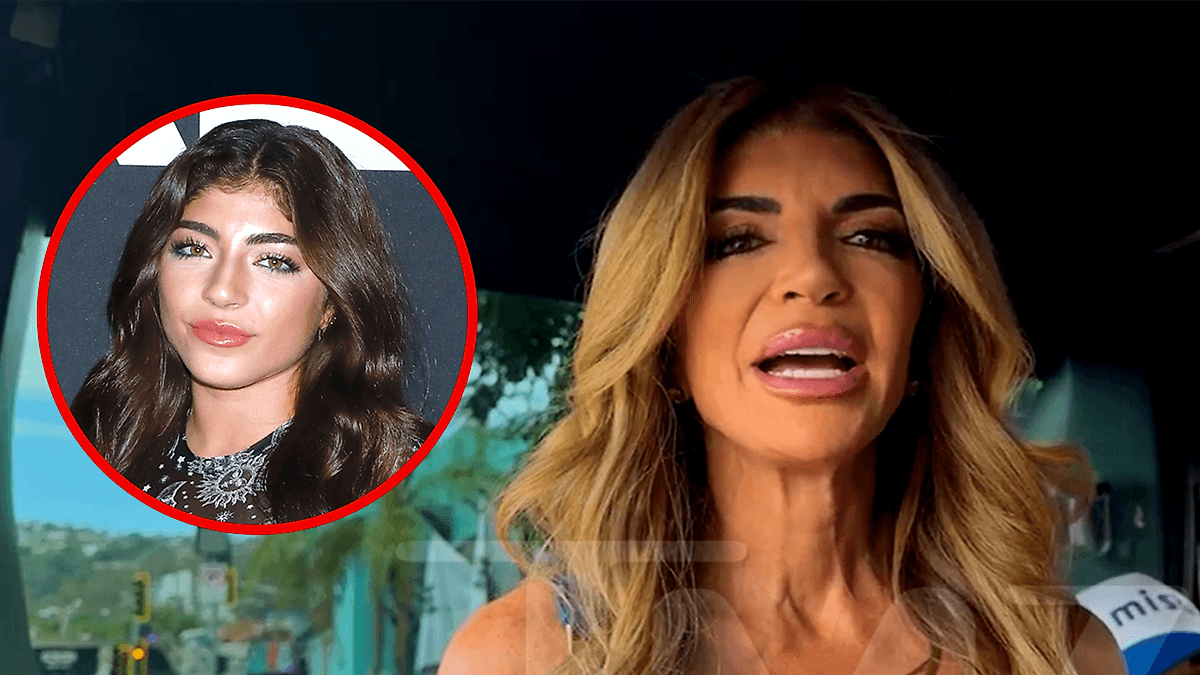
Teresa Giudice's Prayers Plea for Milania's Bipolar Battle Shocks Fans
During a celebrity tour bus interview, Giudice begged fans to pray for her daughter, who is battling bipolar disorder after a January assault arrest.

Ron Howard's 72-Year-Old Leather Jacket Hideout Has Fans in Shock
At the Hamptons Festival, Howard revealed he’d worn a biker‑style leather jacket to dodge adoring crowds—fueling his later directing career.