
Newsom Promises to Step Aside if Harris Seeks 2028 Presidency
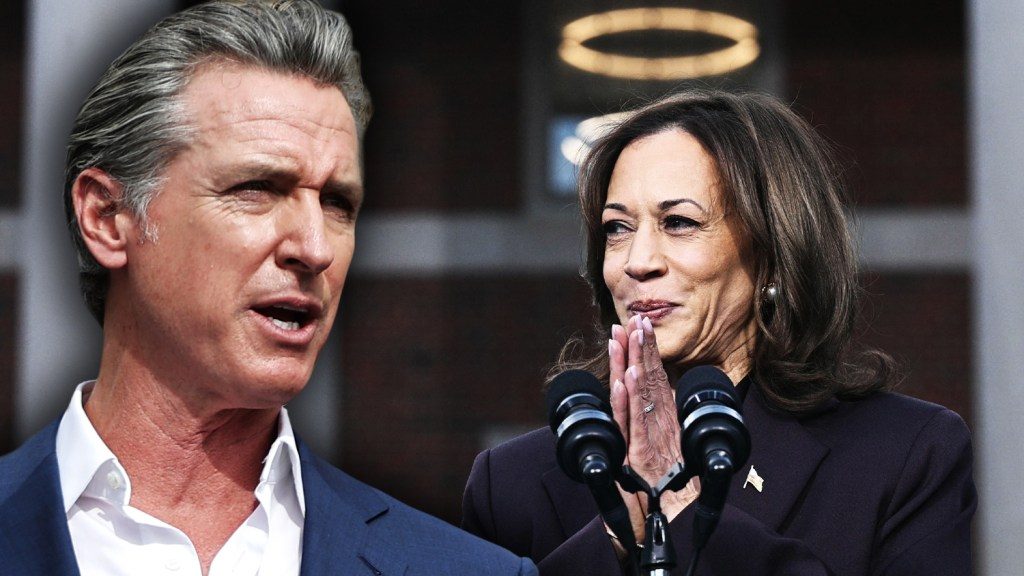
**Gavin Newsom Says He Won’t Run for President in 2028 If Kamala Harris Does**
The California governor told Jake Tapper that he would step aside from a 2028 presidential bid if Vice President Kamala Harris chooses to run. “I don’t know if she runs, but we’ll see,” Newsom said. “I wouldn’t run if she ran.” The remark came amid growing speculation that both men could vie for the party’s nomination next election cycle.
## Background & Context
Newsom and Harris have followed a parallel political trajectory since 2004. That year, Newsom was sworn in as mayor of San Francisco while Harris became the city’s district attorney.
Over the next decade, their paths crossed repeatedly—Newsom led a coalition that pushed for progressive reforms in housing, climate policy, and public transportation; Harris championed criminal‑justice reform and later served as a U.S. Senator from California, where she built a national profile around economic equity and social justice.
Their careers have risen on similar waves of progressive momentum, and both are now reportedly considering a presidential run in 2028. The possibility of a head‑to‑head contest between them has captured the attention of party insiders and the broader electorate.
Their shared history—from the early days of the San Francisco mayoral office to the national stage—adds a layer of personal rivalry that is rare among contemporary Democratic leaders.
## What Happened
During a recent interview with Tapper, Newsom explained why he would not oppose Harris if she entered the race. He said, “Why would I?” and added, “I wouldn’t do that to her. I wouldn’t do it to me…I won’t waste everyone’s time.
Who needs that?” The governor further elaborated that a matchup would be “mutual assured destruction” for Democrats. He said, “Electorally it’s a gift from God for everybody else,” noting the overlap in their support bases and the lack of any greater good from such a contest.
Newsom also pointed to his familiarity with Harris’s supporters: “I know her base of supporters, I know her friends, the (Venn) diagram on that is just pure crossover…I wouldn’t do that to people. I wouldn’t put them in that position.” The governor’s stance echoes statements he made in 2023.
He told Chuck Todd that the idea “won’t happen” and added, “I’ve said that a thousand times.” Newsom has also previously dismissed the notion of running against Donald Trump in 2024, saying he was “not ready” and would have been “crushed because I didn’t have a why.”
## Fan Reaction
Supporters of both men reacted strongly on social media. On Twitter, progressive activists praised Newsom’s decision as a strategic move that preserves party unity: “Great to see Newsom keep it real and let Harris lead the charge if she’s ready.
The movement needs one strong voice, not two.” Meanwhile, some Harris backers expressed disappointment, noting that a direct contest could have energized the base: “It would have been a historic clash—two trailblazers fighting for the future.
It’s a loss when we’re told it won’t happen.” In contrast, moderate Democrats applauded Newsom’s restraint, arguing that a split ticket could undermine the party’s chances in swing states.
The reaction was also visible on live event stages.
At a recent Democratic rally in San Francisco, volunteers handed out flyers that read, “Support Harris for 2028—Newsom is ready to step aside if she leads.” The crowd responded with a chorus of “Yes!” and “Harris 2028,” underscoring the deep enthusiasm among California’s core Democratic voters.
## Industry Impact
From an industry perspective, Newsom’s announcement has immediate ripple effects on campaign infrastructure, fundraising, and candidate messaging. The Democratic National Committee (DNC) now has a clearer picture of how the party can allocate resources in the 2028 cycle.
Fundraisers who previously courted both Newsom and Harris can redirect their efforts toward a single candidate, potentially increasing the overall pool of donor dollars.
The statement also alters the strategic calculus for other potential contenders. For example, Senator Amy Klobuchar and former President Barack Obama have been quietly positioning themselves as fallback options if either Newsom or Harris steps aside.
Their campaigns are already adjusting messaging frameworks to emphasize “unity” and “collective strength” rather than “individual ambition.”
state parties across the country have used this development to refine their own candidate recruitment processes.
In states where progressive leadership is highly valued, the decision to avoid an intra‑party clash has prompted discussions about building a broader coalition that can support a single nominee without fracturing local party structures.
## Conclusion
Newsom’s comments illustrate a strategic calculation rather than a single political decision. By framing the potential clash as a loss for both parties, he positions himself as an ally to the broader Democratic agenda. He emphasizes that running against Harris would tax the same voter base without delivering any electoral advantage.
The governor’s earlier remarks about the 2024 race suggest a pattern of retreat when confronting incumbent challenges he perceives as unwinnable. His mention of lacking a “why” underlines a self‑assessment of insufficient purpose or platform strength for a national campaign.
Overall, Newsom’s statements reinforce the view that, for him, the 2028 election is contingent on Harris’s choice. He signals that, should Harris decide to run, he will refrain from pursuing the nomination himself to avoid a divisive intra‑party battle.
In doing so, he has not only shaped the narrative around California’s political future but also set a precedent for how senior Democratic figures can strategically cede ground to preserve party cohesion and electoral viability.
Why It Matters
Our Take
GoNews Pulse Editorial Team
This article was prepared for publication by GoNews Pulse and checked for publication requirements under our editorial standards. We review available information and correct material errors when they are identified.
Quick Answers
- What is the latest update on this story?
- If Harris runs, Newsom vows to let her lead, a rare promise that could tilt the 2028 Democratic race.
- Who is this story about?
- This article covers developments related to Newsom Promises to Step Aside if Harris Seeks 2028 Presidency. GoNews Pulse's editorial team monitors the story and updates the article as new verified information becomes available.
- Where can I read more about Gavin Newsom?
- GoNews Pulse publishes original reporting on Gavin Newsom and related entertainment news. Visit the homepage or browse the section dedicated to this story for the latest coverage.
Related topics
- #Gavin Newsom
- #Kamala Harris
- #2028 presidential election
- #Democratic Party
More From This Section

Jon Gosselin's 22‑Year‑Old Son Exposes Abuse, Father Shouts Support
Jon Gosselin declares that his son’s 22‑year‑old memoir exposes alleged institutionalization and a hidden ‘small holding’ cell, sparking a national debate.

Mike Colter's Valley Firm AGI Bo Revealed at 2:00 a.m. Shocks Fans
Rob McClure's portrayal of Bo forces the firm to confront a real‑world AGI asking for legal guardrails, sparking a tense ethical debate.

Meredith Grey's bed proposal to Nick on surgery table stuns fans
Meredith Grey slipped a ring into Nick's hand while he lay on the operating table, a move that stunned fans amid the bridge collapse.