
Jon Gosselin's 22‑Year‑Old Son Exposes Abuse, Father Shouts Support

**# Jon Gosselin Proudly Defends 22‑Year‑Old Son’s Memoir Exposing Abuse** In a surprisingly forceful public statement, Jon Gosselin declared his unwavering support for his son Collin’s newly released memoir, *In the Shadow of Eight: Surviving the Reality of My Childhood*.
The book, which details alleged abuse and institutionalization at the hands of Collin’s mother, Kate Gosselin, has ignited a fierce debate over family dynamics and the legacy of a reality‑TV dynasty.
The former star’s defense is not merely a father’s instinct but a calculated stance against what he describes as a “campaign to tarnish his reputation” and “mischaracterize his mental health.” The stakes are high.
Collin, now 22, has positioned his narrative as a call to action for victims of abuse, framing his memoir as a lifeline for others who may be trapped in similar situations. Jon’s statement echoes this urgency, framing the book as both a cathartic release and a public service.
By addressing the accusations head-on, he aims to protect his son’s credibility while challenging the broader conversation about mental health stigma and abuse allegations within high‑profile families.
In the weeks that followed the book’s release, Kate Gosselin issued a sharp rebuttal on a popular social media platform, labeling Collin’s claims as “terrible lies” and dismissing the mental health allegations as unsubstantiated.
Her comments added fuel to the fire, prompting Jon to take the matter to the public eye and warn against further defamation.
The clash is not just a family feud; it reflects a larger cultural reckoning with how celebrity families manage private trauma in the age of instant information. ## Background & Context Collin Gosselin’s memoir is the culmination of years of research and personal revelation.
Drawing from the early days of the family's reality‑TV series *Jon and Kate Plus 8*, he recounts how his mother allegedly confined him to a “small holding” cell for two years before sending him to a mental institution in 2016.
Kate visited him only once during that period, confronting him with a devastating accusation: “You broke our family.” The narrative expands beyond Collin’s own experience, describing the pressures placed on his siblings—six other children and two younger twins—while they were filmed for the show.
He accuses Kate of imposing unreasonable expectations on the sextuplets and punishing even minor infractions with severe, humiliating discipline. Jon Gosselin’s reaction reflects a broader historical context of the Gosselin family’s public image.
After the show concluded, the family continued to appear in media, sharing intimate moments that cultivated a loyal fan base. The memoir disrupts that carefully curated narrative by exposing hidden hardships.
For Jon, whose reputation has been built on presenting a picture of a large, affectionate family, the allegations threaten to reshape public perception.
His statement frames the book as a “heartbreaking memoir” that aligns with his son’s mission to help other victims, positioning it as a courageous act rather than a scandal. The legal and ethical implications of the memoir also loom large.
Collin has indicated he may pursue legal action against Kate for the alleged abuse, potentially involving a police report or civil suit. Jon’s warning against labeling Collin as “mentally ill” and threatening accountability underscores the seriousness with which he views the defamation.
His stance highlights the complex interplay between mental health diagnoses, public perception, and the rights of individuals to narrate their own stories without fear of ridicule or dismissal. ## What People Are Saying Reactions to Jon’s defense have been mixed.
Supporters of Collin praise the father’s forthrightness, arguing that the statement reinforces the validity of his claims. They see it as an essential counterbalance to what they perceive as a smear campaign.
Critics, however, question whether the public defense is a strategic move to protect the Gosselin brand rather than a sincere commitment to Collin’s well‑being.
Some commentators note that the memoir’s publication could be a calculated attempt to gain publicity, exploiting the family’s name recognition for financial or media gain. Kate’s social media rebuttal added a new layer of tension.
By labeling Collin’s allegations as false and invoking mental illness in her defense, she opened herself to criticism from mental health advocates who warn against the misuse of psychiatric labels to silence dissent.
In response, Jon’s statement emphasized that Collin has undergone evaluations by multiple independent psychiatrists, disputing the narrative that he is “mentally ill.” This claim, if true, could undermine Kate’s counter‑argument and potentially shift public opinion toward Collin’s side.
Meanwhile, the memoir’s readers have shared their own perspectives in forums and fan communities. Some empathize deeply with Collin’s story, describing it as a mirror of their own experiences in abusive environments.
Others remain skeptical, .
The discourse has become a microcosm of the broader conversation about how society interprets and validates trauma narratives, especially when they are intertwined with celebrity status. ## What Happens Next The immediate next step for Collin appears to be the potential legal action he mentioned.
He stated that he is evaluating options that may involve a police report or civil suit against Kate. If the legal process moves forward, it could open a public courtroom drama, further drawing attention to the family’s private struggles.
The outcome of any lawsuit could set a precedent for how high‑profile families handle abuse allegations and could influence public policy regarding child protection. Jon Gosselin’s public statement serves as a warning to anyone who might continue to question Collin’s mental health or the authenticity of his memoir.
He frames the threat of legal action as a measure to hold defamation accountable, positioning himself as a guardian of his son’s reputation. Whether this threat leads to a lawsuit or simply serves as a deterrent remains to be seen.
However, the tone he sets may influence how other family members, fans, and the media engage with the story in the coming months. At the same time, the Gosselin family’s broader narrative is on the brink of transformation.
The memoir challenges the idealized image that fans once held, and the public reaction could force a reevaluation of how reality‑TV families navigate the intersection of fame, personal trauma, and accountability.
The next few weeks will likely see a flurry of media coverage, legal filings, and perhaps a renewed conversation about mental health, abuse, and the responsibilities of public figures.
In the end, Jon Gosselin’s defiant support for Collin signals a decisive shift from the quiet, affectionate image the family once cultivated. Whether this new narrative cements Collin’s voice or opens a Pandora’s box of legal battles remains to be written.
For now, the Gosselin saga continues to unfold, reminding the world that even the most celebrated families are not immune to the darkest of secrets.
At a Glance
- Jon Gosselin publicly backs his son’s memoir, labeling criticism as a smear campaign.
- The book alleges Kate Gosselin confined Collin, institutionalized him, and imposed severe discipline on the sextuplets.
- Collin hints at possible legal action, raising questions about how celebrity families confront abuse allegations.
Why It Matters
Our Take
GoNews Pulse Editorial Team
This article was prepared for publication by GoNews Pulse and checked for publication requirements under our editorial standards. We review available information and correct material errors when they are identified.
Quick Answers
- What is the latest update on this story?
- Jon Gosselin declares that his son’s 22‑year‑old memoir exposes alleged institutionalization and a hidden ‘small holding’ cell, sparking a national debate.
- Who is this story about?
- This article covers developments related to Jon Gosselin's 22‑Year‑Old Son Exposes Abuse, Father Shouts Support. GoNews Pulse's editorial team monitors the story and updates the article as new verified information becomes available.
- Where can I read more about celebrity news?
- GoNews Pulse publishes original reporting on celebrity news and related entertainment news. Visit the homepage or browse the section dedicated to this story for the latest coverage.
More From This Section

Mike Colter's Valley Firm AGI Bo Revealed at 2:00 a.m. Shocks Fans
Rob McClure's portrayal of Bo forces the firm to confront a real‑world AGI asking for legal guardrails, sparking a tense ethical debate.

Meredith Grey's bed proposal to Nick on surgery table stuns fans
Meredith Grey slipped a ring into Nick's hand while he lay on the operating table, a move that stunned fans amid the bridge collapse.
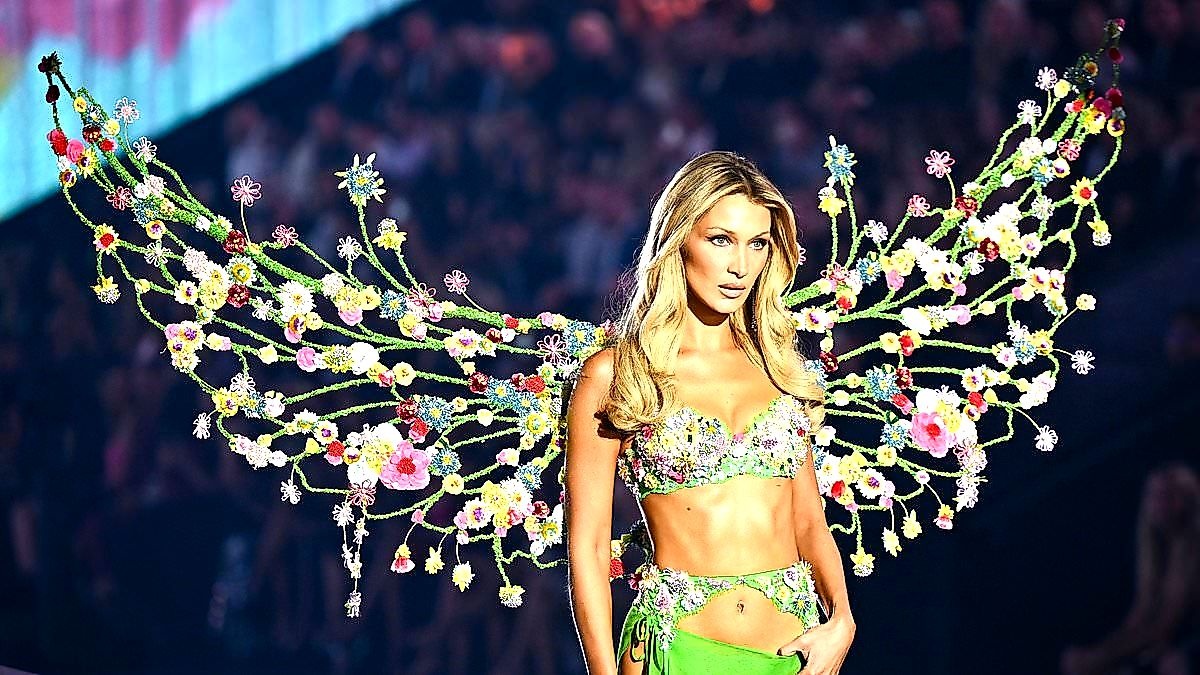
Bella Hadid's 50‑Pound Wings Shock Runways, Fans Go Wild
She describes the wings as '50 pounds' yet says 'HOW BEAUTIFUL', igniting a wave of admiration as fans erupt in cheers, proving her comeback is a triumph.