
Netflix 'The Body' rakes 5.1M views in five days, 126K sign petition
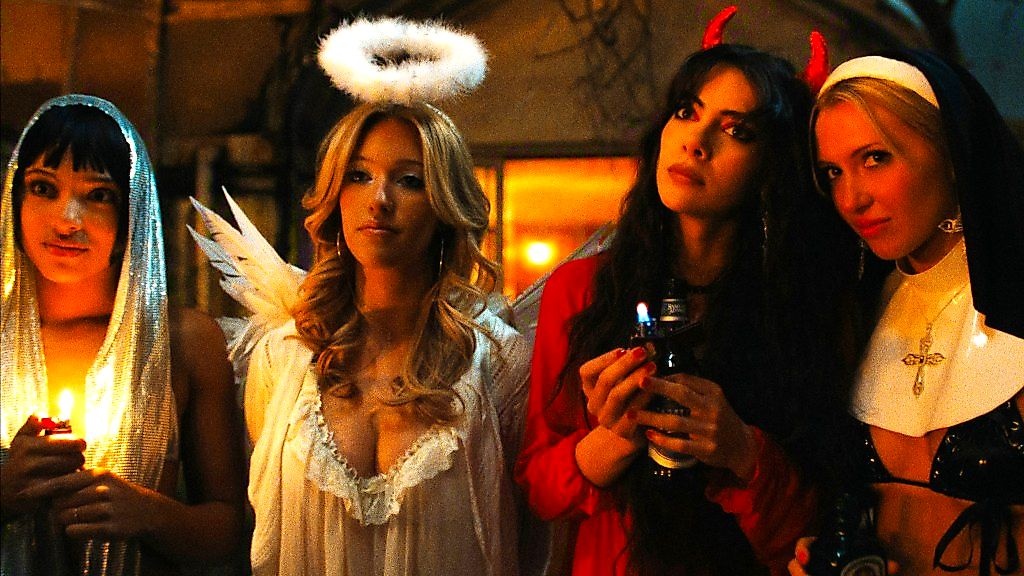
# Quinn Shephard’s “The Body” Draws 126K‑Strong Petition After 5.1M First‑Week Views The new Netflix horror‑drama *The Body* has captured 5.1 million eyes in just five days, a feat that has sparked a flurry of backlash from Christian groups.
A petition on CitizenGo, signed by more than 126 000 people, demands the show be pulled before it reaches living rooms across the country.
The drama, centered on a group of Catholic schoolgirls whose Halloween dance‑team initiation turns deadly, has already cracked the platform’s Global Top 10 English TV list, ranking third and appearing in the top ten in 80 nations.
The controversy began with the teaser, which showed a group of girls performing a dark rite that culminates in visions and the appearance of a devilish figure.
Protesters argue that the series depicts Christian youth in a “blasphemous” light, arguing that it distorts the faith and could influence impressionable viewers.
The petition’s language is explicit, urging Netflix’s Chief Content Officer, Peter Rice, to “stop defiling the faith of millions of Christian families and cancel The Body before it reaches our living rooms.” The signatories claim that once the show is on a family’s screen, the damage is irreversible.
Creator Quinn Shephard, whose grandmother was an Evangelical minister, said in an interview that the series was never meant to be a critique of religion, but rather a story where faith is one of many themes explored.
Shephard explained that the narrative follows a handful of girls who, after a botched initiation, experience prophetic visions that ripple through their small town. The story spans eight episodes, each weaving the horror of the supernatural with the anxieties of adolescence.
Despite the criticism, the show’s production values and tight pacing have earned praise from early viewers, and the series has already secured a strong place on Netflix’s streaming charts. ## Background & Context *The Body* is the product of Quinn Shephard, a writer and director who has spent years crafting stories that blend psychological depth with supernatural stakes.
The series takes its narrative roots in a 2004 Halloween dance‑team incident, twisting it into a modern horror tale. The eight‑episode arc centers on a group of Catholic schoolgirls whose initiation ritual goes awry, sending them into a spiral of visions and terror.
Shephard’s grandmother’s background as an Evangelical minister has often been cited as an influence, though the creator insists that the series is not a blanket condemnation of faith. Instead, Shephard describes the show as a platform to explore how belief can both protect and betray.
The backlash has unfolded rapidly. The CitizenGo petition, which amassed 126 000 signatures in just a few days, targets Netflix’s streaming giant directly.
The signatories argue that the platform has historically pushed content that pushes boundaries—such as the controversial “The First Temptation of Christ” and the film *Cuties*—and they see *The Body* as the latest in a line of productions that test the limits of Christian sensibilities.
The petition lists concerns about the portrayal of Christian schoolgirls, a dark initiation ritual, a devil figure, and prophetic visions—all elements that critics claim could distort religious teachings for a younger audience. Netflix’s response to the growing criticism has so far been silent.
The streaming service has not issued a statement regarding the petition or the content of *The Body*.
While the platform has previously defended its programming choices, no official comment has surfaced, leaving viewers and critics in a state of speculation about whether any action will be taken. ## What People Are Saying The petition’s language is vivid and uncompromising.
Signatories accuse Netflix of deliberately targeting Christian families, implying that the platform believes its audience will remain muted and continue paying for the service.
The language is reminiscent of earlier campaigns against other Netflix titles, echoing accusations that the network “pushes one step further into the family home.” Protesters point out that the show’s content—centered on devout schoolgirls—differs sharply from depictions of other faiths, which they claim never receive similar treatment.
The petition calls into question why Netflix appears to privilege Christian narratives for controversy while ignoring other religious traditions. While the petitioners express a unified voice, online discussions reveal a more divided landscape.
Some viewers praise the show’s high production values and strong performances, arguing that it offers a fresh take on horror and adolescence. Others echo the petition’s concerns, expressing unease about how the series frames faith and the supernatural.
The debate extends beyond the Christian community; it touches on broader conversations about media representation, censorship, and creative freedom. The petition’s reach, while substantial, reflects a segment of the audience that feels strongly about the portrayal of religious themes on mainstream platforms.
Industry observers note that Netflix has historically been willing to push creative boundaries. Yet the current petition marks a rare instance where a sizable group is demanding that the platform remove a series altogether.
In the past, Netflix has responded to viewer complaints with additional content warnings or by offering alternative viewing options, but outright removal has been uncommon.
Whether the platform will adjust its stance remains to be seen, but the petition has already put the show in the spotlight, generating discussion that could influence its reception. ## What Happens Next The petition’s trajectory will depend largely on Netflix’s next move.
Should the company refuse to act, the controversy could deepen, potentially drawing more attention to the series and spiking viewership—an outcome that would counter the petition’s intentions.
Conversely, a swift removal could satisfy the petitioners but may also invite accusations of censorship and could alienate other segments of Netflix’s audience. From a broader perspective, the situation reflects an ongoing tension between creative expression and community standards.
The platform’s global reach means that content is simultaneously a cultural export and a potential flashpoint for localized concerns. In this case, the focus is on Christian families in the United States, but similar petitions could arise from other communities with different religious or cultural frameworks.
The outcome of *The Body* petition may set a precedent for how streaming services handle content that sparks religious controversy.
Meanwhile, fans of the series will continue to stream the eight episodes, many of whom report that the horror elements are layered with a nuanced portrayal of faith, doubt, and adolescence.
If Netflix chooses to leave the show untouched, it will serve as a test case for how the platform navigates future content that touches on deeply held beliefs. If the series is pulled, it will prompt discussions about artistic freedom, corporate responsibility, and the power of collective action in the digital age.
The petition’s 126 000 signatures represent a significant voice in the conversation, but whether it will alter Netflix’s programming strategy remains uncertain. For now, the debate is far from over, and the fate of *The Body* hangs in a delicate balance between creative intent and audience expectation.
At a Glance
- The series, with 5.1M views in its first week, has ignited a 126K‑signature petition demanding its removal.
- Creator Quinn Shephard says the show isn’t a critique of faith, but the petitioners claim it blasphemes Christian values.
- Netflix has yet to respond, leaving uncertainty whether the show will stay or be pulled.
Why It Matters
Our Take
GoNews Pulse Editorial Team
This article was prepared for publication by GoNews Pulse and checked for publication requirements under our editorial standards. We review available information and correct material errors when they are identified.
Quick Answers
- What is the latest update on this story?
- A 126,000‑signature petition urges Netflix to pull the horror‑drama 'The Body' before it hits living rooms, sparking backlash among Christian groups.
- Who is this story about?
- This article covers developments related to Netflix 'The Body' rakes 5.1M views in five days, 126K sign petition. GoNews Pulse's editorial team monitors the story and updates the article as new verified information becomes available.
- Where can I read more about celebrity news?
- GoNews Pulse publishes original reporting on celebrity news and related entertainment news. Visit the homepage or browse the section dedicated to this story for the latest coverage.
More From This Section

Trump says Putin bond stops Russia's nuclear satellite launch—see why
The former president says Putin’s bond keeps the nation safe, yet Russia’s nuclear satellite launch threatens a treaty breach that could cripple satellite networks.

Porsha Williams' Engagement to Patrice 'Sway' McKinney Shocked Fans
In her Instagram video, Porsha Williams said, “I love you, and I want to marry you,” as a sparkling diamond ring shone beside her, making fans swoon.

Sofía Vergara's 24‑foot Statue in Barranquilla Shocks Fans
She even got a life‑scale bronze replica from the sculptor, and the mayor honored her as a Distinguished Barranquillera today.