
Martha Stewart's 85-Year-Old Costume Slip With Chocolate Spill Shocks
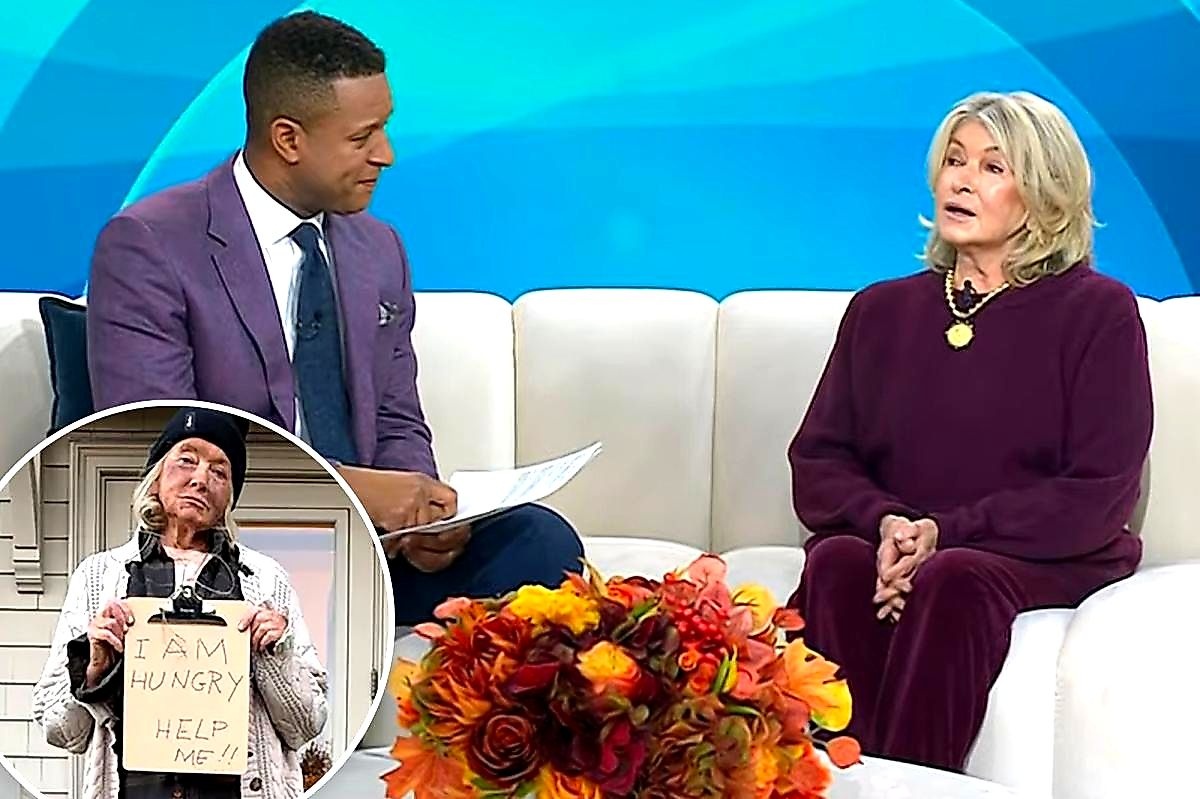
**# Martha Stewart, 85, Blames Craig Melvin for Costume Slip, Then Issues Apology** Martha Stewart, the seasoned lifestyle mogul, surprised fans and viewers last week when she appeared on a morning news program to apologize for a joke she’d made about a chocolate‑spilled mishap with host Craig Melvin.
The 85‑year‑old, known for her impeccable cooking and home‑decor expertise, said she had never intended for the comment to be taken seriously. Instead, she blamed the spill for forcing her to switch her Halloween attire, a decision that sparked a backlash and a public apology later that day.
The incident began a few days before Halloween, when Stewart appeared on a live segment to discuss her upcoming costume. In a moment of levity, she mentioned that Melvin had accidentally splashed chocolate on her, ruining a planned outfit and compelling her to adopt a “homeless” look.
The image, posted to social media and then deleted within hours, featured Stewart in tattered clothing with dirt on her face, holding a sign that read, “I AM HUNGRY HELP ME!” The photo quickly drew criticism for its insensitivity, leading Stewart to claim that the costume was meant to raise awareness about homelessness, a cause she has supported for years.
In the wake of the controversy, Stewart took to the airwaves, addressing both Melvin and the broader public. She admitted she was “stupid” and apologized for any offense.
The 47‑year‑old host, surprised to find himself entangled in the drama, noted that he had previously apologized for the spill and moved on. Stewart reiterated that she had “no intention of mocking anyone” and that her goal was to highlight the plight of the homeless.
The conversation ended with both parties acknowledging the misunderstanding and expressing a desire to move forward. ## Background & Context Martha Stewart’s history in television and publishing is marked by a careful blend of elegance and authenticity.
For decades she has cultivated a brand built on classic recipes, craft tutorials, and the art of living well. Her appearances on daytime talk shows, particularly those that feature holiday specials, have always been high‑profile moments that draw millions of viewers.
In October, she was scheduled to showcase a Halloween costume as part of a broader segment on the show’s online and broadcast platforms. The segment’s narrative took an unexpected turn when a live camera captured a chocolate‑spilled mishap involving host Craig Melvin.
The spill, a small accident that quickly became a talking point on social media, was later described by Stewart as the catalyst that forced her to abandon a more polished costume idea. Instead, she improvised a look that many viewers interpreted as a portrayal of a homeless person.
The image, shared across various platforms and deleted within a short span, was accompanied by a handwritten sign that many saw as a call for empathy, while others criticized it as tone‑deaf and exploitative. Stewart’s apology on the morning show unfolded against a backdrop of social media outrage and media scrutiny.
The image’s removal did not erase the backlash; screenshots of the original post circulated widely, and the costume’s perceived insensitivity was amplified by the presence of live commentators and late‑night hosts.
While Stewart had long championed charitable causes, this incident marked a turning point in how her public persona was perceived by younger audiences, who were quick to point out the gap between her intentions and the message her image conveyed. ## What People Are Saying Audience reaction has been mixed, reflecting a broader conversation about celebrity responsibility and cultural sensitivity.
Supporters of Stewart pointed to her decades of philanthropic work, noting that her charitable efforts in homelessness and hunger should temper the criticism. Some social media users argued that the joke about the chocolate spill was innocuous and that the subsequent apology was a genuine attempt to rectify a misstep.
Critics, however, have been less forgiving. Many users labeled the costume as “gross,” “out of touch,” and “unnecessary.” Memes and comment threads proliferated, with hashtags emphasizing the perceived insensitivity of using a homeless narrative for entertainment.
Influencers and commentators on late‑night television amplified the discussion, with one host calling the image “a classic example of tone‑deaf marketing.” In a televised exchange, Stewart addressed the criticism directly, stating she was “stupid” and that she had no intent to mock anyone.
She emphasized that her aim was to bring attention to homelessness—a cause she has personally championed. Melvin, in turn, clarified that he had apologized for the spill the day before Halloween and that the incident was a one‑off.
He expressed surprise at being dragged into a broader debate about cultural representation. Their brief dialogue highlighted the tension between an accidental mishap and the far‑reaching consequences of a single joke in the age of instant feedback.
The conversation has sparked a larger dialogue about the responsibilities of public figures when they engage with social issues. Many viewers are questioning whether a single costume, no matter how well‑intentioned, can become a focal point for broader discussions on empathy and representation.
The debate extends beyond the immediate incident, touching on the expectations placed on celebrities to navigate the delicate balance between raising awareness and unintentionally perpetuating stereotypes. ## What Happens Next In the coming weeks, it remains to be seen how Martha Stewart will navigate the fallout and rebuild her relationship with the public.
While the apology was candid, it also set a precedent for the type of transparency that audiences increasingly demand from those in the spotlight.
Stewart’s next steps may involve partnering with reputable nonprofits to further demonstrate her commitment to homelessness and hunger relief, thereby turning the controversy into a platform for positive action.
The morning show’s producers and the network may also reassess their content guidelines, especially for segments that involve live improvisation. The incident highlights the importance of pre‑screening and contextualizing sensitive material.
It is plausible that the show will introduce new protocols to avoid similar missteps, ensuring that guests and hosts are briefed on how accidental incidents can evolve into public relations challenges.
From a broader industry perspective, this episode underscores how quickly a well‑meaning gesture can be misconstrued in the digital age.
It will likely influence how other celebrities approach social causes, prompting them to craft more nuanced messaging and to anticipate the varied interpretations of diverse audiences.
Meanwhile, Stewart herself may choose to engage in direct dialogue with affected communities, using her platform to amplify voices that are often overlooked. As for Craig Melvin, the fallout seems to have ended with a brief acknowledgment of the misunderstanding.
His role in the controversy appears to be minimal, and he may resume his usual hosting duties without further comment. The incident will probably be referenced in future discussions about how hosts can inadvertently become part of a larger narrative, especially when spontaneous moments are captured on live television.
In the aftermath, the audience will be watching closely to see if Martha Stewart can transform the misstep into a meaningful conversation about homelessness and the responsibilities of those who choose to speak on behalf of vulnerable populations.
In closing, the story serves as a reminder that even seasoned public figures are not immune to the repercussions of a single misjudged joke.
The balance between advocacy and insensitivity remains delicate, and the path forward will require thoughtful engagement, genuine accountability, and a willingness to learn from missteps.
At a Glance
- Martha Stewart’s 85‑year‑old costume mishap on live TV sparked backlash after a chocolate spill forced a ‘homeless’ look.
- The viral photo, featuring a sign reading ‘I AM HUNGRY HELP ME!’, was deleted hours later but drew criticism for tone‑deafness.
- Stewart publicly apologized on a morning show, blaming the spill and emphasizing her intent to raise homelessness awareness.
Why It Matters
Our Take
GoNews Pulse Editorial Team
This article was prepared for publication by GoNews Pulse and checked for publication requirements under our editorial standards. We review available information and correct material errors when they are identified.
Quick Answers
- What is the latest update on this story?
- Martha Stewart admitted her chocolate‑spilled mishap forced her to don a ‘homeless’ look, prompting a viral photo with the sign ‘I AM HUNGRY HELP ME!’
- Who is this story about?
- This article covers developments related to Martha Stewart's 85-Year-Old Costume Slip With Chocolate Spill Shocks. GoNews Pulse's editorial team monitors the story and updates the article as new verified information becomes available.
- Where can I read more about celebrity news?
- GoNews Pulse publishes original reporting on celebrity news and related entertainment news. Visit the homepage or browse the section dedicated to this story for the latest coverage.
More From This Section

Reese Witherspoon's $2M per episode deal blows Hollywood's pay norms
The revelation that Zendaya also earns $1M alongside Witherspoon's $2M, sent shockwaves through Hollywood's contract standards and hinted at a new era of star power.
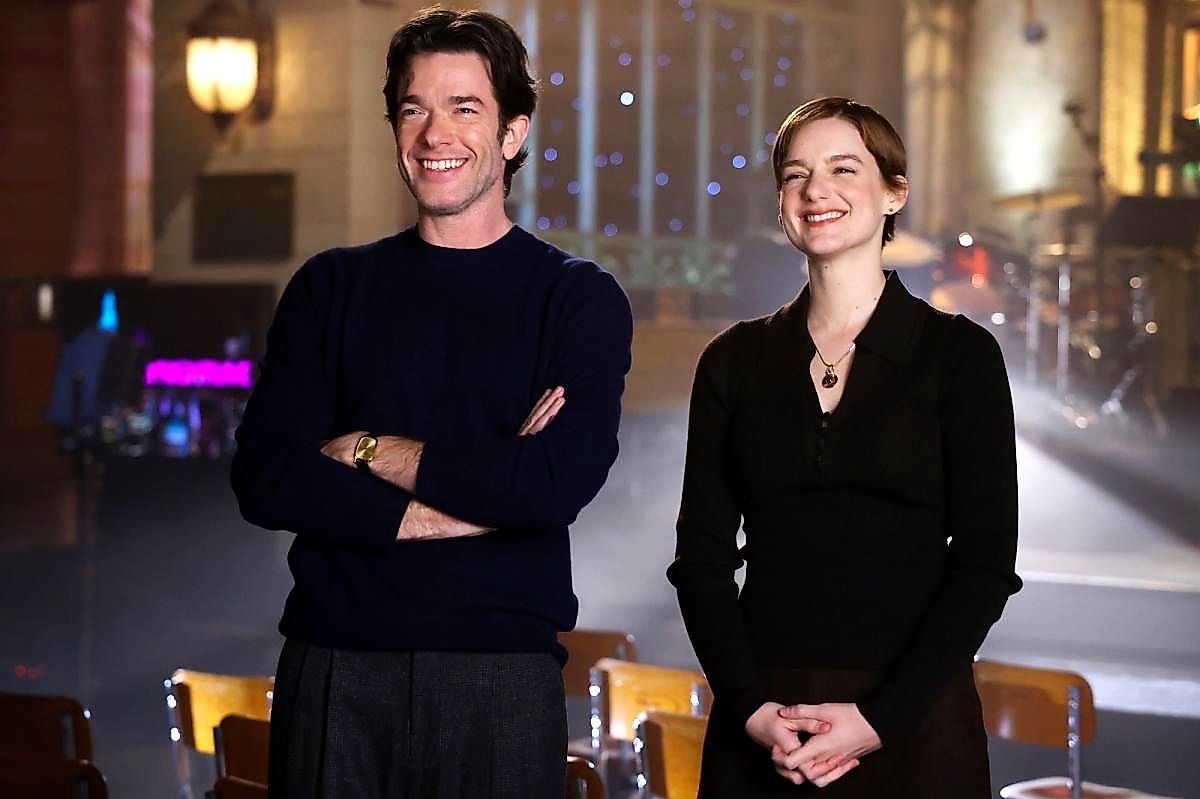
John Mulaney's 7th SNL Host Gig Drops New York Musical, Fans Are Shocked
Mulaney jokes that the New York Musical will feature a lobster-themed chorus, a detail that has fans buzzing.
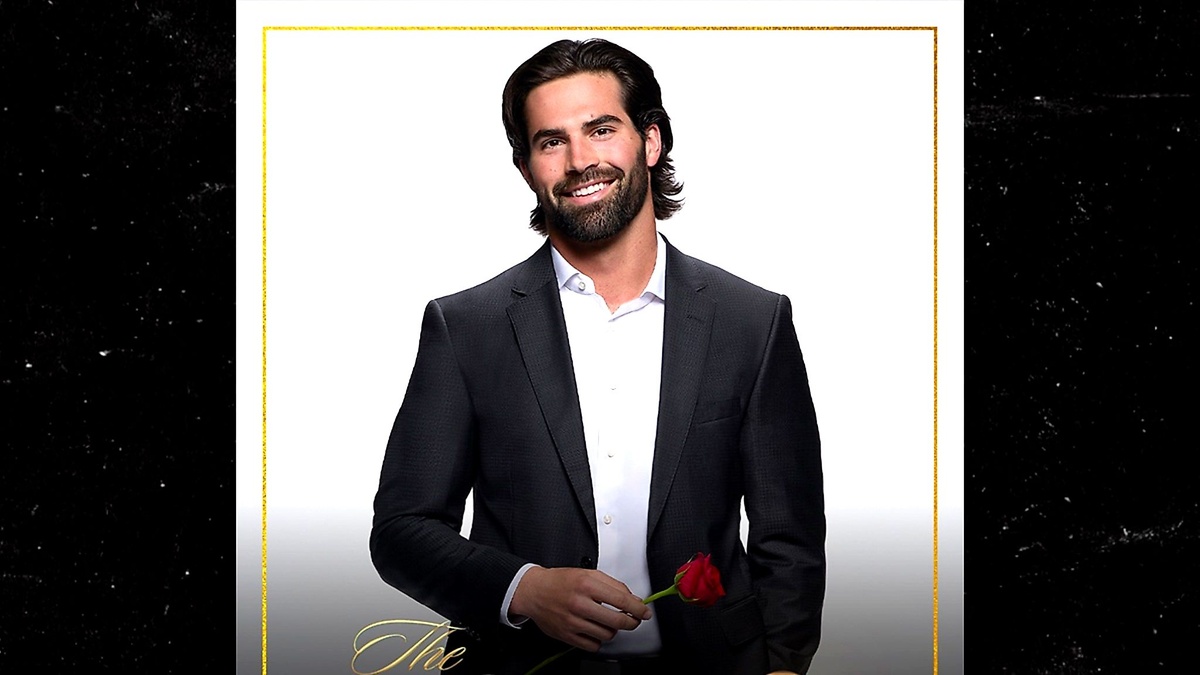
Sam Hartman's 27‑Year‑Old QB Switches to The Bachelor, Fans Shocked
Hartman admitted he first turned down the role, but a pitch from former star Jesse Palmer won him over—and now he'll have contestants battle in football challenges.