
Macklemore's 9‑Arena Refusal Shuts Doors to Free Palestine Tour
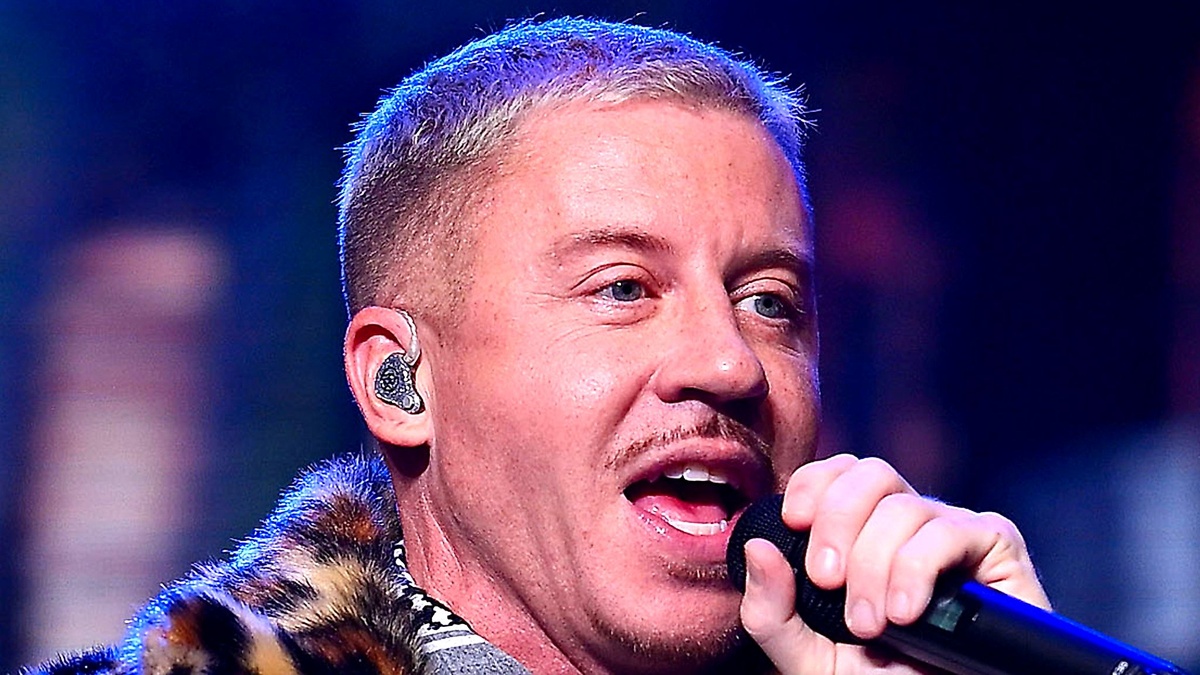
**Macklemore Fires Nine U.S. Arenas Over His Free Palestine Tour** The former Grammy‑winning rapper’s latest public outcry came in a long Instagram post that went viral within hours, as he accused a string of major U.S. venues of snubbing his planned “Free Palestine” benefit tour.
Macklemore—whose real name is Benjamin Haggerty—claimed that once the organizers learned the concerts would raise money for the Palestinian cause, Madison Square Garden, the Prudential Center, UBS Arena, Intuit Dome, the Kia Forum, Crypto.com Arena, Chase Center, and Climate Pledge Arena all turned the band down.
“The doors were closed. The conversations were all different, but the result was the same,” he wrote, insisting the arena owners feared the political implications of a “Free Palestine” banner.
The stakes for the artist and his supporters are higher than a few canceled dates. Macklemore’s previous activism—most notably his 2020 “Keep the Change” campaign in support of Palestinian prisoners—has earned him a loyal following that watches his social media closely.
Now, he frames the arena refusals as a coordinated effort by “those in power” to silence dissent, arguing that the phrase itself threatens the “systems of power” that the owners profit from.
The rapper’s own words paint a picture of intimidation and suppression, a narrative that resonates with many artists who have navigated the fraught intersection of commerce and conscience.
In an industry where venues are gatekeepers of profitability, the question of whether a concert can double as a political statement is increasingly controversial. Outside the United States, Macklemore’s “Free Palestine” tour has seen enthusiastic reception.
Sold‑out shows in Dublin, Paris, and London demonstrate that the global audience is ready to support a cause‑driven performance. Yet the same enthusiasm does not seem to translate across the Atlantic, where the logistical and financial power of large arena operators may outweigh public sentiment.
The rapper’s claim that “to these owners, the words Free Palestine represent a threat” hints at a deeper conflict: the tension between corporate interests and the cultural appetite for activism. ## Background & Context The “Free Palestine” tour is the latest chapter in a decade‑long effort by Macklemore to use his platform for political advocacy.
Since the early 2010s, the artist has interwoven activism into his music—most notably through tracks that call for political engagement and his outspoken support for Palestinian rights.
In 2020, he leveraged his streaming streams to fund a legal defense fund for Palestinians held in Israeli detention, a move that earned him both praise and criticism. In planning the U.S. leg of his benefit tour, Macklemore reportedly secured dates at nine of the country’s most prestigious arenas.
The original agreements included Madison Square Garden in New York, the Prudential Center in Newark, UBS Arena in New Jersey, Intuit Dome in Las Vegas, the Kia Forum in Los Angeles, Crypto.com Arena (formerly Staples) in Los Angeles, Chase Center in San Francisco, and Climate Pledge Arena in Seattle. the venues had been open to hosting the event—only when the organizers revealed the benefit’s political focus did the doors close.
He described each encounter as a “conversation” that ended with a uniform decision: the shows were no longer viable. This narrative places Macklemore’s frustration within a broader industry context, where venue owners weigh potential revenue against reputational risk.
A concert that champions a politically charged cause may attract scrutiny from sponsors, advertisers, or local regulators.
The question of whether the “Free Palestine” banner constitutes a threat is subjective, but for a corporate entity, any perceived risk can translate into lost ticket sales, boycotts, or strained relationships with partners.
Macklemore’s framing of these decisions as an act of suppression adds a layer of moral urgency to an already contentious issue. ## What People Are Saying Fans of Macklemore have flooded social media with support, echoing the rapper’s allegations of “intimidation, manipulation and suppression.” Thousands of comments have praised his willingness to stand up for a cause that many feel is misunderstood.
Some supporters have shared stories of how the artist’s activism has personally impacted their own activism, The rapid growth of the hashtag #FreePalestineWithMacklemore signals a strong desire among his audience to see the tour happen, whether in traditional arenas or alternative venues.
While the rapper’s post has garnered admiration from some quarters, it has also attracted skepticism from others who question the feasibility of a large‑scale benefit concert.
Critics point out that the logistical hurdles of booking venues, negotiating sponsorships, and securing charitable partners are immense, even for a well‑known artist.
They note that Macklemore’s claim that the arenas “turned them down” after learning of the tour’s purpose could be an oversimplification; venue owners often need to consider contractual obligations, insurance, and community impact before making final decisions. The broader music industry has remained largely silent.
When the magazine reached out to the arenas mentioned, no public statements were forthcoming. This silence has fueled speculation about the reasons behind the cancellations.
Some observers argue that the industry’s response—or lack thereof—mirrors a broader hesitancy to take explicit stances on geopolitical conflicts.
Others view the lack of comment as a strategic choice, a way to avoid entangling themselves in the political debate that could alienate portions of their customer base. ## What Happens Next Facing a roadblock in the United States, Macklemore has announced that he will “build our own stages.” This phrase, while figurative, signals a pivot toward alternative venues—perhaps smaller arenas, community centers, or outdoor festivals where the artist can retain control over the event’s political messaging.
The rapper’s online community has begun to organize pop‑up concerts and drive‑through benefit shows, leveraging grassroots networks to bypass traditional gatekeepers.
This grassroots approach aligns with the model of past benefit concerts that have successfully circumvented corporate restrictions, such as the “Live Aid” and “Hope for Haiti” events of the 1990s.
Internationally, Macklemore’s future shows appear secure, with sold‑out tickets already in hand for Dublin, Paris, and London. He has hinted at adding additional dates in other European capitals, hoping to amplify the campaign’s reach.
The artist’s management team is reportedly exploring partnership opportunities with non‑profit organizations that can host benefit concerts on a smaller scale, allowing the funds to reach their intended recipients more directly.
In the coming weeks, the industry will likely watch closely as Macklemore’s campaign unfolds. If the artist succeeds in staging his own concerts, it could set a precedent for how musicians navigate the intersection of art and activism.
Conversely, if the venture stalls, it may underscore the entrenched power of corporate entities in shaping cultural narratives.
Either way, the episode has spotlighted the broader question of whether artists can, and should, use their platforms to champion political causes within the commercial realities of the entertainment world. The story remains alive as Macklemore’s supporters rally and as the venues keep their responses quiet.
Only time will reveal whether the rapper’s “Free Palestine” tour can break through the barriers and resonate on U.S. stages, or whether the political climate will continue to keep the doors closed.
At a Glance
- Macklemore alleges nine major U.S. arenas canceled his "Free Palestine" benefit tour after learning its political focus.
- Fans rally online with the hashtag #FreePalestineWithMacklemore, while critics question the feasibility of a politically‑charged benefit event.
- The artist plans to build alternative stages, drawing parallels to past benefit concerts that bypassed corporate gatekeepers.
Why It Matters
Our Take
GoNews Pulse Editorial Team
This article was prepared for publication by GoNews Pulse and checked for publication requirements under our editorial standards. We review available information and correct material errors when they are identified.
Quick Answers
- What is the latest update on this story?
- Macklemore blasted that the nine arenas said 'the doors were closed' once he revealed the tour would benefit Palestine, sparking a storm of support and debate.
- Who is this story about?
- This article covers developments related to Macklemore's 9‑Arena Refusal Shuts Doors to Free Palestine Tour. GoNews Pulse's editorial team monitors the story and updates the article as new verified information becomes available.
- Where can I read more about celebrity news?
- GoNews Pulse publishes original reporting on celebrity news and related entertainment news. Visit the homepage or browse the section dedicated to this story for the latest coverage.
More From This Section
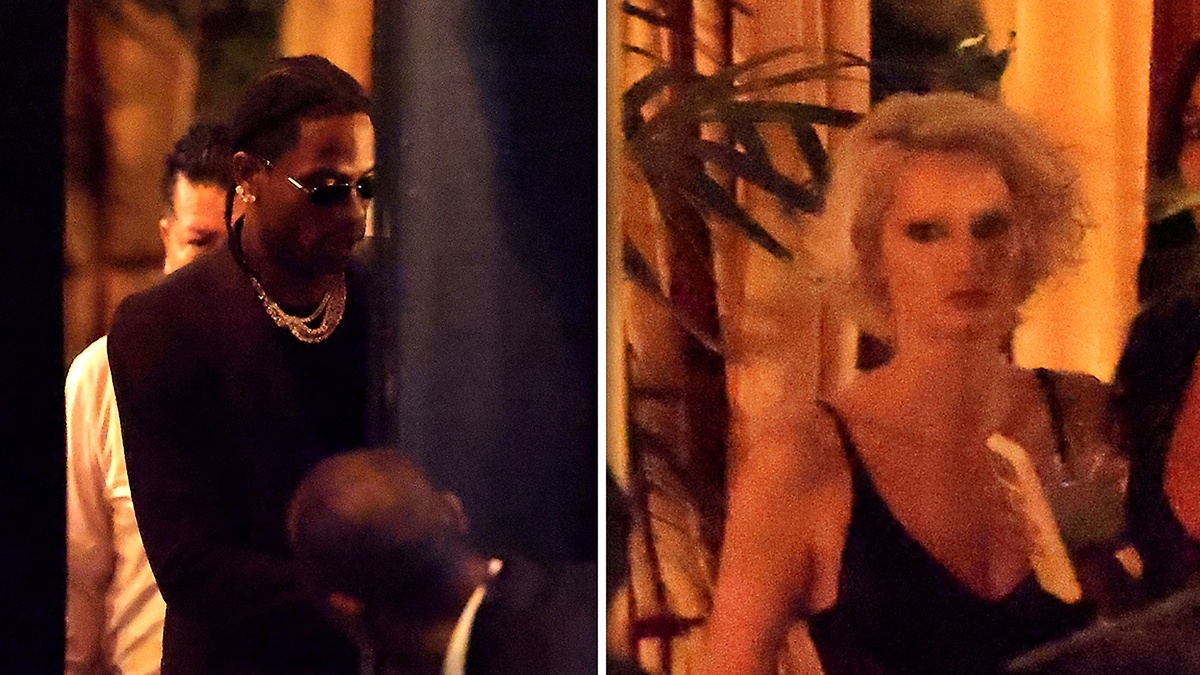
Travis Scott's 1‑AM exit from Chateau Marmont shocks GQ men
Travis Scott slipped out unannounced, leaving behind a stunned crowd of Hollywood stars like Matt Damon and Chris Rock, sparking wild speculation.
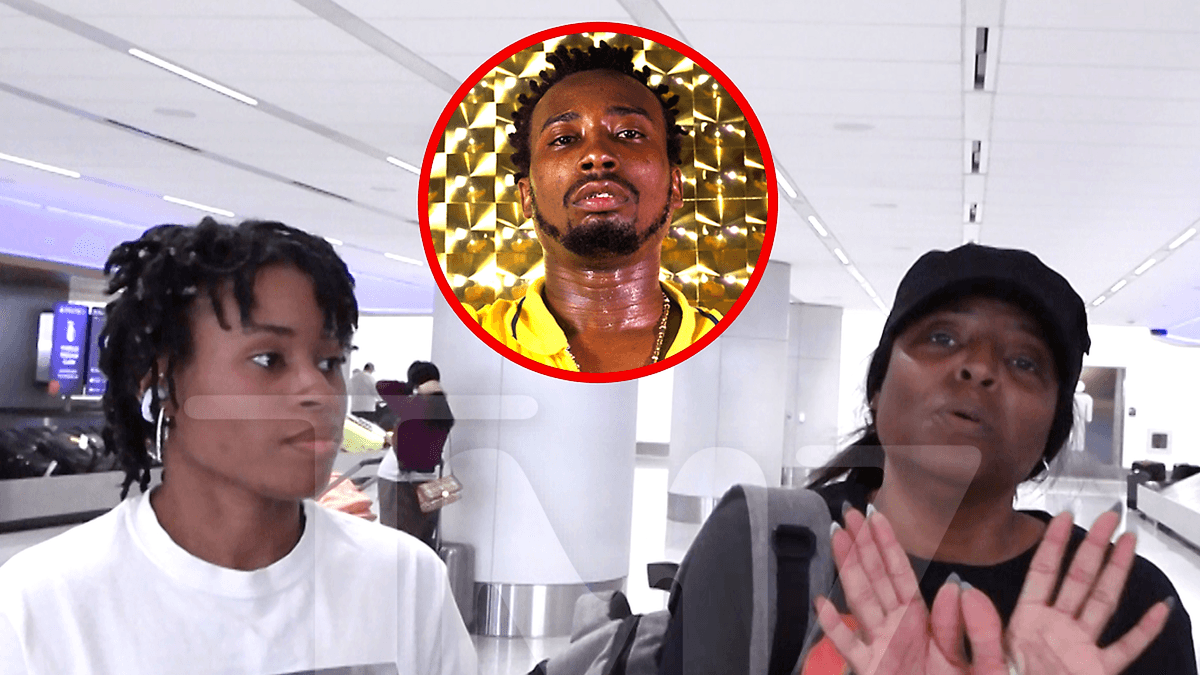
Young Dirty Bastard takes ODB’s Hall of Fame spot, 12 grandkids watch
Icelene Jones' tearful acceptance of the Wu‑Tang honor, joined by her son Young Dirty Bastard, stunned the Hall of Fame audience, highlighting ODB’s enduring legacy.
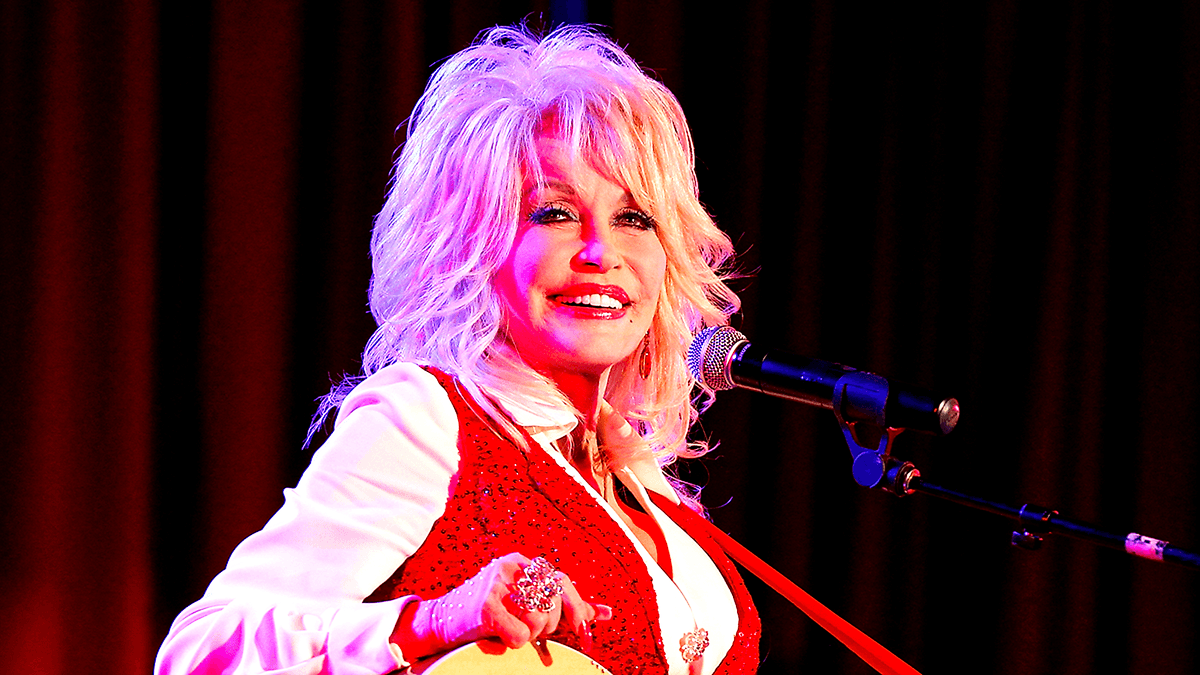
Dolly Parton's duet with Bono reveals 2‑person lawsuit—fans stunned
The duet’s haunting chorus hints at a ‘house divided,’ and the lawsuit was dropped after Seaver lost his security role in 2024, following months of legal wrangling.