
Dolly Parton's duet with Bono reveals 2‑person lawsuit—fans stunned
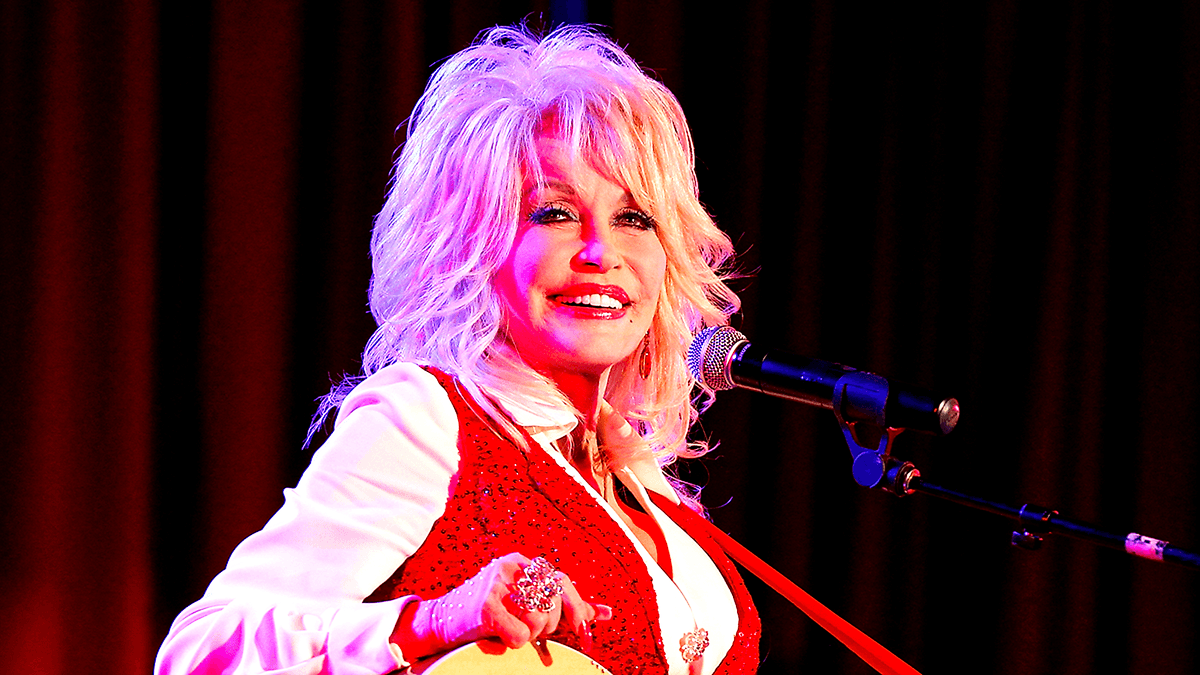
# Dolly Parton’s Final Song With Bono Turns Into a Family War Anthem, Shining Light on Estate Disputes When Dolly Parton’s voice, once synonymous with country charm, joined forces with Bono on U2’s “Torn,” fans were treated to a haunting duet that felt far more personal than any chart‑topping hit.
The track, released as part of the Irish band’s sixteenth studio album, “Carnaval de Luz,” showcases two voices weaving together a narrative that mirrors the turmoil unfolding within Parton’s own family.
The song’s stark chorus, “Torn apart these loving hearts / That beat and break the same / We share a house divided / And the blood that fills our veins,” resonated as an almost prophetic lament of a legacy in crisis. Behind the melody lies a legal showdown that has rattled the singer’s inner circle for months.
A dispute between her nephew, Bryan Seaver, and her long‑time manager, Danny Nozell, centered on alleged threatening texts sent by Seaver.
The conflict escalated to the point of a lawsuit, only to be withdrawn after Seaver’s dismissal as the estate’s head of security and the subsequent layoff of his sister, Rebecca Seaver, who managed the Dolly Parton Museum.
While the case officially closed, the emotional scars remain, making the duet’s lyrics feel eerily prescient.
In a time when the public is keen to see how celebrity families navigate the intersection of personal bonds and business, Parton’s last recorded collaboration offers a rare, intimate glimpse into the cost of fame and kinship. ## Background & Context The song “Torn” arrived during a period of intense scrutiny for Dolly Parton’s estate.
The estate, overseen by Danny Nozell’s company, She’s Alive LLC, had been embroiled in a high‑profile legal battle with Seaver, who claimed the texts were mischaracterized threats. Nozell, asserting the messages were a “misunderstanding,” filed a voluntary dismissal that abruptly ended the litigation.
The same period saw the resignation of Rebecca Seaver, a figure deeply involved with the late singer’s museum, signaling a wider purge of key family‑linked personnel from the estate’s operations.
In the album’s lyrical composition, Bono’s and Parton’s voices intertwine over a minimalist arrangement that accentuates the emotional gravity of the subject. Lines such as “Are you your brother’s keeper now?
Or know what you’re fighting for?” and “Nothing hurts a mother more than a family at war” suggest a personal reference to Parton’s own familial discord. While the artists never explicitly linked the song to the estate’s turmoil, the timing and thematic content cannot be dismissed as coincidence.
The narrative of a “house divided” has roots in the broader history of the Parton family. The late singer’s long‑standing influence in Nashville’s country music scene is intertwined with a complex web of business ventures, philanthropic endeavors, and familial alliances.
The estate’s sudden restructuring reflects not only legal necessities but also the personal tensions that have long plagued the family’s public image. ## What People Are Saying Fans of the duet have responded with a mix of admiration for the vocal chemistry and bewilderment at the lyrics’ possible double meaning.
Online forums buzz with speculation that the track serves as a subtle confession of a family in crisis, while others argue the songwriting simply draws from universal themes of love and conflict.
Social media comments note that the line “Torn apart these loving hearts” feels particularly resonant given the recent public revelation of the lawsuit’s dismissal. Music critics have highlighted the duet’s haunting quality, praising the synergy between Parton’s distinctive timbre and Bono’s soaring baritone.
The critics note that the song’s sparse production allows the emotional weight of the lyrics to shine through, making the track an emotional centerpiece of “Carnaval de Luz.” In interviews, the artists described the collaboration as an exploration of shared experiences and the universality of family struggles, suggesting that the song was never intended to be a direct commentary on the estate’s legal affairs.
However, the conversation has taken a sharper turn as reports emerged about the legal dispute. Fans familiar with the estate’s history see a pattern: the family’s business ventures have been plagued by public disagreements that spill into legal arenas.
The case involving Seaver, Nozell, and the alleged texts has become a case study in how familial relationships can be strained by financial interests and public perception.
The withdrawal of the lawsuit, coupled with Seaver’s removal from the estate’s security hierarchy, has left many to wonder whether the family’s public persona can withstand such internal fragmentation. ## What Happens Next With the lawsuit officially dismissed, the immediate legal threat to the estate’s operations has been neutralized.
Yet, the ripple effects of the conflict may persist for years. The departure of Seaver from his role as head of security and the layoff of Rebecca Seaver could signal a deeper realignment of the estate’s leadership structure, potentially reshaping how the legacy of Dolly Parton is managed.
The estate’s public spokesperson, in a recent statement, emphasized a commitment to healing and moving forward, hinting at a possible shift toward greater transparency and family involvement in decision‑making. Meanwhile, the duet’s release has sparked discussions about the role of art in reflecting personal turmoil.
Some observers predict that Parton’s next projects might delve deeper into themes of family cohesion and legacy, perhaps offering a new perspective on her brand.
The collaboration with Bono, a figure known for his advocacy and public activism, could pave the way for future partnerships that blend music with social commentary.
For fans and industry insiders alike, the unfolding story serves as a reminder of the delicate balance between private family dynamics and public entertainment careers.
As Dolly Parton’s legacy continues to evolve, the music industry will watch closely to see whether the estate can rebuild trust, heal wounds, and preserve the artistry that has defined a generation.
The duet, a tender yet potent testament to family division, stands as a final, bittersweet chapter in Dolly Parton’s storied career, inviting listeners to reflect on the enduring complexities of kinship, legacy, and the music that carries them.
At a Glance
- Dolly Parton and Bono’s duet "Torn" blends emotional lyrics with the ongoing estate dispute between nephew Bryan Seaver and manager Danny Nozell.
- The lawsuit, centered on alleged threatening texts, was voluntarily dismissed after Seaver was fired as head of security, leaving emotional scars but neutralizing the legal threat.
- Fans and critics view the song as a subtle commentary on family turmoil, sparking debate over art reflecting personal crisis versus universal themes.
Why It Matters
Our Take
GoNews Pulse Editorial Team
This article was prepared for publication by GoNews Pulse and checked for publication requirements under our editorial standards. We review available information and correct material errors when they are identified.
Quick Answers
- What is the latest update on this story?
- The duet’s haunting chorus hints at a ‘house divided,’ and the lawsuit was dropped after Seaver lost his security role in 2024, following months of legal wrangling.
- Who is this story about?
- This article covers developments related to Dolly Parton's duet with Bono reveals 2‑person lawsuit—fans stunned. GoNews Pulse's editorial team monitors the story and updates the article as new verified information becomes available.
- Where can I read more about celebrity news?
- GoNews Pulse publishes original reporting on celebrity news and related entertainment news. Visit the homepage or browse the section dedicated to this story for the latest coverage.
More From This Section
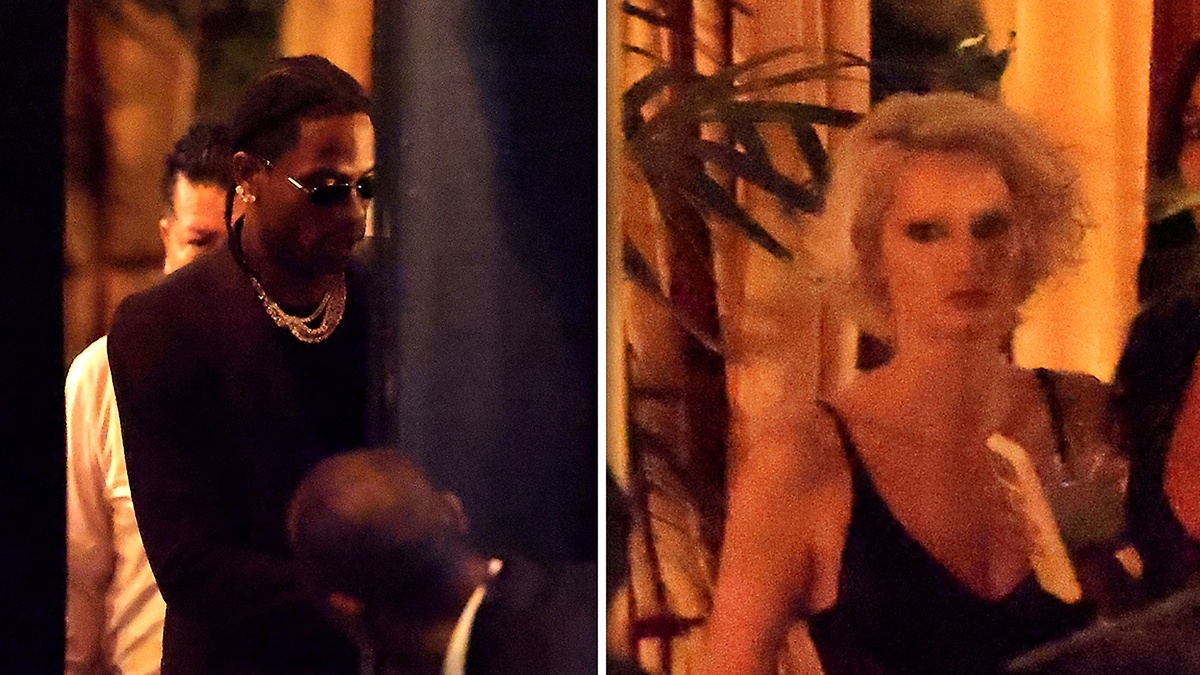
Travis Scott's 1‑AM exit from Chateau Marmont shocks GQ men
Travis Scott slipped out unannounced, leaving behind a stunned crowd of Hollywood stars like Matt Damon and Chris Rock, sparking wild speculation.
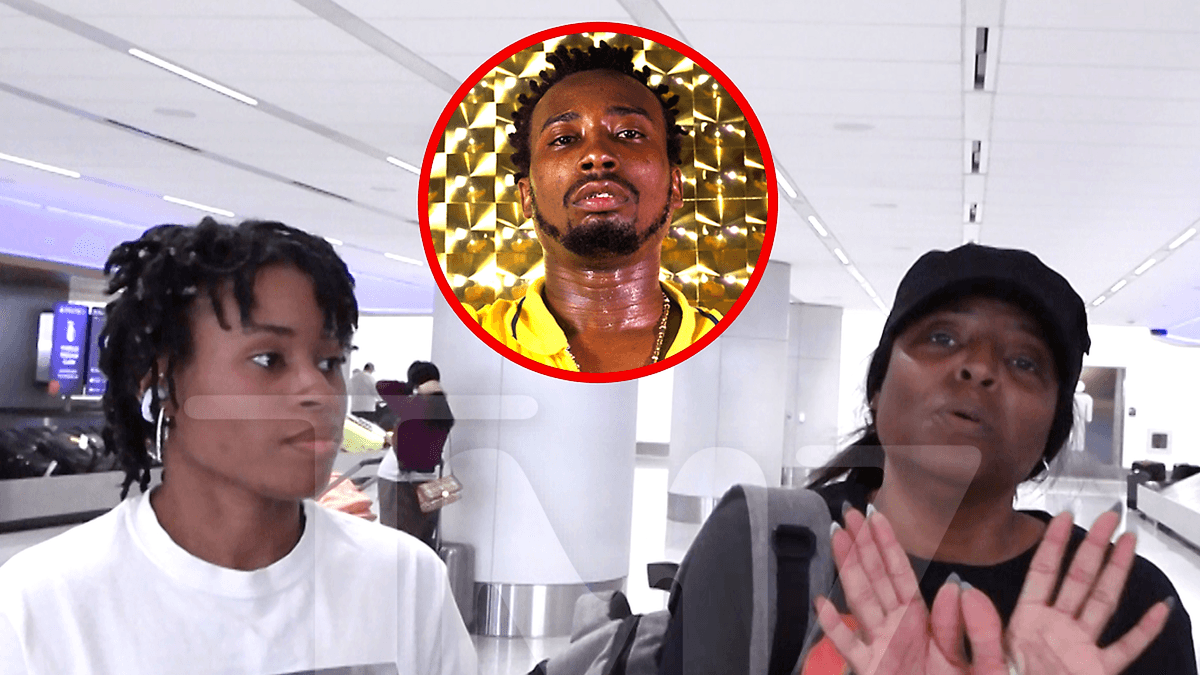
Young Dirty Bastard takes ODB’s Hall of Fame spot, 12 grandkids watch
Icelene Jones' tearful acceptance of the Wu‑Tang honor, joined by her son Young Dirty Bastard, stunned the Hall of Fame audience, highlighting ODB’s enduring legacy.

Rei Ami Breaks into US TV Hosting ABC’s ‘Who’s In The Band?’ Show
The pilot saw contestants perform inside color‑coded tubes, with judges eliminating acts live – a jaw‑dropping twist that has fans buzzing.