
Johnnie Bunn’s 4‑Month Hyperacusis Turns Tuner Into Sonic Thriller
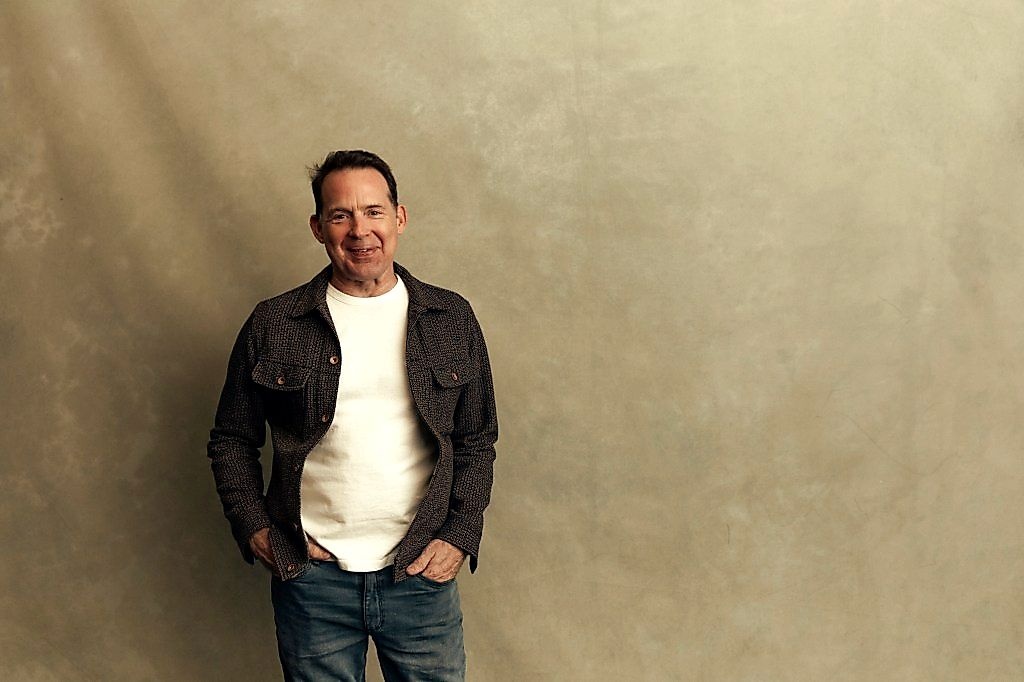
**Sound Design Meets Sensory Struggle: How Johnnie Bunn Transformed Hyperacusis Into a Thriller’s Pulse** When the script for the tense new film *Tuner* slid across the desk of seasoned sound designer Johnnie Bunn, the first thing that stopped him was the central premise: the protagonist, a former piano tuner turned safe‑cracking specialist, is suffering from hyperacusis, a rare auditory disorder that makes ordinary sounds unbearably loud.
Bunn’s reaction was not surprise but recognition—his own teenage years were haunted by the same condition. ### A Brief Flashback to a Blast In his late teens, Bunn witnessed an explosion that left him completely deaf for the first twenty minutes.
The sudden onset of hearing after that was accompanied by a relentless sensitivity; everyday noises became a relentless assault. “I could feel the speakers in my bedroom, but I couldn’t hear the music,” he recalls.
The hyperacusis lingered for nearly four months before gradually tapering off. That period left an indelible impression, forging in him a deep appreciation for the fragility and power of sound. ### From Pianos to Safes: A Professional Parallel The character in *Tuner* shares a lineage of meticulousness with Bunn.
Piano tuners must listen to minuscule deviations in pitch; safe‑crackers rely on the precise feel and sound of tumblers turning. Bunn’s background in musical acoustics gave him a unique advantage in translating the protagonist’s heightened sensitivity into an immersive filmic experience.
To prepare, he studied the intricate workings of safes when a friend moved into a new office in London called Bank.
The building’s rooms were filled with large safes that had once been part of a bank, and Bunn listened to the clinks and the subtle rustle of metal and wood to learn the “voices” of each lock, a task that demanded both technical precision and sensory restraint. ### The Coffee‑Shop Tension Perhaps the most emblematic scene in *Tuner* is a quiet coffee shop that becomes an auditory battlefield.
The soundscape is built from low‑volume domestic sounds: teacups clinking, the soft murmur of conversation, the hiss of a kettle. Bunn focused on how these small sounds are amplified for someone with hyperacusis, ensuring the scene mirrors the character’s own discomfort.
“In films with hyperacusis, you have to focus on the quiet,” he says. “It’s the small sounds that get amplified, not the big explosions.” ### Industry Resonance Bunn’s work on *Tuner* centers on his meticulous study of safe mechanisms and the acoustic signatures they produce.
While no conference appearances are mentioned in the source, his approach exemplifies how detailed research can inform sound design in film, especially when representing a medical condition as nuanced as hyperacusis. ### A Personal and Professional Turning Point For Bunn, the project was as much a personal catharsis as it was a professional milestone.
“It felt like I was standing in the shoes of someone who has lived through what I did,” he says.
He also joked about a potential career in safe‑cracking: “I thought working on the movie, if the sound thing doesn’t work out, at least I’d be good at cracking safes.” While he ultimately decided against a pivot, the experience broadened his skill set and opened new doors for future projects demanding a deep understanding of acoustics and human perception. ### The Cultural Conversation * Tuner* is more than a thriller; it’s a cultural artifact that underscores the importance of empathy in storytelling.
By foregrounding a medical condition often invisible, the film challenges audiences to confront their own sensory biases.
In a broader context, the film contributes to ongoing discussions about mental and physical health representation in media. ### A Final Note From a teenage explosion to a groundbreaking film, Johnnie Bunn’s journey illustrates how personal adversity can become a wellspring of artistic innovation.
By transforming his experience with hyperacusis into a sonic landscape that serves the story, he has elevated *Tuner* beyond conventional thriller tropes.
The film invites viewers into a world where quiet sounds can be more terrifying than any gunshot, and where the power of sound is felt as much in the ears as in the heart.
In an industry that often seeks to amplify the loudest moments, *Tuner* reminds us that sometimes the most compelling stories lie in the spaces between the notes—where the quiet becomes a thunderous echo of human perception.
At a Glance
- Bunn’s childhood hyperacusis shapes the film’s immersive soundscape.
- He studies real safe mechanisms to craft authentic auditory tension.
- The project sparks industry dialogue on representing sensory disorders in media.
Why It Matters
Our Take
GoNews Pulse Editorial Team
This article was prepared for publication by GoNews Pulse and checked for publication requirements under our editorial standards. We review available information and correct material errors when they are identified.
Quick Answers
- What is the latest update on this story?
- Johnnie Bunn layers the quiet of a coffee shop with his own hyperacusis, turning ordinary clinks into a deafening echo that fans say feels like a live wire, capturing the protagonist’s terror in a way
- Who is this story about?
- This article covers developments related to Johnnie Bunn’s 4‑Month Hyperacusis Turns Tuner Into Sonic Thriller. GoNews Pulse's editorial team monitors the story and updates the article as new verified information becomes available.
- Where can I read more about celebrity news?
- GoNews Pulse publishes original reporting on celebrity news and related entertainment news. Visit the homepage or browse the section dedicated to this story for the latest coverage.
More From This Section
Russell Brand's 10-Year Jail Sentence Shakes 2014 Lohan Interview
In the resurfaced clip, Brand called police cells “boring” and admitted he sought drugs, a confession that jolted a new scandal.

Kathy Ireland’s Yacht Explodes 3 Miles Off Santa Barbara—Rescue
Kathy Ireland says, “Engine exploded and a fire quickly melted all navigation equipment and survival raft!” as the yacht burned 3 miles off Santa Barbara.
Joe Jonas' 2025 Tour Turmoil Shuts Tatiana Gabriela's Love
A close source reveals the split was sealed after Jonas's 2025 tour dates clashed with Gabriela’s modeling commitments, leaving fans stunned.