
James Talarico's double‑digit win shocks Texas, flips Senate seat
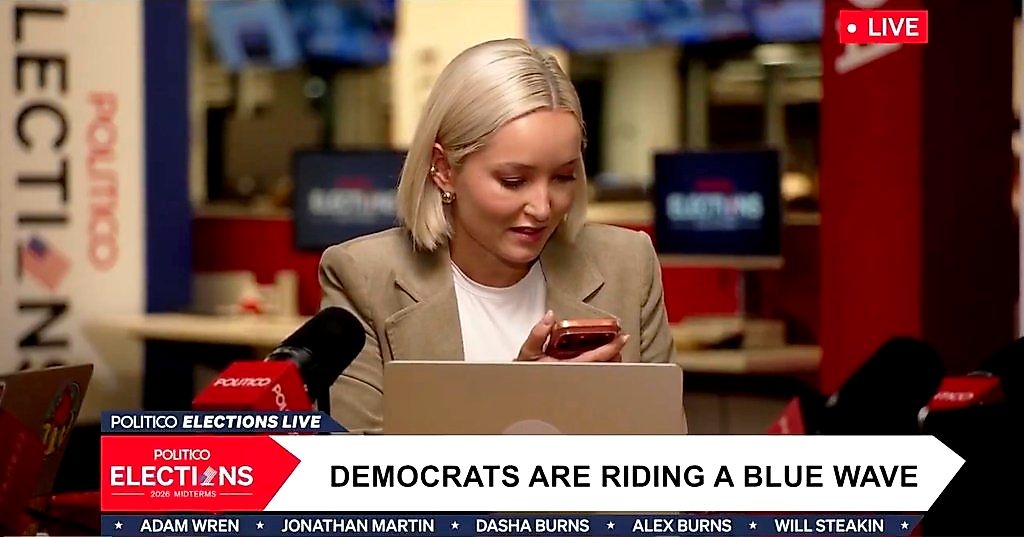
# James Talarico Wins Texas Senate by Double Digits, Defying All Midterm Expectations In a night that will be replayed in history books, the Texas Senate seat that many had labeled a toss‑up swung in a decisive, double‑digit margin toward Democrat James Talarico.
Weeks of betting that the race would be a tight contest ended when early returns revealed a surprisingly comfortable lead for Talarico, flipping a seat that had long been considered a Republican stronghold. The surprise was amplified by Vice President J.D.
Vance’s own comments. After the results were called, he shared on social media that the real issue was not turnout but that a sizable portion of voters who had supported him and former President Trump in 2024 were now backing Democrats in 2026.
Vance’s post underscored the broader theme of the night: a wave that caught even seasoned strategists off‑guard. From the first tick of the counting clock, the evening unfolded as a saga of shifting allegiances.
Early returns from Indiana’s eastern precincts hinted at trouble for incumbent Republican Rep. Victoria Spartz, while Kentucky’s results saw Democrat Zach Dembo unseat a long‑time GOP representative.
A network’s analyst, who remained anonymous, remarked that the early surge for Democrats was an indicator of the larger trend that would become undeniable as the evening progressed. ## Background & Context The midterm elections have long been seen as a litmus test for the sitting president’s party.
In 2022, the GOP reclaimed the House and a narrow Senate majority, setting a baseline for a potential backlash in 2026. However, the Texas race told a different story.
James Talarico, a former prosecutor with a record of bipartisan cooperation, secured a double‑digit margin over former state attorney general Ken Paxton—a result that many had predicted would hinge on a razor‑thin line.
The sheer scale of the victory surprised campaign teams that had built their forecasts around a “close call” narrative. Beyond Texas, the evening produced a flurry of seat flips that reshaped the chamber’s composition.
In South Carolina, Democrat Annie Andrews captured the Senate seat that had long been a GOP bastion, a win that one commentator described as “brutal” for the incumbent party.
The night’s crescendo was marked by the simultaneous projection of a Democratic win for the Texas Senate race and a victory for Democratic gubernatorial candidate Gina Hinojosa—two high‑profile contests that confirmed the depth of the wave.
When the state’s first in‑person polls began closing, the early data leaned heavily toward Democratic outcomes, a trend that continued throughout the night. Historically, the midterm turnout has favored the opposition party, but this election diverged from that pattern.
A data analyst noted that the early vote—historically a bellwether for the winning party—actually reflected a broader realignment of voters. The pattern suggested that a segment of the electorate was reexamining their loyalties, a shift that had already manifested in the early results from Indiana and Kentucky.
By the time the night’s climax arrived, the magnitude of the swing was unmistakable, and the narrative shifted from “expected” to “unprecedented.” ## What People Are Saying The media’s reaction mirrored the shock of the results.
A senior commentator on a progressive cable channel, known for his data‑driven approach, called the evening “a new chapter in American politics.” He added that the early returns from Indiana and Kentucky had foreshadowed the wave that would later erupt in Texas, South Carolina, and beyond.
A data scientist who streamed the live tally for hours claimed, “I’m seeing things I’ve never seen before,” as the numbers swelled, highlighting how the digital age allowed for real‑time engagement that felt almost as dramatic as a courtroom drama.
In the same vein, a political analyst who livestreamed the night’s tally until 3:26 a.m. remarked, “I was sure 13 hours would be fine, but things caught up to me.” The stream, which drew millions of viewers, underscored how the audience had moved beyond passive viewing to an immersive, real‑time experience.
Meanwhile, a host of a left‑leaning network—an outlet that had recently spun off from a larger corporation—opened the night with a statement of triumph: “For the party and every voter who turned out tonight, the celebration can begin.” That announcement set the tone for an evening dominated by celebratory commentary and an undercurrent of cautious optimism for future elections.
The former president’s presence on the night’s television was also a focal point. A prominent national newspaper had arranged an interview in which he, surprisingly, chose not to contest the results.
Instead, he congratulated his rivals, a move that was met with relief by those who had feared a prolonged legal challenge.
In a separate conversation with a reporter from a well‑known political news outlet, he reflected on his role, saying, “I wasn’t on the ballot, and we didn’t get the people out.” The comments echoed a broader sentiment that the political narrative was moving toward acceptance, even as partisan divisions remained stark.
Voters themselves were active on social platforms, and a former congressional staffer who shared an insider perspective remarked that “the people who once voted for the Republican ticket are now looking at the Democratic lineup with a new lens.” Their observations added a layer of depth to the numbers, illustrating that beyond raw data, the night reflected a complex realignment of priorities and values. ## What Happens Next With the Democratic Party having captured a substantial number of seats, the next few months will be pivotal for both parties.
The Senate will now have an altered balance of power, giving the Democrats a greater capacity to shape legislation on issues ranging from climate policy to healthcare reform.
A Senate committee chair, newly elected, expressed that the victory “opens doors for bold policy changes that were previously unattainable.” In Texas, Governor Gina Hinojosa’s win signals a potential shift in the state’s policy agenda.
She has signaled a focus on infrastructure and education funding, and her administration is already assembling a team to implement these priorities. For the GOP, the loss may prompt introspection, especially as the party seeks to redefine its messaging in a post‑Trump era.
Political strategists are already examining the factors that led to the swing, with particular attention to voter turnout in suburban districts and the appeal of moderate candidates. Across the nation, the results will also influence the 2028 presidential race.
Analysts predict that the new Senate majority could embolden the Democratic front‑runner to push for more progressive policies, while the Republican Party may attempt to distance itself from the former president’s brand.
The shift in voter sentiment in key swing states could shape campaign strategies, candidate selection, and fundraising approaches in the coming years. The aftermath of the night will also include a flurry of legislative sessions.
The newly formed Senate majority will convene to elect leadership, appoint committee chairs, and set a legislative agenda. In the House, the shift toward the Democrats will likely accelerate discussions on bipartisan infrastructure bills and social safety nets.
Meanwhile, both parties will be watching the performance of their respective campaign teams, preparing to adapt to the changing political climate that the midterms have revealed. As the dust settles, the nation will be left to process a moment that has altered its political trajectory.
The double‑digit victory in Texas and the cascade of wins that followed serve as a reminder that the electorate can—and will—change course in unpredictable ways. The night will be remembered as a watershed moment, marking a profound shift that will reverberate through every subsequent election cycle.
At a Glance
- James Talarico lands a double‑digit margin, flipping a long‑time GOP stronghold in Texas
- Vice President J.D. Vance highlights a surprising shift of former Trump voters to Democrats
- The Senate gains a new majority, setting the stage for a shift in federal policy and 2028 strategies
Why It Matters
Our Take
GoNews Pulse Editorial Team
This article was prepared for publication by GoNews Pulse and checked for publication requirements under our editorial standards. We review available information and correct material errors when they are identified.
Quick Answers
- What is the latest update on this story?
- Vice President J.D. Vance tweeted that voters who once backed Trump are now backing Democrats, a shock that stunned the Texas race.
- Who is this story about?
- This article covers developments related to James Talarico's double‑digit win shocks Texas, flips Senate seat. GoNews Pulse's editorial team monitors the story and updates the article as new verified information becomes available.
- Where can I read more about celebrity news?
- GoNews Pulse publishes original reporting on celebrity news and related entertainment news. Visit the homepage or browse the section dedicated to this story for the latest coverage.
More From This Section
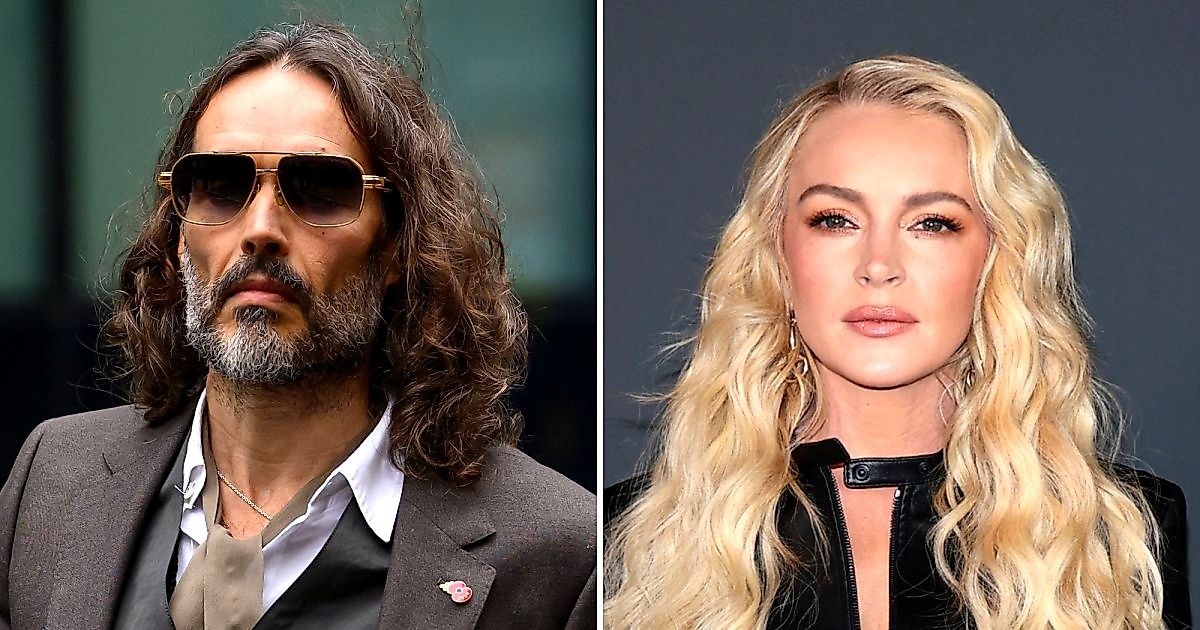
Russell Brand's 10-Year Jail Sentence Shakes 2014 Lohan Interview
In the resurfaced clip, Brand called police cells “boring” and admitted he sought drugs, a confession that jolted a new scandal.

Kathy Ireland’s Yacht Explodes 3 Miles Off Santa Barbara—Rescue
Kathy Ireland says, “Engine exploded and a fire quickly melted all navigation equipment and survival raft!” as the yacht burned 3 miles off Santa Barbara.

Joe Jonas' 2025 Tour Turmoil Shuts Tatiana Gabriela's Love
A close source reveals the split was sealed after Jonas's 2025 tour dates clashed with Gabriela’s modeling commitments, leaving fans stunned.