
Emma Willis's 4.8-Million Viewer Drop Shocks Fans, 6.2 Million Loss
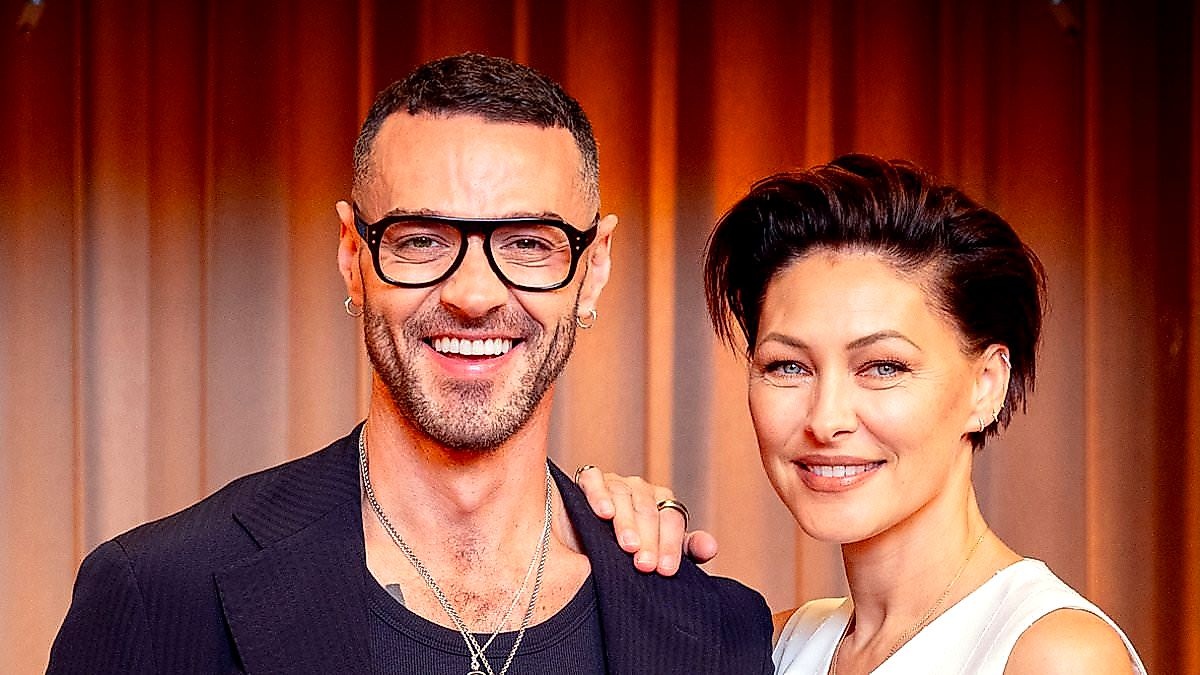
**Emma Willis Wins Amid Strictly’s 4.8‑Million‑Viewer Drop** When Emma Willis stepped onto the dancefloor to host this season’s Strictly Come Dancing, the move felt like a plot twist that nobody saw coming.
Her new role, paired with comedians Josh Widdicombe and Johannes Radebe, was announced as a “curveball” that would shake up a franchise that has long been a staple of British television.
Yet while the ratings slipped to 4.8 million viewers for the first live episode—a stark contrast to the 6.2 million that tuned in last year—Willis has kept her composure, her confidence, and her family’s support firmly in the spotlight.
Matt Willis, Emma’s husband and former pop‑group member, has been the loudest champion of his wife’s bold leap. In an interview two days before her debut, he declared that Emma was “really happy, really excited” and that the role was “perfect” for her.
He painted her as a seasoned presenter who’d stepped into the spotlight with a clear sense of purpose, even if the job had not been on their “bingo card” for 2026. Matt’s words echo a broader narrative that many fans feel: that Emma’s natural charisma and polished delivery might outweigh the critics’ initial doubts.
The new trio’s first night was anything but seamless. Josh Widdicombe, 43, hovered over the dancefloor, while Johannes Radebe, 39, conducted backstage interviews.
The audience felt a dissonance that had not been there when Tess Daly and Claudia Winkleman led previous seasons. Viewers took to social media, comparing the new hosts to seasoned veterans and noting moments when Josh missed a cue.
The numbers reflected that tension, with a 4.8‑million audience that represented a noticeable drop from last year’s 6.2 million and a first‑time low since 2019. ## Background & Context Strictly Come Dancing has evolved into a cultural institution since its 2004 debut.
Its longevity has hinged on a rotating roster of hosts who bring personality, wit, and a touch of class to the ballroom. Tess Daly’s long‑standing partnership with Claudia Winkleman set a benchmark that new presenters have struggled to match.
The 2026 season brought a bold change: Emma Willis, known for her sharp hosting on other prime‑time shows, joined Josh Widdicombe and Johannes Radebe in a trio that felt, for many, like an unexpected recipe. The decision to pair Willis with the two comedians was not made in a vacuum.
Behind the scenes, the BBC was grappling with a series of controversies that had shaken the show’s reputation. Allegations regarding the treatment of celebrity contestants and an unspoken culture of pressure led to the departure of professional dancers Giovanni Pernice and Graziano Di Prima.
In response, the BBC announced stricter welfare measures to protect dancers and contestants alike. These changes added a layer of sensitivity to the hosting role, as presenters were now tasked with navigating a more delicate terrain while keeping the show’s high entertainment standards intact.
Willis’s move was heralded as a “curveball” because the role had not been anticipated as a career milestone for her. Matt Willis’s commentary—describing the job as “the biggest job on TV” and a “dream” that had “not been on our bingo card”—underscores the unexpected nature of this career shift.
The timing, amid the BBC’s renewed focus on contestant welfare, added further intrigue, placing Willis at the center of a franchise in transition. ## What People Are Saying The first live episode sparked a flurry of reactions across the internet.
Many viewers expressed disappointment with the new hosting lineup, suggesting that Josh Widdicombe seemed like a “spare part” beside Willis’s seasoned presence. Critics pointed out that he missed a cue twice, a slip that many felt was emblematic of the overall mismatch between the hosts.
This critique was amplified by the 4.8‑million audience figure, a significant drop from the 6.2‑million that tuned in to the 2025 season’s premiere. Emma, however, largely sidestepped the negativity with a composed social‑media presence.
On Tuesday, she shared a series of behind‑the‑scenes snaps from the rehearsal stage, paired with a quote that read: “You’ll get judged either way, so may as well pick the fun option.” The post resonated with her supporters, who flooded her feed with encouraging comments, including a heart emoji from Johannes himself.
Her calm response helped to mitigate some of the backlash and positioned her as a figure of resilience. Meanwhile, Matt Willis continued to defend his wife publicly.
He praised her “love for the show” and her readiness to take on the role, framing the criticism as an opportunity for her to shine.
His insistence that Willis was “perfect for it” reflected a broader sentiment among her fans, many of whom appreciate her polished delivery and feel that her presence brings credibility to the revamped show. The rating dip was noted by industry observers who compared it to the show’s historical highs.
The 2023 season, before the controversies, had peaked at 6.7 million viewers, averaging 6.3 million. The 2024 launch saw a pre‑recorded episode that peaked at 5.8 million, up slightly from last year’s 5.6 million.
Despite these modest gains, the first live episode’s 4.8 million audience remains a concerning indicator that the audience’s engagement has slipped in the wake of the lineup changes and broader controversies. ## What Happens Next The BBC’s next steps will likely involve a careful evaluation of the new hosting trio’s chemistry and audience reception.
Given the current ratings trajectory, the network may need to reassess its strategy for promoting the show and engaging viewers. A possible approach could involve integrating more familiar faces or revisiting the format to rekindle the energy that once drew millions.
For Emma Willis, the next few weeks will be crucial. If she can translate her backstage enthusiasm into a compelling on‑screen presence, she may not only salvage the current ratings dip but also set a new standard for future hosts.
Her social‑media strategy, focusing on authentic behind‑the‑scenes glimpses and a positive message about embracing judgment, could resonate with a younger, more engaged audience that values transparency. Josh Widdicombe and Johannes Radebe will also need to adapt.
Their comedic styles and interviewing techniques may require refinement to align better with the show’s tone and audience expectations. Whether they can find a rhythm that complements Willis’s steadiness remains to be seen.
Industry insiders suggest that the BBC’s stricter welfare measures for dancers and contestants will be a decisive factor in restoring public confidence. Demonstrating that the show is taking concrete steps to protect its participants could help attract viewers who were previously wary due to the controversies.
Ultimately, the trajectory of this season will hinge on a delicate balance between honoring the show’s legacy and innovating to meet contemporary expectations. Will Emma Willis rise to the occasion, or will the show need to pivot once more to capture the hearts—and the 4.8‑million‑viewer deficit—of the audience?
Emma Willis’s journey through this season is already a story worth following. With her supportive family, a network willing to take risks, and an audience eager for quality entertainment, the next chapters of Strictly Come Dancing promise both challenge and opportunity.
At a Glance
- Emma Willis steps in as host with comedians Josh Widdicombe and Johannes Radebe, causing ratings to tumble to 4.8 million—a first low since 2019.
- Matt Willis praises her enthusiasm while fans criticize Josh’s cue misses, leading to a sharp social‑media backlash.
- BBC responds with stricter welfare measures for dancers, signaling a potential shift in the show’s format and hosting strategy.
Why It Matters
Our Take
GoNews Pulse Editorial Team
This article was prepared for publication by GoNews Pulse and checked for publication requirements under our editorial standards. We review available information and correct material errors when they are identified.
Quick Answers
- What is the latest update on this story?
- Matt Willis called Emma "really happy, really excited" as the new trio's first episode pulls a 4.8‑million audience, sparking a storm of criticism.
- Who is this story about?
- This article covers developments related to Emma Willis's 4.8-Million Viewer Drop Shocks Fans, 6.2 Million Loss. GoNews Pulse's editorial team monitors the story and updates the article as new verified information becomes available.
- Where can I read more about celebrity news?
- GoNews Pulse publishes original reporting on celebrity news and related entertainment news. Visit the homepage or browse the section dedicated to this story for the latest coverage.
More From This Section

Jon Gosselin's 22‑Year‑Old Son Exposes Abuse, Father Shouts Support
Jon Gosselin declares that his son’s 22‑year‑old memoir exposes alleged institutionalization and a hidden ‘small holding’ cell, sparking a national debate.

Mike Colter's Valley Firm AGI Bo Revealed at 2:00 a.m. Shocks Fans
Rob McClure's portrayal of Bo forces the firm to confront a real‑world AGI asking for legal guardrails, sparking a tense ethical debate.

Meredith Grey's bed proposal to Nick on surgery table stuns fans
Meredith Grey slipped a ring into Nick's hand while he lay on the operating table, a move that stunned fans amid the bridge collapse.