
Dianna Russini's BetUS Launch Crashes Stream, Fans Wait 60 Minutes
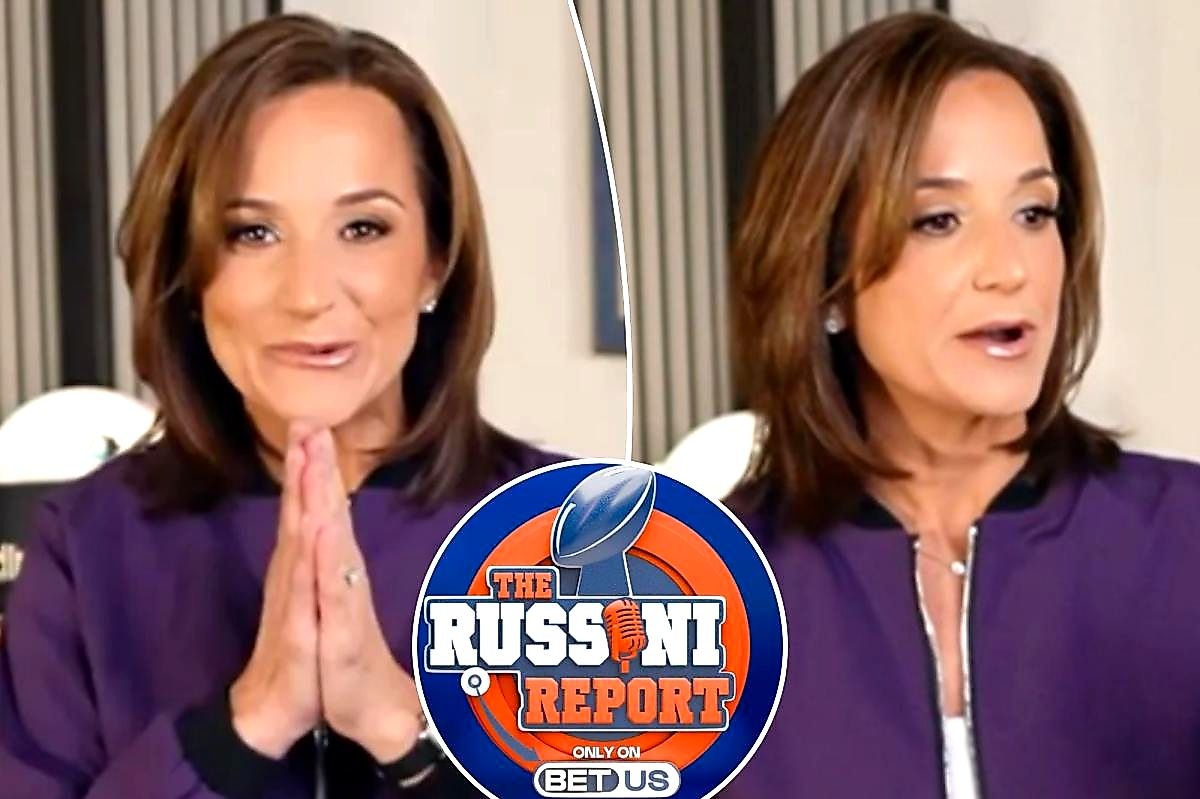
# **Dianna Russini’s BetUS Premiere Crashes the Internet in Record‑Breaking Chaos** The morning the sports‑betting channel BetUS unveiled *The Russini Report*, the world almost paused.
Former ESPN contributor Dianna Russini, who had been quietly out of the spotlight for six months, appeared on live television for the first time since a tabloid photo of her holding hands with New England Patriots head coach Mike Vrabel at a resort in Arizona made headlines.
The broadcast was meant to launch at noon, but viewers had to wait an hour behind a looping “show starting soon” screen, all set to a bland club‑style beat that echoed an empty dance floor in Tampa.
In the end, the stream crashed under the weight of a record‑breaking audience that pushed BetUS to add “more seats” for everyone. The irony is palpable.
A former high‑profile sports journalist, who had built a reputation for incisive analysis on ESPN, is now hosting a program that feels more like a late‑night podcast than a polished broadcast.
The show, filmed in what looked like a modest home office, featured Russini addressing the Vrabel affair, offering commentary on Lamar Jackson’s future, and interviewing radio hosts Damon Amendolara and Spike Eskin.
The episode also included a surprise appearance from Hall‑of‑Fame coach Bill Parcells, who answered a handful of questions in a brief, almost ceremonial call‑in. What’s striking is not just the mishap but the broader context.
BetUS, a sportsbook headquartered in Costa Rica, operates without a license from any U.S. state gaming authority.
Its foray into sports journalism through Russini’s program raises questions about the credibility of betting‑site‑owned media and the evolving nature of sports coverage in the age of digital streaming. ## Background & Context Dianna Russini’s trajectory in sports journalism has been anything but conventional.
After a tenure as a senior reporter for The Athletic and stints as an on‑air analyst for ESPN, her sudden departure came under a cloud of controversy. A photo published by a gossip outlet showed her smiling hand‑in‑hand with Mike Vrabel, a former NFL head coach, at a private resort.
The image sparked speculation about her personal life and led to her resignation from The Athletic. In the months that followed, Russini stayed largely out of the public eye, sparking speculation about her next career move.
When BetUS announced its partnership with Russini, the announcement was both surprising and strategic. The sportsbook, which has long been a contender in the online betting arena, sought to capitalize on Russini’s name recognition and her deep understanding of the NFL.
The decision to launch *The Russini Report* as a streaming debut seemed a bold attempt to merge sports journalism with betting culture. The show’s premise was simple: deliver timely, insider‑style commentary on the NFL and other sports through a lens that would appeal to bettors.
The premiere itself was an exercise in unpolished ambition. The production setup was minimal—a single desk, a few lamps, and a backdrop that resembled a typical home office.
There were no flashy graphics, no multi‑camera angles, and no live studio audience.
Yet, the platform’s social media hinted at a massive viewership, claiming that the show “drawn a record‑breaking audience” and that BetUS was “adding more seats.” The reality was a half‑hour of pre‑taped material that aired with the same static visuals and background music as the delayed preview. ## What People Are Saying Word of the premiere’s technical hiccup spread quickly across social media.
Viewers who had signed up early found themselves waiting for a show that had not yet begun. The “show starting soon” loop, accompanied by an almost club‑style soundtrack, became a meme in its own right.
Comments ranged from frustration over the delay to admiration for Russini’s candor during the broadcast. Many praised her decision to address the Vrabel affair head‑on, calling it a mature move that demonstrated her willingness to confront the rumors that had dogged her career.
Critics, however, were quick to point out the lack of production polish. Descriptions such as “HBO‑style” and “live‑streamed with no delay” were met with skepticism, as the visual presentation bore little resemblance to mainstream sports programming.
Some fans noted that the show’s format—mixing monologues, interviews, and guest calls—felt more like a first‑episode attempt than a fully realized series. Nonetheless, the sheer volume of viewers that logged on to BetUS during the premiere was undeniable.
In a world where sports betting apps and streaming services compete for eyeballs, the number of people who tuned in, even in a delayed capacity, suggests a substantial audience base. The reactions also highlighted a broader trend in sports media.
Audiences are increasingly drawn to “behind‑the‑scenes” content that offers a personal touch, especially when delivered by familiar faces like Russini. While some lament the lack of high‑budget production values, others find value in the authenticity and immediacy of the content.
This dynamic is the changing expectations of sports consumers, who are now looking for both depth and convenience. ## What Happens Next The fallout from *The Russini Report*’s debut has set a clear agenda for BetUS and Russini alike. If the initial viewership numbers were any indicator, the partnership has potential.
The sportsbook’s owners are likely to invest in better production infrastructure, perhaps adding multi‑camera setups, higher‑quality graphics, and live‑streaming capabilities that can handle large audiences without crashing.
A move towards a more professional studio environment could elevate the show’s credibility and attract a broader segment of sports fans. For Russini, the experience offers both a challenge and an opportunity.
By taking ownership of a show, she has stepped outside the confines of traditional commentary. The upcoming episodes will need to balance her personal brand—known for hard‑hitting analysis and straightforward delivery—with the expectations of a betting audience that values actionable insights.
A clearer focus on data, predictive modeling, and real‑time betting tips could distinguish *The Russini Report* from other sports‑betting programs. the scandal surrounding her relationship with Vrabel may have lasting implications for her career.
While she did address the issue briefly, the conversation was short and lacked depth. Future seasons could benefit from a more comprehensive exploration of how personal narratives intersect with professional credibility.
If Russini can successfully navigate this terrain, she may redefine the role of sports journalists in the betting era, positioning herself as both a trusted analyst and a savvy marketer. The next step for BetUS will also involve regulatory considerations.
Operating in a jurisdiction without a U.S. state gaming license means that the company must be mindful of evolving laws around sports betting. A more polished, high‑profile show could attract scrutiny from regulators, necessitating a careful balance between marketing and compliance.
In any case, the premiere’s dramatic crash was a stark reminder that ambition without infrastructure can backfire. But it also showcased a willingness to experiment—an approach that may resonate with a new generation of sports fans who crave authenticity over polish.
In the end, Dianna Russini’s venture into betting‑site‑backed sports journalism may be a misstep or a masterpiece, depending on how she steers the ship from here. The next episode will be the real test, and the world will be watching.
At a Glance
- BetUS’s first BetUS Premiere, hosted by former ESPN contributor Dianna Russini, collapsed under a record‑breaking audience that forced the platform to add more seats.
- The production was minimal—single desk, bare backdrop, no graphics—creating a raw, podcast‑like feel that drew mixed reactions from fans.
- The incident highlights growing concerns over betting‑site‑owned media, questioning credibility and regulatory oversight as sportsbooks expand into sports journalism.
Why It Matters
Our Take
GoNews Pulse Editorial Team
This article was prepared for publication by GoNews Pulse and checked for publication requirements under our editorial standards. We review available information and correct material errors when they are identified.
Quick Answers
- What is the latest update on this story?
- BetUS's stream crashed after 3 million viewers flooded the feed, forcing the site to add extra seats.
- Who is this story about?
- This article covers developments related to Dianna Russini's BetUS Launch Crashes Stream, Fans Wait 60 Minutes. GoNews Pulse's editorial team monitors the story and updates the article as new verified information becomes available.
- Where can I read more about celebrity news?
- GoNews Pulse publishes original reporting on celebrity news and related entertainment news. Visit the homepage or browse the section dedicated to this story for the latest coverage.
More From This Section
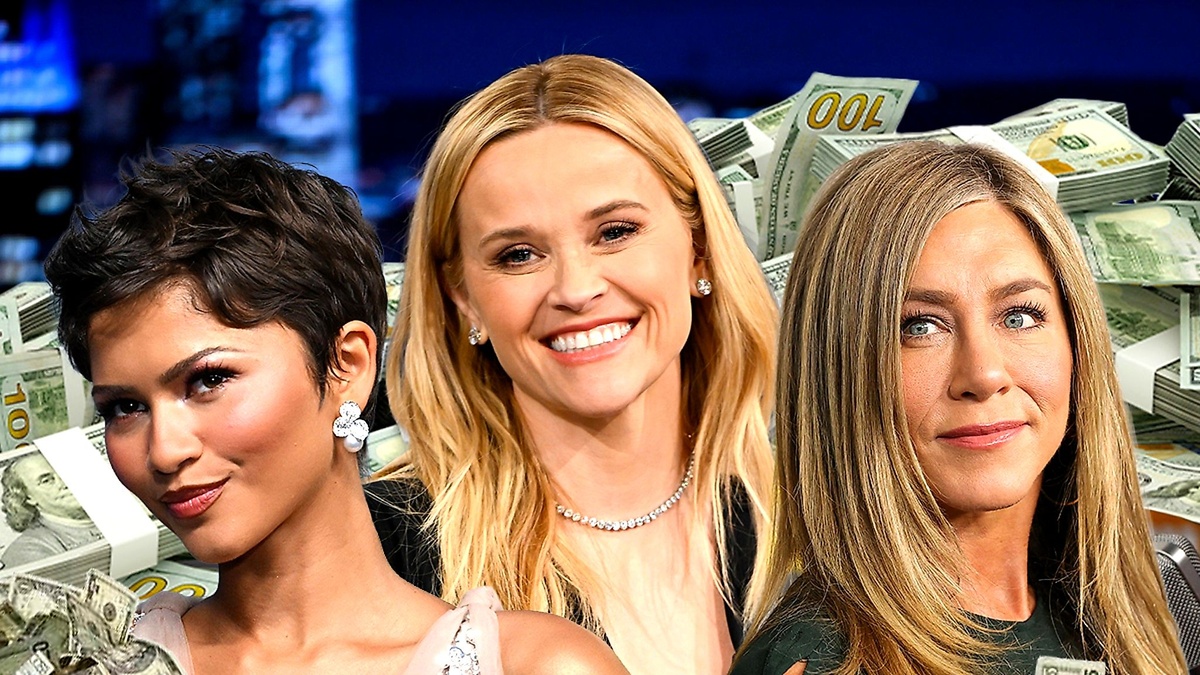
Reese Witherspoon's $2M per episode deal blows Hollywood's pay norms
The revelation that Zendaya also earns $1M alongside Witherspoon's $2M, sent shockwaves through Hollywood's contract standards and hinted at a new era of star power.
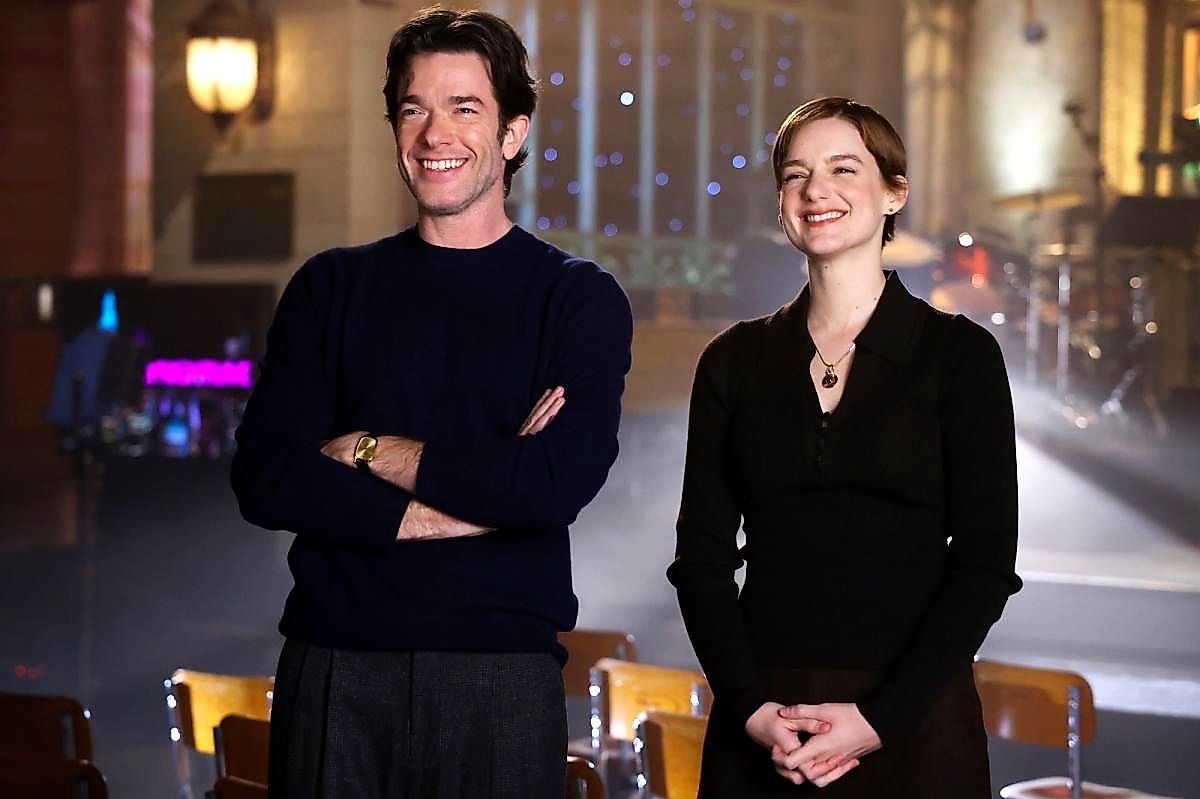
John Mulaney's 7th SNL Host Gig Drops New York Musical, Fans Are Shocked
Mulaney jokes that the New York Musical will feature a lobster-themed chorus, a detail that has fans buzzing.
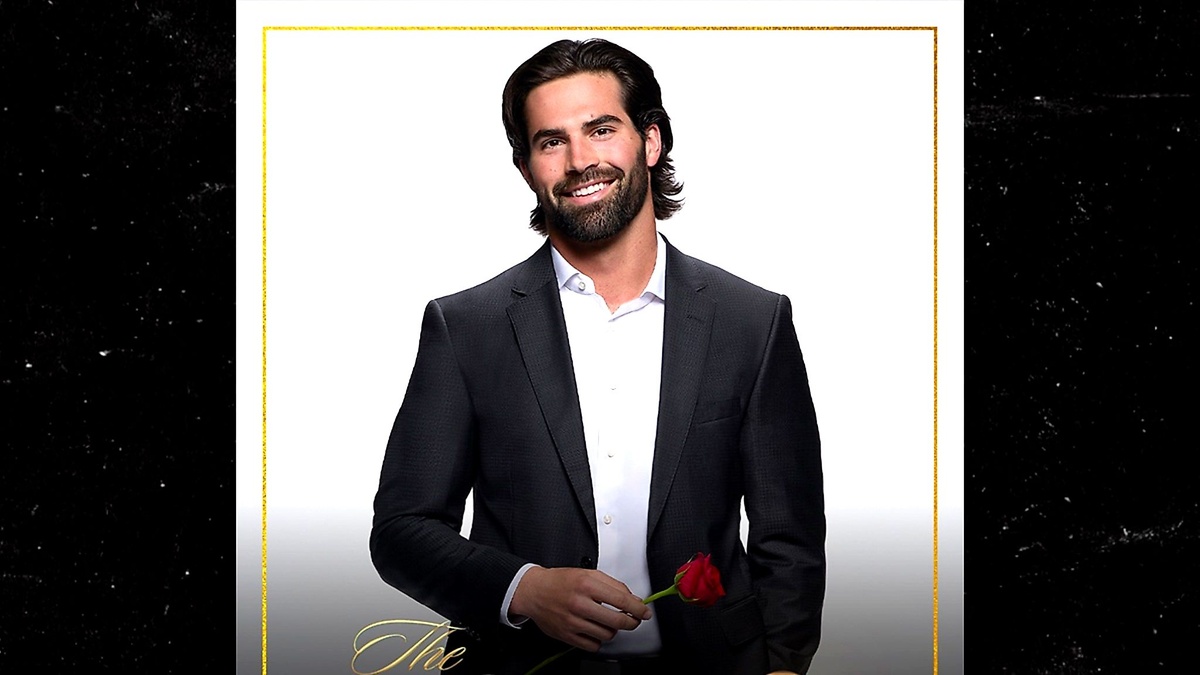
Sam Hartman's 27‑Year‑Old QB Switches to The Bachelor, Fans Shocked
Hartman admitted he first turned down the role, but a pitch from former star Jesse Palmer won him over—and now he'll have contestants battle in football challenges.