
Danielle Fishel's 18‑Year‑Old Weight Comment Sparks Year‑Long Purging
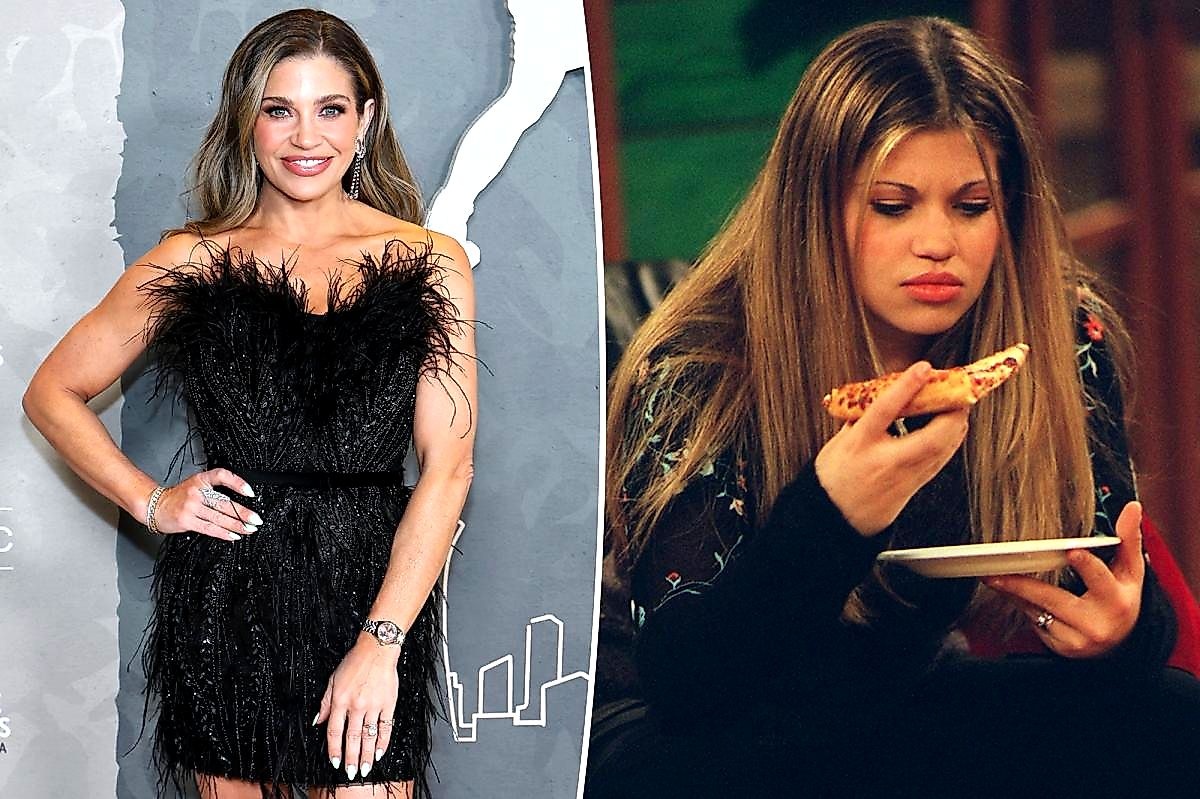
**Danielle Fishel’s 18‑Year‑Old Weight Talk Sparks Battle With Purging** When Danielle Fishel was 18 and filming the final seasons of *Boy Meets World*, a simple comment from the show’s creator turned into a personal crisis that would echo for years.
The former Topanga Lawrence, who grew up in front of millions, reveals in her new memoir that a brief remark about weight gain was the spark that lit a destructive obsession.
What started as a fleeting joke on set spiraled into a year‑long struggle with purging and overexercising, a battle she has only just begun to share publicly. Her story cuts to the core of an industry that often demands perfection and a reality that can be brutal for those on the front lines.
Fishel’s narrative is anchored in a moment many viewers never witnessed: the director’s off‑hand observation that both she and co‑star Will Friedle had "gained a little bit of weight." In the book, the actress writes, "Will had gained some weight.
I had gained some weight." She remembers the tension that followed, how the comment was framed as a plot device that would lead to a new episode, and the emotional toll that weighed heavier than the physical changes themselves.
The episode, titled *“She’s Having My Baby Back Ribs,”* dramatized a secret diet and a misinterpreted pregnancy, reflecting a reality that was far more painful for Fishel than any scripted storyline.
In those moments, she felt the pressure of a camera that magnified even a healthy weight, turning her body into a subject of scrutiny. While the memoir is her own voice, it also captures the experiences of the people around her.
Costume designer Julie Yang Silver and crew member Karen MacKain are described as supportive allies who offered comfort and advocacy on a set that seemed intent on measuring her worth by inches.
Friedle, who co‑authored the book with her, recalls the episode as a "dying inside" experience for both of them, noting that his own battles with anxiety had been a backdrop to the conversation about weight.
These perspectives paint a broader picture of a show that, like many in television, grappled with its own expectations of physical appearance, even as it provided a platform for diverse narratives. ## Background & Context The original *Boy Meets World* aired from 1993 to 2000, chronicling the lives of a tight-knit group of friends navigating adolescence and early adulthood.
Its seventh season marked a turning point for the cast, as they had aged into the late teens and early twenties while still playing characters that resonated with younger audiences.
Amid this evolution, the production team began to address real‑world issues that mirrored the characters’ journeys, but the approach to physical changes became a point of contention.
The memoir details how the decision to write an episode around the characters’ weight was presented as a natural extension of their personal growth, rather than a critique of their bodies. Fishel’s recounting offers a window into the pressures faced by young actors during a time of intense public scrutiny.
At five‑foot‑one and a size four, she considered her weight well within a healthy range; yet the cameras and the show’s narrative forced a conversation about her appearance.
This clash of perception and reality is not isolated—other actors have documented similar experiences, underscoring the persistent industry challenge of balancing authenticity with a polished aesthetic.
The memoir’s tone reflects both nostalgia for the show’s impact and a sobering acknowledgment of the toll such expectations can take on a person’s mental and physical health.
The episode that emerged from this conversation, *“She’s Having My Baby Back Ribs,”* is remembered by fans as a whimsical yet awkward moment of the series. Within the scene, Fishel’s character and Friedle’s character secretly begin a diet, while her on‑screen beau mistakenly believes she is pregnant.
For viewers, it was a lighthearted plot twist; for Fishel, it was a reminder of the scrutiny she was under, an external validation of something that felt internal and personal.
The episode became a symbol of the larger dialogue around body image that would later dominate the memoir’s narrative. ## What People Are Saying Since the memoir’s release, viewers have taken to social media and fan forums to discuss Fishel’s candid portrayal of her struggles.
Many commend her bravery for speaking openly about an issue that affects countless performers, especially those in the early stages of their careers.
Others recall their own experiences of being told they had "gained" or needed to lose weight, resonating with the memoir’s depiction of the industry’s fixation on physical perfection.
The dialogue has sparked conversations about how television shows might better support their cast, and whether creative decisions that touch on body image can be handled with sensitivity. Friedle’s own commentary adds a nuanced layer to the discussion.
He explains that the episode felt like a personal attack on his own body image and that he was dealing with anxiety at the time. His words reinforce the sense that the episode’s premise, while ostensibly comedic, carried a heavier weight for those who had to carry it in reality.
Supportive fans also highlight how Fishel’s mention of a 115‑pound frame for her height points out that she was far from overweight, yet still felt judged. This has led to a broader examination of how society measures worth and how physical metrics can become weaponized in environments that thrive on perfection.
While the memoir has been praised for shedding light on the emotional ramifications of such comments, critics argue that it also reflects a larger systemic problem.
By focusing on a single instance of a director’s remark, the narrative invites readers to consider how everyday conversations can morph into life‑altering experiences.
The conversation around body image, then, has evolved from anecdotal to communal, with fans calling for more open discussions about mental health in the entertainment industry.
The impact of Fishel’s story is evident in the growing movement to promote healthier portrayals of body image across television and film. ## What Happens Next Fishel’s forthcoming projects are still under discussion, but her latest memoir indicates a shift in her career trajectory.
She plans to use her platform to advocate for mental health resources and to educate young performers on how to navigate the often‑unspoken demands of the industry.
The memoir’s release has already sparked interest from producers seeking to create narratives that treat body image with care, and from mental‑health charities looking to collaborate on educational campaigns.
Her involvement in upcoming panel discussions and speaking tours suggests that her personal experiences will inform a broader dialogue aimed at changing the way talent is represented on screen.
In addition to public speaking, Fishel has expressed an intention to collaborate with organizations that provide support to individuals who struggle with disordered eating and body dysmorphia.
By partnering with nonprofits focused on mental health, she aims to create accessible resources for those who might still feel alone after hearing her story. Her goal is to turn a painful chapter into a catalyst for collective healing, ensuring that future actors do not face the same isolation she endured.
The memoir’s publication also has implications for how upcoming series might handle storyline development. Writers and producers are encouraged to consult more closely with actors about sensitive topics, particularly those that touch on body image.
By fostering an environment where performers feel heard, the industry can reduce the incidence of situations where a casual comment leads to significant distress. Fishel’s narrative is a reminder that behind the bright lights and laugh tracks, real people are making decisions that can deeply affect their well‑being.
In the days following the book’s debut, Fishel has already begun to receive invitations to discuss her experience on late‑night talk shows and in lifestyle magazines, signaling a wider acceptance of her story.
Fans continue to share their own testimonials, showing that the conversation around body image and mental health has indeed reached a tipping point. As the entertainment world continues to evolve, Danielle Fishel’s honest reflection offers a blueprint for how to handle sensitive topics with compassion and respect.
The journey is far from over, but the first steps toward a more mindful, supportive environment have already begun. For many, the memoir will remain a pivotal moment—a turning point that encourages industry insiders and audiences alike to reassess how they view and talk about body image.
At a Glance
- A single joke about Danielle Fishel’s weight on the set of *Boy Meets World* triggered a year‑long struggle with purging and overexercising.
- The memoir details how the comment—made by the show’s creator—was perceived as a critique of her body, leading to intense emotional distress.
- Fishel and co‑star Will Friedle both endured anxiety and body‑image challenges, sparking broader conversations about industry pressure and mental health.
Why It Matters
Our Take
GoNews Pulse Editorial Team
This article was prepared for publication by GoNews Pulse and checked for publication requirements under our editorial standards. We review available information and correct material errors when they are identified.
Quick Answers
- What is the latest update on this story?
- Fishel admits the director's off‑hand remark about her 'little bit of weight' set her spiraling into a year‑long purging crisis.
- Who is this story about?
- This article covers developments related to Danielle Fishel's 18‑Year‑Old Weight Comment Sparks Year‑Long Purging. GoNews Pulse's editorial team monitors the story and updates the article as new verified information becomes available.
- Where can I read more about celebrity news?
- GoNews Pulse publishes original reporting on celebrity news and related entertainment news. Visit the homepage or browse the section dedicated to this story for the latest coverage.
More From This Section

Trump says Putin bond stops Russia's nuclear satellite launch—see why
The former president says Putin’s bond keeps the nation safe, yet Russia’s nuclear satellite launch threatens a treaty breach that could cripple satellite networks.
Porsha Williams' Engagement to Patrice 'Sway' McKinney Shocked Fans
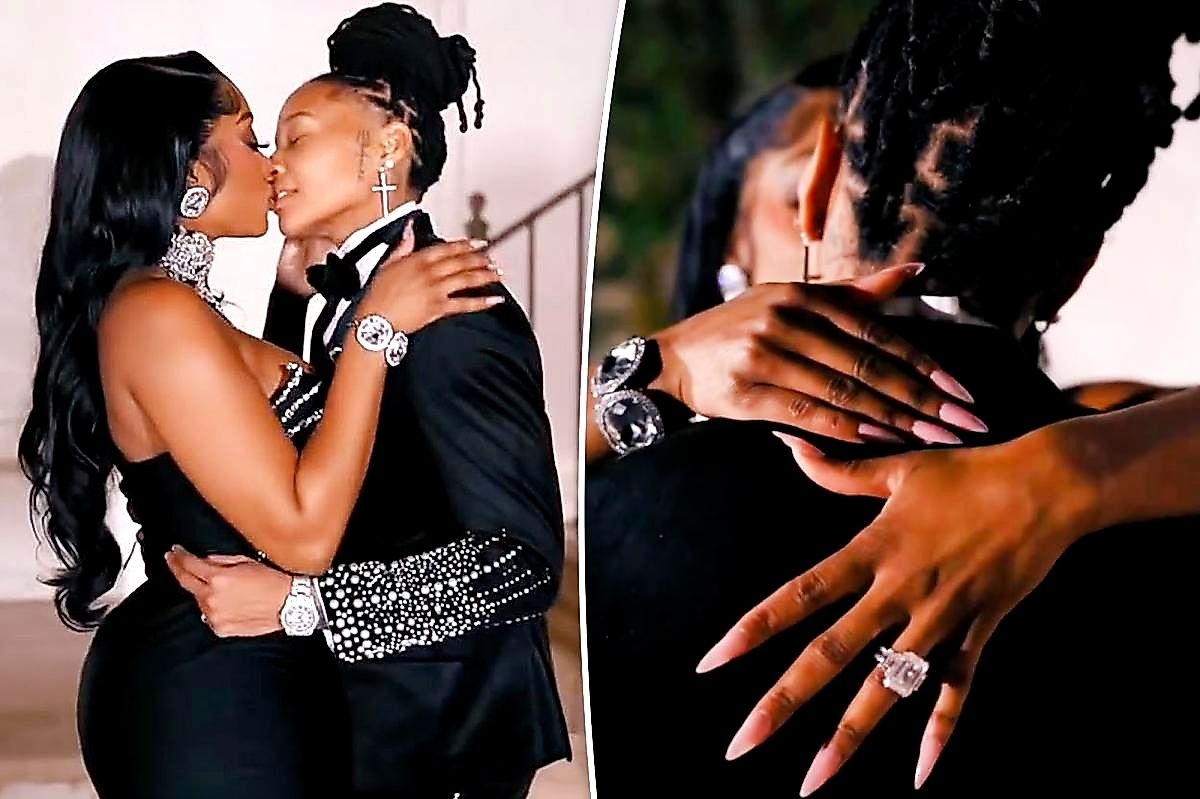
In her Instagram video, Porsha Williams said, “I love you, and I want to marry you,” as a sparkling diamond ring shone beside her, making fans swoon.
Sofía Vergara's 24‑foot Statue in Barranquilla Shocks Fans
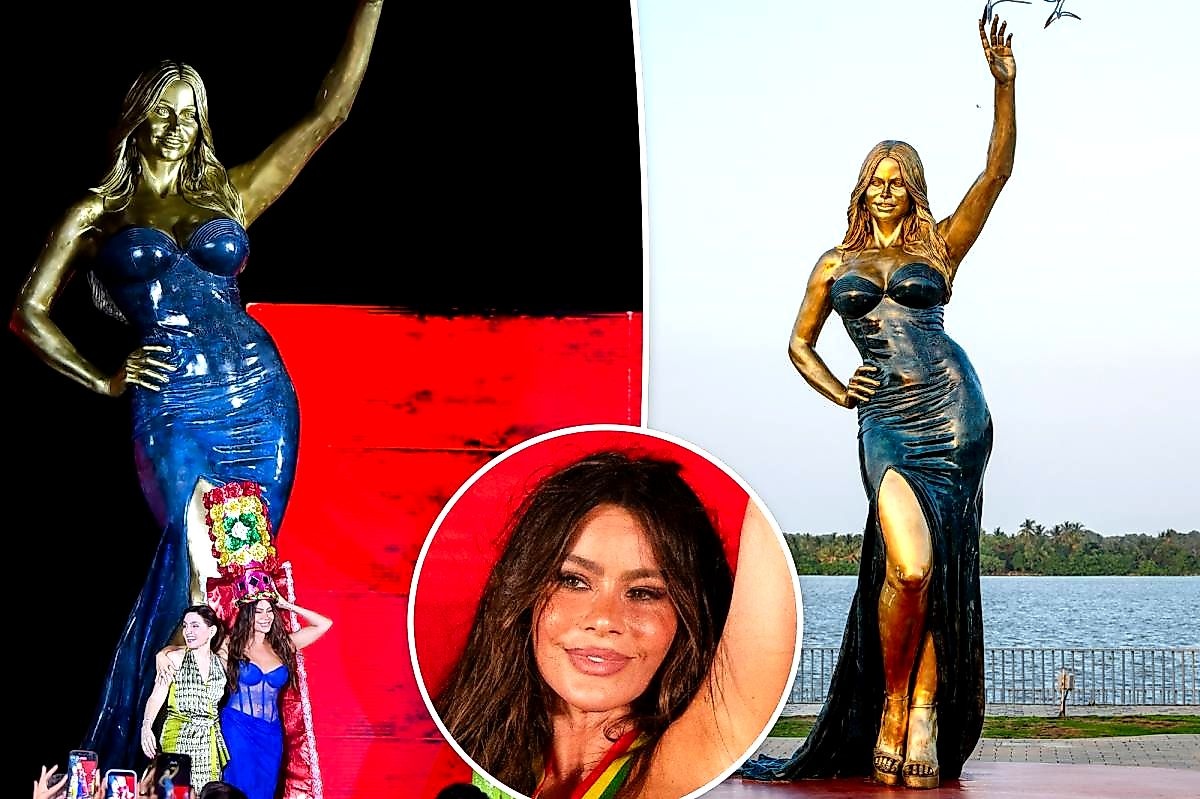
She even got a life‑scale bronze replica from the sculptor, and the mayor honored her as a Distinguished Barranquillera today.