
Chris Brown's 3‑Hour Wait Over Fans' Entrance Shocks Usher Fans
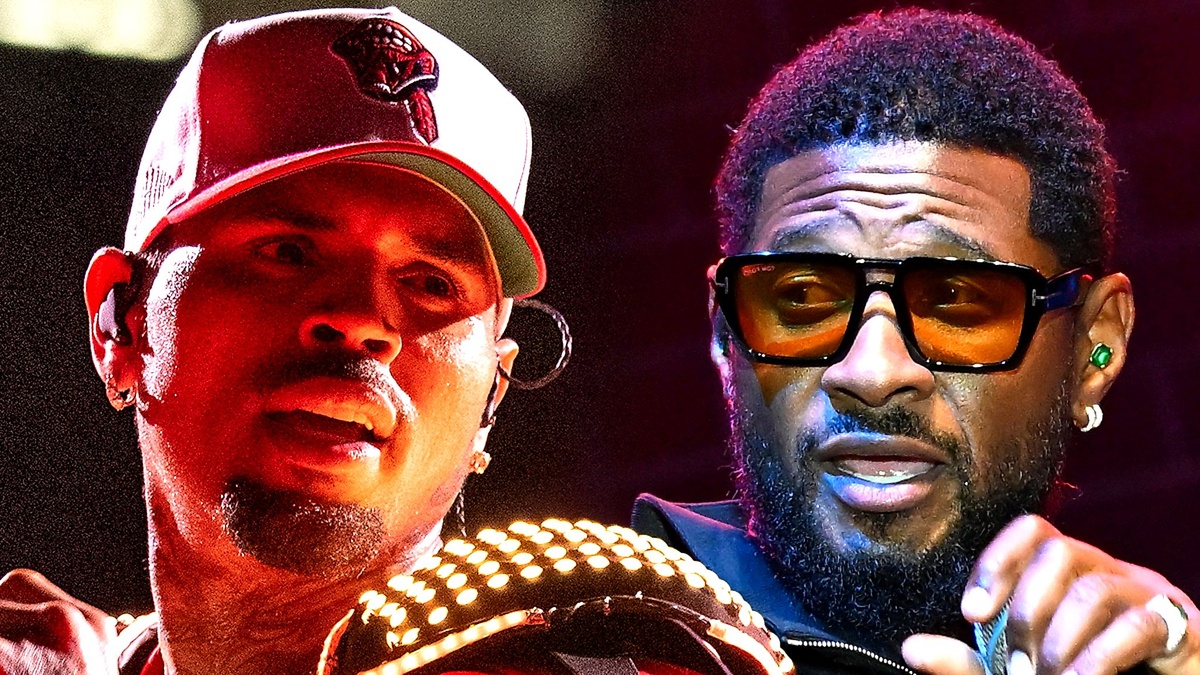
# Chris Brown and Usher Clash Over Fans, Delaying Atlanta Show by Hours In the early hours of Thursday, the atmosphere inside the Philips Arena in Atlanta shifted from anticipation to tension as two of R&B’s biggest names—Chris Brown and Usher—engaged in a heated backstage argument that pushed their opening act to a nearly three‑hour delay.
Fans who had taken the bus from the outskirts found themselves waiting far longer than the advertised start time, while the two performers, both seasoned veterans, appeared to be at odds over the very concept of a “ready” show.
The incident unfolded amid a heavy traffic jam that had swollen the parking lots and congested the surrounding streets. the delay began when the duo was confronted with a crowd that had not yet fully arrived.
Usher, who had rehearsed for the evening and was prepared to take the stage, reportedly urged that the performance go on as scheduled. Brown, however, insisted on waiting for the last of the ticket holders to enter, arguing that the fan experience should be prioritized over the setlist.
What makes the dispute particularly noteworthy is that it isn’t a one‑off clash. Both artists have a history of competitive rapport that has been evident throughout the “R&B Revival” tour.
Their earlier confrontation, which took place during a birthday celebration for Brown in 2023, saw Usher stepping in to defend Teyana Taylor after Brown had publicly expressed discontent.
The two singers have often traded barbs on social media and during interviews, but this latest backstage brawl suggests deeper, unresolved friction. ## Background & Context The “R&B Revival” tour, launched earlier this year, has aimed to celebrate the legacy of classic R&B while showcasing the contemporary sounds that both Usher and Brown bring to the stage.
Since its kickoff, the tour has drawn massive crowds, with ticket sales exceeding projections for many of the stops. Yet, the high demand has also created logistical challenges, especially at venues with limited parking or where traffic congestion is common.
In Atlanta, the venue’s capacity is 20,000, and the surrounding infrastructure can only accommodate a fraction of that number of vehicles, leading to the heavy traffic that preceded the show. Both artists, meanwhile, have a track record of being highly polished performers.
Usher’s show has consistently been praised for its choreography and stage production, while Brown’s concerts are noted for their energy and vocal displays. Their collaboration on the tour was initially billed as a "once‑in‑a‑career" event, promising fans a rare chance to witness two titans of the genre side by side.
However, behind the scenes, the partnership has been strained.
Reports from individuals close to the crew suggest that the tension is not merely about the timing of a single show but reflects longstanding competitive undercurrents that have manifested in subtle ways—ranging from backstage resource allocation to the sharing of rehearsal time.
The incident in Atlanta also came at a moment when both artists were attempting to balance their public images with their touring schedules.
Usher has been vocal about maintaining a high standard for his shows, whereas Brown has been under scrutiny for a series of legal and personal issues that have occasionally disrupted his live performances.
Their contrasting approaches to touring logistics—one leaning toward a strict adherence to schedule, the other prioritizing fan presence—may have contributed to the discord that erupted backstage. ## What People Are Saying Word quickly spread through the crowd that the delay was far beyond the typical five‑minute technical hold‑up.
Social media feeds filled with screenshots of fans scrolling through ticket confirmation pages, expressing frustration that their time had been wasted.
One concertgoer, who attended the show under the pseudonym “Lena,” shared a photo of the venue’s sign, captioned “Hours late, and we’re still waiting.” Fans took to various platforms to vent, with comments ranging from “I’ve never seen a concert take this long” to “Is this the new standard for touring?” The conversation also highlighted a broader expectation that major acts should respect fans’ schedules, especially in an era where streaming has made live music a rare, premium experience.
Behind the scenes, the tension was palpable. both performers appeared visibly upset. Usher’s assistant reported that the artist seemed frustrated that the show was not starting on time, while a Brown representative noted that the singer was visibly upset that his performance was being cut short.
When the two musicians exchanged words, the comments were sharp and personal, with Brown reportedly accusing Usher of pushing his own agenda, and Usher countering that Brown was being unreasonable with the fans. Despite the drama, many inside the crew insisted that the tour itself remains intact.
Stage managers and sound engineers expressed confidence that the logistics of the remaining shows would not be compromised, .
A former tour manager, speaking on condition of anonymity, said, “We’ve seen a lot of artist clashes in the past, but we’ve got systems in place to keep the show moving.” The broader industry reaction has been one of curiosity and caution.
Concert promoters and venue owners, wary of the potential impact on ticket sales and fan loyalty, have reiterated their commitment to ensuring that future events run smoothly.
They have also highlighted the need for clear communication channels between artists and crew to avoid misinterpretations that can lead to publicized conflicts. ## What Happens Next Looking forward, the tour’s next stop is scheduled in Atlanta again, with both artists slated to perform that evening.
Industry insiders suggest that the two will likely reassess their working arrangements before the next leg of the tour. While no official statements have been released, there are indications that management teams on both sides are preparing to mediate, aiming to smooth out any lingering friction.
In an industry where relationships and reputations are fragile, a publicized argument can have lasting repercussions, both for ticket sales and brand perception. The tour’s promotional team has issued a brief apology for the delay, emphasizing that the priority is always the fan experience.
They have promised that future shows will adhere strictly to advertised start times and have hinted at additional measures to improve logistical efficiency, such as real‑time traffic updates and enhanced parking coordination.
Fans, meanwhile, are left to digest the incident and decide how it affects their view of the tour. Many have expressed a desire to see a more seamless collaboration between the two artists, while others view the argument as their intensity and dedication to their craft.
The dynamic between Usher and Brown may well become a talking point as the tour progresses, adding an extra layer of intrigue to an already high‑profile series of concerts. ### Closing Thoughts The clash between Chris Brown and Usher at Atlanta’s Philips Arena serves as a stark reminder of how quickly the polished image of a headline act can collide with the chaotic reality of live touring.
In an era where fans expect instant gratification and flawless execution, the fallout from a backstage disagreement can ripple across the concert experience.
Whether the two R&B titans will find a way to reconcile their differences remains to be seen, but the next few nights on the “R&B Revival” tour will undoubtedly be watched with keen interest by both industry insiders and the fans who have already endured a three‑hour wait.
At a Glance
- A heated argument between Chris Brown and Usher at Philips Arena caused a nearly three‑hour delay for 20,000 fans.
- The dispute stemmed from Brown insisting on waiting for every ticket holder while Usher wanted to start on schedule, reflecting deeper competitive tensions.
- Tour managers said the incident will not affect future shows, and a brief apology has been issued to address the logistics mishap.
Why It Matters
Our Take
GoNews Pulse Editorial Team
This article was prepared for publication by GoNews Pulse and checked for publication requirements under our editorial standards. We review available information and correct material errors when they are identified.
Quick Answers
- What is the latest update on this story?
- Brown accused Usher of cutting his set, sparking a backstage fight that left 20,000 fans staring at a silent stage for three hours.
- Who is this story about?
- This article covers developments related to Chris Brown's 3‑Hour Wait Over Fans' Entrance Shocks Usher Fans. GoNews Pulse's editorial team monitors the story and updates the article as new verified information becomes available.
- Where can I read more about celebrity news?
- GoNews Pulse publishes original reporting on celebrity news and related entertainment news. Visit the homepage or browse the section dedicated to this story for the latest coverage.
More From This Section
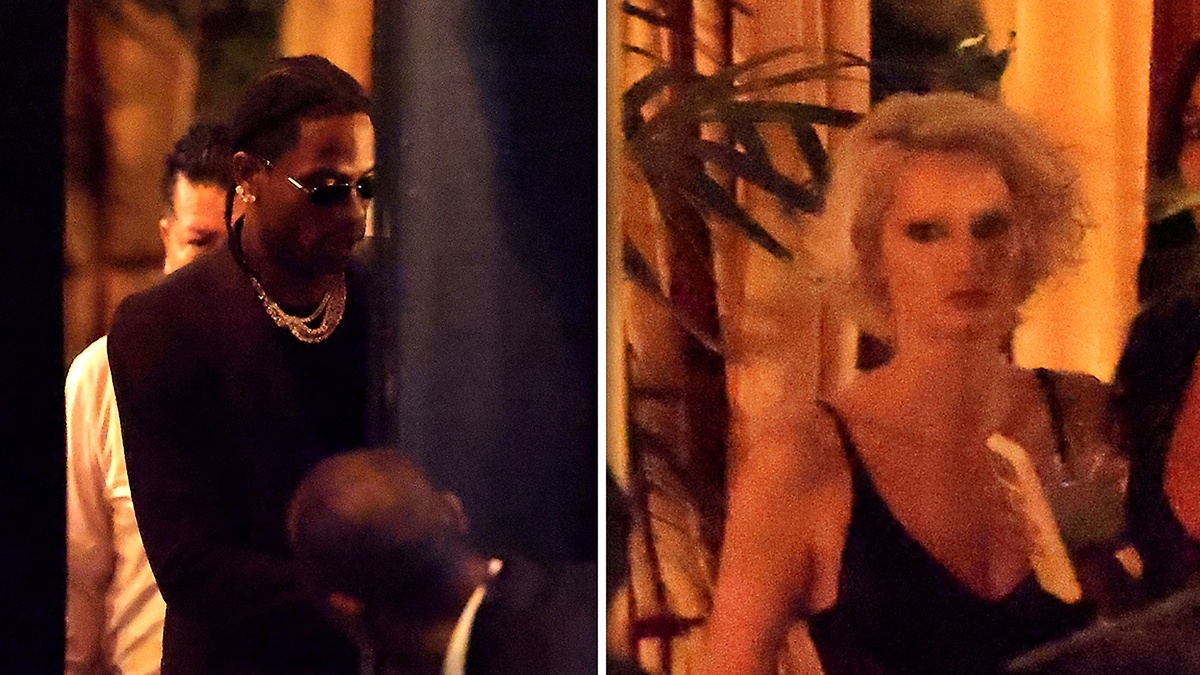
Travis Scott's 1‑AM exit from Chateau Marmont shocks GQ men
Travis Scott slipped out unannounced, leaving behind a stunned crowd of Hollywood stars like Matt Damon and Chris Rock, sparking wild speculation.
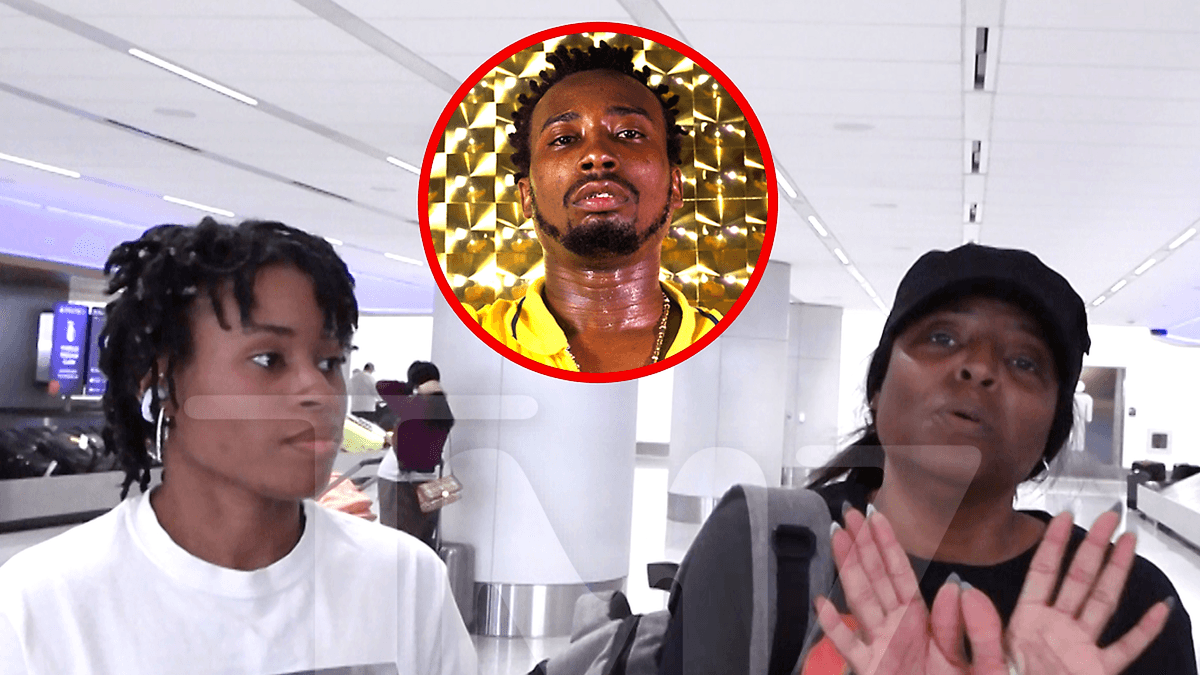
Young Dirty Bastard takes ODB’s Hall of Fame spot, 12 grandkids watch
Icelene Jones' tearful acceptance of the Wu‑Tang honor, joined by her son Young Dirty Bastard, stunned the Hall of Fame audience, highlighting ODB’s enduring legacy.
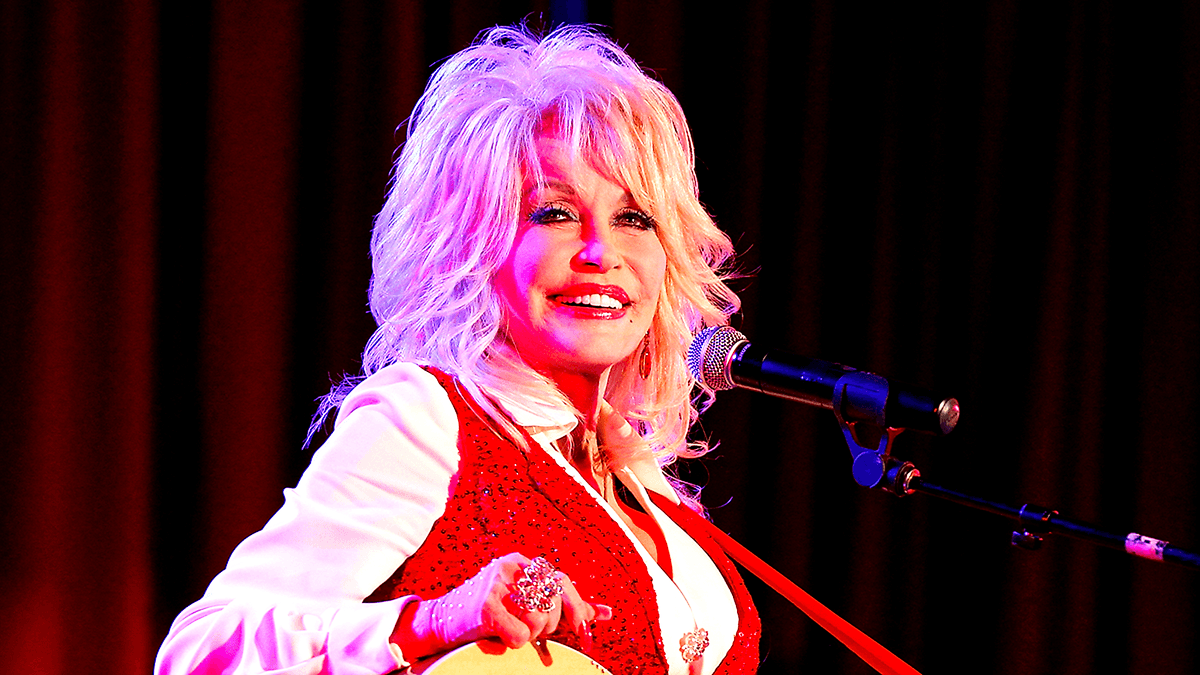
Dolly Parton's duet with Bono reveals 2‑person lawsuit—fans stunned
The duet’s haunting chorus hints at a ‘house divided,’ and the lawsuit was dropped after Seaver lost his security role in 2024, following months of legal wrangling.