
Beau Jessup's 27-year-old Columbia Journalism Student's Sudden Death Stuns Campus
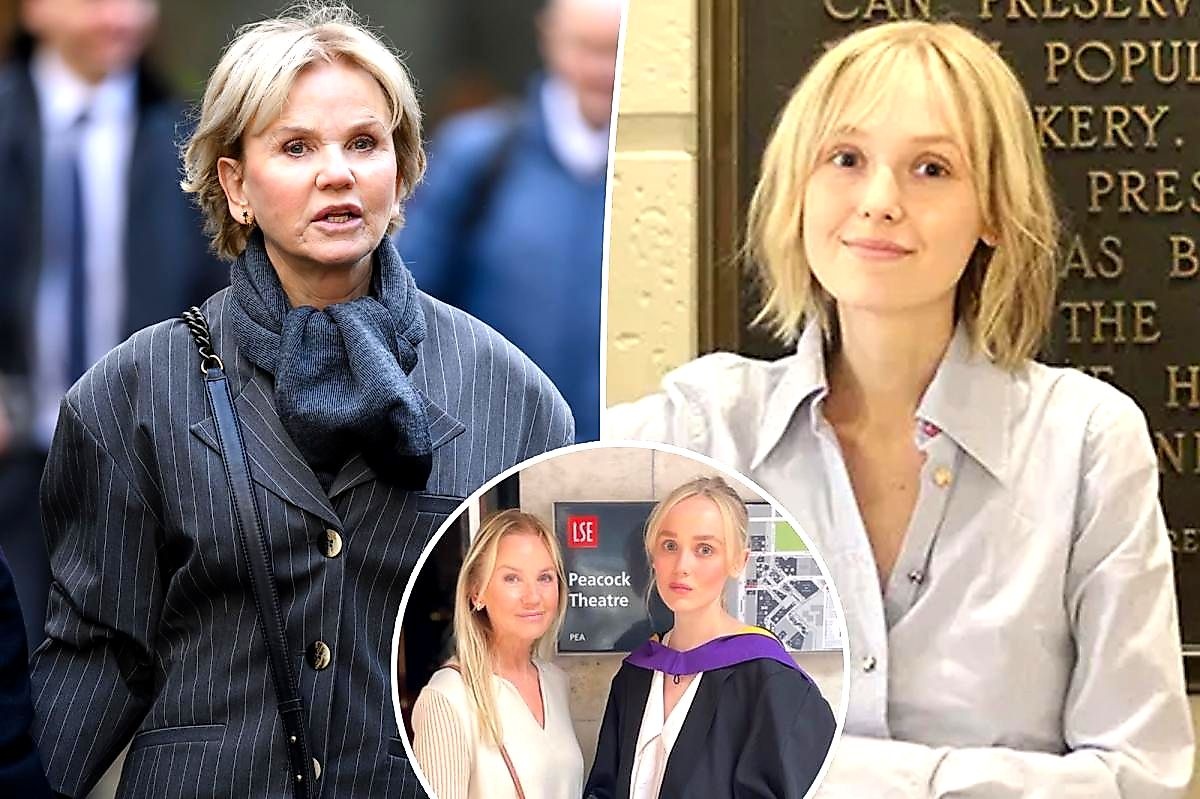
**Beau Jessup, 27, Columbia Journalism Student, Dies in Sudden Loss** A quiet campus in New York City has been stunned by the unexpected death of Beau Jessup, a 27‑year‑old Master of Science candidate in Journalism at Columbia University.
The Ivy League institution announced the tragedy offering only a brief statement of condolence and leaving the cause of death undisclosed. The sudden loss of a bright mind poised on the brink of a new career has sent ripples through both the academic world and the family that grew up in the spotlight.
Jessup was the daughter of Lisa Maxwell, a well‑known television actress who regularly appears on the panel show “Loose Women.” The family, which includes her husband, Paul Jessup, has not yet issued a public comment.
At 27, Beau was a semester away from completing her master’s degree, slated for graduation in May 2027.
Her untimely passing has left colleagues, friends, and her mother grappling with grief and an abrupt halt to a life that had already made waves beyond the stage and screen. ## Background & Context From the earliest years, Beau’s life was framed by the intersection of performance and storytelling.
While her mother’s career in television gave her a front‑row seat to the media’s construction of narratives, Beau carved out her own path by questioning those very structures.
She described in a recent interview for Columbia’s “Notebook” series how her upbringing fostered an “awareness of the distance between .” The conversation revealed a scholar who was not content with passive observation; she sought to dissect how institutions, identity, and social expectations shape both lived experience and public discourse.
Jessup’s academic journey began with a focus on social anthropology at the London School of Economics, where she explored the cultural fabric that informs human interaction. She later pursued performance writing at the University of Cambridge, a discipline that melds storytelling with stagecraft.
It was here that she penned her first play, “The Sandbag,” a piece that tested her ability to translate complex human conditions into dialogue and action.
The creative impulse that drove her theatrical work seamlessly dovetailed with her ambitions in journalism, leading her to a master’s program that promised to merge rigorous research with the immediacy of the news cycle. Her fascination with cultural journalism emerged early in the program.
Beau was drawn to the idea of examining how institutional power and social narratives intersect, influencing public perception and individual identity. She articulated a desire to report on people, culture, and societal questions—areas she believed could benefit from nuanced, empathetic storytelling.
Her ambition was not merely to report facts but to illuminate the stories that shape and are shaped by society’s complex machinery. Beyond the classroom, Jessup displayed entrepreneurial flair.
In 2016, she launched a website called SpecialName, which assists Chinese parents in selecting English monikers for their children. The platform, which garnered more than $60,000 in revenue, highlighted her understanding of cultural identity and the commercial possibilities of digital media.
The venture underscored a broader pattern: Beau’s career was as much about crafting narratives that connect across borders as it was about breaking them down. ## What People Are Saying Columbia University’s official Instagram post offered a concise expression of grief, “We extend our deepest condolences to her family, friends, classmates and all who knew and loved her.” While the statement was brief, it resonated with a community that had witnessed Jessup’s academic vigor and creative zeal.
Students recalled her relentless curiosity, her knack for turning a simple observation into a research question, and her willingness to mentor peers in the field. Friends and former professors, though reluctant to quote directly, echoed sentiments of surprise and loss.
“Beau was always a step ahead, thinking about how stories move people,” one colleague noted. “She was on the brink of a career that could have reshaped how we approach journalism.” These reflections capture the shock of losing someone whose voice was on the verge of reaching a broader audience.
Lisa Maxwell, who has grown up in a family where public perception and personal identity frequently collided, has yet to comment publicly.
In interviews prior to this tragedy, she spoke of her daughter's unique perspective on media narratives, a perspective that often seemed to anticipate the very questions she later pursued in academia.
Her silence on the matter, at this juncture, invites speculation about the personal toll such an event takes on a mother already accustomed to public scrutiny.
Within the broader journalism community, the sudden loss of a rising talent has prompted discussions about mental health, the pressures of academia, and the responsibilities of institutions toward their students.
A number of professors highlighted the importance of supporting students who, like Jessup, navigated both the creative and analytical demands of their fields. “We’re losing a voice that could have offered new insights into cultural storytelling,” a faculty member remarked.
“Her absence will be felt far beyond the university walls.” ## What Happens Next In the days that follow, Columbia University will likely organize a memorial service for Beau Jessup.
Colleagues and students will be invited to share memories, possibly accompanied by a reading of her unpublished interview, which the university has chosen to make available to the campus community.
The university’s decision to share the interview, despite its unpublished status, underscores the institution’s recognition of Jessup’s intellectual legacy and her desire to preserve her voice. Academically, her impending graduation will now be posthumous.
The university may posthumously award her degree in May 2027, honoring her scholarly contributions and her near‑completion of the program.
Colleagues might consider establishing a scholarship in her name, aimed at supporting future students who pursue cultural journalism with an emphasis on ethical storytelling—a field that Jessup championed.
On a personal level, her husband, Paul Jessup, and her mother, Lisa Maxwell, are likely to grapple with their grief privately.
While no public statements have been made, the family’s future actions may involve honoring Beau’s creative endeavors, such as the SpecialName website and her play “The Sandbag,” possibly through legacy projects or foundations.
The impact on the journalism industry may manifest in increased attention to the themes Jessup explored: the relationship between media narratives and public perception, the power of storytelling in shaping social identity, and the ethical responsibilities of journalists.
Her peers may cite her work as a catalyst for more inclusive, culturally sensitive reporting. In the realm of academia, her story might inspire curriculum developments that blend creative writing with journalistic rigor, mirroring her own multidisciplinary approach.
While the specifics of what will be done in Beau Jessup’s memory remain to be determined, the reverberations of her loss are already shaping conversations about journalism, education, and the human stories that bind them.
Her untimely passing leaves a void, but also an opportunity for the community to reflect on the values she embodied: curiosity, empathy, and a relentless pursuit of truth.
In the wake of this tragedy, the world mourns not only a student and daughter but also a young mind that could have illuminated the world’s cultural complexities for years to come.
Her legacy, though abruptly halted, will echo in the halls of Columbia, in the pages of future reports, and in the hearts of those who knew her.
At a Glance
- Beau Jessup, a 27‑year‑old Columbia journalism master’s candidate, died unexpectedly, shocking her family and the campus community.
- Her work bridged performance, cultural journalism, and entrepreneurship, including a $60,000‑revenue website for Chinese parents choosing English names.
- Posthumous plans include a memorial service, a posthumous degree in May 2027, and a scholarship in her name to support future cultural journalists.
Why It Matters
Our Take
GoNews Pulse Editorial Team
This article was prepared for publication by GoNews Pulse and checked for publication requirements under our editorial standards. We review available information and correct material errors when they are identified.
Quick Answers
- What is the latest update on this story?
- Columbia’s brief condolence post leaves a silence that echoes as Beau Jessup’s unfinished play ‘The Sandbag’ is set to be read at her memorial.
- Who is this story about?
- This article covers developments related to Beau Jessup's 27-year-old Columbia Journalism Student's Sudden Death Stuns Campus. GoNews Pulse's editorial team monitors the story and updates the article as new verified information becomes available.
- Where can I read more about celebrity news?
- GoNews Pulse publishes original reporting on celebrity news and related entertainment news. Visit the homepage or browse the section dedicated to this story for the latest coverage.
More From This Section
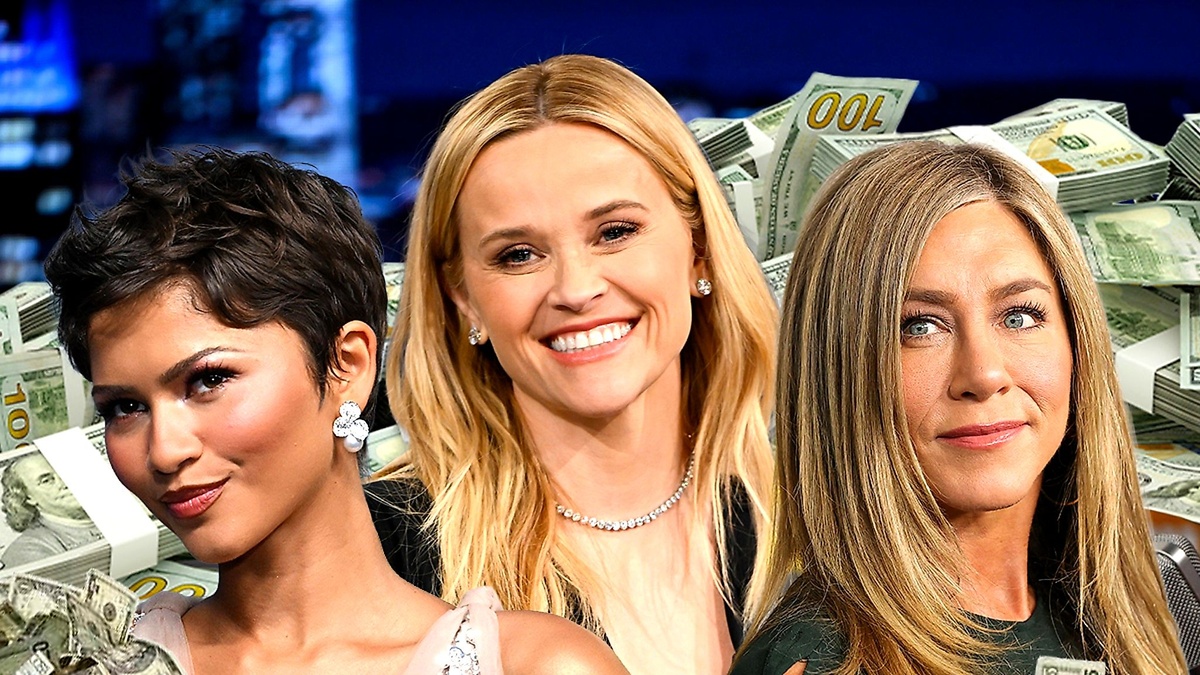
Reese Witherspoon's $2M per episode deal blows Hollywood's pay norms
The revelation that Zendaya also earns $1M alongside Witherspoon's $2M, sent shockwaves through Hollywood's contract standards and hinted at a new era of star power.
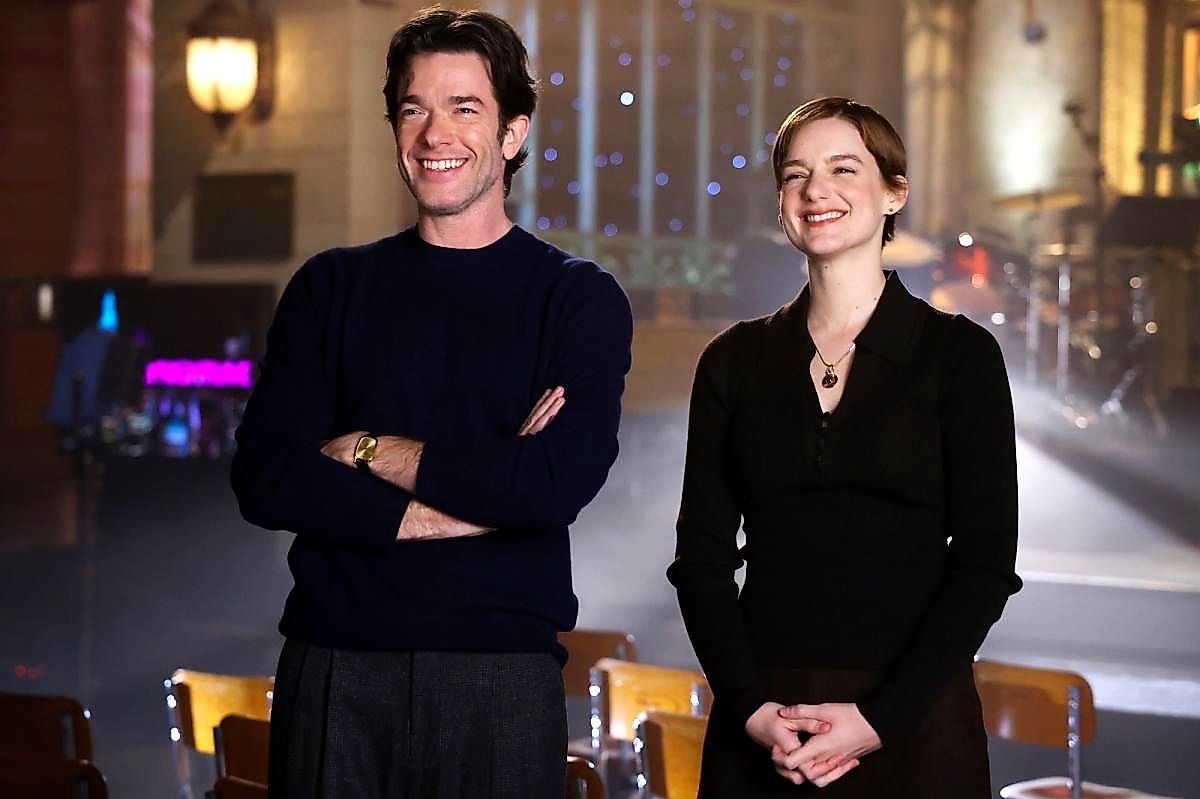
John Mulaney's 7th SNL Host Gig Drops New York Musical, Fans Are Shocked
Mulaney jokes that the New York Musical will feature a lobster-themed chorus, a detail that has fans buzzing.
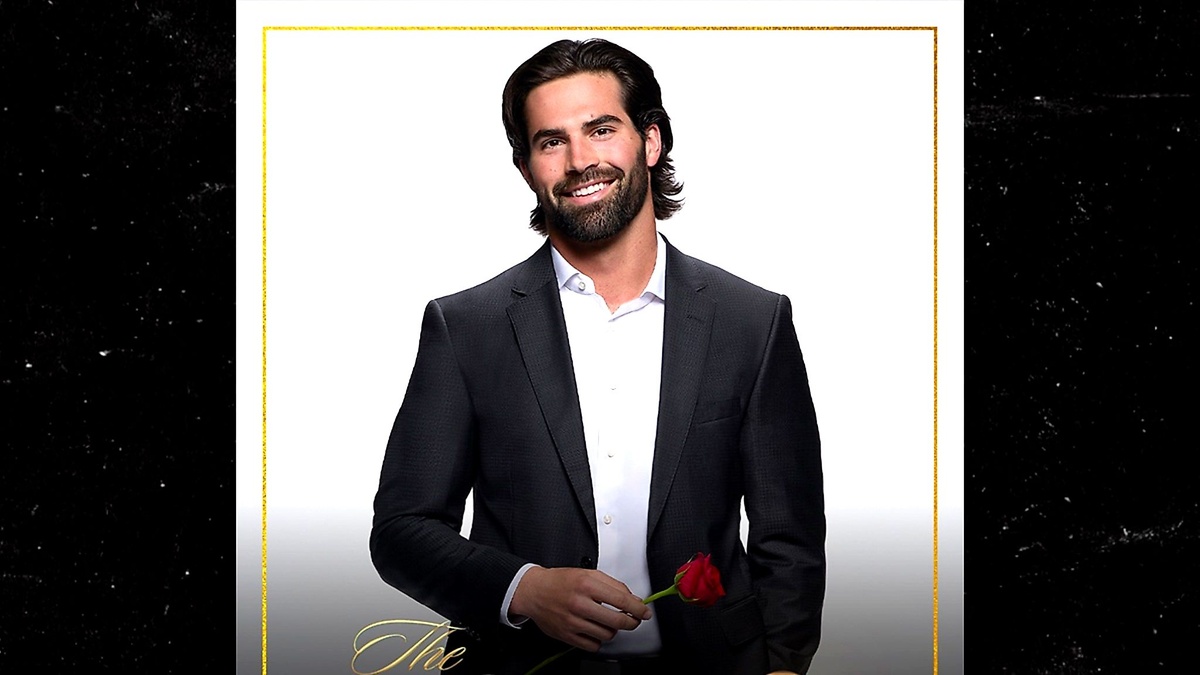
Sam Hartman's 27‑Year‑Old QB Switches to The Bachelor, Fans Shocked
Hartman admitted he first turned down the role, but a pitch from former star Jesse Palmer won him over—and now he'll have contestants battle in football challenges.