
BBC on brink funding collapse slashes beloved shows, talks stall
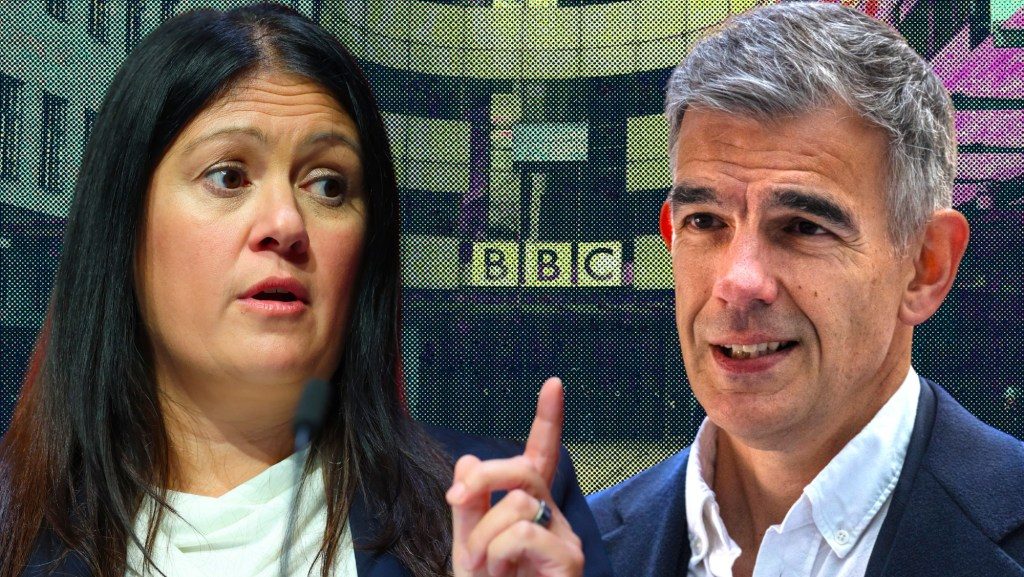
The BBC’s future is in limbo as the broadcaster’s charter set to expire in 15 months faces uncertain funding.
Director‑general Matt Brittin has warned staff that the “cupboard is bare” and told Parliament the licence fee is a “busted flush.” Viewers were told on Sunday that the corporation is in a “tight financial situation.”
Behind closed doors, Brittin is negotiating with the Department for Culture, Media and Sport (DCMS) and regularly meeting Culture Secretary Lisa Nandy. The two sides are trying to agree on a new decade‑long charter that will set funding levels and governance rules.
Yet neither side has shared a clear vision, leaving the BBC without a definitive financial plan beyond next year.
The fallout is already visible: thousands of jobs have been cut, shows cancelled and services threatened to close. The drip‑drip of cuts feels like a countdown to BBC doomsday, .
## Background & Context
The BBC’s charter is renewed every decade. Each renewal involves the broadcaster and government agreeing on future funding, governance and operational guardrails. The current charter ends in 15 months, and the corporation has no clarity about its finances beyond next year.
The last round of negotiations saw the BBC strike a funding deal with David Cameron’s government 18 months before its operating agreement ended. The new government has described that deal as “appalling,” but has not yet outlined a replacement.
As a result, private talks continue with little public information, and the broadcaster is poised to announce another round of cuts in the coming days.
The licence fee – the BBC’s primary source of revenue – is at the centre of the debate. Critics say it is a “busted flush,” and proposals to tweak it are being weighed against alternatives such as a household levy or subscription funding, all of which have been rejected on political or practical grounds.
## What People Are Saying
Lisa Nandy told the corporation that she wants to put the broadcaster on a “sustainable footing.” She has floated the idea of a levy on streaming subscriptions, a BBC‑sponsored “PAY YOUR LICENCE FEE” notice on services like Netflix, and allowing the BBC to top up public funding with commercial revenue.
Yet she remains reluctant to fully embrace these proposals.
Nandy also said that the last deal was “appalling,” and her government has promised to publish its position “soon.” In Westminster, one watcher described both sides as “as bad as each other” in their approach to the charter process.
The lawmaker added, “It’s a longstanding problem, and in the past the broadcaster usually stood to benefit, as the result would be status quo. The danger now is that the status quo just accelerates the decline.”
Meanwhile, Brittin has been making public statements about the broadcaster’s tight finances and the need for a new funding model. He has been meeting regularly with Nandy and other DCMS officials, but no definitive plan has emerged.
## Fan Reaction
On social media platforms, viewers have expressed a mix of frustration and concern. A popular fan forum thread shows thousands of users debating the fate of beloved programmes such as *Doctor Who* and *EastEnders*.
One regular user wrote, “If the BBC can’t keep its flagship shows, what does that mean for the future of British drama?” Another commenter echoed, “The licence fee is a tax on my living room. If we’re asked to pay more, we’ll see.”
Live streams of Brittin’s speeches have attracted hundreds of thousands of views. In one clip, a viewer in the comments asked whether the corporation would consider a “freemium” model where basic services remain free and premium content is behind a paywall.
The broadcaster’s social media team replied that any change would require a new charter agreement.
The sense of loss is palpable among long‑time fans. Many have begun organising petitions asking the government to protect the public‑service ethos of the BBC.
In one city, a group of teenagers marched in front of the studios, holding signs that read “Keep Our Stories.” These grassroots campaigns highlight the emotional stake people have in the broadcaster’s survival.
## Industry Impact
The uncertainty ripples through the wider media landscape. Independent production companies that rely on BBC commissions are already feeling the strain.
A representative of a mid‑size studio told an industry newsletter that “the funding gap could mean delays for new projects and a slowdown in hiring.” The risk of fewer commissioned programmes could push talent toward larger streaming platforms, potentially weakening the UK’s creative ecosystem.
Broadcasting regulators have also taken notice. The Independent Television Commission has warned that a sustained decline in BBC output could erode the diversity of content available to viewers.
Meanwhile, the UK’s Creative Industries Council has called for a review of public‑service funding models to ensure that national broadcasters can compete in a digital‑first world.
Television advertising firms are watching closely. The potential loss of flagship shows like *Top Gear* and *The Great British Bake Off* could lead advertisers to redirect budgets toward streaming services, accelerating the shift away from linear television.
On the other hand, a reimagined charter that keeps the BBC financially viable could preserve its role as a platform for emerging talent and niche audiences.
## What Happens Next
The Treasury is likely to have the final say on funding questions, rather than DCMS. With 15 months until the charter expires, the broadcaster must secure a new agreement quickly to avoid further uncertainty.
The corporation is preparing to announce another series of cuts over the next few days, while ministers are expected to release their position soon.
Industry events such as the Royal Television Society London Convention will provide a platform for Brittin to speak, but no minister is scheduled to attend due to the political conference in Liverpool. This lack of public engagement keeps the debate in a state of limbo.
If the government and the broadcaster cannot agree on a revised charter, the BBC may face an even sharper decline. The current uncertainty threatens jobs, shows and services that millions of Brits rely on.
In short, the funding crisis hinges on negotiations that have yet to produce a concrete outcome. The next few months will determine whether the broadcaster can secure a sustainable financial model or continue to slide toward further cuts.
## Looking Ahead
Historically, BBC charters have survived turbulent times. The 2010 renewal, for example, introduced a modest licence‑fee increase that balanced public expectations with the need to invest in new digital services.
Yet each decade brings fresh challenges—whether from changing consumer habits, technological disruption or shifting political landscapes.
The coming weeks will be critical. If a compromise is reached—perhaps involving a modest levy on streaming subscriptions combined with a restructured commercial arm—the broadcaster could maintain its flagship programming while carving out a path to long‑term financial health.
Conversely, if the talks stall, the BBC may find itself forced into further retrenchment, with consequences that ripple across the creative economy and the public‑service media ecosystem.
For now, viewers, staff and industry stakeholders alike watch with bated breath as a decade‑long debate unfolds behind closed doors. The next decision will shape not just the future of a single institution, but the very character of British broadcasting for years to come.
Why It Matters
Our Take
GoNews Pulse Editorial Team
This article was prepared for publication by GoNews Pulse and checked for publication requirements under our editorial standards. We review available information and correct material errors when they are identified.
Quick Answers
- What is the latest update on this story?
- The BBC’s future hangs on a £2.3bn deal that could cut beloved shows and jobs, yet talks stall at a critical crossroad.
- Who is this story about?
- This article covers developments related to BBC on brink funding collapse slashes beloved shows, talks stall. GoNews Pulse's editorial team monitors the story and updates the article as new verified information becomes available.
- Where can I read more about BBC?
- GoNews Pulse publishes original reporting on BBC and related entertainment news. Visit the homepage or browse the section dedicated to this story for the latest coverage.
Related topics
- #BBC
- #Matt Brittin
- #Lisa Nandy
- #licence fee
- #UK broadcasting
More From This Section

Jon Gosselin's 22‑Year‑Old Son Exposes Abuse, Father Shouts Support
Jon Gosselin declares that his son’s 22‑year‑old memoir exposes alleged institutionalization and a hidden ‘small holding’ cell, sparking a national debate.

Mike Colter's Valley Firm AGI Bo Revealed at 2:00 a.m. Shocks Fans
Rob McClure's portrayal of Bo forces the firm to confront a real‑world AGI asking for legal guardrails, sparking a tense ethical debate.

Meredith Grey's bed proposal to Nick on surgery table stuns fans
Meredith Grey slipped a ring into Nick's hand while he lay on the operating table, a move that stunned fans amid the bridge collapse.