
Aaryn Williams' 36-Year-Old Confession About Racism Shakes Bravo Fans
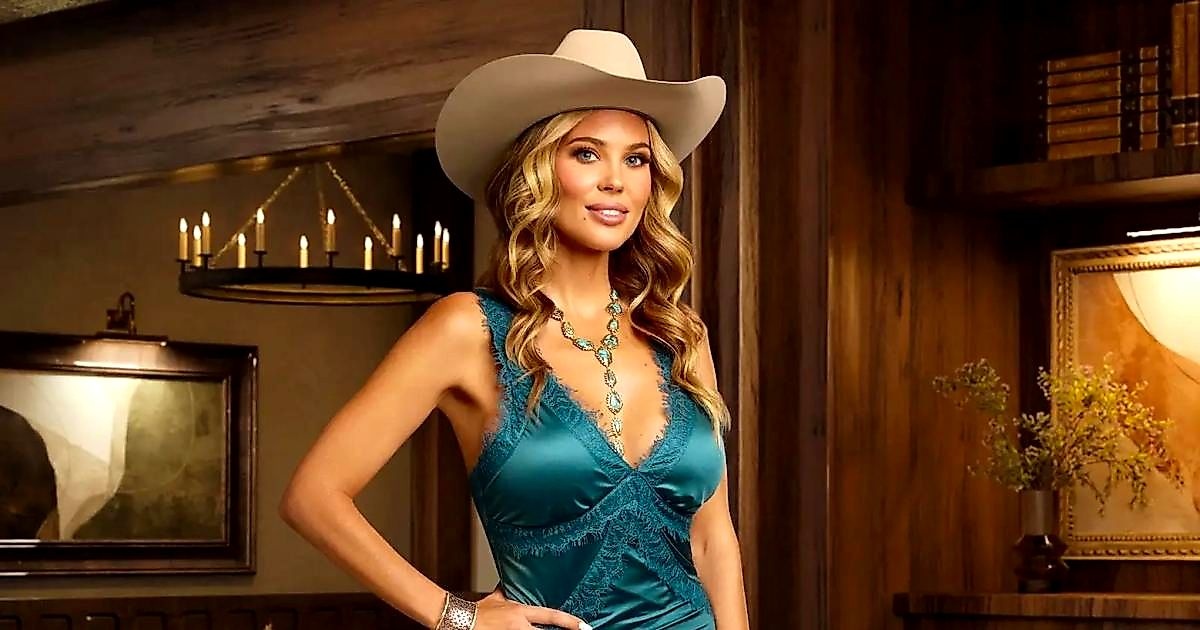
**Aaryn Williams' Confession About Racism Surfaces on Bravo Show** Aaryn Williams, the former housemate of *Big Brother* and now a rising reality television personality, has thrust herself back into the spotlight with a stark admission of past prejudice.
In a teaser released on Friday, the 36‑year‑old told her husband, Nick, not to search her name online—an admission that follows her 2013 exit from the reality series after her comments about Asian and LGBTQ+ contestants ignited a firestorm of criticism.
Her new show, *Small Town Trouble: Texas*, is set to premiere on Bravo on Wednesday, November 18, and it offers Williams an opportunity to confront the past and claim a path to redemption.
The teaser, a short clip filmed in Boerne, Texas, shows Williams standing beside her four daughters as she shares the weight of a confession that has haunted her for years. She explains how her upbringing, “a lot of racism,” contributed to the ignorance that manifested during her time in the *Big Brother* house.
Williams says she now intends to “make amends for my offensive comments for the rest of [my] life.” The clip ends with her promise to support her children and break the cycle of prejudice she inherited from her father.
The drama and emotional intensity of the moment hint at the series’ potential to explore the clash between conservative small‑town values and personal evolution. While Williams’ candidness may win her new fans, the backlash is immediate and vocal.
Some social‑media users have called for the show’s cancellation, accusing Bravo of giving a platform to a former racist. Others defend her, arguing that anyone who takes responsibility for their past can change.
Regardless of the split, the controversy underscores the cultural conversation about accountability, growth, and the media’s role in offering second chances. ## Background & Context *Big Brother* first aired in 2000, and by its 15th season in 2013, it had become a cultural touchstone.
Williams’ tenure on the show ended abruptly when she made remarks that targeted the Asian heritage of fellow contestant Helen Kim and used a homophobic slur against Andy Herren. The comments were broadcast live, and the studio audience’s boos were so loud they lingered as Williams left the house.
In her exit interview with host Julie Chen Moonves, Williams expressed remorse, telling the audience she felt “horrible” and regretted hurting anyone’s feelings. That moment became the defining event of her *Big Brother* career, and the footage has been replayed in countless opinion pieces since.
The controversy has been a touchstone in discussions about race and sexuality in mainstream reality television. The comments sparked immediate online outrage and were cited by critics as evidence that reality TV still struggles with meaningful representation and respectful dialogue.
The incident has been a cautionary tale for many aspiring reality stars, who now face increased scrutiny from audiences that demand transparency and authenticity. For Williams, the experience became a turning point: it led to the loss of a modeling contract and forced her to confront the deeper roots of her biases.
She has since spoken publicly about how her upbringing contributed to a “very racist mindset” that she only began to question years after her exit from the show.
Fast forward to 2024, and Williams is back in front of the camera—this time with the backing of a major cable network and a new narrative framework. *Small Town Trouble: Texas* promises to her personal history, her family's dynamics, and the broader social environment that shaped her.
By positioning the show in the intimate setting of a small Texas town, Bravo is betting on the authenticity of a place where traditional values clash with evolving attitudes.
The program is slated to feature an ensemble of wives, mothers, and social insiders, all of whom navigate “forbidden attraction, messy friendships, and shocking secrets.” This context sets the stage for a series that may use Williams’ story as a lens to examine how deeply ingrained biases can be confronted and potentially transformed. ## What People Are Saying The reaction to Williams’ teaser has been as divided as the country’s political landscape.
On one hand, a chorus of criticism erupted on social media, with users demanding the show be pulled from the schedule. Comments like “WE DO NOT WANT THIS SHOW” and “SMH!
YEA, SAVE IT. CANCEL IT” proliferated across platforms, reflecting the frustration of those who feel the network is complicit in rehabilitating a public figure whose words caused harm.
The emotional charge of these posts underscores how the legacy of the 2013 comments still lingers in public memory. Conversely, a substantial portion of the audience has expressed empathy and support for Williams’ willingness to admit her past.
One user noted, “I appreciate that she fully owns she was racist and was raised that way but has changed; if we don’t give people an ounce of grace to change and learn—what’s the point of holding them accountable?” Others suggested that watching the series could be a test of her growth, “OK I’m gonna give her grace and forgiveness for now let’s see how she is now that she’s not programmed to Hate.” These comments reflect a growing cultural narrative that accountability can coexist with the possibility of redemption, provided the individual demonstrates genuine effort to unlearn harmful attitudes.
The broader conversation has touched on the responsibilities of media networks. Critics argue that giving a platform to a former racist dilutes the network’s credibility, while supporters see it as a chance to showcase a story of transformation that might resonate with a broader audience.
The tension between these viewpoints illustrates the current media climate, where audiences are both demanding and skeptical.
How Bravo navigates this debate could influence its reputation and the future of reality programming. ## What Happens Next The first episode of *Small Town Trouble: Texas* is scheduled to air on November 18 at 9 p.m. Eastern Time, with a two‑hour premiere.
Viewers will have the chance to watch the full episode on Peacock the following day, providing immediate access for those who prefer streaming. As the series unfolds, audiences can anticipate a deep dive into Williams’ family life, her relationships with her daughters, and the broader community of Boerne, Texas.
The show’s format—a blend of confessionals, family dynamics, and interpersonal drama—suggests that Williams’ journey toward reconciliation will be front and center, but the show will also spotlight other cast members who navigate similar challenges.
Beyond the initial episodes, Williams’ path forward will be shaped by the reactions of both her family and the public. The promise to “make amends for my offensive comments for the rest of [my] life” indicates a commitment to ongoing personal growth, but the timeline for that change is unclear.
The network will likely monitor the show’s ratings and public sentiment closely, as the reception could dictate the series’ longevity. A positive reception might encourage Bravo to expand the franchise or develop spin‑offs that explore similar themes in other locales.
A negative response, however, could prompt a reevaluation of the network’s casting and content strategies. In the weeks after the premiere, interviews with Williams, her husband, and her daughters will provide insight into the family’s coping mechanisms and their own process of addressing inherited prejudice.
Additionally, the show may feature guest appearances by experts or community leaders to contextualize the broader social issues at play.
The narrative arc could potentially culminate in a public act of reconciliation—perhaps a community event or a public apology—underscoring the possibility of tangible progress beyond televised drama.
Ultimately, *Small Town Trouble: Texas* offers a platform for a conversation that has long been difficult to navigate in mainstream entertainment. Whether the show will be a catalyst for meaningful change or merely a sensational headline remains to be seen.
The next few weeks will reveal how audiences, critics, and the network itself will interpret Williams’ newfound candor. ---
At a Glance
- Aaryn Williams, former Big Brother contestant, released a teaser confessing racism and pledging to make amends.
- Bravo’s new show "Small Town Trouble: Texas" will premiere Nov 18, spotlighting her family and community in Boerne, Texas.
- Public reaction is split: some demand cancellation while others support her accountability and chance for redemption.
Why It Matters
Our Take
GoNews Pulse Editorial Team
This article was prepared for publication by GoNews Pulse and checked for publication requirements under our editorial standards. We review available information and correct material errors when they are identified.
Quick Answers
- What is the latest update on this story?
- She vows, 'I will make amends for my offensive comments for the rest of my life,' a promise that has ignited both backlash and hope for change.
- Who is this story about?
- This article covers developments related to Aaryn Williams' 36-Year-Old Confession About Racism Shakes Bravo Fans. GoNews Pulse's editorial team monitors the story and updates the article as new verified information becomes available.
- Where can I read more about celebrity news?
- GoNews Pulse publishes original reporting on celebrity news and related entertainment news. Visit the homepage or browse the section dedicated to this story for the latest coverage.
More From This Section
Russell Brand's 10-Year Jail Sentence Shakes 2014 Lohan Interview
In the resurfaced clip, Brand called police cells “boring” and admitted he sought drugs, a confession that jolted a new scandal.

Kathy Ireland’s Yacht Explodes 3 Miles Off Santa Barbara—Rescue
Kathy Ireland says, “Engine exploded and a fire quickly melted all navigation equipment and survival raft!” as the yacht burned 3 miles off Santa Barbara.
Joe Jonas' 2025 Tour Turmoil Shuts Tatiana Gabriela's Love
A close source reveals the split was sealed after Jonas's 2025 tour dates clashed with Gabriela’s modeling commitments, leaving fans stunned.