
Zach Bryan's 73,538-Seat Free Palestine Shirt Shatters Stadium Record
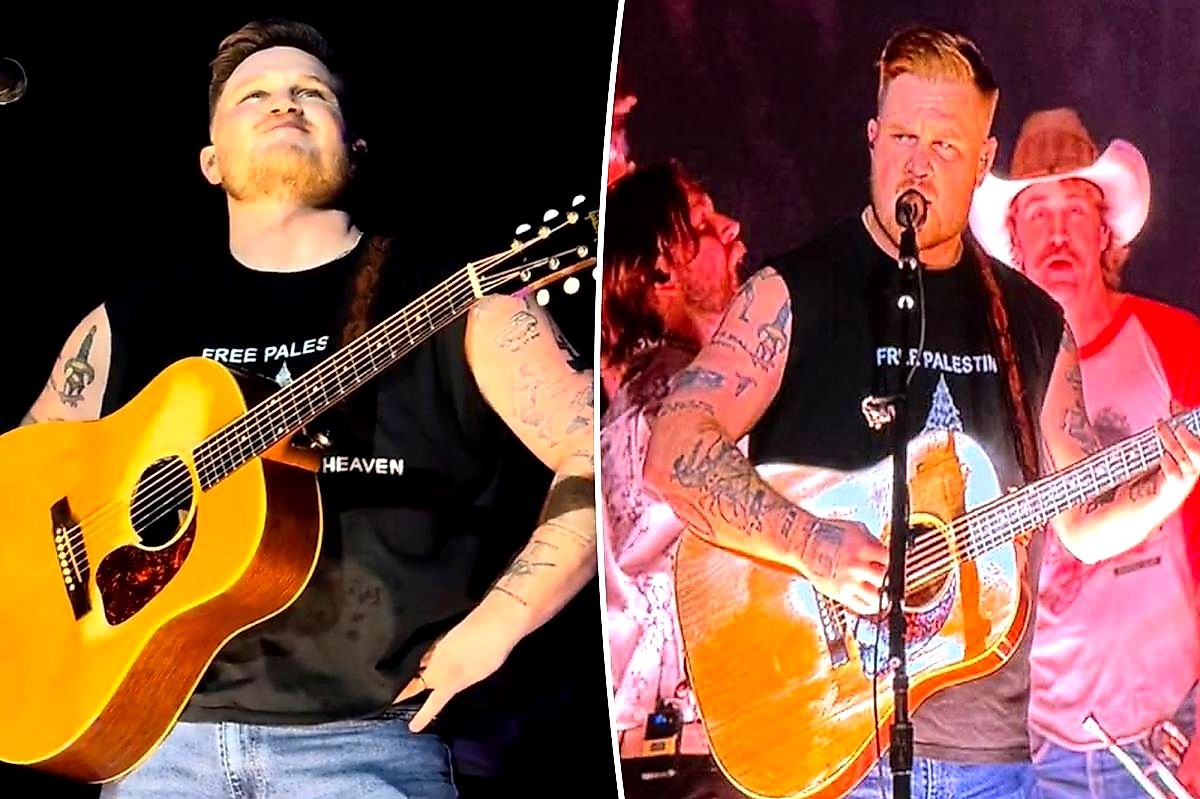
# **Zach Bryan Breaks Gillette Stadium Record Wearing 'Free Palestine' Shirt** Saturday night at Gillette Stadium in Foxborough, Massachusetts, 73,538 people flooded the field for a sold‑out performance that shattered every venue record. 30‑year‑old country star Zach Bryan set the new attendance mark, eclipsing the previous highest figure with a thunderous wave of cheers that echoed off the stadium’s towering walls.
The crowd’s roar was amplified by the sight of Bryan in a black T‑shirt emblazoned with the words *FREE PALESTINE*, a statement he had carried onstage the night before. In doing so, he turned a headline‑making moment into a second, consecutive performance that left both fans and the media buzzing.
The electric atmosphere also drew media crews from across the region, who captured the raw energy of the performance in a flurry of live footage that would circulate on social media within hours.
The shirt itself is a stark contrast to the roaring crowds: crisp black fabric, 3‑D white lettering that glints under the stadium lights, and a subtle pine tree graphic that sits between the message and the phrase *AN APPEAL TO HEAVEN*.
That latter phrase harkens back to an 18th‑century Revolutionary War flag that some American colonists believed would summon divine aid in their fight for rights. The design, therefore, layers contemporary political activism with a nod to a long‑standing American narrative about freedom and divine favor.
Bryan’s rise to prominence has been anything but quiet. After an eight‑year stint in the U.S.
Navy, he left the sea and turned to songwriting, releasing his breakthrough album *Revival* in 2020. The record, with its unfiltered storytelling and raw vocal delivery, catapulted him to the upper echelons of country music and earned him a dedicated fan base that spans generations.
The decision to wear the *Free Palestine* shirt reflects a broader trend among artists using their platforms to address geopolitical issues, a move that often courts controversy as well as support.
His willingness to put personal risk on the line has already inspired a younger generation of musicians to question the status quo. The timing of the shirts came at a moment of heightened sensitivity for Gillette Stadium’s owner, Robert Kraft.
Last week Kraft barred rapper Macklemore from performing at the venue after Macklemore’s open endorsement of *Free Palestine* during an opening act for Ed Sheeran’s Loop tour.
That decision sparked a broader debate about freedom of expression in music venues, especially as several other artists—including Sheeran himself—have faced backlash. The stadium’s policies, therefore, were under close scrutiny as fans and activists weighed in.
The incident highlights the delicate balance venues must maintain between commercial interests and political expression, a tension that will only intensify as the music industry becomes increasingly vocal about global issues. Social media erupted in the hours following Bryan’s performance.
Fans flooded the stadium’s official Instagram with comments, some joking about the lack of close‑up shots of the shirt, while others expressed admiration for the singer’s bold choice.
One user typed, “Weird you don’t want a close up of his face / shirt 😂,” and another replied, “no closeups 😂 scared of some text on a shirt.” The comments illustrate the divided reception: a portion of the audience celebrated the political statement, whereas others felt the venue had been cautious, perhaps anticipating backlash.
Their unified front has sparked renewed conversations about collective activism in music. Industry insiders view the incident as a test case for how large venues manage politically charged content.
Gillette Stadium set a new attendance record during a show featuring a controversial T‑shirt suggests that controversy can, paradoxically, drive ticket sales.
At the same time, the stadium’s prior ban on Macklemore signals a willingness to enforce a brand‑image policy that may alienate certain artists or segments of the fan base.
The upcoming months will likely Stakeholders will monitor how the decision shapes artist‑venue relationships and whether it prompts other stadiums to adopt stricter content guidelines. Ed Sheeran’s own Loop tour was not spared from the reverberations of this controversy.
After several opening acts and even his own band stepped back in solidarity with Macklemore, Sheeran was forced to reorganize performances, even announcing a surprise appearance by The Fray frontman Isaac Slade at an Atlanta concert.
In a candid moment on stage, Sheeran broke down in tears, claiming that the backlash had isolated him from friends and family. His emotional testimony added a human dimension to the broader conversation about artists, activism, and audience expectations.
Looking ahead, Bryan’s team is already eyeing a summer tour that will hit stadiums across the country. The question remains whether he will continue to display politically charged apparel, or whether he will scale back his visual statements to avoid potential venue pushback.
Meanwhile, Robert Kraft’s next moves will likely set a precedent: a refusal to accommodate similar apparel could prompt a wave of artist resignations or calls for alternative venues. For now, the industry watches closely as the intersection of art, politics, and commerce plays out on a grand stage.
Meanwhile, fans are debating whether such public displays enhance authenticity or risk polarizing audiences, a debate that will influence booking decisions for years to come.
In the end, Zach Bryan’s record‑breaking night was more than a commercial triumph; it was a flashpoint that exposed the complex dance between an artist’s conscience, a venue’s policy, and a fan base’s evolving expectations.
As the country’s musical landscape continues to shift, the echoes from Gillette Stadium will resonate far beyond the 73,538 voices that cheered last Saturday.
At a Glance
- Zach Bryan broke Gillette Stadium's attendance record with 73,538 fans while wearing a “Free Palestine” tee.
- The shirt ignited a clash of political expression versus venue policy, echoing last week's ban of Macklemore.
- The incident signals a shift in how artists, venues, and fans negotiate activism and commerce.
Why It Matters
Our Take
GoNews Pulse Editorial Team
This article was prepared for publication by GoNews Pulse and checked for publication requirements under our editorial standards. We review available information and correct material errors when they are identified.
Quick Answers
- What is the latest update on this story?
- The controversial free‑Palestine tee worn by Zach Bryan at Gillette Stadium sparked debate after owner Robert Kraft barred Macklemore from performing week before.
- Who is this story about?
- This article covers developments related to Zach Bryan's 73,538-Seat Free Palestine Shirt Shatters Stadium Record. GoNews Pulse's editorial team monitors the story and updates the article as new verified information becomes available.
- Where can I read more about celebrity news?
- GoNews Pulse publishes original reporting on celebrity news and related entertainment news. Visit the homepage or browse the section dedicated to this story for the latest coverage.
More From This Section

Jon Gosselin's 22‑Year‑Old Son Exposes Abuse, Father Shouts Support
Jon Gosselin declares that his son’s 22‑year‑old memoir exposes alleged institutionalization and a hidden ‘small holding’ cell, sparking a national debate.

Mike Colter's Valley Firm AGI Bo Revealed at 2:00 a.m. Shocks Fans
Rob McClure's portrayal of Bo forces the firm to confront a real‑world AGI asking for legal guardrails, sparking a tense ethical debate.

Meredith Grey's bed proposal to Nick on surgery table stuns fans
Meredith Grey slipped a ring into Nick's hand while he lay on the operating table, a move that stunned fans amid the bridge collapse.