
Zach Bryan's 30‑Year‑Old Free Palestine Shirt at Gillette Stadium Breaks Hearts
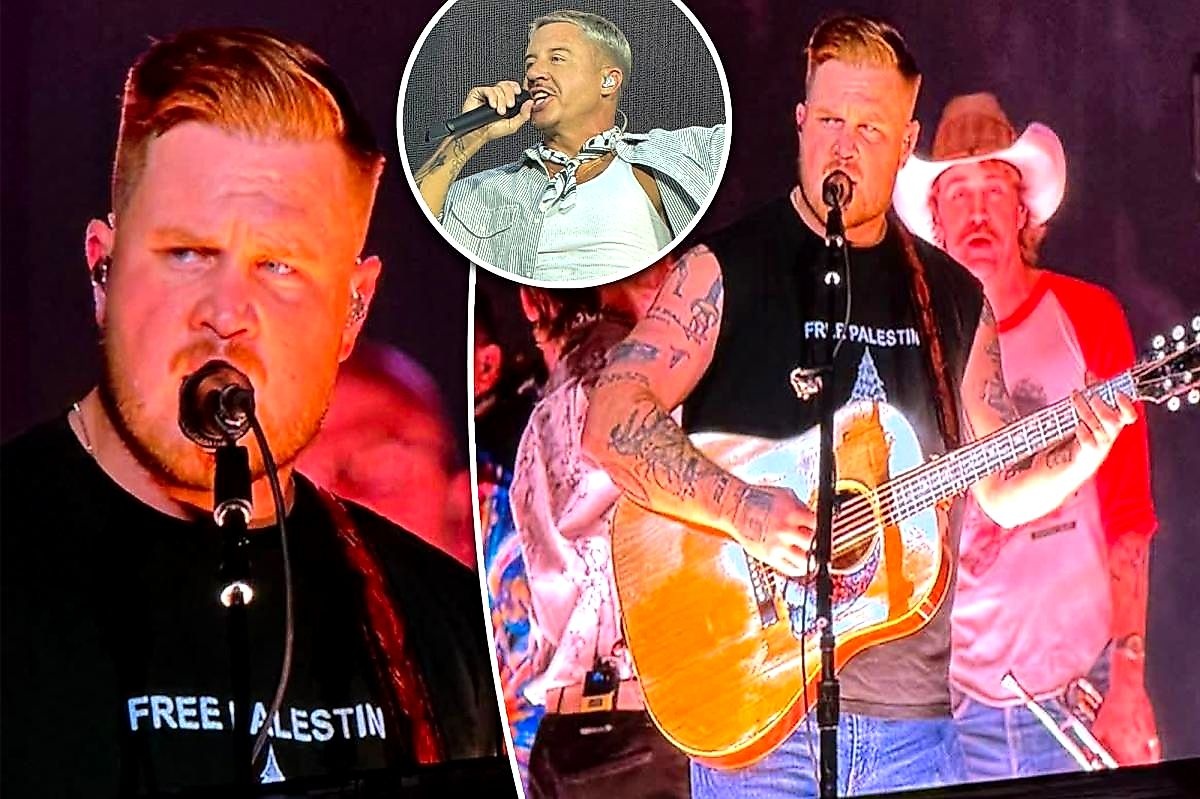
# Zach Bryan Rocks Gillette in ‘Free Palestine’ Shirt Amid Tensions Zach Bryan stepped onto the stage at Robert Kraft’s Gillette Stadium in Foxborough, Massachusetts, with a black T‑shirt that read “FREE PALESTINE” in stark white lettering.
The 30‑year‑old country singer, fresh from a sold‑out opening night, turned the stadium’s lighting into a moving canvas of protest and history. A pine‑tree flag flanked the slogan, and beneath it, “AN APPEAL TO HEAVEN” echoed a Revolutionary War rally that once called on divine intervention for American liberty.
The performance, the first of a two‑night run, was the closing act of Bryan’s “With Heaven on Tour.” The show unfolded just a month after a similar political statement rattled the NFL’s top tier.
Macklemore, the hip‑hop artist whose real name is Benjamin Haggerty, had declared “Free Palestine” during the opening nights of Ed Sheeran’s “Loop” tour at MetLife Stadium. The rapper’s keffiyeh and on‑stage outbursts forced several NFL owners—most notably Kraft—to threaten pulling the shows.
Eventually, Macklemore was dropped from the remainder of the tour, and the controversy sparked a broader conversation about the role of politics in sports venues.
By the time Bryan’s performance rolled out, the stadium had become a flashpoint where music, protest, and corporate interests collided. ## Background & Context Bryan’s choice of apparel is steeped in symbolism.
The pine tree flag harks back to a 1776 flag raised by American colonists, a symbol of resilience and the appeal to a higher power in their struggle for rights.
The phrase “AN APPEAL TO HEAVEN” is no random flourish; the National Park Service notes that colonists used it to evoke divine support for the fight against perceived oppression. By pairing this with “FREE PALESTINE,” the singer linked the ancient quest for liberty to the contemporary conflict in the Middle East.
The shirt’s stark contrast—a black canvas against white 3D lettering—was complemented by the band’s collective statement. Guitarist Noah Le Gros wore a green soccer jersey emblazoned with the Palestine flag, and a photograph of him posed before the Kraft Sports and Entertainment signage spread across social media.
The visual language was consistent: a rallying cry that was both personal and political, and one that mirrored the country singer’s recent album title, “With Heaven on Tour.” The choice to wear such a shirt at a sold‑out stadium, home to an NFL team owned by the same man who had confronted Macklemore, amplified the statement’s impact.
The timing was also significant. The incident involving Macklemore had taken place just over a month earlier, at Ed Sheeran’s opening nights in September.
The rapper had worn a black‑and‑white keffiyeh and had called for “free Palestine” while showing footage of Gaza and anti‑Israel protests. This prompted the NFL owners to issue a stern warning that any further anti‑Israel commentary would lead to a pullout.
In the end, Macklemore was removed from the tour, and the stadium owners, led by Kraft, pledged to donate $2 million to Palestinian relief efforts in a gesture that underscored the fraught intersection of music, politics, and sports. ## What People Are Saying Word of Bryan’s performance spread quickly across fan forums, independent blogs, and political commentary sites.
Many applauded the singer’s courage to stage such a bold political statement in a venue that has traditionally eschewed controversy. Supporters highlighted the historical resonance of the pine tree flag and the call for “heavenly” intervention, arguing that it underscored the timelessness of the struggle for freedom.
Critics, however, framed the act as a potential distraction from the concert’s musical core. Some argued that politicizing a sports venue might alienate portions of the audience, especially given the venue’s ownership by a prominent NFL team.
Others cautioned that while the statement was well‑intentioned, it risked simplifying a complex conflict into a single slogan. Amid the debate, a number of fellow musicians and public figures expressed solidarity, noting the importance of using platforms to raise awareness.
The conversation continued on various online forums, with users debating the ethics of mixing art and activism, and whether stadiums should serve as stages for political expression. The reaction also highlighted the ripple effects of the earlier Macklemore controversy.
Fans who had felt that the rapper’s remarks had been over‑reacted to or dismissed now saw in Bryan’s performance a more measured, artistic approach to the same issue.
By focusing on visual symbolism rather than direct speech, the singer seemed to sidestep the backlash that had beleaguered Macklemore, while still making an unmistakable statement.
The result was a polarized yet engaged audience, with many taking to social media to discuss the merits of the artist’s approach and its implications for future performances at large venues. ## What Happens Next The two‑night run at Gillette Stadium is only the beginning of what could be a broader trend of artists using large venues to spotlight political causes.
The success of the sold‑out show—paired with the stadium’s willingness to allow the statement—may encourage other performers to adopt a similar strategy.
Yet the recent fallout from Macklemore’s run suggests that venues will remain cautious, especially if a performance threatens to spark protests or jeopardize relationships with league owners and sponsors. For Zach Bryan, the “Free Palestine” shirt could become a defining moment in his career.
The artist has already woven political consciousness into his songwriting, and the visual declaration at Gillette amplifies that message. Future tours may see him continue to employ historical symbols and direct activism, potentially prompting both praise and criticism.
From the stadium’s perspective, Robert Kraft’s decision to host the concert while acknowledging the political statement—coupled with the earlier pledge to donate $2 million—might set a precedent for how sports venues negotiate artistic freedom and corporate responsibility.
Meanwhile, the conversation surrounding the Palestinian cause will likely stay in the public eye. With the conflict’s intensity fluctuating, each new statement from a high‑profile artist adds a layer of complexity to how the issue is perceived by broader audiences.
For now, the image of a 30‑year‑old country singer in a black T‑shirt with a white “FREE PALESTINE” slogan against a backdrop of pine trees and “Appeal to Heaven” will linger in the minds of fans and critics alike, serving as a reminder that music, history, and politics are often intertwined in ways that can both unite and divide.
In the end, Zach Bryan’s Gillette performance may not resolve any debate, but it certainly has sparked it—an effect that, perhaps, was exactly what the artist intended.
At a Glance
- Zach Bryan wore a “FREE PALESTINE” tee with pine‑tree flag at Gillette Stadium, echoing Revolutionary War symbolism.
- The move followed Macklemore’s earlier protest, prompting the NFL’s Kraft to threaten pulls and donate $2 million to Palestinian relief.
- Fans and critics split, debating whether stadiums should serve as platforms for political statements.
Why It Matters
Our Take
GoNews Pulse Editorial Team
This article was prepared for publication by GoNews Pulse and checked for publication requirements under our editorial standards. We review available information and correct material errors when they are identified.
Quick Answers
- What is the latest update on this story?
- The black tee, emblazoned with “FREE PALESTINE” and a pine‑tree flag, sparked a debate that racked stadium fans and NFL owners alike.
- Who is this story about?
- This article covers developments related to Zach Bryan's 30‑Year‑Old Free Palestine Shirt at Gillette Stadium Breaks Hearts. GoNews Pulse's editorial team monitors the story and updates the article as new verified information becomes available.
- Where can I read more about celebrity news?
- GoNews Pulse publishes original reporting on celebrity news and related entertainment news. Visit the homepage or browse the section dedicated to this story for the latest coverage.
More From This Section

Jon Gosselin's 22‑Year‑Old Son Exposes Abuse, Father Shouts Support
Jon Gosselin declares that his son’s 22‑year‑old memoir exposes alleged institutionalization and a hidden ‘small holding’ cell, sparking a national debate.

Mike Colter's Valley Firm AGI Bo Revealed at 2:00 a.m. Shocks Fans
Rob McClure's portrayal of Bo forces the firm to confront a real‑world AGI asking for legal guardrails, sparking a tense ethical debate.

Meredith Grey's bed proposal to Nick on surgery table stuns fans
Meredith Grey slipped a ring into Nick's hand while he lay on the operating table, a move that stunned fans amid the bridge collapse.