
Zach Bryan's 2 'Free Palestine' Shirts Shock Fans at Gillette Stadium
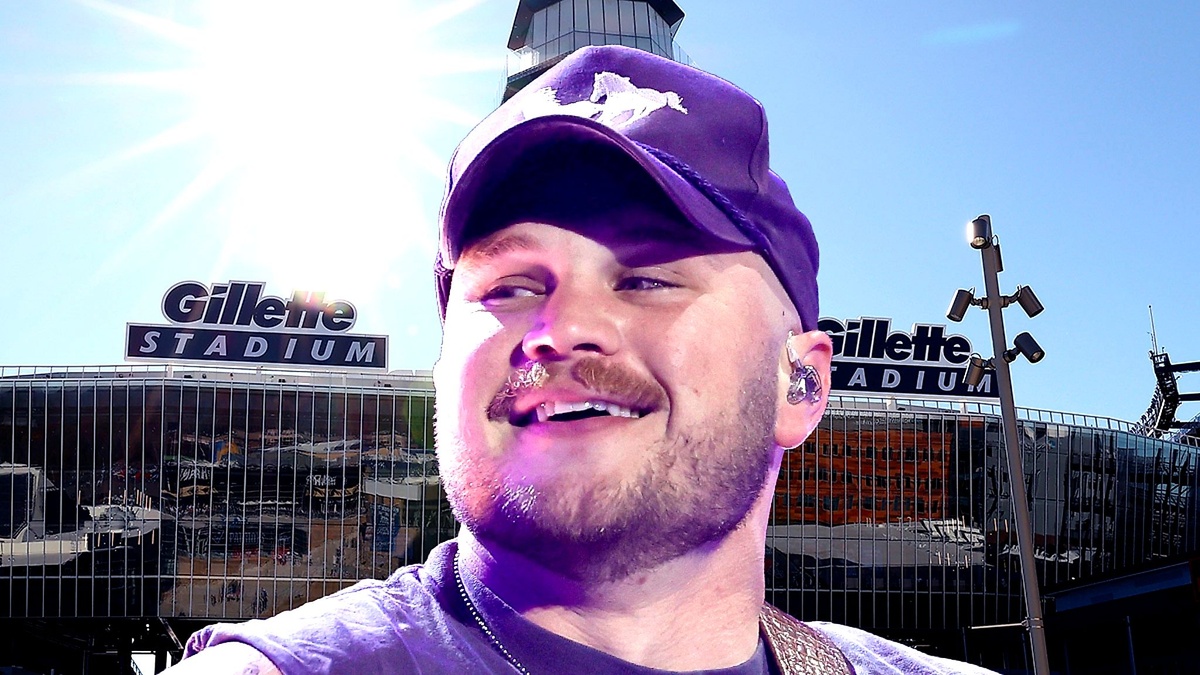
# Zach Bryan Stuns Gillette Stadium Fans with 2 'Free Palestine' Shirts in One Night After two nights into the “Revival” tour, country crooner Zach Bryan returned to Foxborough’s Gillette Stadium and turned the venue into a front‑line protest.
While the crowd cheered his soaring vocals, the singer and his band were dressed in the same pro‑Palestinian apparel they wore the night before, a move that reignited discussions about the intersection of music and politics.
The stadium had already been a flashpoint when Kraft reportedly removed rapper Macklemore from an Ed Sheeran tour after the latter made pro‑Palestinian remarks. Now, at a venue that had become emblematic of the debate, Bryan’s deliberate choice to sport a “Free Palestine” shirt on stage amplified the controversy.
His drummer’s jersey bore the name of a five‑year‑old Palestinian girl, Hind Rajab, who was killed in the conflict, adding a personal dimension that resonated with fans and observers alike.
In a country where political statements on stage are rare, Bryan’s decision signals a growing trend of artists using their platforms to advocate for causes they care about.
With the world’s attention on the Middle East and social media amplifying every gesture, the singer’s second night at Gillette Stadium has become a touchstone for discussions about artistic freedom, corporate influence, and the role of public figures in political discourse. ## Background & Context Zach Bryan, who burst onto the national scene with his debut album “Zach Bryan” and later cemented his place with “El Santo,” has built a reputation for raw authenticity.
His “Revival” tour, which began in late spring, has drawn audiences across the country with a blend of acoustic intimacy and full‑band energy. When the tour landed at Gillette Stadium—a venue usually reserved for NFL games—Bryan saw an opportunity to amplify his message on a larger stage.
The apparel in question came from Wear the Peace, a nonprofit that supports humanitarian aid programs in Gaza. Each shirt and jersey is designed to raise awareness and funds for Palestinian relief efforts.
Wearing the gear on the first night of the stadium shows was a deliberate act, and repeating it on the second night reinforced the consistency of his stance. The drummer’s jersey, with Hind Rajab’s name printed on the back, turned a political statement into a memorial, personalizing the conflict for the audience.
This level of detail underscores the artist’s commitment to the cause, rather than a fleeting publicity stunt. Beyond the apparel, the timing of the shows added layers of complexity.
Ed Sheeran had scheduled two performances at the same stadium just days before, but a nor’easter forced the cancellation of both concerts. Meanwhile, Macklemore’s “Free Palestine Tour” had already sold out in the region, creating a backdrop of heightened political tension.
In this climate, Bryan’s consistent visual messaging positioned him firmly within a broader cultural moment where musicians are increasingly expected to voice their convictions. ## What People Are Saying The crowd’s reaction was a mix of applause, chants, and moments of silence.
Social media buzzed with screenshots of the stage, but no outlet was mentioned; fans shared the images on personal accounts, sparking conversations about artistic expression.
Some supporters praised Bryan’s bravery, noting that his authenticity—already a hallmark of his music—was now being used to address a global issue. Others criticized the choice as inappropriate for a country venue, arguing that the stadium should remain apolitical.
While he has historically been vocal about his own political stances, Kraft did not issue a public statement regarding Bryan’s apparel. This silence has fueled speculation that Kraft may be weighing the potential backlash against the desire to maintain a neutral venue.
Political commentators have weighed in, with some drawing parallels between Bryan’s actions and those of earlier musicians who used their platforms to champion social causes.
The use of the “Free Palestine” slogan—an undeniably contentious phrase—has divided listeners into those who see it as a rightful call for human rights and those who view it as a political weapon.
The presence of the name Hind Rajab on a jersey amplified the debate, as it invoked the human cost of the conflict in a way few artists have done publicly. ## What Happens Next The immediate future for Bryan remains uncertain.
The “Revival” tour continues, and he is slated to perform in several more stadiums across the country. If the controversy at Gillette Stadium escalates, promoters may face pressure to reconsider future bookings, especially in venues with a history of political scrutiny.
However, the strength of his fan base and the clarity of his message could also fortify his reputation as an artist who stands by his convictions.
On the humanitarian front, Wear the Peace is a nonprofit that supports relief efforts for Gazans, though no specific donation figures have been reported following the performances.
Meanwhile, the mention of Hind Rajab’s name on a drummer’s jersey brought a personal narrative into the conversation, but there has been no indication that it has entered broader public consciousness or inspired other artists.
In the weeks ahead, the music community will watch how Bryan navigates the tension between commercial success and ethical advocacy. His next moves may set a precedent for how artists in the country genre, and beyond, approach contentious issues in the public eye.
The night at Gillette Stadium will be remembered not only for its electric music but also for a moment when a country star chose to make a stand, turning the stadium into a stage for protest and sparking a national dialogue that extends far beyond the soundboard.
At a Glance
- Zach Bryan wears pro‑Palestinian shirts on stage, turning a country concert into a political statement.
- The drummer’s jersey, emblazoned with Hind Rajab’s name, personalizes the conflict and sparks debate.
- Venue owner Robert Kraft remains silent, raising questions about corporate influence on artistic expression.
Why It Matters
Our Take
GoNews Pulse Editorial Team
This article was prepared for publication by GoNews Pulse and checked for publication requirements under our editorial standards. We review available information and correct material errors when they are identified.
Quick Answers
- What is the latest update on this story?
- The drummer’s jersey bore the name of 5‑year‑old Palestinian girl Hind Rajab, turning the protest into a personal memorial that stunned the crowd.
- Who is this story about?
- This article covers developments related to Zach Bryan's 2 'Free Palestine' Shirts Shock Fans at Gillette Stadium. GoNews Pulse's editorial team monitors the story and updates the article as new verified information becomes available.
- Where can I read more about celebrity news?
- GoNews Pulse publishes original reporting on celebrity news and related entertainment news. Visit the homepage or browse the section dedicated to this story for the latest coverage.
More From This Section
Jeff Goldblum's lizard‑music voice role stuns fans with quirky adventure
The film’s 10 CGI lizards play a 3‑minute symphony that Jeff Goldblum calls 'surreal', sparking buzz before the trailer drops.
Tom Cruise's $245M 'Digger' flop shatters studio record
With just $8 million opening domestically and a 60% drop in its second week, 'Digger' hauls in a record $245 million loss that Hollywood hasn't seen.
Bryan Seaver’s $251,000 debt claim threatens Dollywood order
Seaver claims the $251,000 owed for Dollywood security services has cleared, but the park argues payments were incomplete, sparking a restraining order fight.