
YouTube adds comment replies to smart TVs, Shorts at Made on YouTube
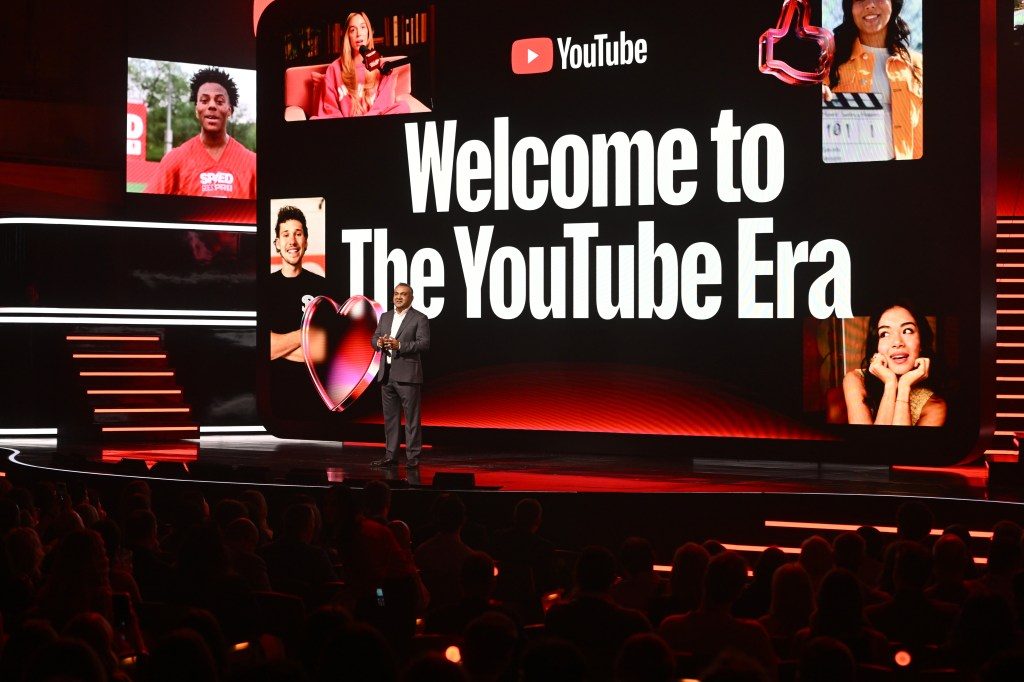
YouTube has topped Nielsen charts for three years straight, capturing 14.2 % of all U.S. TV viewing as of July.
During its annual Made on YouTube event Wednesday, the company unveiled nearly three dozen new features for creators, brands, and viewers. These additions include the ability to post comments directly from a TV, view creator “posts” (static images or text), and watch series specifically tailored for YouTube Shorts.
The company’s CEO, Neal Mohan, said the company has rolled out 3,000 product updates in 2026 to date, underscoring a commitment to continually evolve the TV experience. As of July, YouTube holds a 14.2 % share of all television viewing in the United States, .
The expansion follows a pattern of adding mobile‑centric features to the living‑room experience, a strategy that has proven successful across multiple formats. YouTube’s leadership believes that consumption is no longer passive and that viewers want to engage more deeply with content while still leaning back on the couch.
## Background & Context
YouTube launched in 2005, and its original DNA remains a guiding principle for new features. The company noted that the first comment ever posted on its first video, “Me at the Zoo,” was simply “Lol.” This anecdote underscores the platform’s commitment to preserving its early‑day simplicity even as it expands into new territories.
Shorts has become a runaway hit on televisions, with more than 2 billion hours of viewing . The format has also attracted a substantial audience for microdramas, which have accumulated 6.5 billion views on YouTube this year alone.
On TV, microdramas are growing 90 % year over year, a rate that the company sees as promising for future growth.
Kurt Wilms, senior director of product management for YouTube on TV, explained that creators and viewers have repeatedly asked for features that were originally designed for mobile or web. “I wouldn’t call it passive. I would call it, like, lean back,” Wilms told reporters.
He added that the ability to read or leave comments while watching can turn a passive viewer into a “leaned‑in viewer.”
## What People Are Saying
Wilms emphasized that the line between passive and engaged consumption is blurred. “I’m watching it.
Something maybe happens in the show,” he said, “and then I’m like, ‘Oh, well, I want to read the comments, or I want to leave a comment myself.’ So now, instantly I become a leaned‑in viewer.” The CEO's words illustrate how interactive elements can change the viewing experience on TV.
User feedback has been a strong driver for these updates. Viewers have repeatedly asked the company, “I want to read the comments on TV,” and creators have requested that their audiences be able to engage from larger screens.
The response has been to add comment‑reading functionality on TVs, which Wilms estimates rivals the number of viewers who read comments on the web.
The company’s research shows that a viewer may shift between modes: a “home stereo” mode for music, a family‑watching mode for longer content, and a “Shorts mode” for quick bites. These modes demonstrate that people are willing to interact with content in multiple ways across different contexts.
## What Happens Next
YouTube plans to roll out the expanded capabilities as part of its broader mission to preserve the platform’s original experience while adding new ways for viewers to engage.
The 3,000 product updates announced for 2026 are an ongoing commitment to expanding the TV ecosystem with unexpected formats such as gaming videos, podcasts, and Shorts.
Microdramas are expected to continue their rapid growth on television screens. With a 90 % year‑over‑year increase, creators are already producing more bite‑sized content that fits into short breaks or family viewing sessions.
The company believes that fast‑paced, action‑packed microdramas resonate with a broad audience and will likely sustain their upward trajectory.
While the company has not released specific metrics for the new features, Wilms indicated that the number of viewers reading comments on TVs is comparable to those reading on the web.
YouTube will continue to gather data from creators and audiences to guide further updates, aiming to keep the platform dynamic and engaging across all screens.
The next phase of YouTube’s TV strategy appears focused on deepening interaction, broadening content formats, and maintaining a user‑friendly experience that feels as seamless on a large screen as it does on a phone or laptop.
In short, YouTube is expanding its television presence by adding interactive tools that encourage viewers to engage more deeply while watching—an approach that aligns with current consumption habits and supports the platform’s ongoing growth in the living‑room space.
Why It Matters
Our Take
GoNews Pulse Editorial Team
This article was prepared for publication by GoNews Pulse and checked for publication requirements under our editorial standards. We review available information and correct material errors when they are identified.
Quick Answers
- What is the latest update on this story?
- YouTube adds comment replies and Shorts to smart TVs—now your living room can join the conversation.
- Who is this story about?
- This article covers developments related to YouTube adds comment replies to smart TVs, Shorts at Made on YouTube. GoNews Pulse's editorial team monitors the story and updates the article as new verified information becomes available.
- Where can I read more about YouTube Shorts?
- GoNews Pulse publishes original reporting on YouTube Shorts and related entertainment news. Visit the homepage or browse the section dedicated to this story for the latest coverage.
Related topics
- #YouTube Shorts
- #microdramas
- #Kurt Wilms
More From This Section

Netflix's $277k box office break shatters streaming dominance
The film earned $108.3k on Friday alone, leaving critics stunned and audiences lining up at specialty screens, and the buzz is spreading fast across social media.

Courteney Cox 62 Turns Heads in Black Bikini on Hawaiian Beach
At Jennifer Meyer’s wedding, 62‑year‑old Courteney Cox stunned guests in a sleek black bikini, revealing a new fitness‑focused lifestyle that fans are buzzing about.

Steve Kazee's 'We Got You' Post Spurs Jenna Dewan After Val Suspension
Kazee wrote, 'Every time I think I can’t love you more…' as Jenna faced a sudden partner change right before the live finale.