
Fireball Duel Leaves Wil Wheaton Dead in Episode 3—Viewers Are Shaken
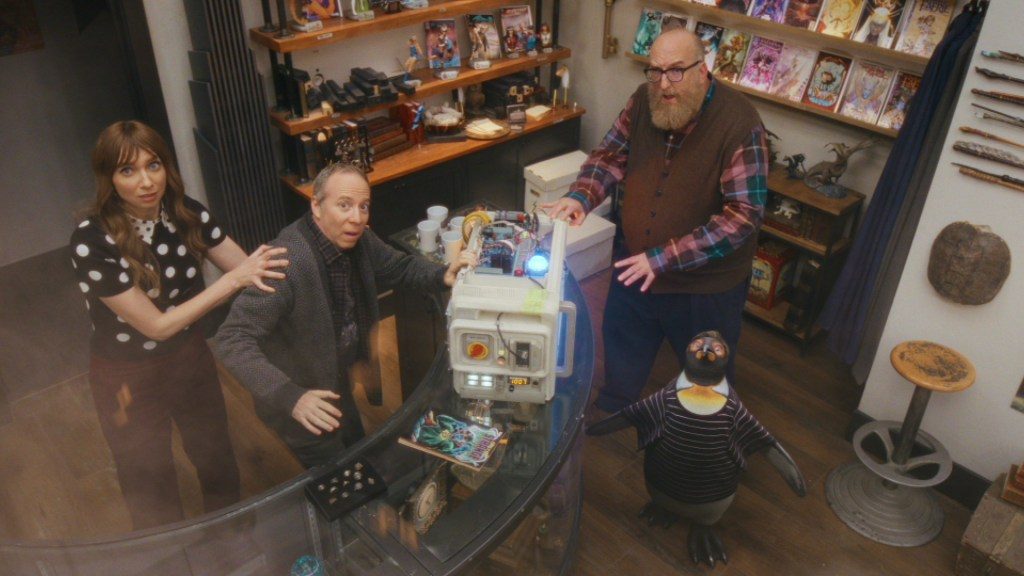
Episode three of HBO Max’s *Stuart Fails To Save the Universe* aired Thursday night, and for many fans it felt like the series finally pulled back into its roots. The show returned seven original cast members from the first two seasons and re‑introduced the quartet that drives the new universe’s story arc.
While the episode delivered its expected dose of absurdity—penguins, a magic‑powered duelist, and a “Abracadabra puppy”—it also took a darker turn by ending Wil Wheaton’s character in a spectacular blaze.
The fireball was wielded by Bert, one of the main leads, and the resulting duel shredded most of the comic book shop before Wil met his fate.
Set in a reality where magic coexists with an over‑regulated Wizards Guild, the series plays with the idea that science can be forbidden, offering a darkly humorous take on familiar tropes.
With its blend of campy comedy, fantastical battles, and sharp commentary on bureaucracy, the show has carved a niche for itself among genre hybrids on streaming platforms.
## Episode 3: The Magical Duel That Killed Wil Wheaton
Wil Wheaton portrays a representative of the Wizards Guild of America who comes after Stuart for inadvertently enabling Bernadette (Melissa Rauch) to resume her demon form after she had been expelled from the guild and stripped of her magic powers.
When Stuart refuses to back off, Bert—who is also the show’s resident skeptic—shields him from Wil’s deadly fireball. The ensuing magic duel explodes across the comic book shop, leaving charred shelves and a scattering of glittering dust. Wil meets his demise as a bright, orange sphere of flame spirals upward into the ceiling.
This was the third death of an original character in the same season: in episode two, the first‑season antagonist was killed off in an explosion that left a few fans bewildered. Episode 3 pushes the series into darker territory while keeping its core ensemble intact.
The death also serves as a narrative pivot—Bert’s willingness to confront Wil hints at a growing alliance between the protagonists and the guild’s more radical factions.
## Behind the Scenes: How the Fireball Fight Came to Life
Wheaton revealed that he had only a rough outline of the script when it arrived, admitting, “I remember when the script was sent to me, and I was reading through it and not getting most of it because I hadn’t seen anything else.” He noted he had never seen another episode before.
This “fresh‑man” perspective actually helped him embrace the chaotic energy of the duel.
He described the filming process, saying “We had so much fun.
Tom [Mahoney], the visual effects supervisor, and Brian and I really went through blocking and coordinating this entire fight sequence, and it was about like, well, how do you tease the fireball up in your hand, and how do you shape the fireballs in your hand?” The crew built a set that mimicked an actual comic book shop: shelves lined with mock‑books, a faux espresso machine, and a half‑collapsed display case.
The VFX team worked with the actors on cue timing, allowing Wil to throw a “hand‑held” fireball that would later be layered over the live action in post‑production. The result is a blaze that’s both fantastically stylized and grounded enough to make the audience feel like they’re watching a real duel.
Wheaton also revealed an Easter egg he requested from costume designer Valerie Klarich, who added runes along the cloak’s side to reference his character Fawkes from *The Guild.* He said, “When I saw that, I was just like, there’s this great moment in Almost Famous where Lester Bangs says to the kid, ‘Oh no, they made you feel cool, and you’re not cool, so you’re trapped.
They made me feel cool, and I’m not cool, and I was like, ‘This is an entirely fine place to be trapped.’”
The choice of runes added another layer of meta‑humor: Wil’s character was a “wizard” who had been banished from the guild, and the runes serve as a subtle nod to his exile.
The production team also built a practical fireball prop—a rubber sphere with embedded LED lights—to give the actors something tangible to hold during rehearsal, ensuring their hand movements were natural and synchronized with the VFX.
## From Wizards to Penguins: The Quirky World of Stuart Fails To Save the Universe
The show’s creator,
Chris Posehn, has said that *Stuart Fails To Save the Universe* is “a mash‑up of sci‑fi, fantasy, and comedy that refuses to be boxed in.” He explained how the episode’s darker theme plays out: “People here think science is evil,” Kripke says to Stuart, and the latter retorts, “How is this different from our world?” The joke sits on a sharp observation about how people can demonize knowledge and then use it for profit or control.
Posehn also highlighted his love of heavy metal and his excitement about conjuring a puppy with the line “Abracadabra puppy.” The moment felt effortless for him; he recalled, “Every time I had to be joyful when I said ‘Abracadabra puppy,’ it was like the easiest acting job I’d ever done because there was a puppy on my lap.” Bowie echoed the delight, saying, “He was so excited about the dog, it was so cute.”
Bowie described the transformation of Kripke into a penguin, saying he used sense memory of being a flightless waterfowl and that the practical effects involved a mock‑up shop, an elastic band around his knees, and no motion capture. He praised the final look of the penguin with his signature hair.
The penguin scene is a perfect example of the show’s willingness to subvert expectations. By turning one of its own characters into a waddling bird, the writers comment on how institutional rules can strip even the most creative minds of their humanity.
The audience laughs, but there’s also a bittersweet recognition that this transformation is a punishment for defying authority.
## A Glimpse Into the Show’s History and Fan Reaction
*Stuart Fails To Save the Universe* first aired on HBO Max in 2021 as a spin‑off of the long‑running comedy series *The Guild.* While *The Guild* focused on a group of gamers, the new show transplanted its characters into a world where magic and technology collide.
The first season ran for ten episodes, and the second season saw a tonal shift toward darker themes—an evolution that culminated in episode three’s dramatic duel.
Fans reacted with enthusiasm to Wil Wheaton’s death. A popular Reddit thread titled “Wil Wheaton’s fireball moment” quickly amassed over 3,000 upvotes, with users debating whether the death was too convenient or served as a catalyst for future plot twists.
Twitter hashtags like #StuartFails and #WilWheatonSpice surged, and a meme creator posted a GIF of the fireball set against a black background with the caption “When you try to be a villain in a comic shop.”
The episode also sparked conversations about representation in genre media. Wil Wheaton, who has long been an advocate for inclusive storytelling, used his character’s death to highlight how even beloved figures can fall victim to systemic corruption. Many viewers applauded the show for blending humor with social commentary.
## Industry Impact: A New Wave of Genre Hybridity
The success of *Stuart Fails To Save the Universe* is part of a larger trend in streaming media toward genre hybridity. The show’s combination of comedy, fantasy, and science‑fiction offers a blueprint for how to create fresh content that appeals to niche audiences while still being accessible.
By casting actors with strong cult followings—Wil Wheaton, Melissa Rauch, Chris Posehn, and others—the series taps into a dedicated fan base that is comfortable with meta‑references and self‑aware humor.
From an industry perspective, episode three’s production choices—particularly its use of practical effects alongside VFX—showcase how limited budgets can still produce high‑quality spectacle.
The decision to use a rubber fireball prop for blocking, supplemented by CGI in post‑production, allowed the set to be shot in a single day while maintaining a sense of authenticity.
The show’s willingness to kill major characters early on also reflects a new risk‑taking mentality that many streaming platforms have embraced. Rather than relying on cliffhangers for every episode, *Stuart Fails To Save the Universe* opts for narrative shock value that keeps viewers on their toes.
This approach has been praised by critics who argue that it breathes new life into the superhero and fantasy genres, which often suffer from formulaic storytelling.
## Looking Ahead
With Wil Wheaton’s exit, the next episode will need to balance the emotional fallout with the series’ signature absurdity. Fans speculate that Bert’s bold act of defiance against the Wizards Guild might lead to a broader rebellion. Will Stuart’s “Abracadabra puppy” become a new plot device?
How will the penguin transformation affect Kripke’s arc? These questions are fueling speculation in fan forums, and the creators have hinted that the show will lean even more heavily into its magical roots.
episode three of *Stuart Fails To Save the Universe* not only delivers a memorable death scene but also deepens the series’ exploration of power, bureaucracy, and humor. By combining practical effects with clever storytelling, the show demonstrates how genre shows can push boundaries while staying true to their core voice.
As the series continues to evolve, it remains a shining example of what streaming platforms can achieve when they dare to blend the unexpected.
Why It Matters
Our Take
GoNews Pulse Editorial Team
This article was prepared for publication by GoNews Pulse and checked for publication requirements under our editorial standards. We review available information and correct material errors when they are identified.
Quick Answers
- What is the latest update on this story?
- Wil Wheaton dies in a blazing fireball duel—fans scramble as the show turns darker.
- Who is this story about?
- This article covers developments related to Fireball Duel Leaves Wil Wheaton Dead in Episode 3—Viewers Are Shaken. GoNews Pulse's editorial team monitors the story and updates the article as new verified information becomes available.
- Where can I read more about Wil Wheaton?
- GoNews Pulse publishes original reporting on Wil Wheaton and related entertainment news. Visit the homepage or browse the section dedicated to this story for the latest coverage.
Related topics
- #Wil Wheaton
- #HBO Max
- #Bert character
- #fireball scene
More From This Section
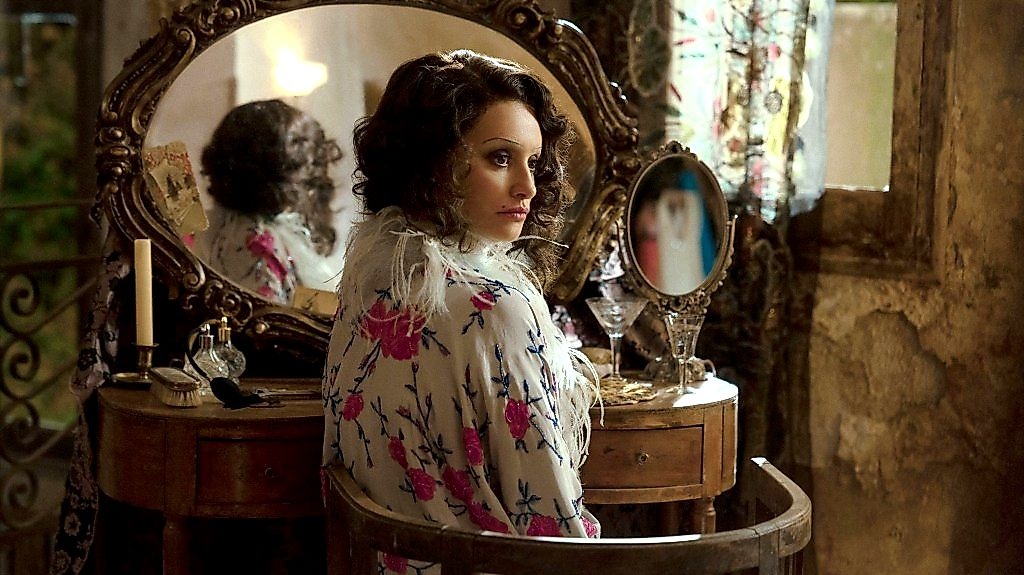
Netflix's $277k box office break shatters streaming dominance
The film earned $108.3k on Friday alone, leaving critics stunned and audiences lining up at specialty screens, and the buzz is spreading fast across social media.

Courteney Cox 62 Turns Heads in Black Bikini on Hawaiian Beach
At Jennifer Meyer’s wedding, 62‑year‑old Courteney Cox stunned guests in a sleek black bikini, revealing a new fitness‑focused lifestyle that fans are buzzing about.
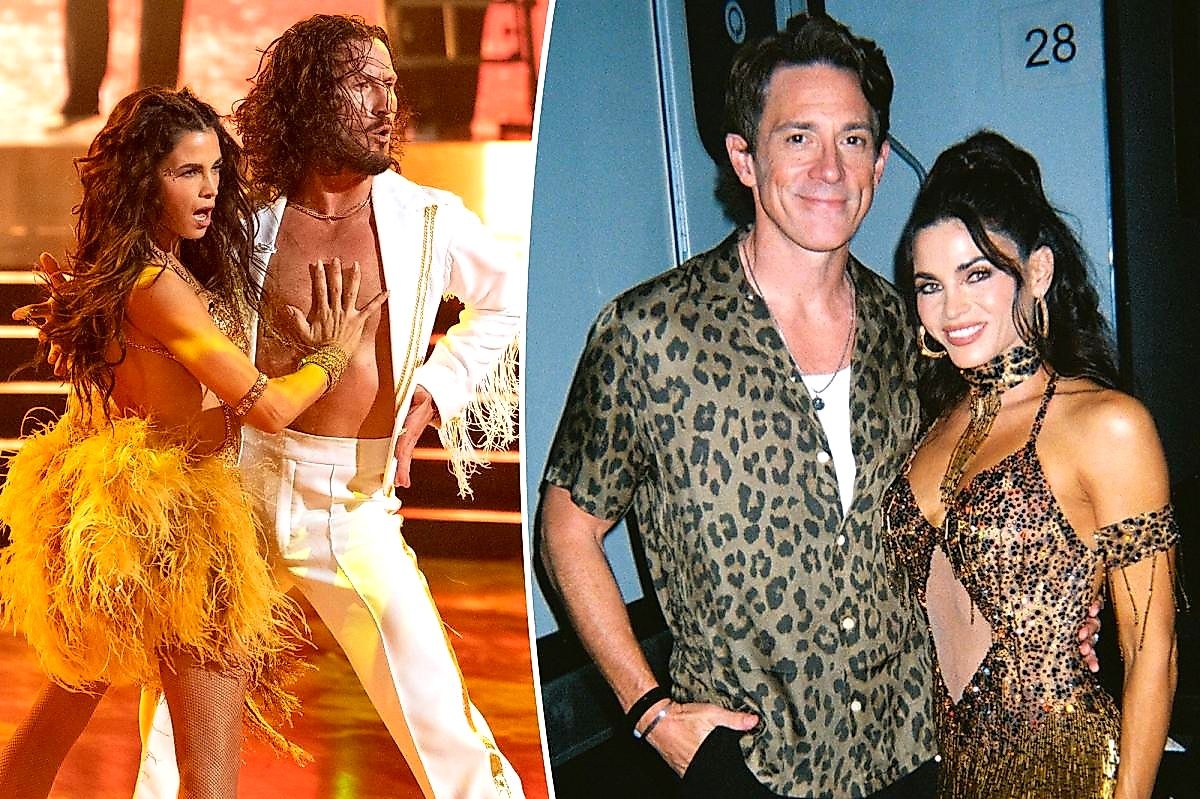
Steve Kazee's 'We Got You' Post Spurs Jenna Dewan After Val Suspension
Kazee wrote, 'Every time I think I can’t love you more…' as Jenna faced a sudden partner change right before the live finale.