
Watermelon Pictures inks 12-film deal with Qatar, boosting South cinema
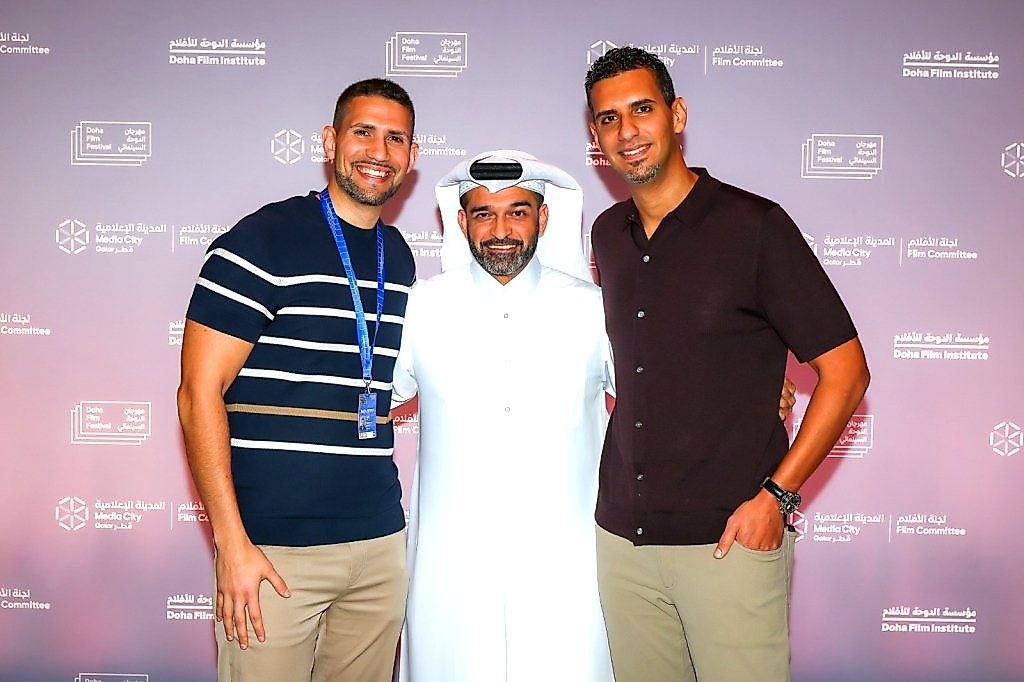
# Watermelon Expands Production Ambitions With Qatar Film Committee Deal In a move that could reshape how stories from the Global South reach international audiences, Chicago‑based Watermelon Pictures has inked a sweeping partnership with Media City Qatar’s Film Committee.
Announced during Doha’s Industry Days—part of the city’s expanding film festival circuit—the deal signals Watermelon’s transition from a niche distributor to a full‑scale, mainstream studio.
The alliance blends Qatar’s world‑class production infrastructure and generous fiscal incentives with Watermelon’s deep‑rooted commitment to under‑represented voices and a proven distribution network. ## A New Chapter for a Young Company Watermelon Pictures was founded in 2024 by Badie Ali and Hamza Ali, both of whom grew up in Chicago’s diverse neighborhoods.
The brothers were motivated by a shared frustration: the lack of authentic representation for Palestinian and other Global South stories in Hollywood’s box‑office‑centric system.
Their first foray into the industry was through distribution, bringing titles such as *The Voice of Hind Rajab*, *El Sett*, *Who Killed Alex Odeh?*, and *American Doctor* to U.S. audiences. Each film served as a reminder that compelling storytelling can emerge from places often ignored by mainstream cinema.
In interviews with industry insiders, the Ali brothers hinted at a broader creative agenda, suggesting that Watermelon is moving beyond distribution into development.
That conversation culminated in the present partnership, a strategic leap that will see the company tackle larger budgets, complex productions, and global release strategies.
For Badie, the deal is “a major step toward realizing our promise to tell these stories on a larger scale while remaining true to the people and places at their heart.” Hamza adds, “Our ambition isn’t simply to create space in the industry.
It’s to compete at its highest level.” ## Qatar’s Rising Star in Film Production Qatar’s ambition to become a global film hub is not new.
The nation’s investment in Media City Qatar—a complex featuring studios, post‑production suites, and the Qatar Film Commission—has already attracted projects such as *The Three Burials of Melquiades Estrada* and the Iranian‑Qatari collaboration *Shooting Stars*.
Central to this push is the Qatar Screen Production Incentive (QSPI), a tax‑credit program that rewards projects for hiring local talent and using domestic services. The incentive can cover a portion of qualified production costs, making Doha an increasingly attractive destination for international crews.
By aligning with Watermelon, Qatar’s Film Committee hopes to cement its status as a premiere destination for stories that highlight regional voices.
“Through this partnership, we want to give filmmakers the resources to tell stories rooted in their communities and bring them to audiences around the world,” said Chairman Hassan Al Thawadi.
He added that the collaboration would “create work for crews and businesses in Qatar and give them experience they can carry into their next production.” ## The Strategic Vision The core of the partnership lies in the creation of a slate of co‑productions, each a collaborative effort that will either be shot largely in Qatar or structured as a Qatari co‑production.
While specific titles remain under wraps, the Ali brothers have emphasized that the slate will span a range of genres—from intimate dramas to action‑thrillers—each grounded in the lived realities of Global South communities.
Their aim is not merely to showcase diversity but to produce commercially viable, globally resonant cinema.
The partnership will also give Watermelon’s projects access to Doha‑based post‑production facilities, ensuring that every stage of filmmaking—from shooting to editing—benefits from Qatar’s growing technical expertise.
In return, the local industry gains high‑profile projects that can elevate its talent pool and showcase its capacity to the world. ## Industry Reactions and Broader Implications The announcement has generated considerable buzz across the film community.
On Twitter, #QatarFilm is trending, with filmmakers praising the country’s growing infrastructure.
“Excited to see Watermelon bringing fresh voices to Qatar’s studio,” tweeted a prominent director, while another praised the QSPI as a “game‑changer for independent cinema.” In Facebook groups focused on under‑represented cinema, users praised the deal as “long overdue” and expressed hope that it will spur more global projects to the Gulf region.
Industry analysts see the partnership as part of a larger trend of emerging markets positioning themselves as creative hubs.
Similar collaborations—such as the partnership between Mexico’s Televisa and Amazon Studios, or India’s Reliance’s investment in international co‑productions—have reshaped regional film economies in the last decade.
By mirroring these models, Watermelon and Qatar could create a pipeline that feeds local talent into global projects while giving international filmmakers a gateway to the Middle East’s rich cultural tapestry. ## Cultural Significance and Personal Stakes For the Ali brothers, this deal is deeply personal.
Badie, whose family immigrated from Palestine in the 1970s, often cites his grandmother’s stories about life in the Gaza Strip as a source of inspiration. “I grew up listening to the songs, the stories, the hardships—yet none of them found a platform in Hollywood,” he recalls.
Hamza, who spent a summer in Beirut working on a low‑budget documentary, speaks of the transformative power of storytelling: “When I see a community’s story told authentically, it changes perceptions.
That’s why we’re committed to this.” On the Qatari side, the partnership has political as well as cultural ramifications. Qatar’s leadership has long sought to diversify its economy away from oil and gas, and cultural diplomacy has emerged as a key pillar of this strategy.
By fostering an environment where stories from diverse communities can thrive, Qatar positions itself as a bridge between the West and the Muslim world. ## The Road Ahead: Next Steps and Expected Outcomes The formal partnership will be finalized through definitive agreements and regulatory approvals.
Once signed, the Film Committee and Watermelon will jointly evaluate individual projects, ensuring alignment with strategic goals and QSPI eligibility. Financing will likely involve a mix of local government support, private investment, and possibly international co‑production credits.
In the coming months, both parties are expected to unveil the first project titles, provide production timelines, and begin talent recruitment. The initial focus will be on securing financing, assembling casts and crews, and negotiating distribution deals that reach global markets.
While exact release dates remain tentative, the momentum generated by the announcement suggests that the first film could premiere at a major festival within the next two years. ## A Glimpse into Doha’s Film Festival Atmosphere The announcement took place during Doha’s Industry Days—a three‑day event within the Doha Film Festival that brings together filmmakers, producers, distributors, and financiers.
The venue, a converted industrial warehouse turned cinema, buzzed with energy as delegates discussed emerging trends. The Ali brothers stood beside a giant screen that projected stills from *The Voice of Hind Rajab*, illustrating the kind of narrative depth Watermelon seeks to bring to the new partnership.
When the host asked about future plans, Badie’s calm confidence resonated with the crowd, sparking a flurry of applause. Meanwhile, a panel discussion on “Global South Storytelling” attracted a diverse audience, including students, filmmakers, and industry veterans.
As the conversation turned to Watermelon’s role, attendees expressed excitement about the potential for greater visibility for marginalized voices. A young filmmaker from Nairobi, who had just finished shooting a short film in Lagos, tweeted, “This partnership is the hope we’ve been waiting for.
The world needs our stories.” ## Conclusion Watermelon Pictures’ partnership with Media City Qatar’s Film Committee marks a significant shift in the global film landscape.
By combining Watermelon’s passion for authentic representation with Qatar’s robust production ecosystem and generous incentives, the alliance promises to produce a slate of co‑productions that could redefine how Global South narratives reach international audiences.
For the Ali brothers, the deal is a personal triumph and a mission to give voice to stories that have long been sidelined. For Qatar, it is an opportunity to cement its place as a creative hub that welcomes diverse narratives.
As the first project takes shape and production begins, the industry—and the world—will be watching to see if this bold experiment delivers on its promise of cinematic excellence and cultural resonance.
At a Glance
- Watermelon Pictures, founded by the Ali brothers, partners with Qatar’s Media City Film Committee to produce 12 co‑productions.
- The deal taps Qatar’s QSPI tax‑credit and 2,000‑acre studio complex, aiming to elevate Global South voices.
- Industry analysts view the pact as a model for emerging markets, potentially reshaping global film production pipelines.
Why It Matters
Our Take
GoNews Pulse Editorial Team
This article was prepared for publication by GoNews Pulse and checked for publication requirements under our editorial standards. We review available information and correct material errors when they are identified.
Quick Answers
- What is the latest update on this story?
- Badie Ali says the Qatar pact is a “major step toward realizing our promise to tell these stories,” and could reshape industry norms.
- Who is this story about?
- This article covers developments related to Watermelon Pictures inks 12-film deal with Qatar, boosting South cinema. GoNews Pulse's editorial team monitors the story and updates the article as new verified information becomes available.
- Where can I read more about celebrity news?
- GoNews Pulse publishes original reporting on celebrity news and related entertainment news. Visit the homepage or browse the section dedicated to this story for the latest coverage.
More From This Section

Mila Kunis reveals she and Kutcher kissed the same two actresses
During a Kelly Ripa podcast, Kunis said, 'They kissed me and I kissed them,' adding she kissed them in 2010 Black Swan, sparking wild speculation.

Patrick Stewart's final set scene in 2026 tears fans as he delivers farewell
Patrick Stewart whispers 'thank you' to the crew in a tearful speech, hinting this may be his final film set appearance and the studio audience gasps.

Ariana Grande's 33-Year-Old Shuts Down 10-Year Management Feeling Unsafe
She said, 'When you have safety around you, your body knows,' after cutting ties with her manager, sparking debate on artist safety and freedom.