
Warner Bros. slams Fox News over Chris Harrison's "The Vow" teaser
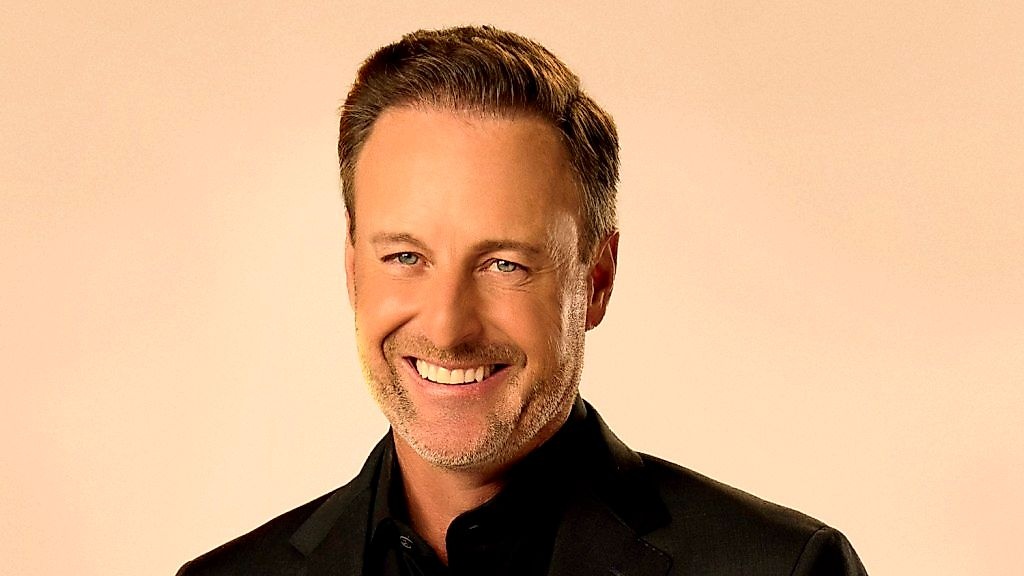
# Chris Harrison's "The Vow" Sparks Warner Bros. Copyright Showdown In a high‑stakes clash that has already set the industry abuzz, Warner Bros. has sent a cease‑and‑desist to Fox News Media over the teaser for Chris Harrison’s upcoming reality series, *The Vow*.
The new dating show, slated to premiere in November, appears to be riding on the coattails of *The Bachelor*, a franchise Harrison hosted from 2002 to 2021.
Warner Bros. argues that the teaser’s imagery and wording cross a legal line, while Fox News maintains that the elements in question are generic romantic tropes protected by free‑speech doctrines.
As the dispute escalates, the television landscape watches to see whether a battle over falling rose petals and a mansion will ultimately shape the future of reality dating shows. Both parties have already deployed their legal teams and public‑relations staff.
The conflict centers on three core claims: the use of falling rose petals, the use of the phrase “The Bachelor,” and the depiction of a mansion reminiscent of the iconic *Bachelor* backdrop.
While Warner Bros. insists these constitute infringement and an attempt to piggyback on its brand, Fox News counters that the elements are common, that the wording is colloquial, and that the series remains distinct enough to avoid confusion.
The case has already attracted industry speculation about the limits of intellectual property in reality television and the evolving boundaries of brand protection. ## Background & Context The dispute began when Warner Bros.’s intellectual‑property counsel released a formal letter demanding that Fox News remove the teaser for *The Vow* from all platforms.
The letter cited the presence of rose petals falling in the background of the promotional clip, with the phrase “The Bachelor” in front of an image of a tuxedo‑dressed man holding a rose.
It also pointed to a background image of a sprawling estate that the letter’s author argued was meant to evoke the famed *Bachelor* mansion.
Warner Bros. alleged that these visual and textual cues had been licensed by the studio for promotional material elsewhere, and that their use by Fox News without permission amounted to a direct infringement of the company’s rights.
Chris Harrison, the former host whose name is synonymous with the *Bachelor* brand, is at the center of this controversy. He has been a fixture of reality dating for two decades, bringing a signature blend of charisma and empathy to the format.
In *The Vow*, Harrison returns as host, but the show positions itself as a new take on the genre—promising deeper emotional journeys and a focus on long‑term relationships rather than quick romantic sparks.
Harrison’s return has already drawn fans of the original series, and his name alone carries significant brand value. The lawsuit threatens to jeopardize the series’ launch and could signal a broader tightening of rights over iconic reality formats.
Historically, the “falling rose petals” motif has been a staple of romance in cinema and television, appearing in films like *American Beauty*, *Moulin Rouge*, and *Beauty and the Beast*.
Because of this precedent, many argue that the imagery is a “scène à faire”—an expected element that cannot be owned by any single entity. Yet Warner Bros. claims it has licensed the motif for other promotional uses, thereby establishing a proprietary claim over its usage in the teaser.
The legal line here is thin: does a generic romantic image qualify as intellectual property, or does it remain part of the public domain of visual storytelling? The answer will have implications beyond this single case. ## What People Are Saying Industry insiders have weighed in on both sides of the argument.
Advocates for Warner Bros. point out that the studio has built a distinctive visual identity around *The Bachelor*, with its signature rose motif and mansion setting.
They argue that any derivative use that leverages those elements could mislead viewers into thinking the new show is part of the same franchise, thereby diluting the brand.
In the cease‑and‑desist, Warner’s counsel specifically noted that the rose petals were licensed to third parties for separate advertising and promotional activities. By reproducing those same visual cues without authorization, Fox News, is “capitalizing on and riding on the coattails” of the established brand.
Opponents of the lawsuit see Fox News’s defense as a broader commentary on creative freedom. Katherine Moran Meeks, the network’s executive VP and general counsel, emphasized that “the falling rose petals” and the phrase “The Bachelor” are generic romantic tropes.
She cited the First Amendment’s protection of free speech and argued that the show’s use of these elements is a form of wordplay and irony that cannot constitute trademark infringement.
The letter also suggested that Warner Bros. is targeting Harrison in a “malicious and vindictive manner.” For them, the dispute boils down to a question of whether the new series can stand on its own merits without borrowing too heavily from an existing franchise. Public reaction has been divided.
Fans of Harrison’s past work have expressed disappointment at the potential delay or cancellation of *The Vow*. Some speculate that the lawsuit might force Fox News to tone down its promotional tactics or even consider rebranding the show.
Meanwhile, viewers who favor clear brand distinctions have applauded Warner Bros. for protecting its intellectual property. Social‑media conversations have spurred a broader debate about how reality‑tv formats can evolve without infringing on established brands.
Whether the legal battle will ultimately settle the question of “scène à faire” rights remains to be seen, but the discussion has already set a new benchmark for how industry players negotiate creative and brand boundaries. ## What Happens Next Both sides have indicated that they will move forward with their positions while the legal process unfolds.
Fox News has already signaled its readiness to adjust the teaser’s visuals if necessary, though the network’s spokesperson denied that any compromise has been reached.
Warner Bros. remains steadfast that the current promotional material infringes on its copyrights and trademarks, and that a broader strategy may be required if the matter escalates.
As the industry watches, the key question will be whether the court will view the falling rose petals and the mansion backdrop as generic, protected motifs or as distinctive elements of *The Bachelor* brand.
A ruling favoring Warner Bros. could set a precedent that forces reality‑tv producers to be more careful in how they borrow visual tropes.
Conversely, a decision favoring Fox News would reinforce the idea that common romantic imagery remains in the public domain, opening the door for creative reinterpretations of long‑running formats.
In the meantime, Chris Harrison’s return to the dating‑show arena carries the weight of a brand that many fans recognize instantly. Whether *The Vow* can avoid the shadow of its predecessor and carve out its own niche will depend on the outcome of this legal tug‑of‑war.
If the dispute ends in a settlement, it may involve a rebranding of the teaser, the removal of certain imagery, or perhaps a financial arrangement.
If it proceeds to court, the ruling will reverberate across the television and entertainment industries, influencing how future reality series are marketed and how intellectual property rights are defended in a landscape that is increasingly saturated with familiar tropes and recognizable symbols.
The final verdict could redefine the fine line between homage and infringement, leaving an indelible mark on the genre’s evolution. As the for the November premiere approaches, all eyes remain fixed on the courtroom—or, at least, on the next teaser that Fox News plans to release.
The outcome will not only determine the fate of *The Vow* but also signal whether reality‑tv can continue to innovate without walking too close to the footprints of its predecessors.
At a Glance
- Warner Bros. sends a cease‑and‑desist to Fox News over the teaser for Chris Harrison’s new series, "The Vow".
- Key dispute centers on falling rose petals, the phrase "The Bachelor", and a mansion backdrop that may dilute the franchise’s identity.
- The case pits trademark protection against creative freedom and could set a precedent for how reality‑TV branding is protected.
GoNews Pulse Editorial Team
This article was prepared for publication by GoNews Pulse and checked for publication requirements under our editorial standards. We review available information and correct material errors when they are identified.
Quick Answers
- What is the latest update on this story?
- Fox News says the falling rose petals are generic romance tropes, but Warner insists they were licensed, sparking a legal showdown.
- Who is this story about?
- This article covers developments related to Warner Bros. slams Fox News over Chris Harrison's "The Vow" teaser. GoNews Pulse's editorial team monitors the story and updates the article as new verified information becomes available.
- Where can I read more about celebrity news?
- GoNews Pulse publishes original reporting on celebrity news and related entertainment news. Visit the homepage or browse the section dedicated to this story for the latest coverage.
More From This Section

Jon Gosselin's 22‑Year‑Old Son Exposes Abuse, Father Shouts Support
Jon Gosselin declares that his son’s 22‑year‑old memoir exposes alleged institutionalization and a hidden ‘small holding’ cell, sparking a national debate.

Mike Colter's Valley Firm AGI Bo Revealed at 2:00 a.m. Shocks Fans
Rob McClure's portrayal of Bo forces the firm to confront a real‑world AGI asking for legal guardrails, sparking a tense ethical debate.

Meredith Grey's bed proposal to Nick on surgery table stuns fans
Meredith Grey slipped a ring into Nick's hand while he lay on the operating table, a move that stunned fans amid the bridge collapse.