
Warner Bros staffers hold their breath as Paramount merger explodes
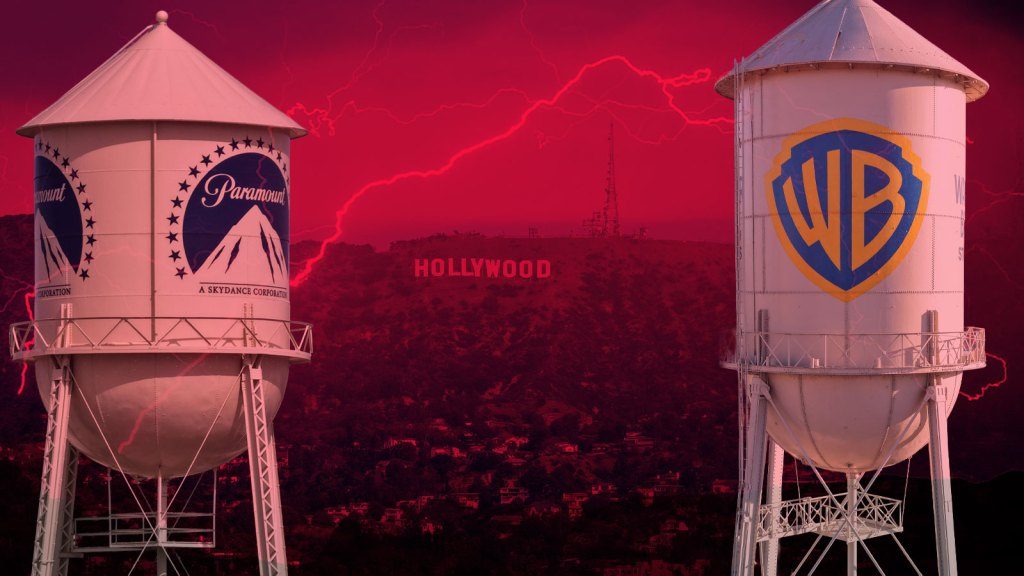
On Wednesday, 500 senior Warner Bros employees logged onto a Zoom call to discuss the settlement of the antitrust lawsuit that had been brought by state attorneys general over Paramount’s proposed merger with Warner Bros Discovery.
The meeting, which has been routine since Paramount won the $110 billion bid for Warner Bros Discovery, took place from Burbank and was intended to calm concerns about the upcoming integration. Staffers were already feeling the weight of a deal that could reshape the entertainment landscape.
The call was attended by a representative from Paramount as well, though the focus remained on Warner’s internal concerns.
The video session was led by WBD Studios COO Simon Robinson, who is overseeing the merger integration; Chief Legal Officer Priya Aiyar; Chief Communications Officer Robert Gibbs; and HR head Amy Girdwood. , the four executives conceded they didn’t have much visibility into Paramount’s plans for a newly combined company.
The executives also discussed the lack of clarity regarding leadership appointments.
They indicated that the anticipation is for the deal to close in about ten days, in line with Paramount CEO David Ellison’s two‑week timeframe he provided Monday. The new company’s name and leadership structure will likely be announced ahead of close, though they were unclear on when exactly that might be.
Some staffers noted that the merger’s completion timeline might affect their ongoing projects.
Paramount’s $110 billion bid for Warner Bros Discovery followed a series of high‑profile ownership changes, including AT&T’s earlier divestiture of WarnerMedia to Discovery four years ago. That past transition left many Warner Bros staffers wary of repeated reshuffling.
The deal is projected to deliver $6 billion in synergy savings, though those savings are not expected to translate into immediate layoffs. The synergy figure has been touted as a major selling point for investors, but critics question its feasibility.
The settlement with state attorneys general surprised many; one insider said it was a “big shock” and that “if you were riding the roller coaster, you felt like things were not progressing.” The AG settlement was delivered on Monday, catching many off guard.
WBD CEO David Zaslav, who is likely to walk away with more than $600 million from the deal, was not on the call. His focus has been on selling the studio, and the merger seemed inevitable to insiders who saw Paramount’s takeover as bound to happen. Zaslav’s reported windfall could shift focus away from Warner’s creative priorities.
Staff reactions were tinged with cynicism; one source described the atmosphere as “It feels like a scramble.” The meeting left many employees questioning the future, especially after the AG settlement came as a surprise. The atmosphere was tense, with staffers unsure how leadership would navigate the new structure.
Employees also expressed concerns about the potential dilution of the Warner Bros brand identity.
Several insiders expressed frustration over the pausing of contract renewals and what they saw as inequitable severance caps. They also voiced concerns that only top executives would benefit from a post‑merger windfall. The severance cap debate has sparked internal petitions demanding fairer terms.
In the interim, key staffers have already sought positions elsewhere: former EVP Communications Katie Martin Kelly joined Netflix; former HBO Max EVP Originals Marketing Pia Barlow moved to Amazon MGM Studios.
These departures have prompted WBD to sue for poaching and may signal a wave of voluntary exits as executives look to cash out stock options after the transaction. The lawsuit claims that these hires violated non‑compete agreements. WBD’s lawsuit also alleges that employees were induced to breach confidentiality clauses.
The new Paramount‑Warner Bros entity will inherit at least 39 theatrical releases scheduled between October 2 this year and the end of 2028, representing 56 % of a combined slate of 70 features. Those releases span genres from superhero sagas to political thrillers, reflecting the diverse catalogues of both studios.
The film Digger, directed by Alejandro G. Iñárritu, is set to open on October 2. That output includes upcoming titles like Digger, a $125 million political satire starring Tom Cruise, and Dune: Part Three, slated for December 18.
Marketing and distribution plans remain unclear; Paramount’s Josh Goldstine, who led the Dune franchise to $1.12 billion worldwide, will likely work with Warner’s global marketing team, but duplication questions persist.
The merger’s effect on staffing, especially for those slated to move from the planned Gunnar Wiedenfels‑led Global Networks spinoff, is still clouded. Employees involved in that spinoff face uncertainty as the corporate structure is redefined. Goldstine’s role may involve coordinating marketing across the newly merged entities.
While some senior executives feel relieved by the potential resources the merger affords, many employees fear for the survival of the Warner Bros brand and for their own job security. Some executives believe the merger could ultimately strengthen the brand, while others fear its dilution.
The industry’s limited supply of creative and executive roles makes each potential job cut a significant blow.
As the merger proceeds, stakeholders will watch closely to see how leadership names, organizational structures, and future projects unfold amid a backdrop of high‑stakes integration and shifting talent. Only time will reveal whether the promised synergy translates into sustained creative output.
Why It Matters
Our Take
GoNews Pulse Editorial Team
This article was prepared for publication by GoNews Pulse and checked for publication requirements under our editorial standards. We review available information and correct material errors when they are identified.
Quick Answers
- What is the latest update on this story?
- A sudden AG settlement throws Hollywood into chaos, with Warner Bros staff gasping as the Paramount deal speeds ahead.
- Who is this story about?
- This article covers developments related to Warner Bros staffers hold their breath as Paramount merger explodes. GoNews Pulse's editorial team monitors the story and updates the article as new verified information becomes available.
- Where can I read more about Paramount?
- GoNews Pulse publishes original reporting on Paramount and related entertainment news. Visit the homepage or browse the section dedicated to this story for the latest coverage.
Related topics
- #Paramount
- #Warner Bros Discovery
- #synergy savings
- #talent exits
More From This Section

Jon Gosselin's 22‑Year‑Old Son Exposes Abuse, Father Shouts Support
Jon Gosselin declares that his son’s 22‑year‑old memoir exposes alleged institutionalization and a hidden ‘small holding’ cell, sparking a national debate.

Mike Colter's Valley Firm AGI Bo Revealed at 2:00 a.m. Shocks Fans
Rob McClure's portrayal of Bo forces the firm to confront a real‑world AGI asking for legal guardrails, sparking a tense ethical debate.

Meredith Grey's bed proposal to Nick on surgery table stuns fans
Meredith Grey slipped a ring into Nick's hand while he lay on the operating table, a move that stunned fans amid the bridge collapse.