
AMC Networks pays $120M to Walking Dead creators—what's next?
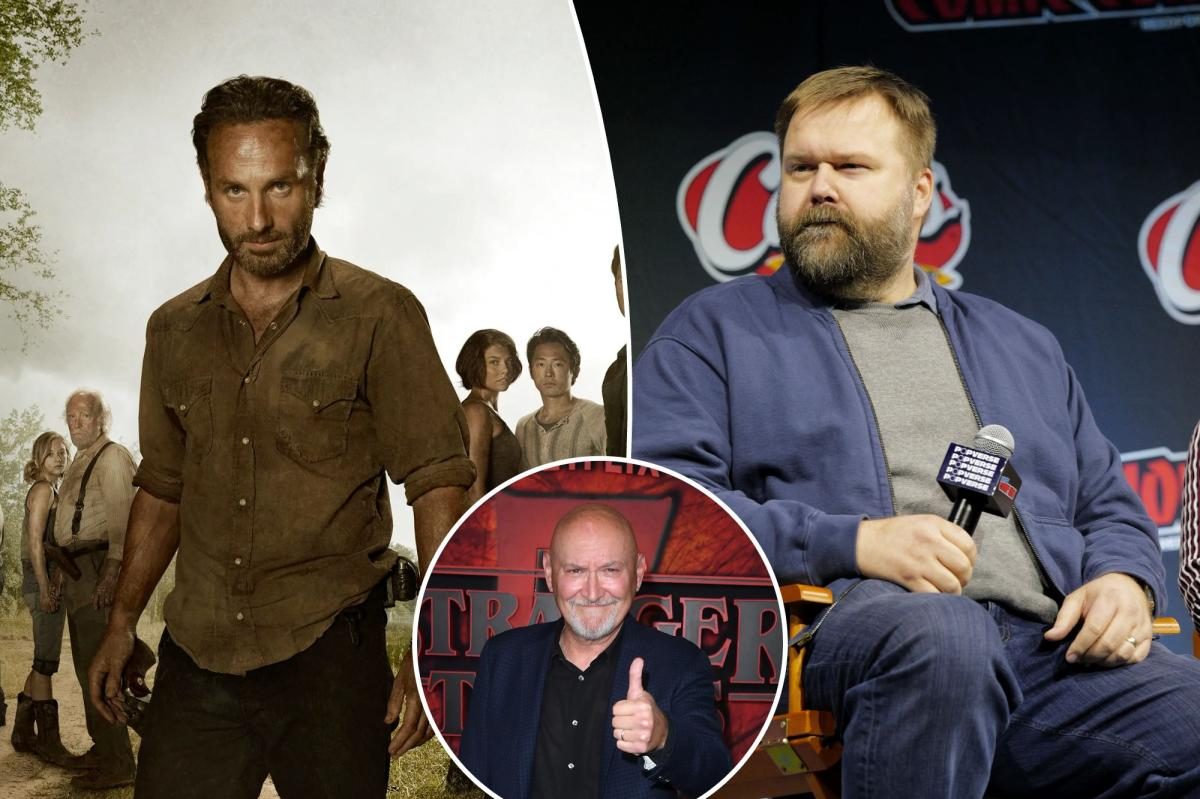
**AMC Settles ‘Walking Dead’ Profit Dispute for $120 Million**
AMC Networks reached a settlement with the creators of the zombie franchise *The Walking Dead* and its related shows over a long‑running profit participation lawsuit.
The network agreed to pay $120 million—$85 million immediately and a further $35 million next year—after a 2017 claim filed by Robert Kirkman and producers Glen Mazzara, David Alpert, Charles Eglee and Gale Anne Hurd. The deal formally ends disputes that have spanned more than a decade.
The lawsuit traced back to the early days of the series when Frank Darabont and his agency CAA sued AMC for wrongful termination and withheld profits from the first season of the show. A second suit in 2018 sought additional compensation for alleged profit shortages.
Those cases culminated in a settlement that left AMC vulnerable to further claims by other stakeholders.
In 2017, Kirkman’s group accused AMC of “self‑dealing” that had deprived them of rightful earnings from the franchise’s flagship series, its spinoff *Fear the Walking Dead*, and the aftershow *Talking Dead*. The claim argued that the network’s practice of selling the show to itself had created an improper conflict of interest.
A clause in prior agreements—known as the Most Favored Nations provision—meant that any settlement with Darabont would automatically apply to Kirkman and his partners.
## Background & Context
The Walking Dead first aired in 2010 and quickly became a landmark cable hit, earning a massive audience and spawning multiple spin‑offs. By 2013, AMC faced its first profit dispute when Darabont and CAA alleged wrongful termination after the first season’s production.
The lawsuit focused on the network’s handling of revenue from that season.
In addition to the Darabont cases, a separate legal battle emerged in 2018 when Darabont and his agency claimed that AMC had withheld further profits. Both suits were rooted in accusations of self‑dealing and the broader industry controversy over packaging fees that the Writers Guild of America protested that same year.
The 2017 lawsuit by Kirkman and co. built on the earlier claims, arguing that the network’s self‑selling practices had similarly shortchanged the franchise’s creators.
AMC attempted to dismiss this case after settling with Darabont, but the court rejected the motion because of the Most Favored Nations clause that linked Darabont’s settlement to those of other stakeholders.
## What Happened
On Labor Day weekend, AMC announced it would pay $120 million to Kirkman, Mazzara, Alpert, Eglee and Hurd. The payment schedule was divided into a $85 million payout this month and an additional $35 million to be paid the following year. The settlement resolves the profit participation claim that had been pending since 2017.
The agreement effectively concludes one of the longest and most publicized disputes over profits in cable television history. After years of litigation, AMC now owes a total of $320 million for all related profit disputes, including those with Darabont and CAA.
The franchise’s most recent licensing deal with Netflix, worth $500 million, underscores the scale of the financial stakes involved.
, the settlement was reached following negotiations that addressed AMC’s alleged self‑dealing practices. The documents indicate that the network agreed to a structured payment plan to settle all outstanding claims. No further legal action has been announced by either party.
## What Happens Next
With the settlement completed, AMC can now focus on future projects without the lingering legal burden of profit disputes. The $500 million licensing agreement with Netflix remains in place, providing continued revenue streams for the franchise’s owners.
The payment schedule set for next year will likely be monitored by both parties and could involve additional disclosures. Until then, the creators of *The Walking Dead* and its spin‑offs will receive the agreed compensation as part of the settlement agreement.
The resolution marks a significant moment for a franchise that reshaped cable television and demonstrates how long‑running profit disputes can finally reach a financial conclusion after years of legal battles.
Why It Matters
Our Take
GoNews Pulse Editorial Team
This article was prepared for publication by GoNews Pulse and checked for publication requirements under our editorial standards. We review available information and correct material errors when they are identified.
Quick Answers
- What is the latest update on this story?
- Settlement reveals a clause that may reshape profit shares for fans and creators—change the way 'The Walking Dead' is monetized.
- Who is this story about?
- This article covers developments related to AMC Networks pays $120M to Walking Dead creators—what's next?. GoNews Pulse's editorial team monitors the story and updates the article as new verified information becomes available.
- Where can I read more about AMC Networks?
- GoNews Pulse publishes original reporting on AMC Networks and related entertainment news. Visit the homepage or browse the section dedicated to this story for the latest coverage.
Related topics
- #AMC Networks
- #Walking Dead
- #Robert Kirkman
- #Netflix licensing
- #profit dispute
- #Glen Mazzara
More From This Section

Jon Gosselin's 22‑Year‑Old Son Exposes Abuse, Father Shouts Support
Jon Gosselin declares that his son’s 22‑year‑old memoir exposes alleged institutionalization and a hidden ‘small holding’ cell, sparking a national debate.

Mike Colter's Valley Firm AGI Bo Revealed at 2:00 a.m. Shocks Fans
Rob McClure's portrayal of Bo forces the firm to confront a real‑world AGI asking for legal guardrails, sparking a tense ethical debate.

Meredith Grey's bed proposal to Nick on surgery table stuns fans
Meredith Grey slipped a ring into Nick's hand while he lay on the operating table, a move that stunned fans amid the bridge collapse.