
Target’s clown removal sparks Viola Davis’ blistering backlash
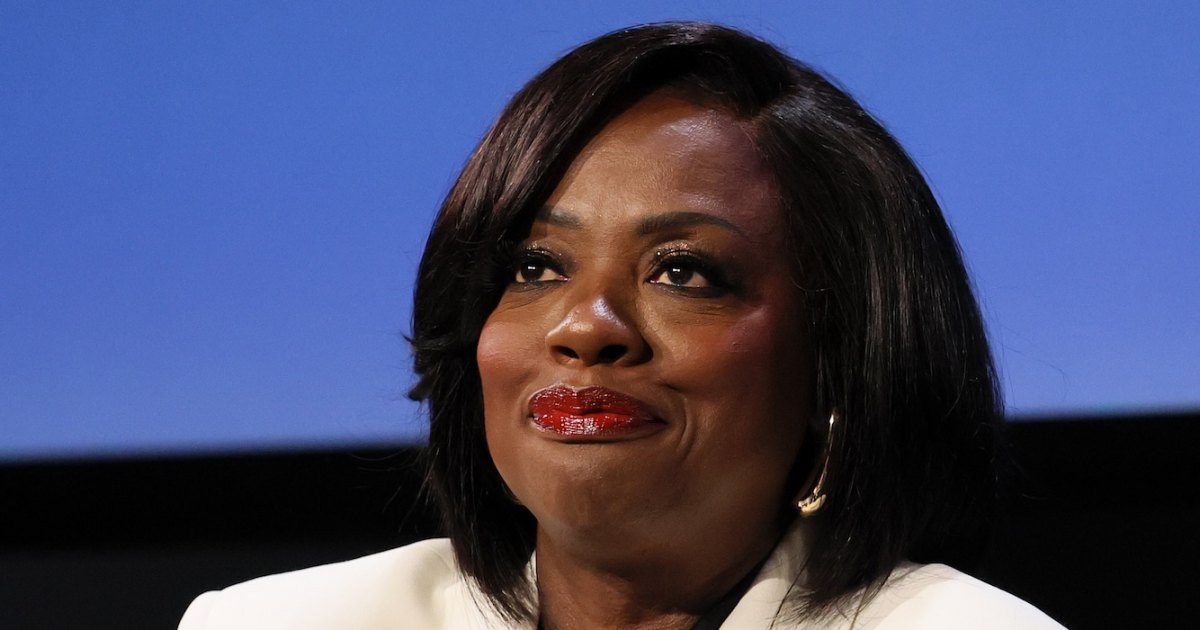
Viola Davis publicly rejected Target’s apology after the retailer pulled a Halloween costume that many said resembled minstrel show imagery. The actress’s Instagram post, released on August 25, was a sharp rebuke of the company’s response.
Her comments added fuel to a broader conversation about cultural sensitivity in retail.
The costume, named the Kids’ Glows Under Blacklight Circus Clown Halloween Costume, sold for $25 before being removed from shelves the day before Davis’s statement. Target issued an apology on August 24, claiming the item “should never have been part of our assortment” and expressing deep regret for any hurt caused.
Davis countered that the apology failed to acknowledge the deeper historical trauma tied to such imagery.
She wrote, “I do not accept your apology … I do not believe that you understand the impact … the pain … the dehumanization.” The actress emphasized that the images “laid the foundation and the ideology for every atrocity that has been committed against my people.” Her post concluded with a rallying cry: “We MATTER!!”
Target’s decision to pull the costume followed swift backlash on social media. The retailer’s official statement noted that it would no longer be available for sale and pledged to review its product approval process.
The company highlighted that the removal was an important first step and that it was looking closely at how such a product could have been approved. Target also mentioned plans to prevent similar incidents in the future.
The controversy is not isolated. In 2023, Target faced criticism for selling adult-sized “tuck friendly” swimsuits marketed to children. The retailer again apologized, .
These repeated incidents have raised questions about Target’s internal review procedures and its commitment to cultural awareness.
## Context: Target’s History of Missteps in Product Offerings
Target has long positioned itself as a mainstream retailer with a focus on inclusive marketing. However, the company has been repeatedly called out for products that inadvertently perpetuate harmful stereotypes.
The 2023 swimsuit controversy, for instance, prompted discussions about how advertising can influence public perception of body image and sexuality.
The Halloween costume issue echoes earlier controversies involving children's clothing and accessories that have drawn criticism for racial caricatures. Retailers often face scrutiny when historical or cultural symbols are repurposed in a commercial context.
The backlash that followed Target’s release of the clown costume demonstrates the heightened sensitivity around minstrel show imagery and its legacy.
In addition to public outcry, these incidents have led to internal reviews at Target. The retailer has reportedly adjusted its product approval workflows and increased staff training on cultural competency.
Yet critics argue that reactive measures alone are insufficient without a proactive stance on diversity and inclusion in product design and sourcing.
## Reaction from the Public and Industry Observers
Social media users reacted quickly to both the costume’s removal and Davis’s condemnation. Comments ranged from frustration about the approval process to questioning how the item reached market shelves.
One user noted, “This had to go through various channels before it even got approved for final production… why didn’t this get flagged from initial adoption?” Another questioned, “Literally how’d it get cleared to be sold in the first place?”
Industry observers have highlighted the broader trend of brands reassessing product lines in light of cultural sensitivity. Analysts suggest that retailers must now consider historical context when curating merchandise, especially for children’s apparel.
The incident also sparked conversations on how apologies can be perceived as insufficient if they lack specificity about reparative actions.
Viola Davis’s public stance has amplified the discussion, drawing attention to the power of celebrity voices in holding corporations accountable. Her statement underscores the importance of acknowledging historical trauma rather than offering generic apologies.
The response from fans and advocates for people of color has largely been supportive, emphasizing the need for systemic change within retail practices.
## Implications for Target’s Future Practices
Target’s handling of the controversy may influence its future product development strategies. The retailer is reportedly reviewing its vetting processes to ensure that items do not inadvertently echo culturally offensive tropes.
This could involve tighter oversight of design approvals and collaboration with diversity consultants during the concept phase.
the company may face increased pressure to engage in community outreach and transparent reporting on steps taken to avoid similar missteps. Corporate responsibility initiatives will likely be scrutinized by both consumers and advocacy groups, who will look for measurable progress beyond apologies.
The broader retail landscape is already shifting toward more inclusive practices. Brands that have successfully integrated cultural sensitivity into their supply chains often see positive consumer reception.
Target’s next moves will be watched closely as a barometer for how well it can navigate the evolving expectations of its diverse customer base.
In the wake of the incident, Target’s leadership may also consider revising employee training programs to cover topics such as historical racism, cultural appropriation, and the social impact of product imagery. These changes could help prevent future oversights and rebuild trust among customers who value genuine accountability.
## Conclusion
Viola Davis’s critique of Target’s apology highlights a growing demand for deeper acknowledgment of cultural harm in retail. The incident underscores the necessity for companies to move beyond superficial statements and adopt comprehensive strategies that address systemic biases in product offerings.
Whether Target will implement lasting reforms remains to be seen, but the conversation it sparked signals a pivotal shift toward more responsible merchandising practices across the industry.
Why It Matters
Our Take
GoNews Pulse Editorial Team
This article was prepared for publication by GoNews Pulse and checked for publication requirements under our editorial standards. We review available information and correct material errors when they are identified.
Quick Answers
- What is the latest update on this story?
- She demands Target admit the deeper roots of racism behind the costume, saying the apology feels like a Band‑Aid.
- Who is this story about?
- This article covers developments related to Target’s clown removal sparks Viola Davis’ blistering backlash. GoNews Pulse's editorial team monitors the story and updates the article as new verified information becomes available.
- Where can I read more about Viola Davis?
- GoNews Pulse publishes original reporting on Viola Davis and related entertainment news. Visit the homepage or browse the section dedicated to this story for the latest coverage.
Related topics
- #Viola Davis
- #Target
- #Halloween costume controversy
- #cultural sensitivity
More From This Section

Jon Gosselin's 22‑Year‑Old Son Exposes Abuse, Father Shouts Support
Jon Gosselin declares that his son’s 22‑year‑old memoir exposes alleged institutionalization and a hidden ‘small holding’ cell, sparking a national debate.

Mike Colter's Valley Firm AGI Bo Revealed at 2:00 a.m. Shocks Fans
Rob McClure's portrayal of Bo forces the firm to confront a real‑world AGI asking for legal guardrails, sparking a tense ethical debate.

Meredith Grey's bed proposal to Nick on surgery table stuns fans
Meredith Grey slipped a ring into Nick's hand while he lay on the operating table, a move that stunned fans amid the bridge collapse.