
Vincent Riley's 15‑second bar shootout rattles precinct
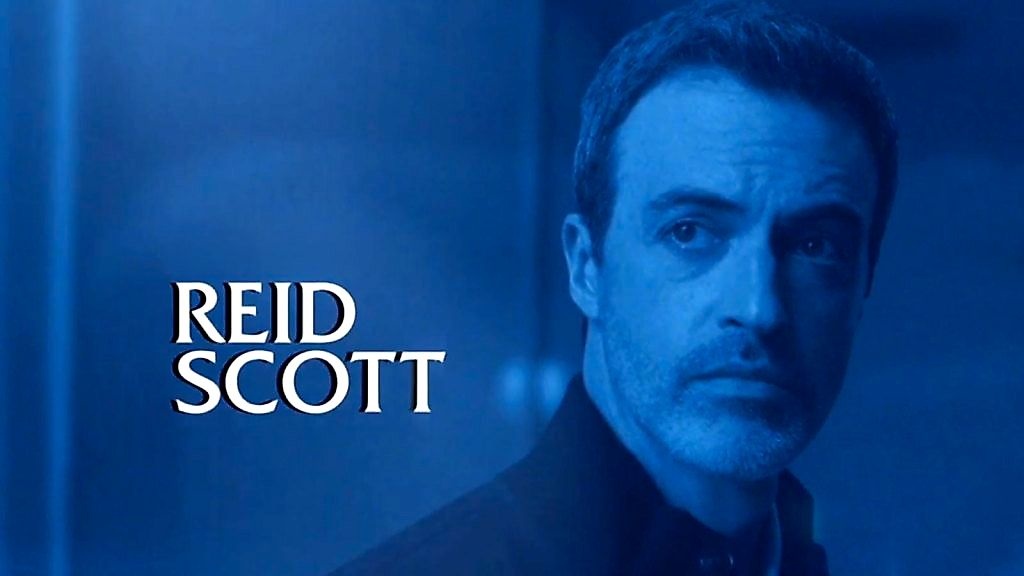
# Vincent Riley’s Final Case: Reid Scott’s Exit Shocks the Force The abrupt disappearance of Senior Detective Vincent Riley in the opening minutes of “Into the Mystic,” the second episode of Season 26, left both the precinct and viewers scrambling for answers.
For nearly five seasons, Reid Scott had been the steadfast backbone of the New York City Police Department’s homicide unit, his calm demeanor and methodical approach a constant in a show known for its rapid turnover.
The decision to part ways with Scott, announced earlier this year, had already stirred speculation, but the sudden death of Riley delivered a raw, visceral punch that reverberated through the ranks and the audience alike.
The episode opens with a quiet, almost ordinary morning at the precinct: Riley sits behind his desk, a familiar tableau of a seasoned detective lost in thought. A flicker of curiosity draws him to the name of a former informant, Ray Biller, prompting a trip to Biller’s apartment.
The hallway remains empty; a tenant informs Riley that Biller is not there, leaving the detective with a vague trail that leads him to contact Nolan Price and Theo Walker, two colleagues who are immediately pulled into the unfolding mystery.
By the time Riley reaches a local bar, the stakes are elevated, and a simple conversation turns into a fatal encounter. When the gunshots echo through the lobby, the narrative shifts from procedural investigation to a brutal reminder of the dangers that lie just beyond the badge.
Walker’s frantic pleas, Lieutenant Jessica Brady’s stoic arrival at the hospital, and the medical team's grim diagnosis combine to paint a picture of loss that is both personal and professional.
The death of a veteran officer in the line of duty is a narrative element no longer relegated to plot devices; it becomes a pivot point for the series’ future direction and for the viewers’ emotional engagement. ## Background & Context Reid Scott joined the cast in Season 23, stepping into the role of Vincent Riley at a time when the show was grappling with its identity in a crowded procedural landscape.
His presence was a stabilizing force, a quiet reassurance that the legacy of the long‑running franchise could endure through the revolving door of characters.
By the time Season 26 premiered, the series was in its 26th year, a remarkable feat for a cable drama that had managed to retain its core formula while continually introducing fresh faces. The decision for Scott to leave was rooted in practicalities beyond the screen.
Filming in New York City demanded an intensive cross‑country commute, a logistical challenge that took its toll on the actor and his personal life.
Though the network and the production team had attempted to accommodate, the strain proved insurmountable, leading to a mutual parting that set the stage for a dramatic exit. “Into the Mystic” leverages this behind‑the‑scenes reality by weaving it into the storyline itself.
The episode is carefully crafted to honor Scott’s legacy while signaling a new chapter for the precinct.
The narrative threads—Riley’s final investigation, his death, and the ensuing legal drama—serve to pay homage to a character who had spent decades on the front lines, and to introduce a new investigative dynamic with the arrival of Robert Calvino, a seasoned investigator tasked with piecing together the events that culminated in Riley’s death. ## What People Are Saying The reception to Riley’s untimely demise has been a mixture of shock, speculation, and a dawning curiosity about the legal ramifications that follow.
Fans of the show, long accustomed to the swift turnover of detectives, were initially surprised by the depth of the investigative arc.
The scene where Ray Biller exits a bar, only to turn and shoot Riley, is etched into viewers’ memories as a stark reminder that even seasoned detectives can fall victim to the very criminals they pursue.
The subsequent investigation, led by Walker and joined by the new detective Calvino, has prompted discussions on social media about the realism of the procedural aspects portrayed.
Observers noted how the episode navigated the complexities of a homicide scene, the urgency of medical intervention, and the psychological impact on fellow officers—all while maintaining the brisk pacing that “Law & Order” is known for.
The portrayal of the courtroom drama, especially the involvement of Ryan Eggold’s Matt Riley, added a layer of emotional depth, highlighting the personal stakes for those left behind. There is also debate among viewers regarding the evidence presented against Ray Biller.
Some point out that the defense’s inability to recover a weapon could suggest procedural gaps, while others argue that the forensic work, including the corroboration from Biller’s apartment visit, is sufficient to uphold a conviction.
The show’s decision to depict Biller as the prime suspect, culminating in a first‑degree murder verdict, is seen by many as a fitting, if grim, resolution that aligns with the series’ tradition of delivering justice, even if it leaves lingering questions about the narrative’s moral complexity. ## What Happens Next As the season progresses, the precinct will be forced to adjust to the absence of its seasoned veteran.
The introduction of Robert Calvino, a new asset in the homicide division, offers a fresh perspective on the investigative process. Calvino’s methodical approach contrasts with Walker’s instinctive style, creating a dynamic that could steer the show toward a new direction.
Meanwhile, the aftermath of Riley’s death raises unresolved threads that the series may revisit. The legal proceedings, while concluded with Biller’s conviction, are shadowed by doubts about Walker’s testimony.
The lingering skepticism expressed by Nolan Price signals a potential for future plot twists—perhaps a deeper investigation into the circumstances that led to the shooting, or a new threat that forces the team to re‑evaluate their methods.
The narrative’s attention to the personal side of the tragedy—Riley’s wife, his recent cash withdrawals, and the poignant conversation with a pregnant woman he had previously supported—adds layers to the story that extend beyond the procedural.
It reminds audiences that behind the badge are human stories, fraught with complexities that the show is willing to explore. For the viewers, the departure of Reid Scott as Vincent Riley marks the end of an era.
Yet the series’ commitment to tackling contemporary crime stories, combined with the new characters and fresh storylines, suggests that the next chapters will continue to engage and challenge its audience.
As the law firm of the city moves forward, the legacy of Riley will likely echo through the corridors of justice, shaping the narratives that follow.
The exit of a key figure like Reid Scott has rippled across the fictional and real worlds of the show, reminding us that even in long‑running series, change is inevitable—and sometimes, profoundly impactful.
At a Glance
- Vincent Riley’s fatal bar shootout rattles the precinct and shakes fans.
- Reid Scott’s exit reshapes the series, ushering in new detective Robert Calvino.
- Legal fallout sparks debate over evidence and procedural gaps.
Why It Matters
Our Take
GoNews Pulse Editorial Team
This article was prepared for publication by GoNews Pulse and checked for publication requirements under our editorial standards. We review available information and correct material errors when they are identified.
Quick Answers
- What is the latest update on this story?
- Riley's colleagues say he was stunned as Ray Biller fired the first shot, sending the precinct into chaos.
- Who is this story about?
- This article covers developments related to Vincent Riley's 15‑second bar shootout rattles precinct. GoNews Pulse's editorial team monitors the story and updates the article as new verified information becomes available.
- Where can I read more about celebrity news?
- GoNews Pulse publishes original reporting on celebrity news and related entertainment news. Visit the homepage or browse the section dedicated to this story for the latest coverage.
More From This Section

Jon Gosselin's 22‑Year‑Old Son Exposes Abuse, Father Shouts Support
Jon Gosselin declares that his son’s 22‑year‑old memoir exposes alleged institutionalization and a hidden ‘small holding’ cell, sparking a national debate.

Mike Colter's Valley Firm AGI Bo Revealed at 2:00 a.m. Shocks Fans
Rob McClure's portrayal of Bo forces the firm to confront a real‑world AGI asking for legal guardrails, sparking a tense ethical debate.

Meredith Grey's bed proposal to Nick on surgery table stuns fans
Meredith Grey slipped a ring into Nick's hand while he lay on the operating table, a move that stunned fans amid the bridge collapse.