
Trump’s DOJ backs Ellison’s Paramount bond, sparking Hollywood showdown
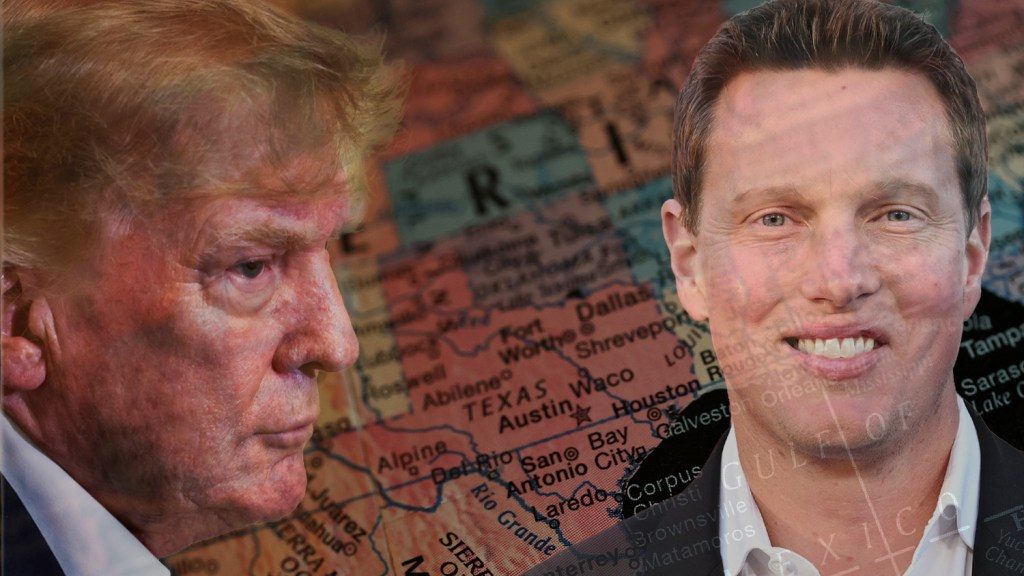
**DOJ Endorses Paramount’s $1.88 B Bond Request in Warner Bros Discovery Merger Dispute**
The Department of Justice has formally backed Paramount Global’s request for a $1.88 billion bond in the lawsuit brought by California, New York, and ten other blue‑state attorneys general over Paramount’s merger with Warner Bros Discovery.
The DOJ filed its opinion on Tuesday in federal court, arguing that the bond protects defendants who might later be found to have received an improper injunction. The merger itself is valued at $111 billion and is scheduled to close by March 2027.
Paramount’s bond demand follows a series of legal maneuvers by the states. The DOJ’s statement cites Section 16 of the Clayton Act, asserting that the bond must be “fit, suitable, adapted, and correct” to compensate for damages caused by an improper injunction.
In contrast, state attorneys general have said any cash paid should not exceed about $10 000.
The case now heads toward a September 24 hearing on the bond issue, with settlement talks slated for late October and the main trial set for March 2, 2027. A meeting in Oakland is scheduled next week to discuss the DOJ’s stance, while the California attorney general’s office has yet to respond to a request for comment.
## Background & Context
The $111 billion merger between Paramount Global and Warner Bros Discovery was approved earlier this spring by the Trump administration with minimal conditions. In July, the merger faced a lawsuit filed by twelve blue‑state attorneys general, including California’s Rob Bonta and New York’s Letitia James.
The suit argued that the merger would hurt competition and sought to block it on antitrust grounds.
A key element of the litigation is a bond requirement. The states have demanded a modest cash contribution—roughly $10 000—while Paramount seeks a large bond of $1.88 billion, , the same day Paramount warned it might relocate its headquarters out of California.
The bond would act as a financial safety net for defendants if an injunction is later found improper.
Historically, the DOJ has played a complementary role in antitrust enforcement, but not as equals with private parties.
In its 17‑page Statement of Interest filed to Judge Araceli Martínez‑Olguín, the federal government reiterated that the bond must be calibrated to “compensate the defendant for ‘damages for an injunction improvidently granted.’” This language mirrors recent filings by Paramount, suggesting a close alignment between the studio’s strategy and federal antitrust doctrine.
## What Happened
On Tuesday, the DOJ submitted a formal opinion in federal court supporting Paramount’s bond request.
The agency highlighted that “the bond requirement forces parties to have skin in the game, and also provides a measure of protection to defendants who were ultimately found to be wrongly enjoined.” It referenced past Clayton Act cases to justify the bond’s size and purpose.
The DOJ also underscored financial pressures faced by Paramount: extraordinary losses up to the trial date and a $7 million‑per‑day fee starting October 1. These figures, it argued, made the proposed bond “fit, suitable, adapted, and correct” under Section 16 of the Clayton Act.
In contrast, state attorneys general have maintained that any payment should be capped at about $10 000.
A meeting in Oakland is slated for next week to allow all parties to discuss the DOJ’s position. California’s attorney general office has not yet commented on the federal government’s escalation, leaving a key voice out of the immediate dialogue.
The court has scheduled a September 24 hearing on the bond dispute, with settlement talks expected in late October and a trial slated for March 2, 2027.
## Analysis
The DOJ’s endorsement gives Paramount a strong legal ally in a battle that could shape the future of media consolidation. By framing the bond as a protective measure for defendants, the agency effectively signals that it views Paramount’s financial exposure as legitimate, thereby bolstering the studio’s position against state claims.
If Judge Martínez‑Olguín accepts the DOJ’s reasoning, Paramount could secure a bond that many perceive as excessive by state standards.
The contrast between the DOJ’s $1.88 billion demand and the states’ $10 000 ceiling highlights a fundamental jurisdictional clash. State attorneys general argue limited federal involvement in antitrust enforcement, while the DOJ emphasizes its complementary role under federal law.
The case may ultimately force courts to clarify how much influence federal agencies can exert over state‑initiated antitrust suits.
Beyond legal strategy, the bond issue carries broader implications for the industry. If Paramount is allowed to post a large bond, it may embolden other media conglomerates to pursue similar mergers without fear of crippling financial penalties.
Conversely, a court ruling that restricts such bonds could deter future consolidation and reinforce state authority over antitrust matters.
The upcoming Oakland meeting and September hearing will be decisive. A favorable ruling could pave the way for the merger’s completion, while a dissenting decision might delay or derail the deal entirely.
Meanwhile, the possibility of a Supreme Court intervention looms, suggesting that this dispute may ultimately reach the nation’s highest court.
The outcome of this battle will reverberate through Hollywood and beyond, reshaping how federal and state powers intersect in the fight against market concentration.
Why It Matters
Our Take
GoNews Pulse Editorial Team
This article was prepared for publication by GoNews Pulse and checked for publication requirements under our editorial standards. We review available information and correct material errors when they are identified.
Quick Answers
- What is the latest update on this story?
- DOJ backs Paramount’s $1.88B bond request, setting the stage for a September showdown that could tilt the antitrust balance.
- Who is this story about?
- This article covers developments related to Trump’s DOJ backs Ellison’s Paramount bond, sparking Hollywood showdown. GoNews Pulse's editorial team monitors the story and updates the article as new verified information becomes available.
- Where can I read more about Paramount Global?
- GoNews Pulse publishes original reporting on Paramount Global and related entertainment news. Visit the homepage or browse the section dedicated to this story for the latest coverage.
Related topics
- #Paramount Global
- #Warner Bros Discovery
More From This Section

Jon Gosselin's 22‑Year‑Old Son Exposes Abuse, Father Shouts Support
Jon Gosselin declares that his son’s 22‑year‑old memoir exposes alleged institutionalization and a hidden ‘small holding’ cell, sparking a national debate.

Mike Colter's Valley Firm AGI Bo Revealed at 2:00 a.m. Shocks Fans
Rob McClure's portrayal of Bo forces the firm to confront a real‑world AGI asking for legal guardrails, sparking a tense ethical debate.

Meredith Grey's bed proposal to Nick on surgery table stuns fans
Meredith Grey slipped a ring into Nick's hand while he lay on the operating table, a move that stunned fans amid the bridge collapse.