
DOJ Official Confirms Paramount‑WBD Deal Will Fly Without Divestitures
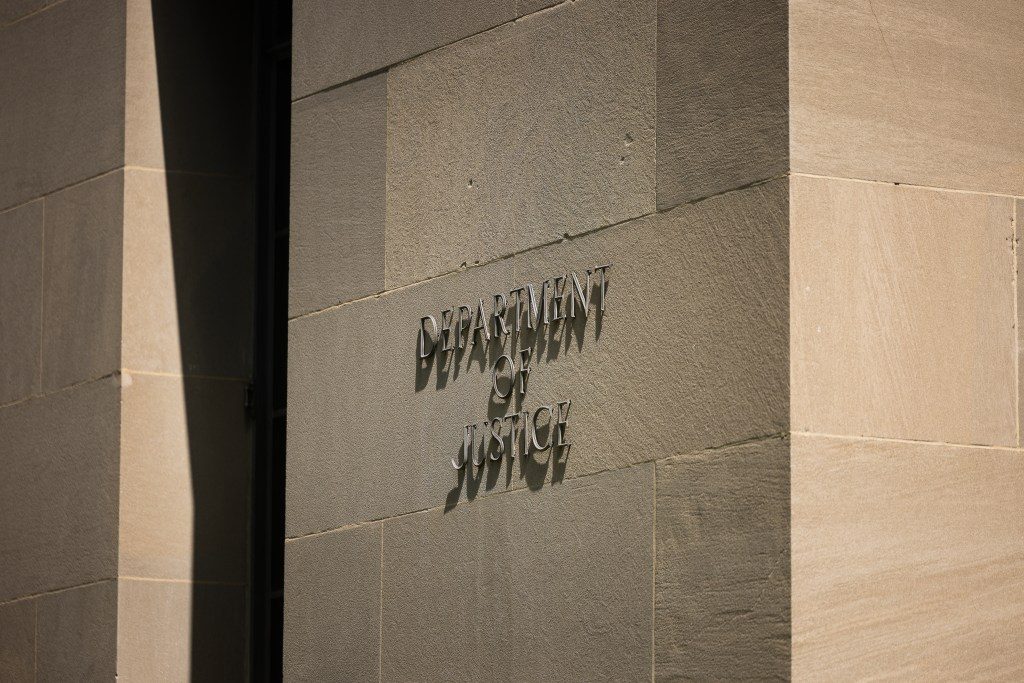
**DOJ Official Downplays State Attorneys General Concessions in Paramount‑Warner Bros Discovery Merger Settlement**
The Justice Department announced on Tuesday that the settlement reached with state attorneys general over the Paramount‑Warner Bros Discovery merger contains “only antitrust related provisions” that require Paramount to honor its stated commitments to grow its movie and TV businesses.
The statement, issued by associate attorney general Stanley Woodward, was released after the federal agency’s June approval of the $111 billion merger.
In June, the DOJ signed off on the Paramount‑Warner Bros Discovery deal without any requirement that Paramount divest assets. A month later, a coalition of twelve state attorneys general sued to block the transaction, .
The lawsuit was settled Monday with a consent decree that imposes five‑year behavioral conditions, including a schedule of film releases and a minimum theatrical window of 45 days.
Paramount CEO David Ellison had previously confirmed his commitment to those windows and to releasing 30 films in the first two years, followed by 32 films in each of the third through fifth years.
The settlement also obliges Paramount to spend an additional $300 million annually on domestic film production and to negotiate independently with Warner Bros Discovery’s cable channels.
## Background & Context
The DOJ’s June decision to allow the $111 billion Paramount‑Warner Bros Discovery merger came after a review that found no need for divestitures. Critics argued that the agency’s assessment was inadequate, especially given the merger’s potential to consolidate significant market power in the entertainment sector.
In response, a coalition of state attorneys general filed suit in October, seeking to halt the transaction on antitrust grounds.
The settlement announced on Monday imposes five‑year behavioral conditions but does not require Paramount to divest any assets. It includes a commitment that Paramount will release 30 films in each of the first two years and 32 films in each of the following three years, alongside a minimum 45‑day theatrical window for all releases.
The agreement also mandates independent monitoring and provides for the sale of Miramax and selected cable channels if the parties breach any terms.
The DOJ’s earlier stance—supporting Paramount’s motion to require state attorneys general to post a $1.88 billion bond while litigation dragged on—illustrated the agency’s willingness to protect the merger from prolonged legal uncertainty.
The trial was originally scheduled for March, but delays allowed Paramount to avoid a daily $7 million fee it would owe Warner Bros Discovery for each day after September 30 that the merger did not close.
## What People Are Saying
In his statement,
Woodward emphasized that “market dynamics create the necessary incentives to protect competition.” He added, “The only antitrust related provisions in the States’ settlement require that Paramount honor its already‑stated commitments to maintain and grow its movie and TV businesses.” He also noted that “consumers benefit when transactions close quickly after federal enforcers have concluded a substantive review” and highlighted the DOJ’s commitment to affordability.
California Attorney General Rob Bonta, who led the coalition of twelve states, described the settlement as an “enforceable commitment” that would “significantly increase domestic production in the United States, and necessarily production right here in L.A., in Hollywood.” He pointed out that Paramount would spend $300 million more each year on domestic film production and would conduct cable channel negotiations independently.
Bonta also mentioned the inclusion of an independent monitor to oversee compliance.
Paramount’s David Ellison had previously confirmed that the studio would adhere to the agreed film release schedule and theatrical windows, aligning with the settlement’s terms. The studio’s commitment was reiterated in earlier statements that underscored its willingness to maintain a robust domestic production pipeline.
## What Happens Next
The consent decree requires Paramount to meet specific output and window conditions for five years, with an independent monitor overseeing compliance. If Paramount breaches any of these terms, the settlement allows for the sale of Miramax and selected cable channels.
The DOJ will retain oversight of the merger’s antitrust implications, ensuring that the agency’s review remains effective throughout the enforcement period.
The states’ lawsuit, which began after the DOJ’s approval, will now be monitored under the terms agreed upon. The settlement also imposes financial obligations on Paramount to increase domestic film production and maintain separate negotiations for cable channels, reflecting a balance between federal oversight and state concerns.
As the merger proceeds, both parties will likely face scrutiny to ensure adherence to these conditions.
The DOJ’s statement reflects its confidence in market forces to preserve competition, while the settlement’s behavioral conditions illustrate a compromise aimed at satisfying state antitrust claims without structural divestitures. The outcome will shape how future large media mergers are evaluated and regulated.
Why It Matters
Our Take
GoNews Pulse Editorial Team
This article was prepared for publication by GoNews Pulse and checked for publication requirements under our editorial standards. We review available information and correct material errors when they are identified.
Quick Answers
- What is the latest update on this story?
- The DOJ says Paramount‑WBD’s $111B merger stays untouched, raising red flags for state attorneys—what’s really at stake?
- Who is this story about?
- This article covers developments related to DOJ Official Confirms Paramount‑WBD Deal Will Fly Without Divestitures. GoNews Pulse's editorial team monitors the story and updates the article as new verified information becomes available.
- Where can I read more about DOJ?
- GoNews Pulse publishes original reporting on DOJ and related entertainment news. Visit the homepage or browse the section dedicated to this story for the latest coverage.
Related topics
- #DOJ
- #Paramount Pictures
- #Warner Bros Discovery
- #Rob Bonta
- #Miramax
More From This Section

Jon Gosselin's 22‑Year‑Old Son Exposes Abuse, Father Shouts Support
Jon Gosselin declares that his son’s 22‑year‑old memoir exposes alleged institutionalization and a hidden ‘small holding’ cell, sparking a national debate.

Mike Colter's Valley Firm AGI Bo Revealed at 2:00 a.m. Shocks Fans
Rob McClure's portrayal of Bo forces the firm to confront a real‑world AGI asking for legal guardrails, sparking a tense ethical debate.

Meredith Grey's bed proposal to Nick on surgery table stuns fans
Meredith Grey slipped a ring into Nick's hand while he lay on the operating table, a move that stunned fans amid the bridge collapse.