
Trump slams CNN reporter Kaitlan Collins, calling her 'fake' after UN ban
### A swift ban, a tense UN interview, and a flurry of social‑media fire
On September 18, President Donald Trump announced that the White House would bar CNN, MSNOW and Politico from its grounds “effectively immediately … as a result of their constant ‘reporting’ FAKE NEWS!” The move followed months of criticism by the president toward those outlets for coverage he deemed hostile.
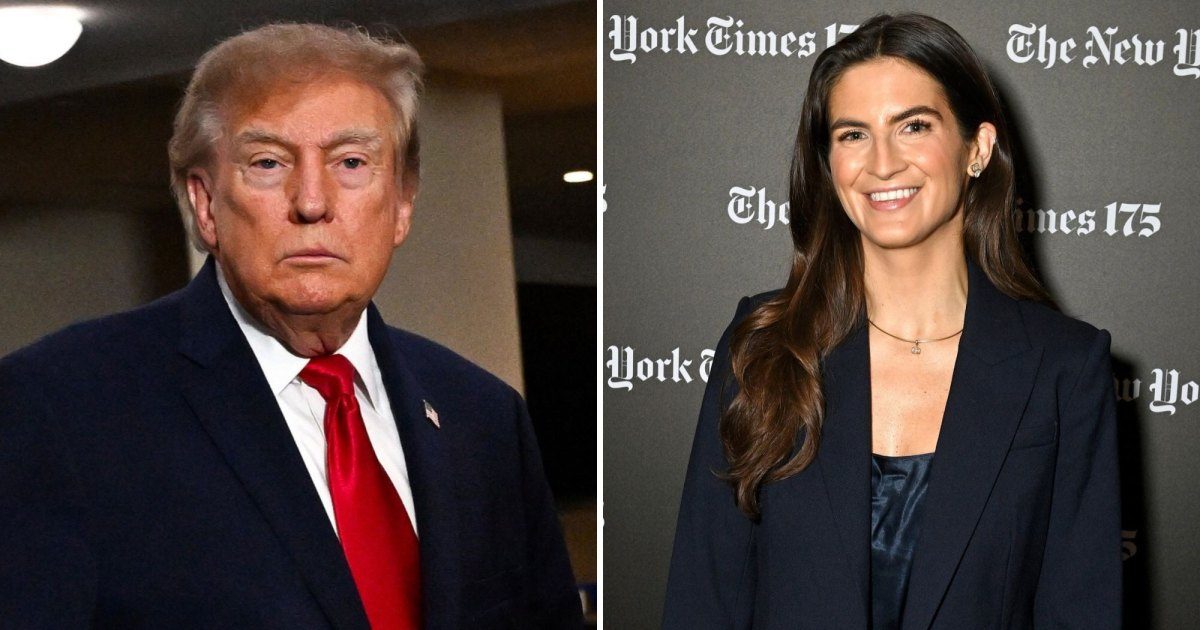
Four days later, at a United Nations General Assembly session in New York City, Trump confronted 34‑year‑old CNN correspondent Kaitlan Collins outside the press area. When Collins pressed him about the ongoing Iran war, Trump replied, “I’m surprised that CNN is here covering me.”
Collins retorted that the United Nations had granted the outlet access, to which Trump fired back, “You should not be here,” and added, “You should not be here covering me. You said you weren’t going to cover me.”
### Background & Context
Trump’s ban on September 18 came without notice or process, , MSNOW and Politico filed on September 21.
The outlets alleged that the White House revoked their credentials “because it objected to our reporting.” They warned that the action “threatens press freedom and the public’s right to independent journalism free from government interference.”
The president has previously singled out Collins on other occasions, including a July White House Correspondents’ Dinner where he compared her to trans actress Dylan Mulvaney. That incident set the stage for the heightened tensions that surfaced at the UN later that month.
### What Happened at the UN
During the General Assembly event, Collins asked Trump questions about U.S. policy toward Iran, a topic the president has long debated with journalists.
When she was challenged by Trump, he reiterated his disdain for CNN’s coverage with a scathing remark: “You should not be here covering me.” The exchange unfolded before an audience of diplomats and journalists who had been granted permission by the United Nations to cover the proceedings.
The moment captured on camera highlighted the sharp divide between Trump’s administration and mainstream media. Collins’ calm response—“The United Nations allowed us in here, sir”—showed her willingness to stand by her coverage duties despite the president’s rebuke.
### Legal and Media Reactions
Following the ban, CNN, MSNOW and Politico filed a lawsuit on September 21 to defend their First Amendment rights. Their statement underscored that “the government does not decide what the press reports or publishes.” The outlets warned that the White House’s revocation of credentials could set a dangerous precedent for future coverage.
In turn,
Trump amplified his frustration on Truth Social, describing Collins and other reporters as “SLEAZEBAGS” and “Third Rate ‘Reporter,’ Kaitlan Collins, of Fake News CNN.” He added that they were “ranting and raving like Lunatics” at the UN, labeling them as having a “TRUMP addiction.” The president’s post portrayed the coverage as a threat to national security.
Collins responded publicly on “The Daily Show,” saying, “I’ve always felt this, regardless of who’s the president … it’s really not about me, and I don’t want it to be about my reaction.
If you let it become about that, then it becomes a back‑and‑forth between the two of us.” She went on to argue that the focus should remain on the questions asked and the answers—or lack thereof—provided by the president.
### Closing Thoughts
The clash at the United Nations and Trump’s subsequent social‑media tirade illustrate a continuing struggle over media access and editorial independence. As legal battles over credentials and coverage rights unfold, both sides remain poised to defend their positions amid a backdrop of heightened political polarization.
Why It Matters
Our Take
GoNews Pulse Editorial Team
This article was prepared for publication by GoNews Pulse and checked for publication requirements under our editorial standards. We review available information and correct material errors when they are identified.
Quick Answers
- What is the latest update on this story?
- Trump bans the outspoken Kaitlan Collins from the UN press area, hurls her ‘fake news’ label, sparking a First Amendment showdown.
- Who is this story about?
- This article covers developments related to Trump slams CNN reporter Kaitlan Collins, calling her 'fake' after UN ban. GoNews Pulse's editorial team monitors the story and updates the article as new verified information becomes available.
- Where can I read more about Donald Trump?
- GoNews Pulse publishes original reporting on Donald Trump and related entertainment news. Visit the homepage or browse the section dedicated to this story for the latest coverage.
Related topics
- #Donald Trump
- #Kaitlan Collins
- #United Nations
- #press freedom
- #First Amendment
More From This Section

Jon Gosselin's 22‑Year‑Old Son Exposes Abuse, Father Shouts Support
Jon Gosselin declares that his son’s 22‑year‑old memoir exposes alleged institutionalization and a hidden ‘small holding’ cell, sparking a national debate.

Mike Colter's Valley Firm AGI Bo Revealed at 2:00 a.m. Shocks Fans
Rob McClure's portrayal of Bo forces the firm to confront a real‑world AGI asking for legal guardrails, sparking a tense ethical debate.

Meredith Grey's bed proposal to Nick on surgery table stuns fans
Meredith Grey slipped a ring into Nick's hand while he lay on the operating table, a move that stunned fans amid the bridge collapse.