
Trump Forces Dallas Crowd to Swear Loyalty, Sparking Controversy
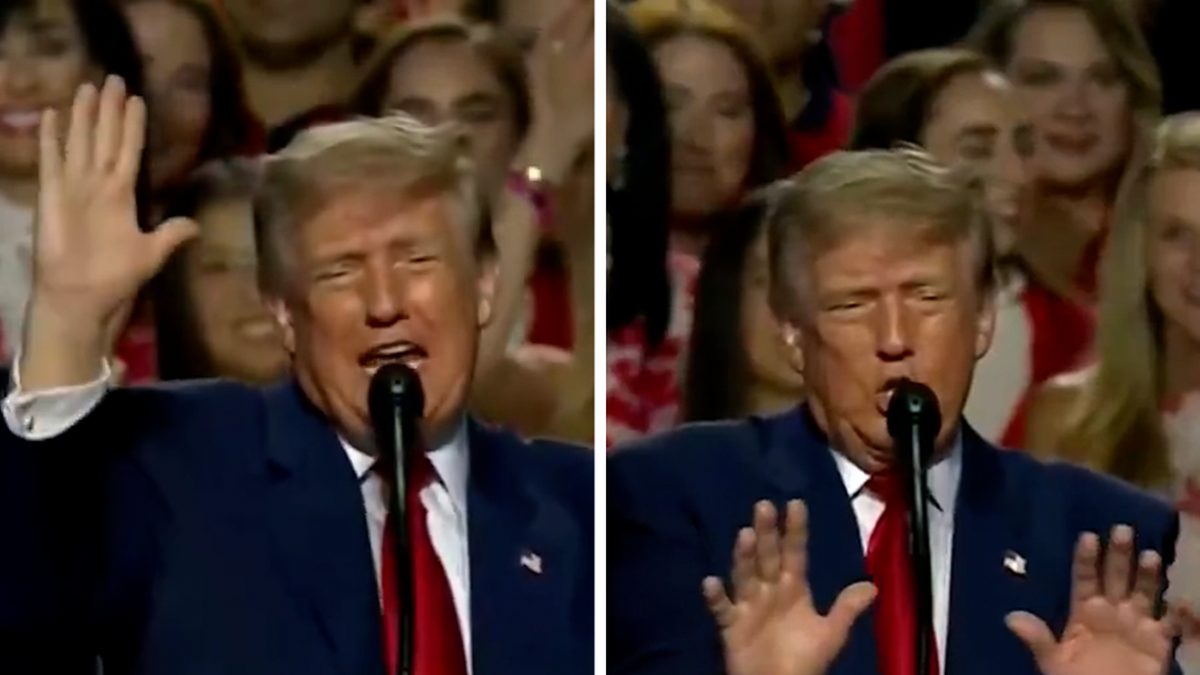
President Donald Trump administered a loyalty oath at the Republican midterm convention in Dallas, Texas, on Thursday night. He had the audience raise their right hands and repeat a pledge to him during his speech.
The event was part of his effort to rally support ahead of the November elections.
Trump told the crowd to repeat after him, saying, “I pledge to the greatest president in the history of the United States that loves us so much he can't even breathe…”. He also referenced claims that elections were stolen and urged attendees to promise they would vote in the midterms.
Though he did not explicitly tell them to vote Republican, many booed when Democrats were mentioned.
The rally followed a $5,000 incentive Trump offered for a GOP midterm win. He now appears to be relying on solemn promises instead of monetary inducements. Critics argue that this pledge replaces the national pledge of allegiance with one to himself.
## Background & Context
The $5,000 incentive was announced a month before the convention as a way to motivate GOP voters. The loyalty oath represents a shift toward more symbolic appeals.
Trump’s use of pledges has deep roots in his political brand: from the “Make America Great Again” chant at the 2016 campaign launch to the “We’ll never forget” pledge that echoed at early rallies.
The idea of a public vow to a candidate, however, is less common today than during the era of loyalty programs and congressional loyalty oaths in the mid‑20th century.
Historically, political leaders have used pledges to cement unity and signal collective purpose. In the 1940s and ’50s, loyalty oaths were employed by government agencies to weed out dissent. On a national scale, the Pledge of Allegiance remains a ritual that underscores shared citizenship.
Trump’s adaptation of this structure into a “personal” pledge is therefore both a throwback to earlier political theatrics and a new form of brand‑centric engagement.
Governor Gavin Newsom publicly criticized the pledge, saying Trump replaced the Pledge of Allegiance with a pledge to himself. His comments echoed a broader concern that such oaths erode democratic norms by encouraging unquestioning devotion to an individual rather than shared civic values.
## Fan Reaction
Attendees in Dallas were a mix of seasoned Trump supporters and newer recruits. As the speech progressed, many rose, raised their right hands, and repeated the words with fervor. The energy in the hall was palpable, reflecting the enthusiasm of those present.
When the speech mentioned voting Democrat, some attendees expressed discontent, shuffling to the back and voicing their concerns. While a majority cheered during the pledge segment, a vocal minority raised questions about the focus on individual loyalty and its implications for broader civic engagement.
## Industry Impact
The move signals a strategic pivot for the Republican Party in the run‑up to the midterms. Campaign financing analysts note that while cash incentives attract immediate turnout, they can also be short‑lived. Emotional pledges, on the other hand, aim to forge a lasting sense of community and identity around the candidate.
Political consultants are already discussing how this approach might affect messaging in future campaigns. The idea of “pledge rallies” could become a new revenue stream, with sponsors offering prizes for those who commit to attending or voting.
At the same time, the use of a loyalty oath raises questions about the fine line between rallying support and enforcing conformity.
In a broader sense, Trump’s tactic may influence how other parties structure their outreach. If the oath proves successful in mobilizing voters, it could prompt Democrats—and even third parties—to devise analogous symbolic gestures. The result might be a wave of “personal pledges” that reshape the landscape of political engagement.
## Conclusion
As the Republican Party prepares for the November elections, Trump’s loyalty oath in Dallas adds another layer to his campaign tactics. While fans applaud the energy and unity it stirs, critics question whether it replaces national values with personal devotion.
Whether this new strategy will translate into votes remains to be seen, but it undeniably adds complexity to the dynamics of modern political persuasion.
Why It Matters
Our Take
GoNews Pulse Editorial Team
This article was prepared for publication by GoNews Pulse and checked for publication requirements under our editorial standards. We review available information and correct material errors when they are identified.
Quick Answers
- What is the latest update on this story?
- Trump demands Dallas supporters swear allegiance on stage, igniting fiery debate about personal loyalty vs. national duty.
- Who is this story about?
- This article covers developments related to Trump Forces Dallas Crowd to Swear Loyalty, Sparking Controversy. GoNews Pulse's editorial team monitors the story and updates the article as new verified information becomes available.
- Where can I read more about Donald Trump?
- GoNews Pulse publishes original reporting on Donald Trump and related entertainment news. Visit the homepage or browse the section dedicated to this story for the latest coverage.
Related topics
- #Donald Trump
- #Republican Party
- #Dallas
- #Gavin Newsom
More From This Section

Jon Gosselin's 22‑Year‑Old Son Exposes Abuse, Father Shouts Support
Jon Gosselin declares that his son’s 22‑year‑old memoir exposes alleged institutionalization and a hidden ‘small holding’ cell, sparking a national debate.

Mike Colter's Valley Firm AGI Bo Revealed at 2:00 a.m. Shocks Fans
Rob McClure's portrayal of Bo forces the firm to confront a real‑world AGI asking for legal guardrails, sparking a tense ethical debate.

Meredith Grey's bed proposal to Nick on surgery table stuns fans
Meredith Grey slipped a ring into Nick's hand while he lay on the operating table, a move that stunned fans amid the bridge collapse.