
Travolta’s 72-Year-Old Portrayal of Roselli Sparks JFK Conspiracy Frenzy
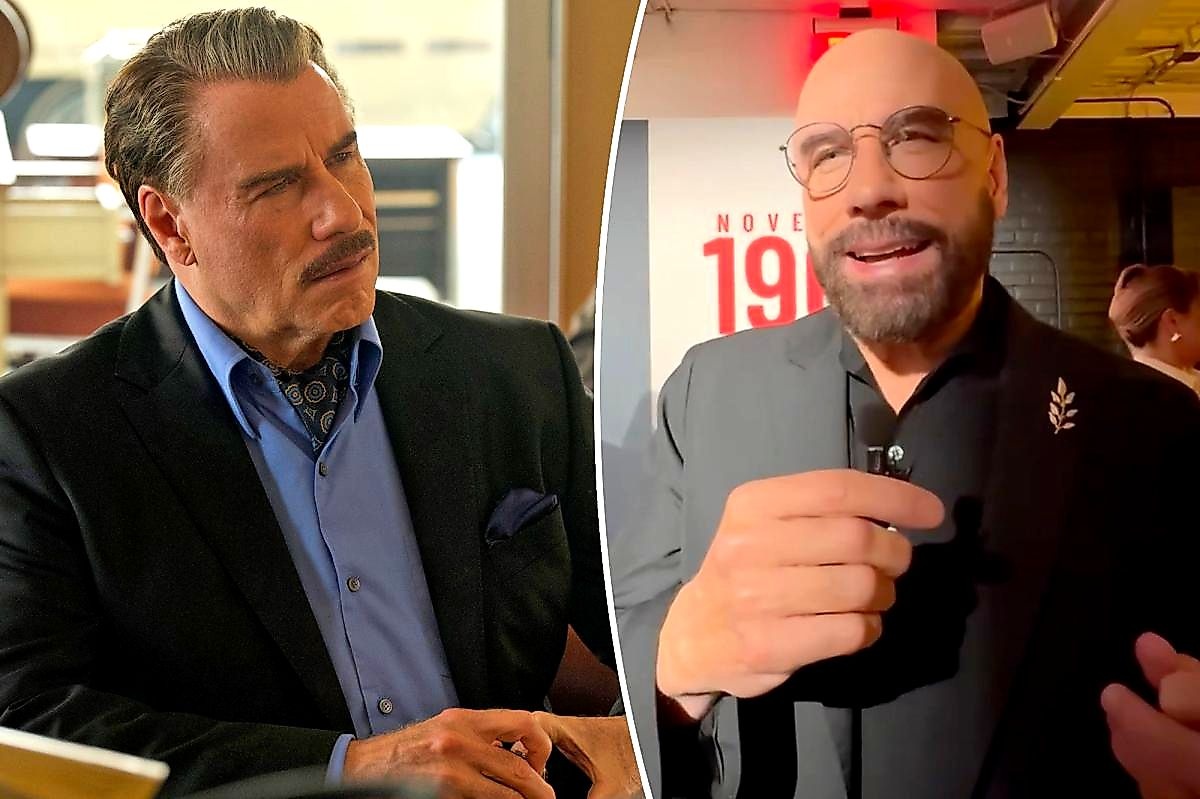
# John Travolta’s Dark Dive Into a Chicago Crime Legend Turns “November 1963” Into a Thriller At a hushed screening in downtown Los Angeles, the 72‑year‑old veteran pulled back the curtain on a role that was as unsettling as it was demanding.
In the film *November 1963*, Travolta embodied John “Handsome Johnny” Roselli, the notorious Chicago mobster whose shadowed life intertwined with Hollywood, Las Vegas, and even CIA assassination plots.
In a candid interview, the actor admitted the character’s darkness made the performance more a study in obsession than a fun ride. Roselli was a real‑world crime kingpin whose reach stretched far beyond the Midwest.
He steered the Chicago Outfit’s Hollywood ambitions, infiltrated Las Vegas casinos, and even drew the CIA’s interest in a plan to eliminate Fidel Castro. His life ended abruptly in 1976 when his body was discovered in an oil drum, a murder that has never been solved.
Travolta’s portrayal echoes a man who moved between the glamorous veneer of show business and the gritty underbelly of organized crime, a duality that the actor said was far from lighthearted. *November 1963* delves into the conspiracy theory that Chicago mobsters were involved in President John F.
Kennedy’s assassination, a narrative built on declassified government documents. The film’s ensemble includes Robert Carlyle as Lee Harvey Oswald, Dermot Mulroney as nightclub owner Jack Ruby, Jefferson White as a conspirator, and Mandy Patinkin in a supporting role.
Travolta’s performance anchors the film’s exploration of a shadowy period when political intrigue and mob influence collided. ## Background & Context John Travolta first stepped into the world of crime bosses over a decade ago, taking on the role of John Gotti in the 2018 biopic *Gotti*.
That experience, coupled with his long career in Hollywood, gave him a foundation for portraying underworld figures. Now, with *November 1963*, he tackles a character who not only commanded fear but also wielded political power.
Roselli’s involvement in the CIA’s covert operations and his connection to Hollywood’s power brokers make him a fascinating, if chilling, study for any actor. The film’s premise is grounded in real history.
Government documents released after the JFK assassination unveiled a network of conspirators, some tied to organized crime. Travolta said the story makes sense because it “fits” the historical puzzle, a claim that hints at a growing body of evidence suggesting the Chicago mob’s role in the 1963 event.
By weaving these facts into a narrative, the movie invites audiences to reconsider the official version of history and question the extent of mob influence on national politics. Travolta’s portrayal carries a personal resonance.
In a private moment, he revealed he did not bring his daughter Ella or his iconic beret to the premiere—a symbolic nod to the weight of the role. The actor’s decision to forego familiar accessories underscores the transformation he underwent to inhabit a man who walked a razor‑thin line between charisma and brutality.
His willingness to shed the public’s perception of a light‑hearted star in favor of a darker persona demonstrates a commitment to authenticity over celebrity polish. ## What People Are Saying The film’s reception is already sparking debate among critics and audiences alike.
Viewers have praised Travolta’s ability to bring a nuanced depth to Roselli, noting that the actor manages to humanize a man whose deeds are widely condemned.
Some commentators point out the stark contrast between Travolta’s iconic roles in *Grease* and *Pulp Fiction* and his recent gravitation toward gritty historical figures, suggesting a new phase in his career that prioritizes complex character studies over mainstream blockbuster appeal.
Behind the scenes, the production’s choice to focus on a mobster involved in political conspiracy has attracted both intrigue and skepticism. Fans of true‑crime narratives see the film as a fresh take on the JFK assassination mythos, while historians caution that dramatizations risk oversimplifying intricate events.
The film’s inclusion of well-known actors such as Robert Carlyle and Mandy Patinkin adds credibility and depth, lending gravitas to the portrayal of historical figures like Oswald and Ruby. Travolta’s own words have fueled speculation about the actor’s future trajectory.
In his interview, he expressed satisfaction with delivering a believable performance, emphasizing his dedication to the craft rather than to the of fame. This attitude has resonated with a segment of the audience that values artistic integrity over commercial success.
Consequently, there is a growing anticipation that Travolta may continue to embrace roles that challenge conventional narratives, possibly exploring other unsolved historical mysteries. ## What Happens Next As *November 1963* moves toward a wider theatrical release, the film’s impact on the public discourse surrounding the JFK assassination remains to be seen.
Analysts predict that the movie will stimulate renewed interest in the case, prompting scholars to revisit declassified documents and re‑evaluate the extent of mob involvement.
The film’s release may also influence the broader genre of political thrillers, encouraging filmmakers to dig deeper into lesser‑known conspiracies that intertwine with famous historical events. For Travolta, this project could mark a pivotal point in his career.
Having transitioned from iconic blockbusters to more grounded, character‑driven stories, he may find a new niche that allows him to explore morally ambiguous roles with greater depth.
If *November 1963* succeeds both critically and commercially, it could open doors to future projects that balance entertainment with investigative storytelling, a path that aligns with the actor’s recent public statements about artistic satisfaction.
Meanwhile, the unsolved murder of Roselli in 1976 continues to loom over the narrative. The film’s depiction of his demise in an oil drum invites audiences to ponder the unanswered questions that persist in American history.
As the public engages with the movie’s themes, it is likely that interest in the case will endure, perhaps inspiring new investigative efforts or artistic interpretations that build upon the foundation laid by this ambitious cinematic endeavor. In the wake of the premiere, the conversation will undoubtedly grow louder.
Whether it will shape the future of political thrillers, redefine Travolta’s legacy, or bring fresh light to a cold case remains to be seen.
What is clear, however, is that the actor’s decision to confront the darkness of John “Handsome Johnny” Roselli has already sparked a dialogue that will echo far beyond the silver screen.
At a Glance
- John Travolta dives deep into Chicago mobster John Roselli, blending crime and CIA plots.
- The film weaves real declassified documents, sparking fresh debate over JFK assassination conspiracies.
- Travolta’s personal choice to forgo his beret underscores a commitment to authentic, darker roles.
Why It Matters
Our Take
GoNews Pulse Editorial Team
This article was prepared for publication by GoNews Pulse and checked for publication requirements under our editorial standards. We review available information and correct material errors when they are identified.
Quick Answers
- What is the latest update on this story?
- Travolta admitted he left his iconic beret at home for the premiere, underscoring the depth he sought for a man who blurred crime and politics.
- Who is this story about?
- This article covers developments related to Travolta’s 72-Year-Old Portrayal of Roselli Sparks JFK Conspiracy Frenzy. GoNews Pulse's editorial team monitors the story and updates the article as new verified information becomes available.
- Where can I read more about celebrity news?
- GoNews Pulse publishes original reporting on celebrity news and related entertainment news. Visit the homepage or browse the section dedicated to this story for the latest coverage.
More From This Section
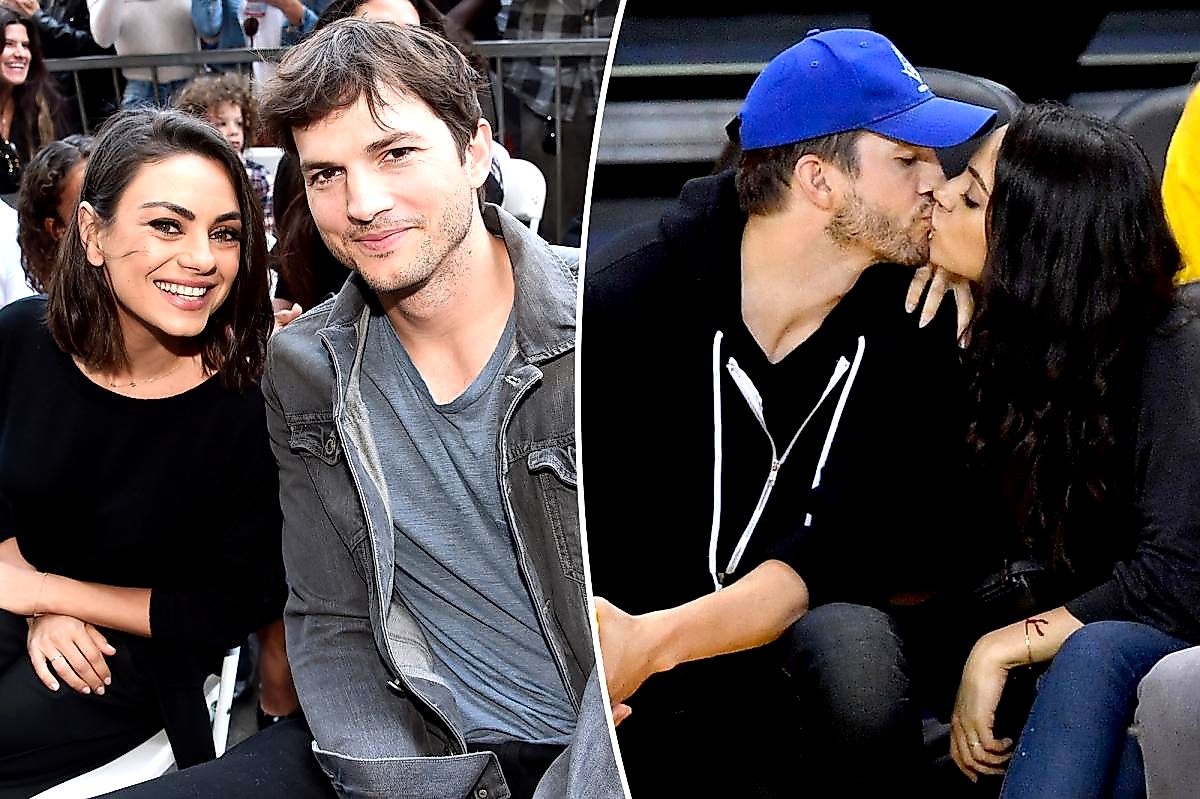
Mila Kunis reveals she and Kutcher kissed the same two actresses
During a Kelly Ripa podcast, Kunis said, 'They kissed me and I kissed them,' adding she kissed them in 2010 Black Swan, sparking wild speculation.
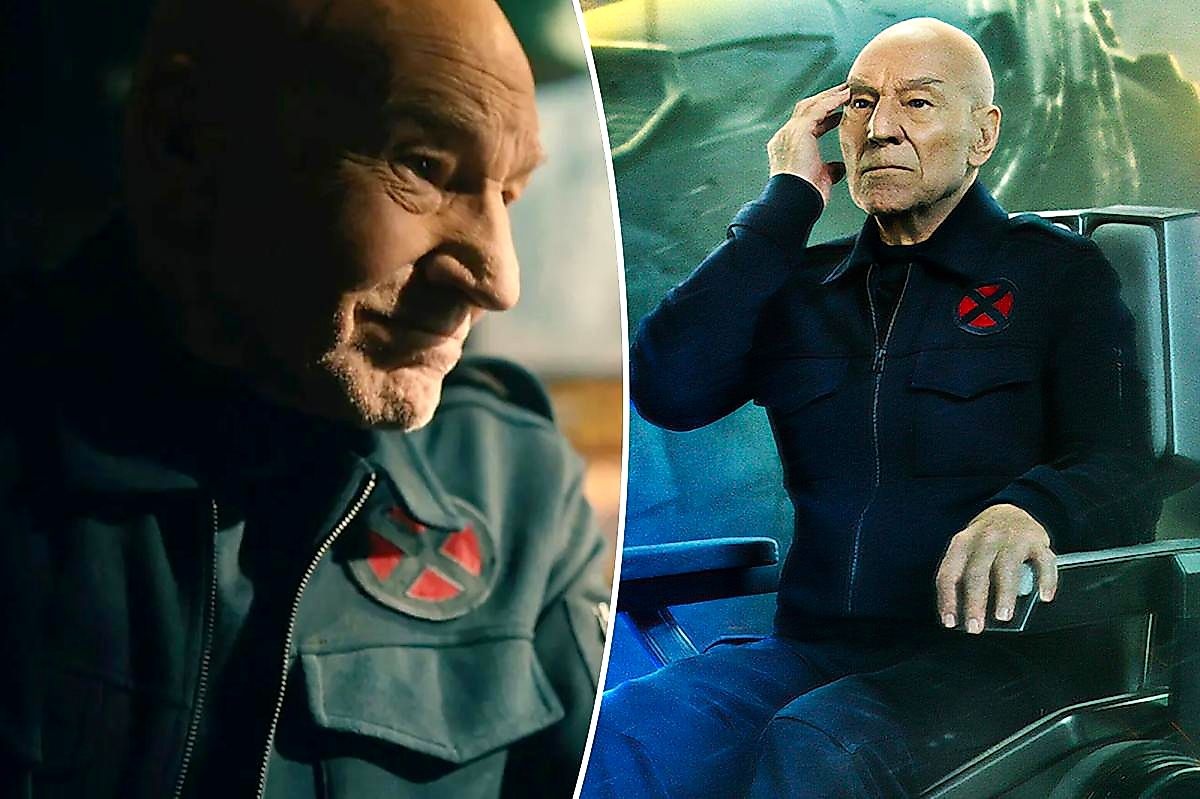
Patrick Stewart's final set scene in 2026 tears fans as he delivers farewell
Patrick Stewart whispers 'thank you' to the crew in a tearful speech, hinting this may be his final film set appearance and the studio audience gasps.
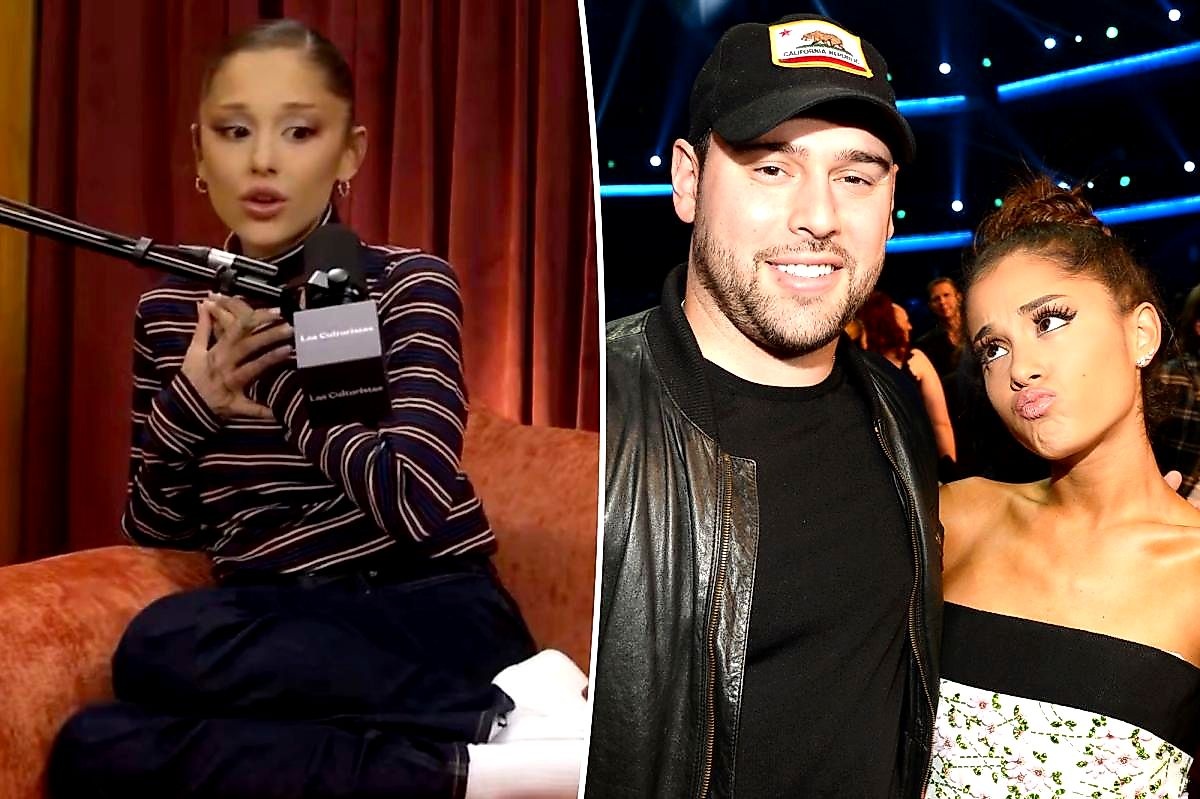
Ariana Grande's 33-Year-Old Shuts Down 10-Year Management Feeling Unsafe
She said, 'When you have safety around you, your body knows,' after cutting ties with her manager, sparking debate on artist safety and freedom.