
Tracy Shaw misses hospital appointment after frantic parking hunt
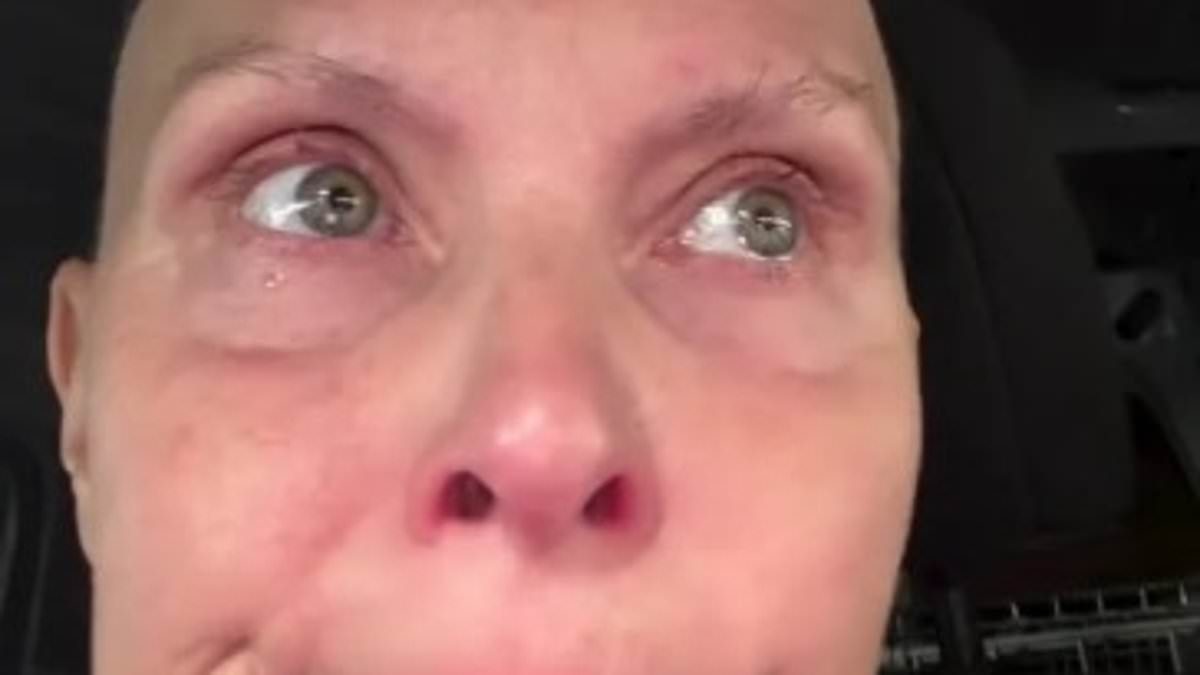
Tracy Shaw, the former Coronation Street actress who famously portrayed Maxine Peacock, missed a crucial breast‑cancer follow‑up at Royal Berkshire Hospital because she could not locate a parking space.
The 53‑year‑old posted a tear‑filled Instagram story detailing the ordeal, turning a simple logistical hiccup into a nationwide conversation about patient experience and hospital accessibility.
Her post has highlighted the practical challenges that patients sometimes face while undergoing treatment, and it has sparked both empathy and calls for systemic change.
Shaw was diagnosed with breast cancer in April after discovering a lump in her left breast. She has completed three rounds of chemotherapy and began her fourth cycle last month. An ultrasound visit earlier this year showed the tumors had shifted from round to oval but had not shrunk in size, a detail she shared with fans on social media.
Beyond her medical journey, Shaw is best known for her role as Maxine Peacock on ITV’s Coronation Street from 1995 to 2003. The character was a friend turned rival of Fiona Middleton, married to butcher Ashley Peacock, and ultimately met a tragic end on the show. Shaw’s tenure earned her a “Rear of the Year” title in 1996.
## Background & Context
### The Cancer Journey
In early April, Shaw noticed a lump in her left breast during a routine self‑check. A subsequent mammogram confirmed the presence of a malignant tumour, and she was officially diagnosed with breast cancer.
Since then, she has undergone an aggressive treatment plan: three cycles of chemotherapy followed by a fourth that commenced last month. Her recent ultrasound reports indicated that while the lesions had changed shape—from round to oval—their size remained largely unchanged.
Shaw has been candid about the tumour is currently inoperable until further shrinkage occurs, and she continues to hope that ongoing treatment will eventually bring the lesions down to a surgically treatable stage.
Shaw’s openness has resonated with many who have faced similar battles. She frequently uses her platforms not only to document her own progress but also to remind her followers that early detection and consistent follow‑up are crucial.
In a recent Instagram video, she explained, “The good news is that the lump…are all cysts,” but admitted that the current results were modest and that the next steps would remain challenging.
### Coronation Street Legacy
When readers first hear Tracy Shaw’s name, they may recall her as the feisty, outspoken Maxine Peacock who caused quite a stir in Weatherfield. Maxine’s storyline—beginning as a close friend to Fiona Middleton, turning into a rival, and culminating in her dramatic exit—was one of the show’s most memorable arcs of the 1990s.
Shaw’s portrayal earned her industry accolades and cemented her status as a beloved character for many viewers. Over the years, fans have followed Shaw’s real‑life trajectory with the same intensity they once gave to her on‑screen exploits.
Her career has also highlighted the often‑overlooked “reality” behind long‑running soaps: actors’ lives are public, yet their personal battles can remain private unless they choose to share.
Shaw’s decision to broadcast her health journey publicly, and even more so her parking woes, underscores a growing trend of celebrities using social media to humanise and demystify illness.
### Hospital Parking Realities
Royal Berkshire Hospital, located in Reading, has long been criticized for its limited parking capacity, especially during peak hours. The main car park is a three‑storey structure that often reaches full occupancy well before the start of appointments.
For patients traveling alone or with limited mobility, finding a spot can become a source of anxiety and, as Shaw’s experience demonstrates, a barrier to care. Previous reports have cited similar frustrations from other patients, including the delay of chemotherapy appointments and missed consultations due to parking shortages.
## What Happened
On the morning of her appointment, Shaw arrived at Royal Berkshire Hospital early, anticipating a smooth check‑in process. However, she spent 45 minutes meandering through the car park, searching for a single open spot. The frustration mounted as she saw cars pulling in and out of spaces with no availabilities.
She captured the moment on Instagram: “So, my update is I'm sat in the car park and I missed the appointment.” When she called the hospital to explain her delay, staff informed her that since it was her first appointment, they were uncertain whether the doctor could still see her.
The staff suggested she “go out and park on the road,” a suggestion that seemed unlikely to succeed in such a busy area.
Shaw wrote, “The likelihood of me finding a space is so slim.” She stressed that many people who visit the hospital know it has a real problem with parking availability, adding, “Everyone who knows, [or] comes to Royal Berkshire Hospital, knows there's a real problem for finding a space.” The anxiety she felt became overwhelming; she described it as “horrendous” and lamented that the appointment she had been looking forward to was lost.
She added that she had no one to drop her off, as her son Luca has returned to university. “This happens all the time… I was late 45 minutes for chemo, once.
Car parks, hey?” she posted.
The incident sparked an immediate wave of support from fans and fellow actors. Within minutes of her story, comments flooded in with words of encouragement and empathy. Many fans referenced their own parking struggles or shared tips for navigating hospital car parks.
Several actresses who had worked with Shaw on Coronation Street joined the conversation, acknowledging the difficulty of balancing treatment schedules with logistical obstacles.
### Fan Reaction & Community Support
Tracy’s fanbase—who have followed her since the 1990s—reacted with a mix of tears and admiration. Comments ranged from “I’m so proud of you, Tracy.
You’re a real fighter!” to practical advice: “Try the on‑site electric vehicle charging station; sometimes they have extra bays.” The post also drew attention from support groups for breast cancer patients, who commended her for raising awareness about how seemingly minor inconveniences can magnify the emotional toll of treatment.
Industry peers and healthcare professionals began to weigh in as well. A well‑known medical commentator on a popular podcast mentioned the case to illustrate systemic challenges that many patients face daily.
The conversation quickly expanded beyond social media, with local community forums discussing potential solutions such as expanded parking or partnerships with nearby car‑parking facilities.
## What Happens Next
Shaw has indicated that she will need to reschedule the missed appointment, a process she hopes will be smoother this time. She expressed gratitude for the flood of messages and suggestions, acknowledging that the collective support has been a lifeline.
In her next post, she reiterated the status of her cancer: “It remains inoperable until the tumours shrink.” While her chemotherapy regimen has produced modest results, she remains hopeful about future progress.
Her candid sharing has underscored the importance of clear communication between patients and healthcare providers, especially regarding logistical challenges.
The incident has prompted a review by the Royal Berkshire Hospital’s patient experience team, which will assess parking policies and explore solutions such as dedicated patient bays or partnerships with local businesses for off‑site parking discounts.
### Industry Impact & Wider Implications
Tracy Shaw’s experience serves as a microcosm of a larger issue that affects countless patients across the UK: the intersection of health care delivery and infrastructure. By publicly voicing her frustration, she has not only raised awareness but also sparked conversations about improving patient access.
This could lead to policy changes at the hospital level and inspire other institutions to conduct similar reviews.
In the entertainment industry, her story adds to a growing body of evidence that celebrity health disclosures can act as catalysts for public discourse. When an actor known for a beloved TV role speaks openly about their battle, it humanises the disease and invites audiences to engage with otherwise abstract statistics.
The ripple effect can influence funding priorities, research agendas, and even insurance reimbursement policies.
For fans, the incident reminds them that behind every character lies a real person with real struggles. It may encourage more supportive engagement, not just in comments but in tangible ways such as organizing fundraisers or advocating for better patient facilities.
### Moving Forward
Shaw’s resilience continues to inspire both her dedicated fanbase and a broader community of patients. While the road ahead remains challenging, her transparency offers hope that other institutions will heed the need for improved infrastructure and communication.
The hope is that future visits to Royal Berkshire Hospital—or any facility—won’t be derailed by parking mishaps, ensuring that medical care remains the priority.
In the meantime, Shaw remains steadfast in her treatment journey, thanking those who have stood by her and continuing to share updates with the same honesty that made her a favourite on Coronation Street.
Her story has evolved from a single parking mishap into a powerful reminder of how everyday logistics can profoundly affect patient outcomes and how public voices can drive necessary change.
Why It Matters
Our Take
GoNews Pulse Editorial Team
This article was prepared for publication by GoNews Pulse and checked for publication requirements under our editorial standards. We review available information and correct material errors when they are identified.
Quick Answers
- What is the latest update on this story?
- She misses a critical cancer check‑up because she can't find a spot in time, sparks heated debate on hospital parking.
- Who is this story about?
- This article covers developments related to Tracy Shaw misses hospital appointment after frantic parking hunt. GoNews Pulse's editorial team monitors the story and updates the article as new verified information becomes available.
- Where can I read more about Tracy Shaw?
- GoNews Pulse publishes original reporting on Tracy Shaw and related entertainment news. Visit the homepage or browse the section dedicated to this story for the latest coverage.
Related topics
- #Tracy Shaw
- #patient experience
- #Coronation Street
More From This Section

Jon Gosselin's 22‑Year‑Old Son Exposes Abuse, Father Shouts Support
Jon Gosselin declares that his son’s 22‑year‑old memoir exposes alleged institutionalization and a hidden ‘small holding’ cell, sparking a national debate.

Mike Colter's Valley Firm AGI Bo Revealed at 2:00 a.m. Shocks Fans
Rob McClure's portrayal of Bo forces the firm to confront a real‑world AGI asking for legal guardrails, sparking a tense ethical debate.

Meredith Grey's bed proposal to Nick on surgery table stuns fans
Meredith Grey slipped a ring into Nick's hand while he lay on the operating table, a move that stunned fans amid the bridge collapse.