
Tori Spelling Exposes Matheson’s Line‑Change Rampage on 2003 Alien Film

Tori Spelling told Stephen Baldwin that her experience filming the sci‑fi comedy *Evil Alien Conquerors* was the worst of her career. She first shared the details on the August 9 episode of Baldwin’s “One Bad Movie” podcast, describing a director who repeatedly asked her to redo lines and reduce her delivery.
The actress, who played an uncredited cameo opposite Chris Parnell and Diedrich Bader, said the tension on set made her feel targeted and ultimately led her agent to request that she be credited as “uncredited.”
In the interview, Spelling recalled, “From the moment I stepped on set, it was like I couldn’t say one word without the director being like, ‘Uh, Tori, can you do that again?’” She added that Matheson asked her for a “little bit less” in her line delivery even though the film was a goofy comedy.
Spelling emphasized that she had always been confident in her comedic instincts, , 90210* and noting that no one else had ever requested changes from her in the same way.
The set conflict left Spelling feeling uncomfortable and isolated. She said that the director’s repeated demands occurred “across all the other actors… and everyone in the room.” After a series of retakes, she felt “shuddering” as Matheson called her name to request more changes.
The growing frustration culminated in her agent asking for an uncredited appearance, a request Spelling believed reflected Matheson’s dislike of her performance.
## Background & Context
*Evil Alien Conquerors* was released in 2003 as a low‑budget sci‑fi comedy that never reached U.S. theaters. The film was co‑written and directed by Chris Matheson, who had earlier worked on the 1989 classic *Bill & Ted’s Excellent Adventure* and its 1991 sequel.
Matheson would later co‑write the 2020 franchise entry *Bill & Ted Face the Music*. Spelling, age 53 at the time, made a brief appearance opposite comedians Chris Parnell and Diedrich Bader, hoping to diversify her image beyond her long‑running role as Donna Martin on *Beverly Hills, 90210*.
Spelling’s initial reaction to the project was one of excitement. She received a “straight offer,” meaning she did not have to audition for the part, and believed the role would give her a “great” change of pace from previous work.
To shake off her “forever persona being Aaron Spelling’s daughter,” she wore a “big furry unibrow and furry feet” for the film, hoping the absurdity would showcase her comedic range.
The production was marked by a clash between Spelling and Matheson from day one. While Spelling had a decade of drama experience, she considered herself a comedian at heart. She noted that in drama, it was normal to receive direction notes, but in comedy she rarely did.
The repeated requests for fewer lines and retakes were something she had never encountered before, leaving her confused and disheartened.
## What People Are Saying
Spelling’s account of the set tension has sparked discussion among her fans and former colleagues. In her podcast interview, she described the director’s insistence on “just a little bit less” in her delivery as odd for a wacky sci‑fi comedy.
She said, “Now, although I was in a drama for 10 seasons… my comedy was on point, like I was a comedian and am a comedian.” Her agent’s decision to have her credited as “uncredited” further underscored the strain she felt during production.
Matheson’s representative responded to the claims by saying, “I’m sorry she felt that way. I like Tori personally. I just think we have some different ideas about comedy.” The statement acknowledges a perceived disconnect but does not address the specific retake requests or any alleged hostility.
It reflects a polite apology without admitting fault, consistent with the typical tone of industry responses.
The overall sentiment from the cast and crew about the film has been muted. The movie bypassed a U.S. theatrical release and went straight to DVD, limiting exposure and discussion. As a result, public reactions have largely focused on Spelling’s personal experience rather than the film’s content or reception.
## What Happens Next
Since the release of *Evil Alien Conquerors* in 2003, the film has remained relatively obscure. It did not receive a theatrical run in the United States and instead went directly to DVD, a distribution path that limited its visibility.
No further legal actions or public statements from either Spelling or Matheson have been reported beyond the initial podcast interview and brief statement from Matheson’s side.
The story serves as an example of how creative differences can impact actors’ experiences on set. It also highlights the challenges that arise when expectations between performers and directors diverge, especially in projects that deviate from conventional genres.
While Spelling’s account may be unique to her perspective, it sheds light on broader industry practices regarding direction, credit, and artist–producer relationships.
In the end, Tori Spelling’s revelation reminds audiences that even seemingly light‑hearted films can harbor complex behind‑the‑scenes dynamics.
Her decision to speak publicly suggests she wanted to share a candid look at the realities of working in Hollywood, especially when faced with unexpected demands and a lack of clear communication from those in creative control.
Why It Matters
Our Take
GoNews Pulse Editorial Team
This article was prepared for publication by GoNews Pulse and checked for publication requirements under our editorial standards. We review available information and correct material errors when they are identified.
Quick Answers
- What is the latest update on this story?
- Tori Spelling says the director kept forcing line tweaks, so she snuck into the 2003 alien comedy without a credit.
- Who is this story about?
- This article covers developments related to Tori Spelling Exposes Matheson’s Line‑Change Rampage on 2003 Alien Film. GoNews Pulse's editorial team monitors the story and updates the article as new verified information becomes available.
- Where can I read more about Tori Spelling?
- GoNews Pulse publishes original reporting on Tori Spelling and related entertainment news. Visit the homepage or browse the section dedicated to this story for the latest coverage.
Related topics
- #Tori Spelling
- #Chris Matheson
- #Evil Alien Conquerors
- #Beverly Hills 90210
More From This Section
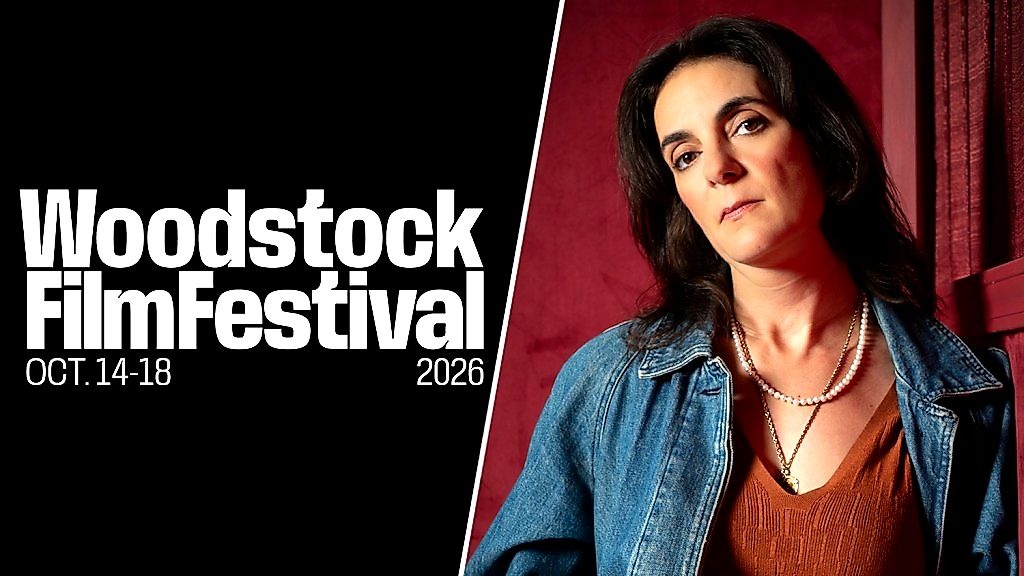
Jessica Edwards' 27-Year Legacy Shakes Woodstock Film Festival
Jessica Edwards announced she will double the festival’s screen time for women filmmakers, promising a new wave of diverse stories at next spring’s event.

Taylor Swift's 36-Year-Old Red Turns Chiefs Fans Into Celebrity Crowd
Swift's front‑row red turtleneck and a heartfelt hug to Donna Kelce at Arrowhead left fans stunned as Chiefs edged Chargers 33‑30 in overtime.

Taylor Swift's 36-year-old drops 'The Fate of Ophelia' at Academy Gala
She stunned in a strapless pale‑blue Dior gown, opening with a brand‑new Toy Story 5 track and a 'Blank Space' performance, showcasing her theatrical flair.