
Tom Winchester plans Mary Poppins, turning nanny into spectral terror.
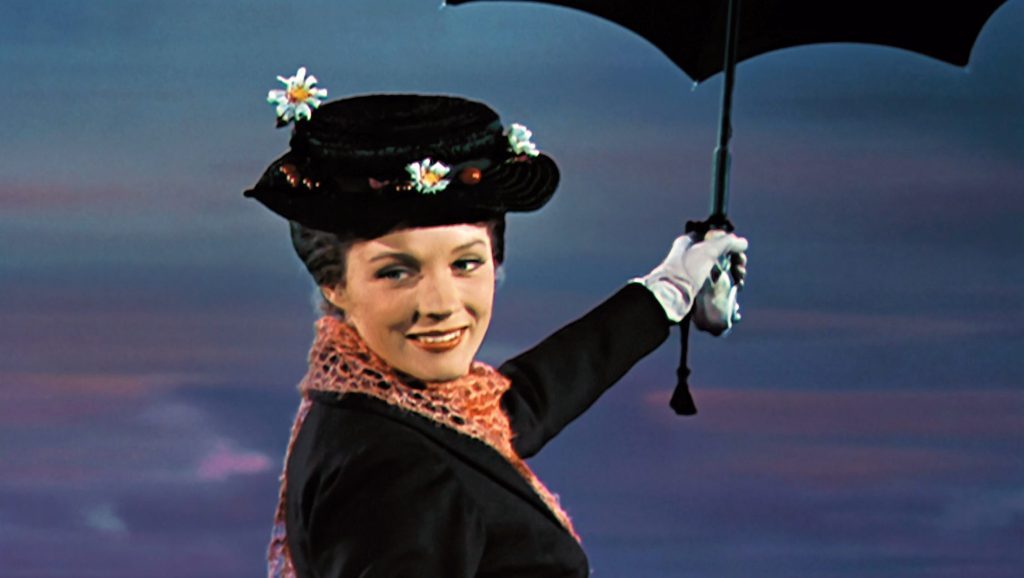
A live‑action television adaptation of P.L. Travers’ original eight *Mary Poppins* novels is now in development.
Producer Tom Winchester is steering the project for Pure Fiction Television, an indie studio backed by See‑Saw Films and Hamilton Hodell. The series aims to revisit the books’ more mysterious, mercurial, and occasionally frightening tone.
Unlike Disney’s 1964 musical, the book version of Mary Poppins is noted for its surreal adventures that can be both magical and unsettling. Winchester intends to explore those elements, offering viewers a fresh take on the iconic nanny that diverges from the wholesome image fans know from film.
The show will therefore lean into a darker, more complex world.
Early‑stage talks with Disney are underway, though the rights themselves do not require Disney’s approval. Winchester hopes that the studio’s long history with the IP might bring additional resources or distribution channels to the project. No agreements have been reached yet; the series remains at the pitch stage.
## Background & Context
The *Mary Poppins* franchise began with Travers’ beloved books, which first appeared in 1934 and followed by seven sequels that expanded a world of wonder, satire, and occasional dread. Disney famously adapted the 1964 story into an Oscar‑winning musical featuring Julie Andrews and Dick Van Dyke.
The film’s bright colors, catchy songs, and optimistic narrative made it a cultural touchstone but also prompted Travers to publicly criticize Disney for oversimplifying her complex characters and themes. That critique inspired the 2003 film *Saving Mr.
Banks*, starring Emma Thompson and Tom Hanks, which paid homage to the original literature while retaining a tone closer to Travers’ intent.
In 2018, Disney returned with *Mary Poppins Returns*, led by Emily Blunt and Lin‑Manuel Miranda. The sequel revisited the classic film’s visual style and musicality but added a new storyline that hinted at a darker undercurrent.
The result was a box‑office success that nevertheless sparked debate among fans: some praised the nod to the original, while others longed for a narrative that truly reflected the books’ eerie moments—such as the “mystery of the house with no windows” and the unsettling “tale of a ghostly woman in a green dress.”
Against this backdrop, Tom Winchester’s pitch arrives at a time when television has proven increasingly willing to re‑examine cherished IP through a more mature lens.
His pedigree in adapting legacy material is solid: he produced the first season of FX’s Emmy‑winning *Shōgun*, based on James Clavell’s novel, and is currently developing Barry Eisler’s 18‑book *John Rain* assassin series for Apple TV.
Winchester’s experience suggests a familiarity with translating complex literary worlds to the screen while balancing audience expectations.
## What People Are Saying
Winchester is developing the series on behalf of the trustees of the P.L. Travers estate, who have granted him an optioned license to the material. The project is still in early conversations, with top‑level showrunners being approached for creative input.
While Disney has not confirmed participation, its historical ties to the IP keep it a potential partner. Both Pure Fiction and Disney declined to comment further on the status of the negotiations.
Social‑media chatter has already begun to surface, with fans of the books expressing mixed feelings. Some viewers argue that a darker adaptation would finally honor Travers’ original tone, . Others fear that a too‑heavy focus on horror elements might alienate the younger demographic that grew up watching Disney’s version.
A popular online forum thread highlighted this divide, summarizing key points:
- **Authenticity**: “If we can stay true to the books, it’s a chance to explore a side of Mary no one has seen.” - **Risk**: “A horror‑tinted nanny might turn off families who expect a safe, feel‑good show.” - **Opportunity**: “Streaming services love genre blends; this could set a precedent for other nostalgic revivals.”
The reaction has also spurred speculation about potential casting choices. Many fans point to actors known for their work in dark fantasy—such as Emma Thompson and Colin Firth—while others prefer fresh faces that could bring a new energy to the role.
## What Happens Next
The next phase involves solidifying a creative team that can balance the books’ darker tones with mainstream appeal. Winchester’s outreach to experienced showrunners indicates a desire to assemble a robust writers’ room capable of navigating the surreal narrative landscape.
Possible collaborators might include writers who have successfully merged literary depth with contemporary sensibilities, such as those behind *The Night Manager* or *The Expanse*.
If Disney chooses to join, it could provide broader distribution; otherwise, Pure Fiction would likely pursue independent or streaming platforms. The choice of platform will play a critical role in shaping the show’s tonal boundaries.
A premium service like HBO Max or Apple TV+ would allow for more daring content, whereas a family‑oriented network would require careful editorial oversight.
Because the project is still at the pitch stage, timelines remain vague. Development will require securing additional funding, finalizing scripts, and assembling a production schedule that respects the novel’s intricate plotlines.
The producers will need to balance period detail—Mary’s 1930s London setting—with modern visual storytelling techniques. For instance, early concept art hints at a blend of hand‑painted animation sequences (to evoke the books’ whimsical illustrations) and practical effects for more unsettling moments.
Stakeholders will evaluate whether the creative vision aligns with market expectations and brand sensitivities. A darker take could position the series as a flagship for mature‑oriented nostalgic content, potentially influencing how other legacy properties are approached by streaming giants.
Conversely, a misstep might prompt industry caution about diluting beloved IPs for the sake of novelty.
The outcome of these early discussions will determine whether the next chapter in the *Mary Poppins* saga surprises audiences with its deeper, more enigmatic storytelling or remains a faithful extension of its cinematic legacy. Only time and further deals will reveal how the series evolves.
Why It Matters
Our Take
GoNews Pulse Editorial Team
This article was prepared for publication by GoNews Pulse and checked for publication requirements under our editorial standards. We review available information and correct material errors when they are identified.
Quick Answers
- What is the latest update on this story?
- Tom Winchester reimagines Mary Poppins as a haunting, adult‑oriented adventure that will shiver viewers.
- Who is this story about?
- This article covers developments related to Tom Winchester plans Mary Poppins, turning nanny into spectral terror.. GoNews Pulse's editorial team monitors the story and updates the article as new verified information becomes available.
- Where can I read more about Tom Winchester?
- GoNews Pulse publishes original reporting on Tom Winchester and related entertainment news. Visit the homepage or browse the section dedicated to this story for the latest coverage.
Related topics
- #Tom Winchester
- #Mary Poppins
- #Disney
- #Streaming
More From This Section
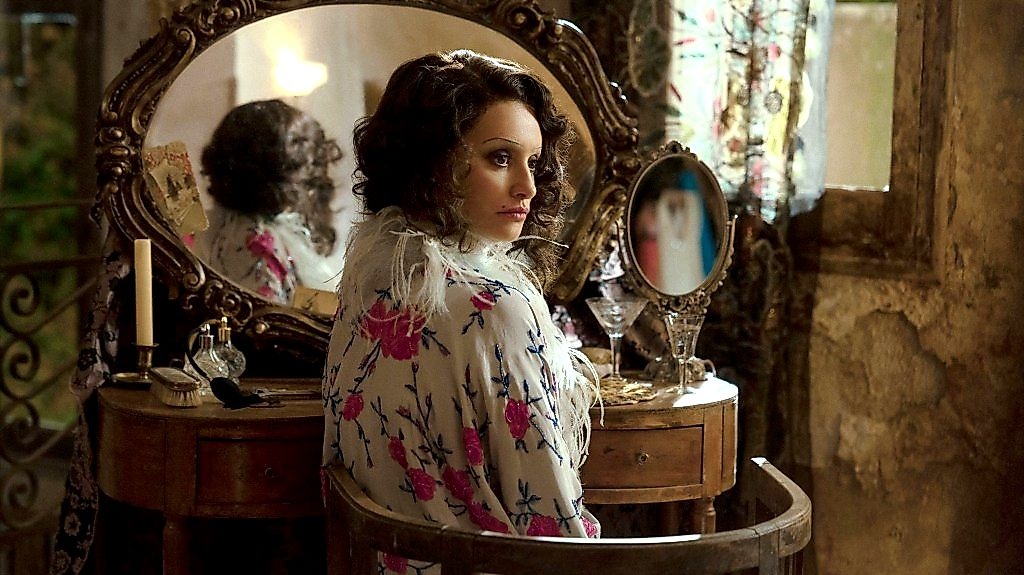
Netflix's $277k box office break shatters streaming dominance
The film earned $108.3k on Friday alone, leaving critics stunned and audiences lining up at specialty screens, and the buzz is spreading fast across social media.
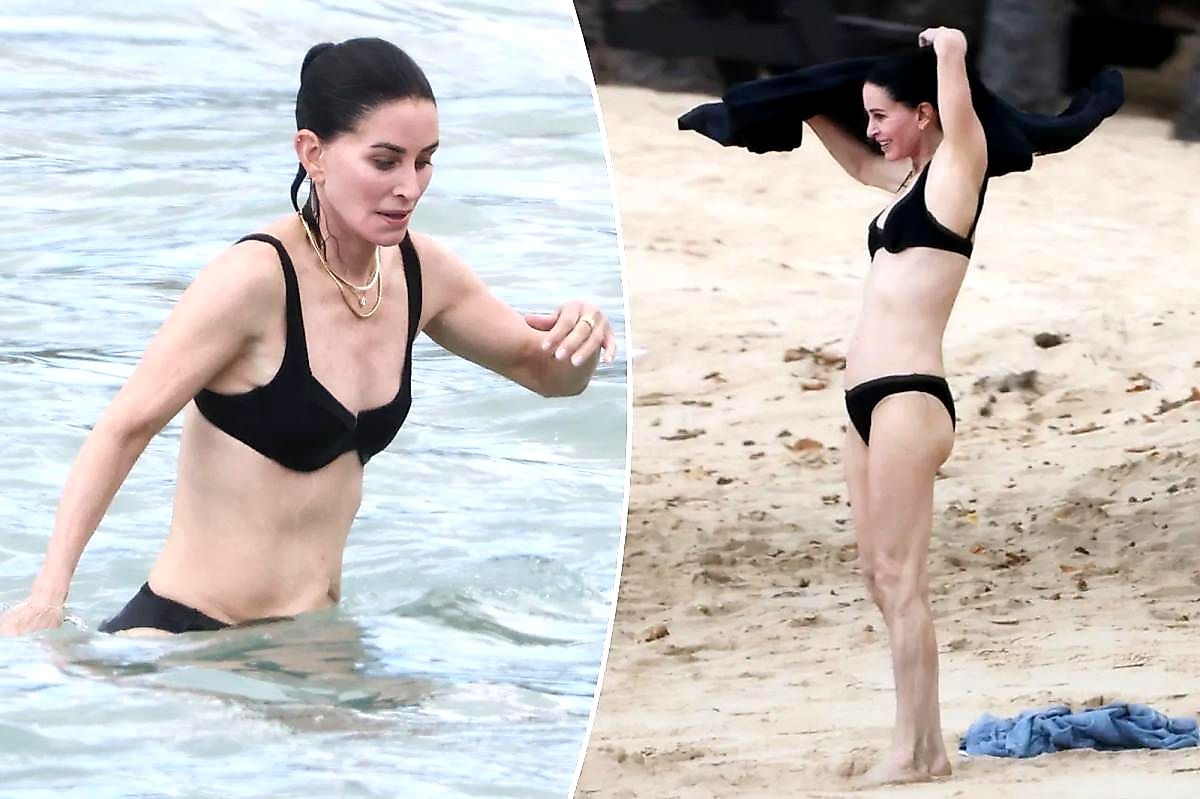
Courteney Cox 62 Turns Heads in Black Bikini on Hawaiian Beach
At Jennifer Meyer’s wedding, 62‑year‑old Courteney Cox stunned guests in a sleek black bikini, revealing a new fitness‑focused lifestyle that fans are buzzing about.

Steve Kazee's 'We Got You' Post Spurs Jenna Dewan After Val Suspension
Kazee wrote, 'Every time I think I can’t love you more…' as Jenna faced a sudden partner change right before the live finale.