
Tom Cruise's $160M Digger flop slams him into a $150M loss
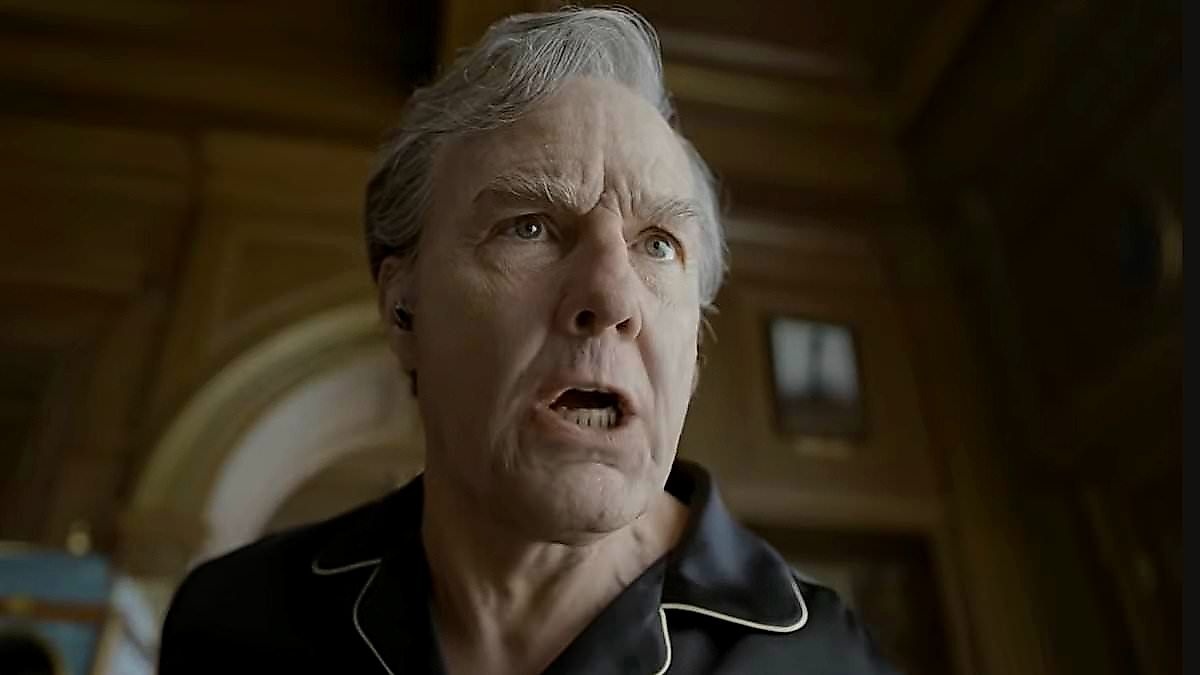
# Tom Cruise’s $160M Digger Flop Leaves a $150M Loss Behind Three months of relentless buzz, a glitter‑filled premiere attended by royalty, and a headline‑making magazine interview in which the star finally opened up after years of reticence—all set the stage for a cinematic spectacle that, on its opening weekend, sank into one of the biggest box‑office disasters in Hollywood history.
The film, a satirical take on the oil industry and its environmental fallout, was envisioned as an awards‑season contender for a veteran action hero. It promised an eccentric oil tycoon played by Tom Cruise, an ambitious ensemble cast, and a renowned director who had won Oscars for Birdman and The Revenant.
The world was invited to watch a grand, self‑reflective drama that could have redefined Cruise’s career. Instead, the studio was left holding a massive hole that threatens to eclipse all the star’s previous triumphs.
At the heart of the failure lies a staggering mismatch between ambition and execution. The production cost hovered around $125‑$160 million, with an additional $100 million pumped into marketing.
For a film of that scale, a theatrical run would have needed to haul in roughly $350 million worldwide to break even. The first weekend's haul—$8 million in the United States and $12 million from 74 international markets—means the movie is on track to lose about $150 million.
A loss that, if it materializes, would rank among the worst in Cruise’s 45‑year filmography. ## Background & Context The narrative of a star‑laden film meeting a disastrous opening is not new for Cruise.
A decade earlier, his political thriller Lions for Lambs (2007) underperformed, costing the studio $35 million to produce and barely recouping its investment. A decade later, the 2017 revival of The Mummy, another high‑budget endeavor, fell short by $95 million, leaving a dent in the franchise’s legacy.
These missteps have become cautionary tales in Hollywood, yet Cruise continued to chase bigger, riskier projects, banking on his brand power and the of an ambitious director to pull audiences in.
Digger’s premise centers on Digger Rockwell, an oil magnate who inadvertently sparks an ecological disaster and must race to rectify his mistakes. The film assembled a formidable ensemble, featuring John Goodman as a dictatorial president, alongside actors like Jesse Plemons and Sandra Huller.
Its director, a four‑time Oscar winner known for blending realism with stylistic flair, was hailed as the perfect creative force to translate the story’s lofty ambitions into cinema.
In a media landscape that often rewards spectacle over substance, the project seemed poised for both critical acclaim and commercial success. The promotional campaign was equally ambitious.
Cruise made a rare return to print, gracing the cover of a prominent magazine after a long hiatus.
Television appearances across late‑night talk shows, a red‑carpet premiere in London attended by the Prince and Princess of Wales, and a barrage of social‑media teasers were designed to position Digger as the year's most talked‑about film.
The studio even hinted at an awards push, suggesting the movie might land in Oscar‑season conversations. Yet the buzz was not enough to shield the film from the harsh verdicts that would soon follow. ## What People Are Saying Critical reception fractured along a line of enthusiasm and skepticism.
Some reviewers found merit in the film’s ambition, noting Cruise’s willingness to step outside his blockbuster persona.
One critic praised the performance, writing, “I’ve already seen Digger twice, and enjoyed it much more the second time, knowing the twists from the start.” Another echoed this sentiment, describing the movie as “bold and often brilliant filmmaking” that could warrant “Oscar nominations for Iñárritu, Cruise and Goodman.” However, the majority of reviews leaned negative, focusing on pacing, tone, and perceived pretension.
A seasoned film critic observed, “The movie finds itself in a postmodern hole, and what do you do when you're in a hole?” Another echoed frustration with the film’s self‑indulgence, noting that the director’s “antic style” overwhelmed the narrative, leaving many viewers “tired of close‑ups of Goodman yelling while snake‑sized veins bulge out of his forehead.” Critics from several outlets also pointed out the film’s failure to deliver stakes that resonate, describing it as “a turgid, unfunny, and borderline unwatchable mess.” Even among the most lenient appraisals, the consensus acknowledged that Cruise, in a role that demanded a departure from his usual high‑octane action, delivered a “winning performance” that was “riveting” but ultimately could not compensate for a script that “feels self‑indulgent.” The overall tone suggested a film that, while visually and thematically ambitious, failed to connect with audiences or critics on an emotional level, rendering it an underwhelming addition to Cruise’s legacy. ## What Happens Next In the aftermath of the opening weekend, the studio is already weighing the financial and strategic ramifications.
If the box‑office continues to trail expectations, a substantial loss is likely, casting doubt on future collaborations between Cruise and high‑budget, auteur‑driven projects.
The studio may revisit the film’s distribution strategy, considering a shift to premium streaming platforms to recoup some of the marketing spend and broaden its audience base. For Cruise, the situation represents a critical juncture.
The actor’s recent roles have included smaller, character‑driven films that have performed modestly but received better critical reception.
Moving forward, he may need to reconcile his blockbuster legacy with a more nuanced portfolio, perhaps returning to projects that play to his strengths while avoiding the pitfalls of grandiose, concept‑heavy spectacles that have historically underperformed.
Within the broader industry, Digger’s flop underscores a growing trend: the market’s increasing wariness of high‑budget, high‑risk ventures that rely heavily on star power and directorial pedigree alone.
Studios are now more likely to scrutinize a film’s core narrative viability before committing massive funds, especially in an era where audiences have more entertainment options than ever before.
The lessons from Digger may influence greenlighting decisions for the next wave of ambitious projects, prompting a reevaluation of what constitutes a sustainable blockbuster.
In the end, Digger serves as a stark reminder that even the most celebrated actors and acclaimed directors are not immune to the unforgiving calculus of box‑office economics.
The film’s performance will linger in the annals of Hollywood history as a cautionary tale of ambition, misaligned expectations, and the delicate balance between artistic vision and commercial viability.
At a Glance
- Staggering $160M production cost with $100M marketing leaves the film needing $350M worldwide to break even.
- Opening weekend haul of $8M U.S. plus $12M international signals a projected $150M loss.
- Critics split: praise Cruise's performance but condemn pacing, tone and pretension.
Why It Matters
Our Take
GoNews Pulse Editorial Team
This article was prepared for publication by GoNews Pulse and checked for publication requirements under our editorial standards. We review available information and correct material errors when they are identified.
Quick Answers
- What is the latest update on this story?
- With only $8M in U.S. openings, the $160M Digger flop is set to lose $150M, a blow that could eclipse Tom Cruise's biggest box‑office successes.
- Who is this story about?
- This article covers developments related to Tom Cruise's $160M Digger flop slams him into a $150M loss. GoNews Pulse's editorial team monitors the story and updates the article as new verified information becomes available.
- Where can I read more about celebrity news?
- GoNews Pulse publishes original reporting on celebrity news and related entertainment news. Visit the homepage or browse the section dedicated to this story for the latest coverage.
More From This Section

Jon Gosselin's 22‑Year‑Old Son Exposes Abuse, Father Shouts Support
Jon Gosselin declares that his son’s 22‑year‑old memoir exposes alleged institutionalization and a hidden ‘small holding’ cell, sparking a national debate.

Mike Colter's Valley Firm AGI Bo Revealed at 2:00 a.m. Shocks Fans
Rob McClure's portrayal of Bo forces the firm to confront a real‑world AGI asking for legal guardrails, sparking a tense ethical debate.

Meredith Grey's bed proposal to Nick on surgery table stuns fans
Meredith Grey slipped a ring into Nick's hand while he lay on the operating table, a move that stunned fans amid the bridge collapse.