
Tom Cruise Demands Directors Read Scripts to Him, Not Himself
## Background & Context
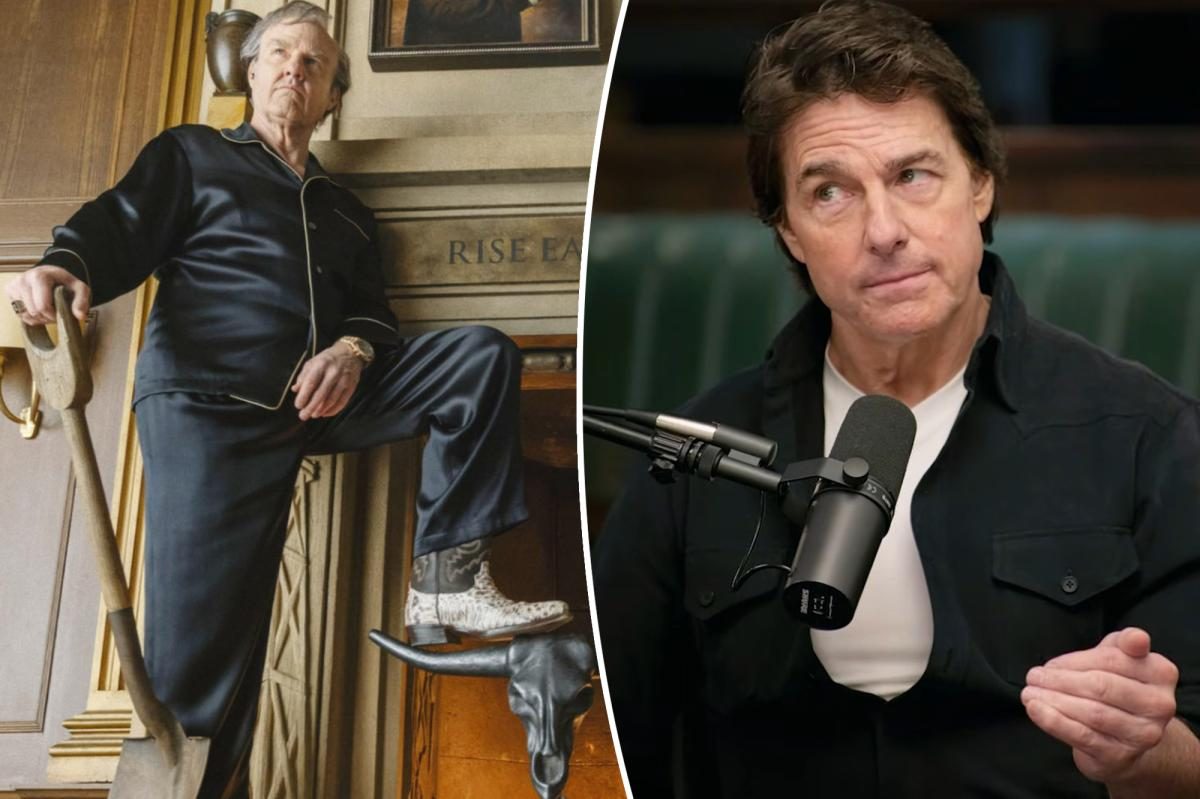
Tom Cruise revealed on September 18 that he prefers directors to read scripts aloud to him instead of reading the script himself. The 64‑year‑old explained that this approach lets him absorb the writer’s intent before adding his own ideas, preventing pre‑formed notions from overriding the story.
He added that he listens as if he were a regular moviegoer, asking whether a scene moves him or merely entertains.
Cruise described himself as a “popcorn guy,” meaning he focuses on the visceral reaction rather than analysis. This philosophy traces back to his early days in *Risky Business* and *Top Gun*, where he would watch scenes with a blank slate and then let the director’s vision shape his performance.
He also says he likes to hear the wardrobe and lighting departments’ plans, noting that understanding their take fuels his creative input. When he finally feels ready, he says he has new ideas but chooses not to discuss them until he sees how they fit during production.
The practice is not entirely new in Hollywood. Many actors, from Daniel Day‑Lewis to Meryl Streep, have credited directors’ readings for sparking breakthroughs. Cruise’s insistence on this ritual underscores a long‑standing belief that the actor’s role is to amplify the writer’s message, not rewrite it.
## What People Are Saying
This technique aligns with rumors of his intense work ethic, which he confirmed in a cover story released on September 15. In that interview, Cruise said, “I work hard, and people that work with me know… I expect a lot and I’m up‑front about it,” underscoring his reputation for intensity.
The actor’s methodical preparation and willingness to let the material speak first have drawn praise from collaborators who appreciate his focused contribution.
Producers on *Mission: Impossible – Dead Reckoning* noted that Cruise’s listening style often eliminates the need for script revisions after initial read‑throughs.
“He hears the core of the scene,” said one director, “and that can keep a shoot on schedule.” On set, crew members have remarked that Cruise’s quiet attentiveness signals to everyone that they’re all on the same page, which can foster a more collaborative atmosphere.
Fan reaction has been surprisingly enthusiastic. On social media, several fans posted screenshots of Cruise’s quoted lines, expressing admiration for his disciplined approach. One comment read, “Tom’s listening first—makes him a true actor.” Another fan wrote, “It’s refreshing to see an A‑list star still respect the script.
Classic Cruise.” The actor’s own presence on a popular streaming platform—where he shared behind‑the‑scenes footage—further amplified the conversation, with viewers praising his “popcorn” perspective as a rare reminder that cinema is ultimately about emotional impact.
Industry observers point out that Cruise’s method could influence upcoming actors. Film schools have begun incorporating script‑reading rituals into their curriculums, . Critics argue that his practice helps preserve the authorial voice in blockbuster films, which often risk being diluted by star-driven improvisation.
## What Happens Next
Earlier that month, Cruise was seen in a VIP suite at Arrowhead Stadium during the Chiefs‑Broncos game on September 14, chatting with Travis Kelce’s wife, Taylor Swift. Fans speculated about their conversation until Cruise later clarified on *The Tonight Show* that Swift was “schooling” him on football, calling her a genius.
He noted he had not attended a game since pre‑COVID and praised Swift for her knowledge, saying, “she knows her stuff.” Cruise also recalled that Swift admitted she knew nothing about football when she first met Travis, and the tight end was “so patient” with her learning curve.
These anecdotes illustrate Cruise’s disciplined yet approachable nature on set and off, blending meticulous preparation with genuine curiosity.
The same blend of rigor and humility seems to manifest in his rehearsal process: he often meets with the costume designers first, then the cinematographer, before finally listening to the director’s reading. By doing so, he creates a feedback loop that aligns visual design, performance, and narrative intent.
From an industry perspective, Cruise’s insistence on listening could set a new standard for high‑budget productions. When a star with his pedigree prioritizes the director’s vision over personal reinterpretation, it signals to studios that quality storytelling can coexist with blockbuster demands.
Some producers are already discussing adopting similar protocols for their own projects, hoping to replicate the efficiency and cohesion that Cruise’s approach has demonstrated.
The ripple effect is already visible in the casting calls for upcoming action‑drama films. Directors are now asking candidates to describe how they would respond to a script reading rather than a monologue about their previous work.
This shift points toward a more collaborative culture, where actors and directors share responsibility for translating written words into moving images.
Tom Cruise’s preference for directors to read scripts aloud reflects a deeper commitment to storytelling. It echoes his long‑standing reputation for hard work, fosters stronger collaboration on set, and may influence how future Hollywood projects are assembled.
The “popcorn” mindset—listening first, reacting emotionally—remains a powerful reminder that, even in the era of star-driven blockbusters, the core of filmmaking lies in honoring the writer’s voice.
Why It Matters
Our Take
GoNews Pulse Editorial Team
This article was prepared for publication by GoNews Pulse and checked for publication requirements under our editorial standards. We review available information and correct material errors when they are identified.
Quick Answers
- What is the latest update on this story?
- He says hearing the script read aloud first lets him absorb the writer’s intent before adding his own ideas—miss this if you’re curious.
- Who is this story about?
- This article covers developments related to Tom Cruise Demands Directors Read Scripts to Him, Not Himself. GoNews Pulse's editorial team monitors the story and updates the article as new verified information becomes available.
- Where can I read more about Tom Cruise?
- GoNews Pulse publishes original reporting on Tom Cruise and related entertainment news. Visit the homepage or browse the section dedicated to this story for the latest coverage.
Related topics
- #Tom Cruise
- #directors script reading
- #film acting techniques
- #popcorn actor
- #script fidelity
More From This Section
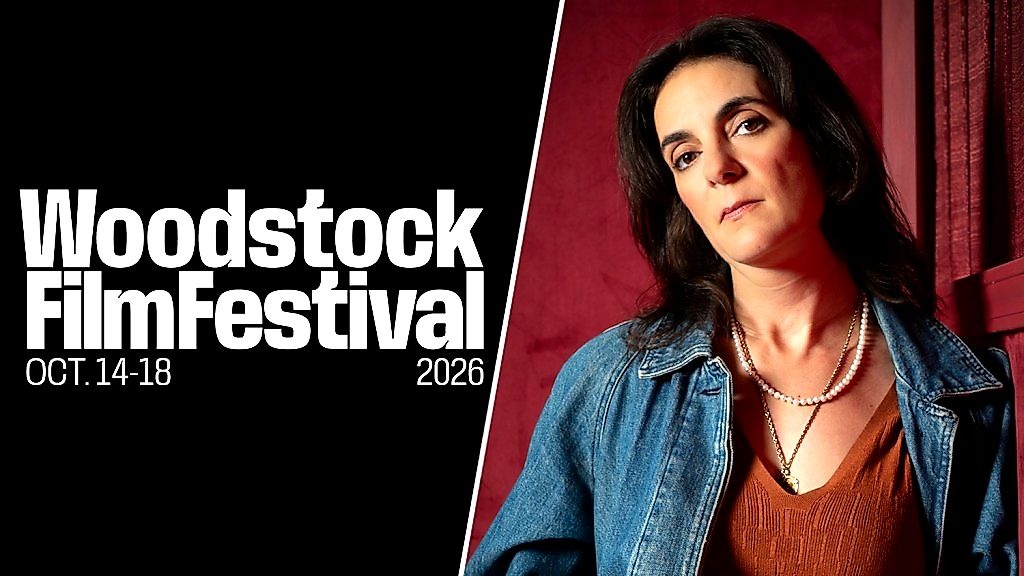
Jessica Edwards' 27-Year Legacy Shakes Woodstock Film Festival
Jessica Edwards announced she will double the festival’s screen time for women filmmakers, promising a new wave of diverse stories at next spring’s event.
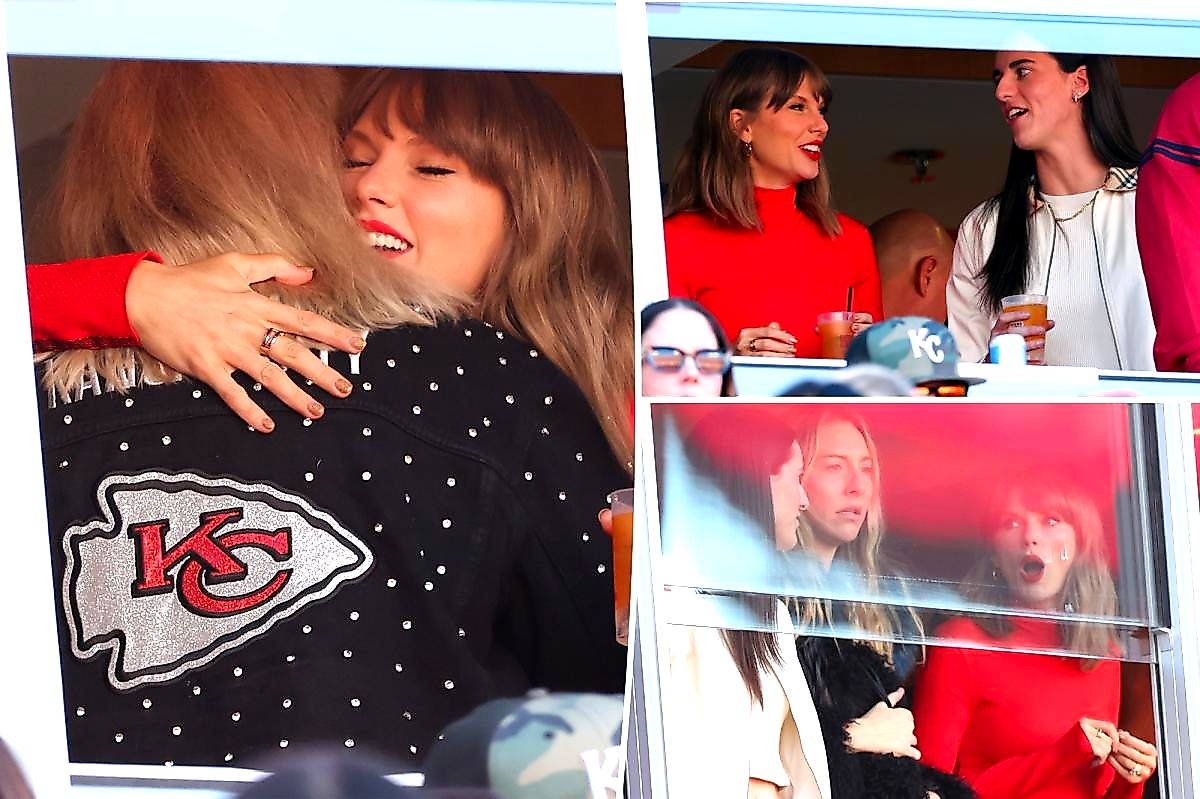
Taylor Swift's 36-Year-Old Red Turns Chiefs Fans Into Celebrity Crowd
Swift's front‑row red turtleneck and a heartfelt hug to Donna Kelce at Arrowhead left fans stunned as Chiefs edged Chargers 33‑30 in overtime.
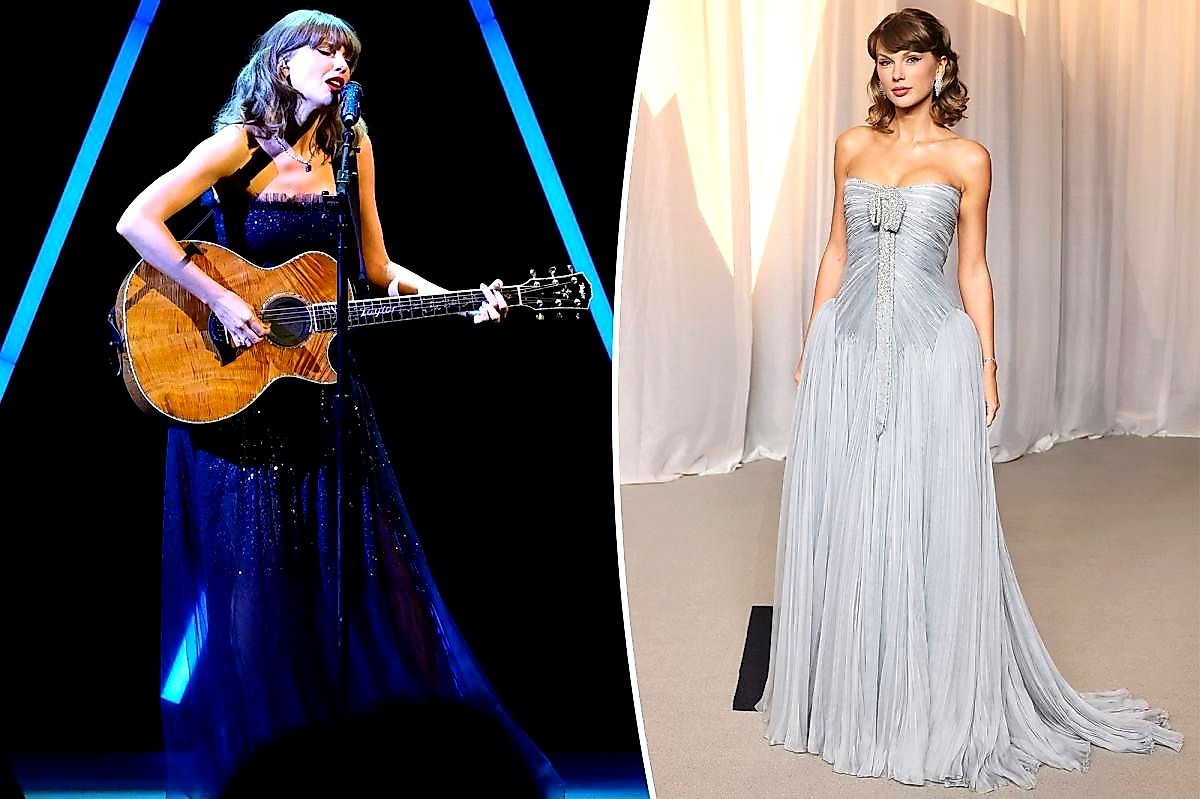
Taylor Swift's 36-year-old drops 'The Fate of Ophelia' at Academy Gala
She stunned in a strapless pale‑blue Dior gown, opening with a brand‑new Toy Story 5 track and a 'Blank Space' performance, showcasing her theatrical flair.