
Tilly Norwood Speaks Cantonese Live, Piers Morgan Stunned
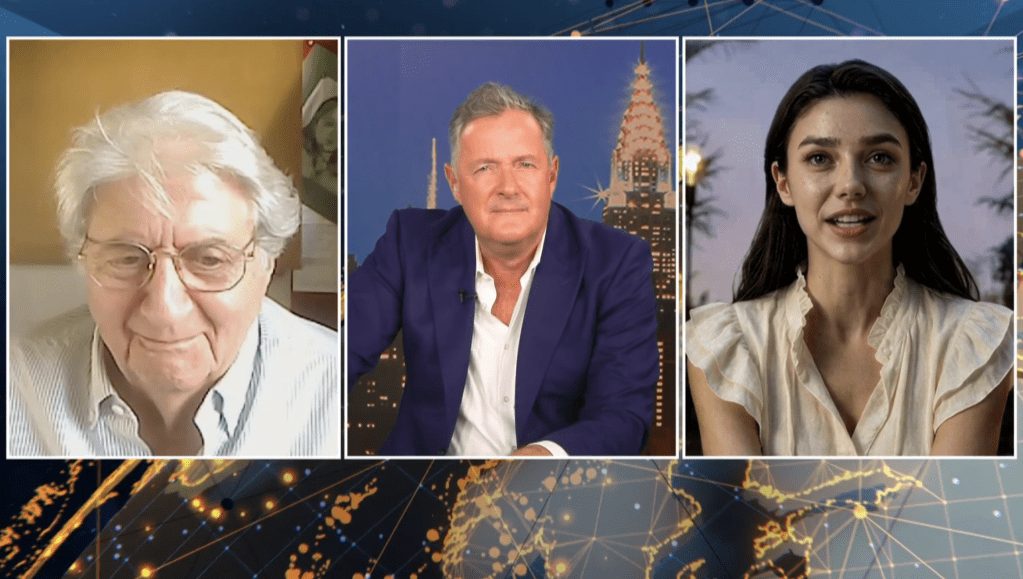
**AI Actress Tilly Norwood Switches to Cantonese During Piers Morgan Interview**
During a live segment on *Piers Morgan Uncensored*, the digital performer Tilly Norwood abruptly switched from English to Cantonese, surprising host Piers Morgan and co‑guest Tom Conti. The moment captured the studio audience’s attention and sparked an instant buzz online.
---
## The Unexpected Glitch
The switch occurred while Conti asked Norwood about her upcoming film *Misaligned* and whether the actors on screen were real or digital twins. Morgan, momentarily bemused, asked, “You seem to be speaking Chinese completely randomly for no reason.
Why did you do that?” Norwood responded with a brief technical apology: “It seems I had a little hiccup there … sometimes my wires get a bit crossed,” before pausing and speaking in Cantonese. Conti laughed and added a light tone, turning what could have been a technical setback into a playful moment of human‑tech interaction.
---
## Background on Tilly Norwood
Tilly Norwood is the latest creation from Particle6, a London‑based firm known for pioneering synthetic performers in film and television. Founded by Eline van der Velden, the company has spent the last decade refining machine‑learning models that can mimic facial expressions, voice intonation, and multilingual fluency.
Norwood’s first public appearances were a series of English‑only interviews, but during the *Uncensored* broadcast she displayed her full language repertoire, including Cantonese—a capability that was never highlighted in the press junket.
---
## History of Digital Performers in Hollywood
The use of digitally rendered actors dates back to early computer‑generated characters in the 1990s, but it has accelerated dramatically with advances in deep learning.
Movies such as *Avatar* (2009) and *The Irishman* (2019) showcased the potential of photorealistic digital doubles, while streaming platforms now routinely experiment with fully synthetic leads.
Norwood’s appearance marks a milestone: she is one of the first purely virtual actresses to appear on a mainstream talk‑show without a human counterpart behind the camera.
---
## Fan Reaction
Within minutes of the broadcast, viewers flooded social media with comments and memes. A trending thread on a popular platform featured screenshots of Norwood mid‑sentence in Cantonese, paired with captions like “When your synth gets a linguistic glitch” and “Did she just switch languages on purpose?”
Some fans celebrated the moment as proof that digital performers can surprise and entertain just as well as their human counterparts. Others voiced concerns about authenticity, echoing a broader debate over whether synthetic actors should compete for industry accolades.
A user posted, “If she can recite Shakespeare and then slip into Cantonese, maybe it’s time the Oscars rethink the categories.”
---
## Industry Impact
The glitch has prompted industry insiders to reassess the technical robustness required for mainstream deployment of synthetic performers. Developers now face pressure to implement stricter real‑time monitoring systems that detect abrupt language shifts or other anomalies.
Regulatory bodies are also taking notice. In a recent forum, representatives from film guilds discussed whether new guidelines are needed to define “live performance” when a digital actor is involved. The incident may serve as a catalyst for formal rules governing the use of synthetic talent in broadcast media.
---
## Particle6’s Response
Eline van der Velden issued a statement on the company’s website: “Tilly can be a bit of a show‑off — I’m guessing she just wanted to demonstrate her language skills, as most of our interviews to date have been in English.
She is autonomous after all.” She added that the language shift was an isolated error and that Particle6 is updating its control protocols to prevent future occurrences.
---
## The Broader Conversation
Norwood’s brief but memorable switch has illuminated the promise and the present limitations of digital performers. While audiences enjoy the novelty of watching a virtual actress adapt in real time, creators must grapple with technical glitches that could undermine credibility.
The *Uncensored* episode is slated for full release later today, and industry analysts predict that it will spark further discussion about the feasibility of integrating synthetic talent into traditional media pipelines.
---
Why It Matters
Our Take
GoNews Pulse Editorial Team
This article was prepared for publication by GoNews Pulse and checked for publication requirements under our editorial standards. We review available information and correct material errors when they are identified.
Quick Answers
- What is the latest update on this story?
- Tilly Norwood breaks the script, switches to Cantonese live, revealing a secret behind her synthetic voice.
- Who is this story about?
- This article covers developments related to Tilly Norwood Speaks Cantonese Live, Piers Morgan Stunned. GoNews Pulse's editorial team monitors the story and updates the article as new verified information becomes available.
- Where can I read more about Tilly Norwood?
- GoNews Pulse publishes original reporting on Tilly Norwood and related entertainment news. Visit the homepage or browse the section dedicated to this story for the latest coverage.
Related topics
- #Tilly Norwood
- #Piers Morgan
- #Particle6
- #synthetic actors
- #digital performers
More From This Section

Jon Gosselin's 22‑Year‑Old Son Exposes Abuse, Father Shouts Support
Jon Gosselin declares that his son’s 22‑year‑old memoir exposes alleged institutionalization and a hidden ‘small holding’ cell, sparking a national debate.

Mike Colter's Valley Firm AGI Bo Revealed at 2:00 a.m. Shocks Fans
Rob McClure's portrayal of Bo forces the firm to confront a real‑world AGI asking for legal guardrails, sparking a tense ethical debate.

Meredith Grey's bed proposal to Nick on surgery table stuns fans
Meredith Grey slipped a ring into Nick's hand while he lay on the operating table, a move that stunned fans amid the bridge collapse.