
Tiger Woods Loses Florida License for Five Years After DUI Deal
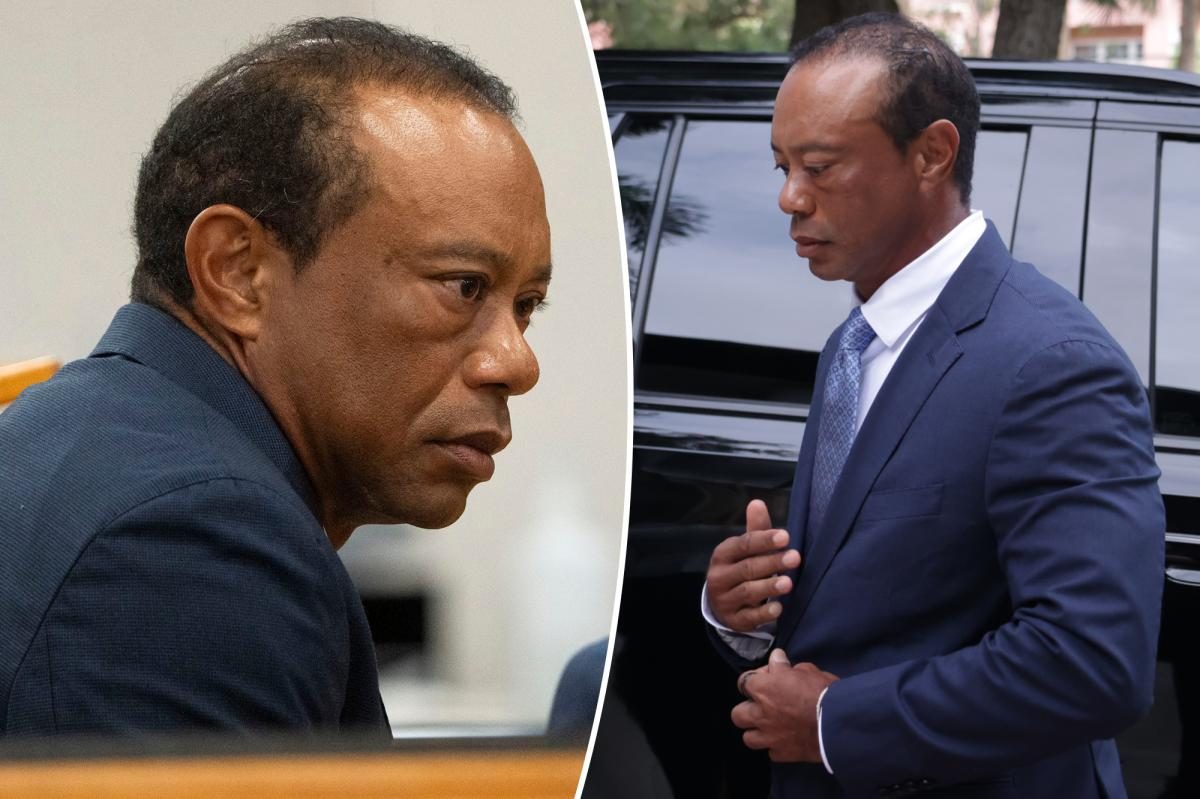
Tiger Woods lost his driver’s license for five years after a last‑minute plea deal at the Martin County Courthouse in Stuart, Florida, this Wednesday morning. The 50‑year‑old golfer faced charges that were reduced to reckless driving and refusal to submit to a chemical test.
Judge Thomas R. Miller imposed a $1,000 fine for the first charge and a $500 fine for the second, warning that any driving would lead to jail.
During the brief hearing, Woods’s attorney Douglas Duncan and girlfriend Vanessa Trump accompanied him inside. Woods looked toward his companion often and flashed a smile after signing the plea agreement. “The judge said, ‘If you drive for any reason at all, you will be going back to jail.’”
The case began with a March 27 rollover near Woods’s Jupiter Island home. He failed a field sobriety test and admitted taking “a few” prescription medications earlier that day. Deputies found two loose pills—hydrocodone—and noted “several signs of impairment,” yet breathalyzer results confirmed no alcohol or illegal substances.
## Background & Context
The March incident was Woods’s fourth significant car‑related event and his second DUI arrest. At the time, he entered a not‑guilty plea to misdemeanor charges of driving under the influence with property damage and refusal to submit to a lawful chemical test. A citation for reckless driving was also issued.
In the weeks that followed, Woods announced he was seeking treatment. “I know and understand the seriousness of the situation I find myself in today,” he wrote on social media. “I am stepping away for a period of time to seek treatment and focus on my health.”
Woods has endured multiple injuries and surgeries throughout his career, yet he returned to the public eye after nearly three months in a Switzerland rehab. He paused briefly to support Trump during her breast‑cancer battle, then resumed appearances at golf events.
**A Glimpse into the Past**
- **2008** – Woods was involved in a minor car accident in Scottsdale,
Arizona, where a pedestrian suffered a fractured shoulder. - **2017** – He was cited for driving with a suspended license after a traffic stop in West Palm Beach. - **2021** – A February crash on the West Coast left the golfer with a broken wrist; he was later charged with driving under the influence of prescription medication.
These incidents have accumulated into a pattern that critics say has eroded Woods’s reputation as a disciplined athlete. Yet each time, he has publicly apologized and taken steps toward recovery.
## Court Proceedings and Plea Deal
The court hearing took place on Wednesday morning, with Woods appearing before Judge Miller after a motion fast‑tracked his appearance from the originally scheduled September 8 date.
The defense and prosecution had reached an agreement, resulting in the DUI charge being reduced to reckless driving and refusal to submit to a lawful chemical test.
Woods entered a no‑contest plea to the two charges, checking the box stating, “I feel it to be in my best interest not to contest the evidence the state would present against me.” The judge imposed a $1,000 fine for the first charge and a $500 fine for the second, with both carrying a five‑year driving ban that runs concurrently.
The state attorney explained in a subsequent press conference that the case was “difficult” to prosecute because there was “insufficient proof of [Woods’] impairment” due to his “pharmacological tolerance” of the controlled substances he confessed to taking prior to his arrest. He also noted that Woods refused a urinalysis.
**Key Takeaways from the Hearing**
| Element | Detail | |--------|--------| | **Original Charge** | DUI with property damage | | **Reduced Charge** | Reckless driving + refusal to submit to chemical test | | **Fine** | $1,500 total | | **Driving Ban** | 5 years, concurrent | | **Judge’s Warning** | Any driving leads to jail |
## Implications for Woods' Future
The five‑year driving ban means Woods cannot legally operate any motor vehicle on public roads during that period.
Sheriff’s Office Public Information Officer Christine Weiss clarified that he can drive a golf cart if the golf course is in a private community, but “different jurisdictions have different rules and laws about driving golf carts on public roads, so it could be different everywhere.”
Woods’s decision to step away for treatment signals a renewed focus on health and recovery. His recent appearance at the Payne Stewart Award ceremony for fellow golfer Notah Begay demonstrated a cautious return to the public eye.
Observers noted that he looked “like a shell of his former self,” reflecting the ongoing personal challenges he faces.
**Impact on Travel and Scheduling**
- **Tournament Logistics** – Woods will rely heavily on chauffeurs and rideshare services for the next five years, affecting travel budgets for sponsors. - **Practice Routines** – Limited driving freedom may restrict his ability to commute to various golf courses for practice. - **Public Image** – The ban could influence fan perception and media coverage during high‑profile events.
## Fan Reaction
Across social media, fans expressed a mix of disappointment, concern, and hope.
- **Twitter** – #TigerWoods fans tweeted “We’re still behind you, champ.” alongside screenshots of supportive messages from former teammates. - **Reddit** – r/golf communities debated whether Woods’s legal troubles merit a permanent hiatus or merely a temporary pause. - **Instagram** – Fans posted photo collages of Woods’s historic shots with captions like “Still a legend, still human.”
While some supporters urged him to focus on recovery, others called for accountability, . Notably, many fans highlighted Woods’s philanthropic efforts—such as the Tiger Woods Foundation—to emphasize that his contributions extend beyond the golf course.
**A Spotlight on the Human Side**
- **Mental Health** – Discussions shifted to the importance of addressing underlying issues such as depression and pain management. - **Role Models** – Younger golfers cited Woods as a mentor, prompting conversations about how personal struggles can coexist with professional excellence.
## Industry Impact
Woods’s legal situation reverberates beyond the individual, affecting various facets of the golf industry.
### 1. Sponsorship Dynamics
- **Brand Associations** – Companies that previously endorsed Woods have re-evaluated contracts, considering potential reputational risk. - **Insurance Premiums** – Travel and event insurance costs for sponsors may rise due to perceived instability.
### 2. Tournament Scheduling
- **Broadcasting Rights** – Networks may adjust coverage strategies, emphasizing other high‑profile players during Woods’s ban period. - **Event Marketing** – Tournament organizers might shift promotional focus to emerging talent, impacting long‑term fan engagement.
### 3. Course Management
- **Driving Range Access** – Some courses have already announced temporary restrictions on private vehicle access for key players, a policy that could become standard. - **Safety Protocols** – Increased emphasis on driver safety measures, including mandatory check‑in procedures and vehicle inspections.
### 4. Public Perception of Golf
- **Reputational Risk** – The sport’s image as disciplined and elite may suffer if high‑profile figures repeatedly face legal issues. - **Youth Participation** – Paradoxically, Woods’s candid discussion of health challenges has sparked interest among younger demographics, opening conversations about resilience.
### 5. Economic Ripple Effects
- **Merchandise Sales** – While some fans have paused purchases during the ban, the long‑term effect on the Tiger Woods brand remains uncertain. - **Golf Tourism** – The influx of visitors to courses associated with Woods could experience a temporary dip, influencing local economies.
## Looking Ahead
Woods’s five‑year driving ban and fine mark a significant legal setback. Yet his commitment to treatment and gradual re‑entry into golf events suggest a path toward recovery and future career stability.
- **Recovery Roadmap** – Woods has outlined a structured program that includes therapy, medication management, and lifestyle changes. - **Rebuilding Momentum** – He plans to participate in select tournaments post‑ban, with the goal of regaining competitive form while adhering to legal restrictions. - **Legacy Reflections** – As he navigates this challenging period,
Woods’s legacy will likely evolve to include not only his 15 major titles but also his candid journey toward personal health.
In a sport that prizes precision, discipline, and resilience, Tiger Woods’s experience underscores the complex interplay between athletic prowess and human vulnerability. The coming five years will test his resolve and the industry’s capacity to support a legend facing unprecedented obstacles.
Why It Matters
Our Take
GoNews Pulse Editorial Team
This article was prepared for publication by GoNews Pulse and checked for publication requirements under our editorial standards. We review available information and correct material errors when they are identified.
Quick Answers
- What is the latest update on this story?
- Woods drops the DUI charge for a five‑year license ban after refusing a chemical test.
- Who is this story about?
- This article covers developments related to Tiger Woods Loses Florida License for Five Years After DUI Deal. GoNews Pulse's editorial team monitors the story and updates the article as new verified information becomes available.
- Where can I read more about Tiger Woods?
- GoNews Pulse publishes original reporting on Tiger Woods and related entertainment news. Visit the homepage or browse the section dedicated to this story for the latest coverage.
Related topics
- #Tiger Woods
- #Florida DUI
- #golf sponsorship
More From This Section

Jon Gosselin's 22‑Year‑Old Son Exposes Abuse, Father Shouts Support
Jon Gosselin declares that his son’s 22‑year‑old memoir exposes alleged institutionalization and a hidden ‘small holding’ cell, sparking a national debate.

Mike Colter's Valley Firm AGI Bo Revealed at 2:00 a.m. Shocks Fans
Rob McClure's portrayal of Bo forces the firm to confront a real‑world AGI asking for legal guardrails, sparking a tense ethical debate.

Meredith Grey's bed proposal to Nick on surgery table stuns fans
Meredith Grey slipped a ring into Nick's hand while he lay on the operating table, a move that stunned fans amid the bridge collapse.